
Dealing with your dog pooping inside the house can be frustrating and stressful. You want to keep your home clean, but you also want your furry friend to learn the right behavior.
If you’re wondering how to punish dogs for pooping in the house without causing harm or fear, you’re in the right place. This guide will help you understand the best ways to correct your dog’s habits gently and effectively. Keep reading to discover smart, easy steps that will improve your dog’s behavior and bring peace back to your home.
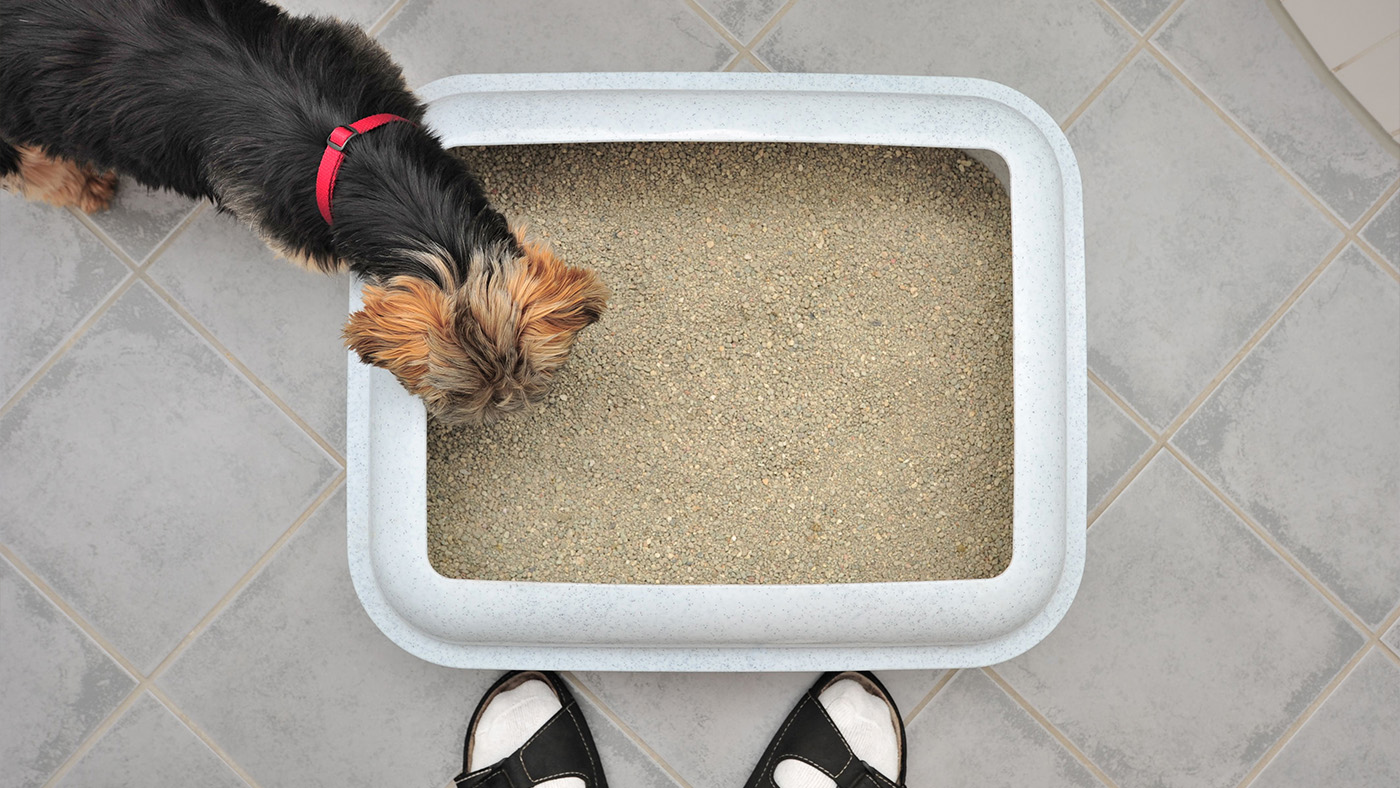
Credit: www.petsradar.com
Why Indoor Pooping Happens
Understanding why your dog poops inside the house is key to fixing the problem. Dogs don’t just misbehave out of spite; there’s usually a reason behind their actions. Pinpointing the cause helps you respond in a way that works best for your pet and your home.
Common Causes
Many dogs poop indoors because they haven’t been fully house-trained. Puppies and new dogs especially need clear guidance and regular outdoor breaks. Sometimes, a sudden change in schedule or environment confuses them, leading to accidents.
Another cause is lack of access to appropriate outdoor spaces. If your dog can’t go outside easily, they might have no choice but to relieve themselves inside. Have you noticed if your dog struggles to get outdoors during bad weather or busy days?
Behavioral Triggers
Stress and anxiety are powerful triggers for indoor pooping. Changes like moving to a new home, a new family member, or loud noises can upset your dog’s routine. Dogs also use indoor pooping as a way to mark territory or express frustration.
Some dogs develop habits linked to attention-seeking. If you react strongly when they poop inside, your dog might continue the behavior just to get your focus. Have you ever caught yourself reacting in a way that might encourage this?
Health Issues
Medical problems can cause sudden indoor accidents. Conditions like urinary tract infections, digestive issues, or mobility problems make it hard for dogs to hold it until they go outside. Older dogs might struggle with incontinence or cognitive decline, leading to indoor pooping.
Ignoring health signs can make the problem worse. If your dog’s indoor accidents start suddenly or become frequent, a vet visit is essential. Have you ruled out health issues before focusing on training methods?
Credit: dozieonwe.medium.com
Signs To Avoid Punishment
Punishing your dog for pooping inside the house can backfire if you don’t first recognize the signs that indicate punishment isn’t the right move. Understanding these signals helps you avoid damaging your dog's trust and instead guide them toward better habits. Knowing when to hold back is just as important as knowing how to correct behavior.
Recognizing Accidents
Dogs don’t always poop inside the house out of defiance. Sometimes it’s a true accident caused by illness, anxiety, or lack of proper access to the outdoors.
Look for signs like:
- Sudden change in behavior, such as restlessness or whining
- Signs of discomfort or digestive issues
- Confusion or hesitation near their usual bathroom spot
If you catch your dog in the act or immediately after, it’s a chance to gently redirect rather than punish. Ask yourself, is your dog learning or just struggling?
Timing Matters
The moment you discover the mess is key. Dogs don’t connect punishment with past actions if there’s a delay.
Scolding your dog hours later will only confuse them. Instead, address the situation immediately or use positive reinforcement when they go outside.
Think about how quickly your dog processes events—punishment must be immediate to be effective, but only if the dog clearly understands why.
Avoiding Fear
Fear-based punishment can harm your dog’s emotional health and worsen house-soiling issues.
Dogs that feel scared may hide accidents or become anxious, making training harder. Instead, focus on calm guidance and rewarding good behavior.
Ask yourself: Are you teaching your dog what to do, or just making them afraid of getting caught? Your goal is cooperation, not fear.
Effective Correction Methods
Correcting a dog that poops inside requires patience and clear signals. Effective correction methods help your dog understand what behavior you expect. Consistent and gentle correction builds trust and guides your dog toward good habits.
Using Verbal Cues
Use a firm, calm voice to say "No" or "Stop" right after the dog poops inside. Avoid yelling or harsh tones. The goal is to let the dog know the action is wrong without causing fear. Repeat the same words every time to create a clear connection. Praise your dog when it poops outside to reinforce good behavior.
Time-out Techniques
Time-outs help your dog link bad behavior with a short loss of attention. After the dog poops inside, calmly take it to a quiet, safe space for a few minutes. Avoid physical punishment or yelling. This break helps the dog reflect and reduces excitement or anxiety that may cause accidents. Keep time-outs brief to maintain their effectiveness.
Redirecting Behavior
Redirect your dog to the proper place immediately after noticing signs of pooping inside. Gently lead the dog outside or to the designated bathroom spot. Reward the dog with treats or praise when it finishes outside. This positive guidance teaches the dog where to go and replaces the unwanted behavior with a good habit.
Positive Reinforcement Strategies
Positive reinforcement is a kind and effective way to teach your dog where to go potty. It helps your dog learn good habits without fear or confusion. This approach builds trust and makes training more enjoyable. Use rewards and praise to encourage your dog to repeat good behavior.
Rewarding Good Habits
Give your dog treats or affection right after it poops outside. This helps your dog connect the action with something positive. Use small, tasty treats your dog loves. Praise your dog with a happy voice to show approval. Rewards make your dog want to behave well again.
Consistency In Training
Train your dog the same way every time. Use the same commands and rewards. Consistency helps your dog understand what you expect. Avoid changing rules or reacting differently. Repetition builds clear habits and reduces accidents inside the house.
Building Routine
Set regular times for taking your dog outside. Dogs feel safe with a routine. Take your dog out after meals, play, and naps. Stick to the schedule every day. A steady routine helps your dog know when and where to go potty.
Creating A Dog-friendly Bathroom Space
Creating a dog-friendly bathroom space helps prevent accidents inside the house. It guides your dog to the right spot. This space should be easy to reach and comfortable for your dog. A clear and consistent bathroom area sets good habits for your pet.
Designating Areas
Choose a quiet corner for your dog’s bathroom. Use a mat or a small fenced area to mark the spot. Keep this area away from their food and sleeping places. Consistency helps your dog remember the correct place to go.
Using Pee Pads
Pee pads work well for puppies and small dogs. Place the pad in the bathroom area. Change the pad often to keep the spot clean and fresh. Encourage your dog to use the pad with treats and praise. Pee pads protect your floor and make cleaning easier.
Cleaning Up Properly
Clean accidents quickly with an enzyme cleaner. This removes smells that attract dogs back to the same spot. Avoid using ammonia-based cleaners as they can confuse your dog. A clean space helps your dog learn where to go next time.
When To Seek Professional Help
Knowing when to seek professional help is vital for managing your dog's house soiling. Some problems need expert advice beyond basic training. Timely intervention can prevent frustration and improve your dog's behavior quickly.
Persistent Issues
Repeated accidents inside the house may signal deeper problems. These issues can include medical conditions or behavioral challenges. If cleaning and punishment do not stop the accidents, it is time to get help. Persistent soiling can stress both the owner and the dog.
Consulting Veterinarians
Veterinarians help rule out health problems causing indoor pooping. Conditions like infections, digestive disorders, or urinary tract issues may be to blame. A vet exam ensures your dog is physically well. Treating medical issues often stops unwanted accidents.
Hiring Trainers
Professional trainers offer tailored behavior solutions for your dog. They teach positive habits and correct unwanted actions. Trainers use proven methods to reinforce house training. Expert guidance helps you handle stubborn or anxious dogs effectively.
Credit: pethelpful.com
Frequently Asked Questions
How Can I Stop My Dog From Pooping Indoors?
Consistently train your dog using positive reinforcement. Take them outside frequently, especially after meals. Clean indoor accidents promptly with enzymatic cleaners to remove odors.
Is Punishing Dogs For Pooping Inside Effective?
Punishment often confuses dogs and can harm trust. Focus on rewarding good behavior instead. Positive reinforcement is more effective for house training.
What Are Better Alternatives To Punishment For Indoor Pooping?
Use crate training and establish a regular potty schedule. Reward your dog when they go outside. Clean accidents without scolding to encourage correct habits.
How Do I Clean Dog Poop Accidents Properly?
Use enzymatic cleaners to break down odors and stains. Avoid ammonia-based cleaners that can attract dogs back inside. Clean promptly to prevent repeat accidents.
Conclusion
Training your dog takes patience and kindness. Punishment alone won't work. Consistency is key for teaching good habits. Reward positive behavior. Ignore mistakes to avoid stress. Create a routine for bathroom breaks. Use clear commands and praise for good behavior.
Understand your dog's needs and signals. A happy, well-trained dog is a joy. Always prioritize your pet's well-being. With love and patience, success follows. Remember, a gentle approach works best.