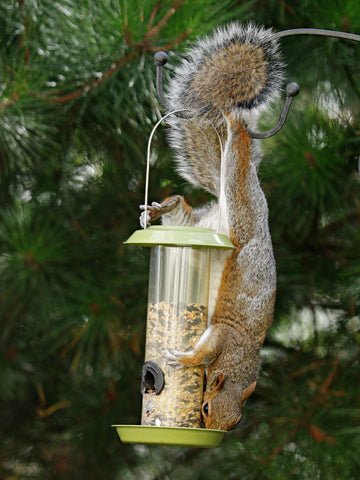
Are you tired of watching squirrels treat your bird feeder like their personal buffet? You fill it up, hoping to attract colorful birds, only to see those furry little bandits swoop in and steal the show.
If you've ever felt frustrated seeing your effort and money go straight into the paws of squirrels, you're not alone. This article is your ultimate guide to outsmarting those sneaky critters and ensuring your feathered friends get their fair share.
Dive in to discover simple yet effective strategies to keep your bird feeder squirrel-free, and bring back the joy of birdwatching to your backyard.

Credit: www.popsci.com
Why Squirrels Target Bird Feeders
Squirrels often visit bird feeders because they find easy food there. Bird feeders offer a steady supply of seeds and nuts. These foods are tasty and full of energy for squirrels. Their natural behavior drives them to seek out such convenient meals. Understanding why squirrels target bird feeders helps in preventing them from eating the bird food.
Squirrel Behavior And Diet
Squirrels are active animals that need a lot of energy. They eat nuts, seeds, fruits, and sometimes small insects. Their sharp teeth help them crack open hard shells. Squirrels are clever and can figure out how to reach food. They are also good climbers and jumpers. This agility allows them to access bird feeders easily.
Attractive Feeder Foods
Bird feeders often contain seeds and nuts squirrels like best. Sunflower seeds, peanuts, and corn are favorites. These foods provide high calories, which squirrels need for energy. Squirrels smell these foods from far away. The scent attracts them to the feeder quickly. Foods with shells or husks make feeding fun for squirrels too.

Credit: www.greenmatters.com
Choosing Squirrel-resistant Feeders
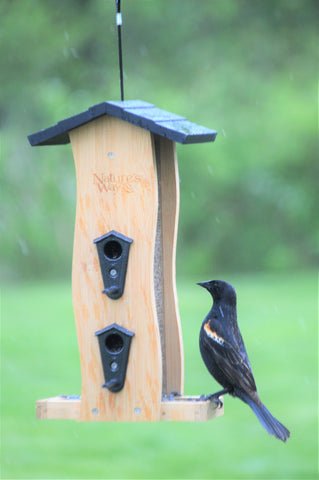
Choosing a squirrel-resistant feeder is a smart move if you want to protect your birdseed and enjoy watching birds without constant interruptions from squirrels. These feeders come with special features designed to keep squirrels at bay while still being accessible to your feathered friends.
Picking the right feeder means looking beyond just the price or style. You want one that truly makes it hard for squirrels to get their paws on the food, saving you time and money in the long run.
Design Features To Look For
Look for feeders with built-in squirrel baffles—those dome or cone-shaped guards prevent squirrels from climbing down to the seed. A feeder that closes access ports under a squirrel’s weight is another clever design. This means when a squirrel tries to get on, the feeder shuts off access to the food.
Feeders with weight-sensitive perches help because birds are much lighter than squirrels. You want a design that lets birds feed comfortably but senses a squirrel and blocks access. Also, consider feeders that hang from thin wires or have flexible, spinning perches. These features make it tricky for squirrels to balance and stay on.
Materials That Deter Squirrels
Choosing feeders made from tough, chew-proof materials like metal or heavy-duty plastic can keep squirrels from gnawing their way in. I once had a wooden feeder that squirrels destroyed in a week—switching to a metal one made a huge difference.
Some feeders use slippery finishes or coatings that make it hard for squirrels to grip and climb. Stainless steel is a great choice because it’s durable and resistant to chewing. You might also find feeders with smooth, rounded surfaces that don’t give squirrels a good hold.
Have you noticed which feeders hold up best in your yard? Picking the right design and material can save you from constant battles with squirrels and keep your bird feeder a peaceful spot for birds.
Placement Strategies To Keep Squirrels Away
Placement of bird feeders plays a big role in stopping squirrels from raiding them. Smart positioning can make feeders harder for squirrels to reach. This keeps birds safe and food available for them. Using natural surroundings also helps create barriers that squirrels avoid. These strategies work well together to protect your feeders.
Optimal Feeder Locations
Place feeders at least 10 feet away from trees or structures. Squirrels can jump far, so distance matters. Avoid placing feeders near fences or walls they can climb. Hang feeders on poles with a baffle below to block climbing. Choose open areas where birds feel safe and squirrels struggle to reach.
Using Natural Barriers
Use thorny bushes or dense shrubs near feeders. These plants discourage squirrels from getting close. Position feeders above ground near tall grass or plants with sticky leaves. Avoid placing feeders near bird nests to keep birds calm. Natural barriers blend into your yard and help protect feeders quietly.
Physical Deterrents For Squirrels
Keeping squirrels away from your bird feeder can be a real challenge. Physical deterrents offer a hands-on way to protect your birdseed without harming the squirrels. These tools make it harder for squirrels to reach the food, letting your feathered friends enjoy their meals peacefully.
Baffles And Guards
Baffles are barriers designed to block squirrels from climbing up to your bird feeder. They often look like domes or cones made of metal or plastic. Installing a baffle on the pole or hanging wire can stop squirrels from getting close enough to grab the seeds.
Guards work similarly by covering parts of the feeder or the pole. Some come with slippery coatings that squirrels can’t grip. Have you tried adding a baffle and noticed fewer squirrel raids on your feeder? Many bird lovers find this simple addition changes the game entirely.
Spinning And Moving Feeders
Feeders that spin or move when squirrels land on them can discourage these persistent visitors. The sudden motion surprises squirrels and makes it difficult for them to stay put. You can find feeders designed to tilt or swivel under the weight of a squirrel.
These feeders often use balanced mechanisms that only activate with heavier weights. Birds, being lighter, can feed without triggering the movement. Have you observed how squirrels quickly give up when the feeder starts spinning? It’s an effective way to keep your bird feeder squirrel-free and your garden peaceful.
Feeding Alternatives To Distract Squirrels
Offering feeding alternatives can help keep squirrels away from your bird feeder. Squirrels love to eat, so giving them their own food spot reduces their interest in bird seeds. This way, birds can feed peacefully. Setting up a separate feeding area for squirrels is an easy and kind solution.
Setting Up Squirrel Feeders
Place squirrel feeders away from bird feeders. Use a sturdy platform or tray feeder. Fill it with foods squirrels enjoy. Make sure the feeder is easy for squirrels to reach but hard for birds to access. This helps keep birds safe from competition.
Choose a location near trees or bushes. Squirrels feel safer there. Keep the feeder clean to avoid mold or pests. Regularly check and refill to keep squirrels interested. This distracts them and reduces their visits to bird feeders.
Safe Foods For Squirrels
Offer foods that are healthy and safe for squirrels. Avoid anything salty or sugary. Good options include:
- Unsalted nuts like peanuts, walnuts, and almonds
- Sunflower seeds and pumpkin seeds
- Fresh fruits such as apples, berries, and grapes
- Vegetables like corn and carrots
Avoid giving squirrels bread or processed snacks. These can harm their health. Providing natural foods keeps squirrels happy and less likely to raid bird feeders.

Credit: www.yahoo.com
Maintenance Tips To Prevent Squirrel Damage
Keeping squirrels away from bird feeders requires ongoing care and attention. Simple maintenance steps help protect your feeder and keep birds safe. Regular upkeep also extends the life of your feeder and reduces squirrel damage.
Regular Cleaning Routines
Clean your bird feeder often to avoid mold and bacteria. Remove old seeds and debris that attract squirrels. Use warm water and mild soap for washing. Rinse well to remove any soap residue. Dry the feeder completely before refilling it. A clean feeder stays appealing to birds, not squirrels.
Inspecting For Damage
Check your feeder every week for signs of squirrel damage. Look for chewed holes, loose parts, or bent wires. Repair cracks or replace broken pieces quickly. Tighten screws and bolts to keep the feeder sturdy. Early fixes prevent squirrels from breaking in easily. Regular inspections keep your feeder safe and bird-friendly.
Natural Repellents And Homemade Remedies
Natural repellents and homemade remedies offer safe ways to keep squirrels away from bird feeders. These options protect birds without harming squirrels or the environment. Using common household items or plants, you can create effective barriers that squirrels dislike.
These solutions often rely on smells or tastes that squirrels avoid. They are easy to apply and can be refreshed regularly. Natural repellents blend well with your garden and do not involve chemicals.
Scent-based Deterrents
Squirrels have a strong sense of smell. Certain scents repel them naturally. Try these ideas to keep squirrels away:
- Sprinkle cayenne pepper or chili powder around the feeder. Birds do not mind the spice.
- Use garlic or onion powder near the feeder base. Squirrels dislike the smell.
- Place cotton balls soaked in peppermint or eucalyptus oil near the feeder. Refresh often.
- Mix ground coffee with birdseed. The bitter smell discourages squirrels.
These scents create an unpleasant area for squirrels. They will look for food elsewhere.
Plant-based Solutions
Certain plants naturally deter squirrels. Planting these near your feeder can help protect it:
- Lavender – Its strong smell keeps squirrels at bay and attracts birds.
- Mint – Squirrels dislike its scent, but it grows fast and spreads.
- Marigolds – Bright flowers with a smell squirrels avoid.
- Fritillaria – Its bulbs emit an odor that squirrels hate.
Using these plants creates a natural barrier around your feeder. They add color and fragrance to your yard while keeping squirrels away.
Frequently Asked Questions
How Can I Squirrel-proof My Bird Feeder Effectively?
Use squirrel baffles and place feeders away from jumping points. Opt for weight-sensitive feeders that close when squirrels land. Regularly clean feeders to avoid attracting squirrels with spilled seeds.
What Bird Feeder Types Prevent Squirrels Best?
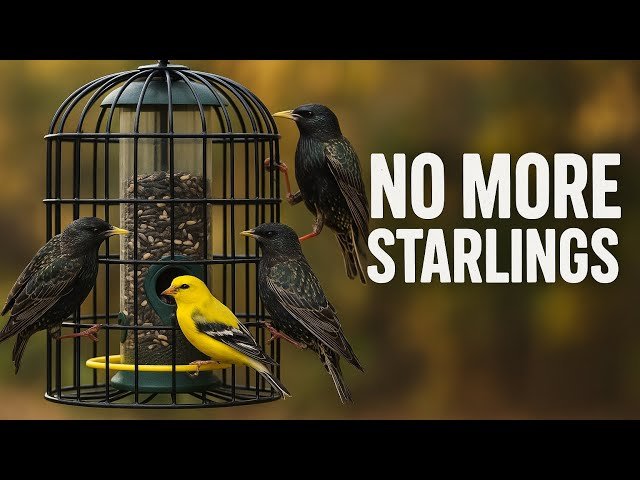
Weight-activated feeders and caged feeders work well. They close or block access when squirrels try to feed. Tube feeders with small perches also limit squirrel access.
Are Natural Deterrents Effective Against Squirrels?
Yes, sprinkling cayenne pepper or using garlic sprays can deter squirrels. These are safe for birds but unpleasant for squirrels. Reapply often after rain for continued effectiveness.
Where Should I Place Bird Feeders To Avoid Squirrels?
Place feeders at least 10 feet from trees and structures. Keep them 5 feet above the ground to reduce jumping access. Avoid hanging feeders near fences or wires squirrels can use.
Conclusion
Preventing squirrels from eating bird feeder seeds takes patience and smart steps. Use squirrel-proof feeders and place them carefully. Adding baffles or guards can help stop squirrels from climbing. Try different seed types that squirrels avoid. Keep the area clean to reduce squirrel attraction.
Enjoy watching birds without worrying about squirrels stealing food. Small changes make a big difference in protecting your bird feeder. Stay consistent with your efforts for best results. Your feathered friends will thank you with more visits.