Potty training an older dog in an apartment can feel like a big challenge. You might worry about accidents, limited space, or your dog’s habits.
But don’t worry—your dog can learn new routines at any age. With the right steps, patience, and a little strategy, you’ll create a cleaner, happier home for both of you. Keep reading to discover simple, effective tips that will make potty training your older dog easier than you ever thought possible.
Credit: www.chewy.com
Challenges Of Potty Training Older Dogs
Potty training an older dog in an apartment presents unique challenges. Older dogs may have habits set from previous homes. Apartments add layers of difficulty due to limited space and fewer outdoor options. Understanding these challenges helps create a better training plan.
Common Issues In Apartments
Space is often tight in apartments. Dogs may not have easy access to outdoor areas. Waiting for an elevator or walking through hallways can cause delays. These factors increase the chance of accidents inside.
Neighbors may complain about smells or noise. This adds pressure to keep the apartment clean. Frequent trips outside can be tiring for owners, leading to inconsistent routines. Consistency is key for successful potty training.
Behavioral Factors
Older dogs might resist change. They can associate new rules with stress or confusion. Past training habits may conflict with new apartment rules. Anxiety or fear can cause accidents inside.
Dogs might mark territory indoors, especially in unfamiliar places. This behavior is harder to break in older dogs. Patience and gentle correction are essential. Positive reinforcement encourages good habits.
Physical Limitations
Older dogs may have health issues affecting potty control. Conditions like arthritis or incontinence make training harder. They may need more frequent bathroom breaks.
Mobility problems can slow down trips outside. Owners must adapt schedules and provide easy access to potty areas. Monitoring health and consulting a vet is important during training.
Preparing Your Apartment For Training
Preparing your apartment for potty training is crucial, especially with an older dog who may have developed habits already. Setting up the right environment helps your dog understand where to go and reduces accidents. It’s about making the process clear and manageable for both of you.
Designating A Potty Area
Choose a specific spot in your apartment for your dog to use as a bathroom. This could be near a balcony, by a window, or in a corner with easy access. Consistency is key—your dog needs to associate this area with potty time.
Think about how often you can take your dog outside if you have balcony access or a nearby yard. If outside trips aren’t frequent, create a consistent indoor spot. Have you noticed your dog sniffing around a particular place? That might be a good sign to use that spot.
Using Puppy Pads Or Indoor Grass
Indoor potty options like puppy pads or artificial grass can be lifesavers in apartments. They provide a defined surface your dog can recognize and use regularly. Place them in the designated potty area and encourage your dog to use them after meals or naps.
Keep in mind that older dogs might take time to adjust to these new surfaces. Patience and positive reinforcement make a big difference here. Have you tried using scents or sprays that attract dogs to the pads? These can boost success.
Keeping Cleaning Supplies Handy
Accidents will happen, so keep cleaning supplies nearby for quick action. Use enzymatic cleaners designed to remove odors completely, preventing your dog from returning to the same spot. Store these supplies within easy reach, so you’re always ready.
Having everything on hand reduces stress for you and your dog. It also helps maintain a fresh and comfortable apartment. What cleaning products do you trust for pet messes, and how do you keep them organized?
Establishing A Consistent Schedule
Establishing a consistent schedule is key to potty training an older dog in an apartment. A regular routine helps your dog learn when and where to go. Consistency reduces accidents and builds good habits. It also makes your daily life easier and less stressful.
Feeding Times And Potty Breaks
Feed your dog at the same times every day. Regular feeding times create a predictable potty routine. After meals, take your dog outside or to the designated potty spot. Most dogs need to relieve themselves within 15 to 30 minutes after eating. Keep these times steady to help your dog understand when it is time to go.
Setting Reminders
Use alarms or phone reminders to keep your schedule on track. Set reminders for feeding and potty breaks throughout the day. This helps avoid missed potty trips and accidents. Consistent timing helps your dog feel secure and confident in the routine. Adjust reminders as you learn your dog’s natural potty rhythm.
Adjusting For Your Dog’s Needs
Each dog has unique needs and habits. Watch your dog closely and note any signs it needs to go. Puppies and older dogs may need more frequent breaks. Dogs with medical issues might require special care. Change your schedule based on your dog’s behavior and health. Flexibility with consistency ensures success in training.
Effective Training Techniques
Training an older dog to potty in an apartment requires patience and the right techniques. Older dogs may have habits that need gentle changing. Using effective training methods helps make the process smooth and stress-free for both you and your dog. Focus on clear communication and consistency. These techniques build trust and encourage good behavior.
Positive Reinforcement
Reward your dog immediately after they potty in the right spot. Use treats, praise, or gentle petting. This teaches your dog that good things happen when they go outside. Avoid punishment for accidents. Positive rewards motivate your dog to repeat good behavior. Keep rewards small and frequent at first. This helps your dog learn faster.
Crate Training Basics
Use a crate to help your dog hold their bladder. Make the crate a safe and comfortable space. Dogs usually avoid soiling their sleeping area. Start with short crate times and increase gradually. Take your dog outside right after leaving the crate. This routine helps your dog understand when to go potty. Never use the crate as punishment.
Handling Accidents Calmly
Accidents happen, especially with older dogs. Stay calm and avoid yelling or scolding. Clean the area well to remove odors. Use enzyme cleaners to prevent repeat accidents. Redirect your dog to the right spot calmly. Consistency and patience help your dog learn over time. Remember, gentle correction builds trust and confidence.
Encouraging Outdoor Potty Habits
Encouraging your older dog to potty outdoors in an apartment setting takes patience and consistency. Your dog needs clear signals and positive experiences to feel comfortable making the transition. You can create a routine that makes outdoor bathroom breaks both enjoyable and effective.
Leash Training For Bathroom Breaks
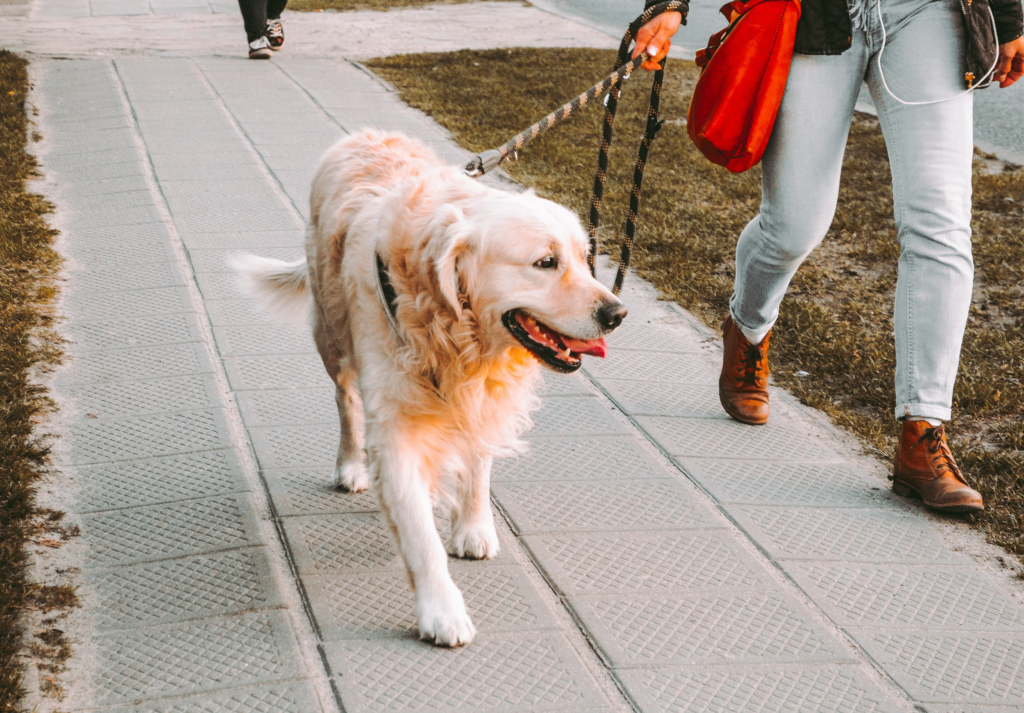
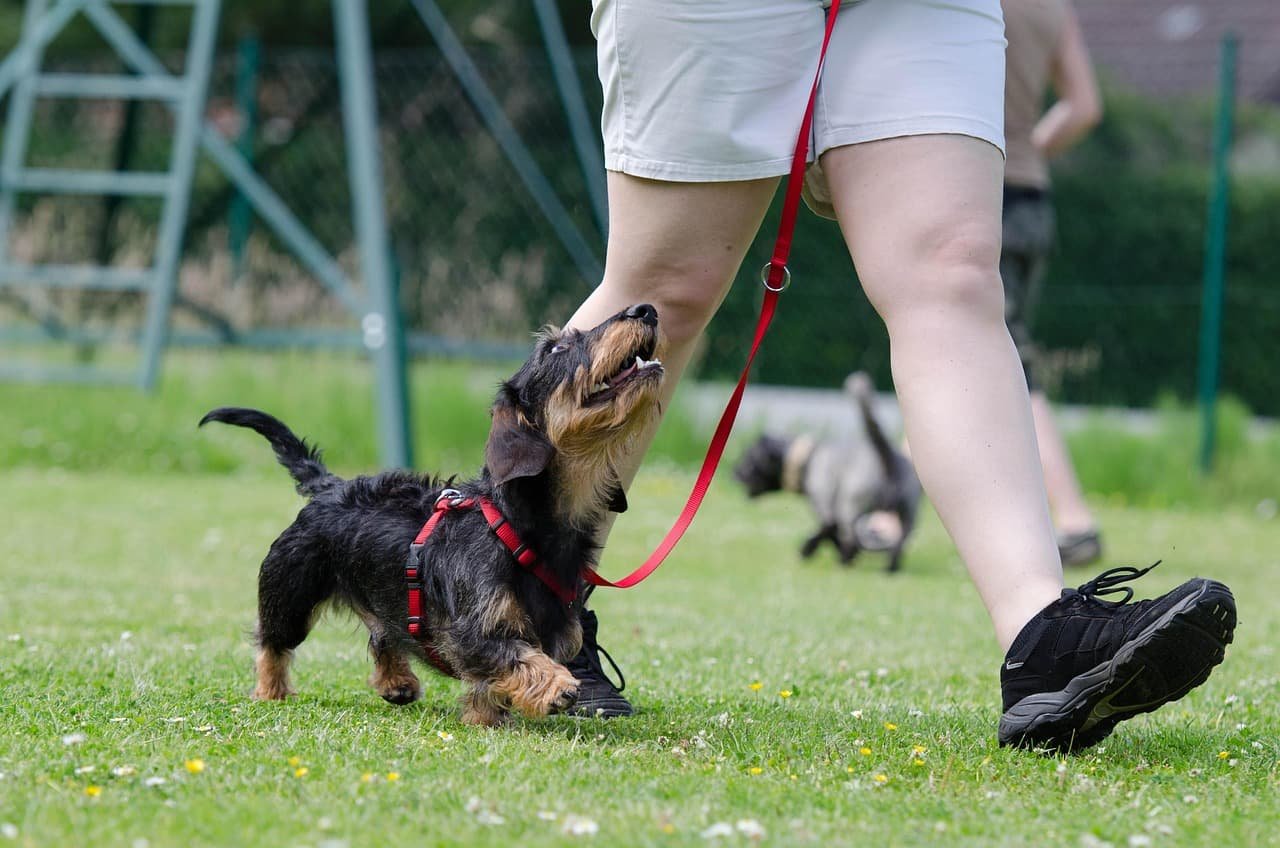
Using a leash during bathroom breaks helps your dog understand that it’s time to go outside for a specific purpose. Keep the leash on as you exit the apartment, so your dog doesn’t get distracted or confused.
Walk calmly to the potty spot without stopping to play or explore too much. This focused approach teaches your dog to associate the walk with bathroom time, not just a stroll.
Have you noticed how your dog’s behavior changes when on a leash? Use that attention to guide them patiently to the right spot.
Choosing Nearby Potty Spots
Select a potty spot close to your apartment to make bathroom breaks quick and consistent. The same location helps your dog recognize the area as the designated potty place.
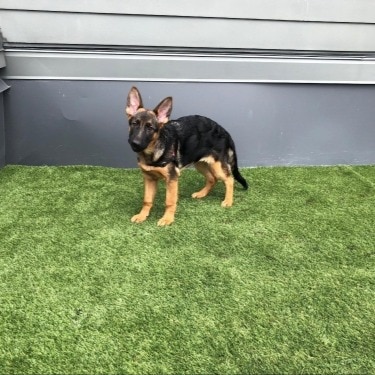
Look for quiet, low-traffic areas with some grass or dirt. If your apartment doesn’t have nearby green spaces, consider using a patch of artificial turf designed for dogs.
Think about your dog’s comfort and safety when picking the spot. Would you prefer a peaceful corner or a familiar path? Your choice can make a big difference in your dog’s willingness to go outdoors.
Rewarding Outdoor Success
Positive reinforcement is key to building lasting outdoor potty habits. Immediately after your dog finishes, offer praise, treats, or a favorite toy to mark the success.
Consistency is crucial—reward every successful outdoor potty session to help your dog connect the behavior with positive outcomes. Over time, they’ll look forward to these breaks.
Have you tried varying rewards to see what motivates your dog most? Sometimes a special treat or extra playtime can make all the difference.

Credit: naturesloo.com.au
Dealing With Setbacks
Potty training an older dog in an apartment can be rewarding but also challenging. Setbacks are a natural part of the process and don’t mean failure. How you respond to these moments will shape your dog’s progress and your patience.
Identifying Triggers
Understanding what causes your dog to have accidents is key. Is it anxiety from noise outside? A sudden change in routine? Or maybe certain smells in the apartment?
Watch your dog closely during and after accidents. Look for patterns like specific times of day or reactions to strangers or other pets. Sometimes, even subtle triggers like a new piece of furniture can unsettle your dog’s habits.
Adjusting Training Methods
If your current approach isn’t working, it’s okay to switch tactics. You might need to increase bathroom breaks or change the reward system to something more motivating.
Try using a clicker or extra praise when your dog goes outside. Some dogs respond better to gentle redirection rather than scolding. Ask yourself: Are you consistent with commands and timing? Consistency is often the missing piece.
When To Consult A Vet Or Trainer
If accidents persist despite your efforts, health issues could be at play. A vet check can rule out infections or bladder problems that make control difficult.
Professional trainers offer tailored advice, especially for older dogs with ingrained habits. Don’t hesitate to reach out if you feel stuck—sometimes an expert’s perspective makes all the difference.
Maintaining Long-term Success
Maintaining long-term success in potty training an older dog in an apartment requires ongoing attention and care. It’s not just about initial training; consistency and awareness play key roles in preventing accidents and ensuring your dog stays comfortable. Let’s explore practical ways to keep your dog on track day after day.
Regular Exercise And Stimulation
Exercise isn’t just good for your dog’s body—it helps regulate bathroom habits too. A tired dog is less likely to have accidents because regular walks give them consistent opportunities to relieve themselves outside.
Try to set a daily schedule for walks, playtime, and mental stimulation. Puzzle toys or simple training games can keep your dog’s mind busy, reducing anxiety that sometimes leads to indoor accidents.
Monitoring Health Changes
Older dogs can develop health issues that affect their bathroom habits, like urinary tract infections or arthritis. Pay close attention if your dog suddenly starts having accidents after being reliably trained.
Keep a journal of any changes in behavior or frequency of accidents, and consult your vet if you notice anything unusual. Early detection helps you address problems before they impact your training progress.
Keeping A Routine
Dogs thrive on routine—especially in an apartment where their environment is limited. Feeding, walking, and bathroom breaks should happen at consistent times every day.
If you travel or have a change in schedule, try to maintain those core times as much as possible. This predictability reassures your dog and reduces the chances of indoor accidents.
Credit: www.hillspet.com
Frequently Asked Questions
How Long Does Potty Training An Older Dog Take?
Potty training an older dog usually takes 4 to 6 weeks. Consistency and patience are key. Regular bathroom breaks and positive reinforcement speed up learning.
Can I Potty Train An Older Dog In An Apartment?
Yes, potty training an older dog in an apartment is possible. Use indoor potty pads or schedule frequent outdoor trips. Consistent routines help dogs adjust quickly.
What Are The Best Potty Training Tools For Apartments?
Use puppy pads, crate training, and leash walks. Enzyme cleaners remove stains and odors. These tools create a clean, consistent environment for your dog.
How Do I Handle Accidents During Training?
Stay calm and avoid punishment. Clean accidents promptly with enzyme cleaner. Redirect your dog to the designated potty area. Positive reinforcement encourages proper behavior.
Conclusion
Training an older dog in an apartment is possible. Patience is key. Consistency helps build good habits. Reward your dog for progress. Create a routine they can follow. Watch for signs they need to go. Be patient with accidents. Use positive reinforcement for success.
A consistent potty area is helpful. Keep training sessions short and regular. Your dog will learn over time. Building trust is important. With time, your dog will adapt. Celebrate small victories together. Enjoy the bond you create. Potty training can strengthen your relationship.
Remember, patience and love work wonders. Happy training!