Potty training your German Shepherd dog can feel overwhelming, but it doesn’t have to be. Imagine a home where your furry friend knows exactly where to go, saving you from endless cleaning and frustration.
You want your dog to be well-behaved, happy, and confident. The good news? With the right steps, you can make potty training simple and effective. Keep reading to discover easy tips that will help you and your German Shepherd succeed together.
Preparing For Potty Training
Preparing for potty training your German Shepherd sets the foundation for success. This stage helps you organize everything needed before the training starts. Proper preparation makes the process smoother and less stressful for your dog.
German Shepherds are smart and eager to learn. They respond well to clear signals and consistent routines. The preparation phase focuses on creating the right environment and habits to guide your dog effectively.
Choosing The Right Supplies
Gathering the right supplies is essential for potty training. A few key items help you stay organized and support your dog’s learning.
- Durable puppy pads for indoor accidents
- Cleaning products safe for pets to remove odors
- A leash or harness for outdoor potty breaks
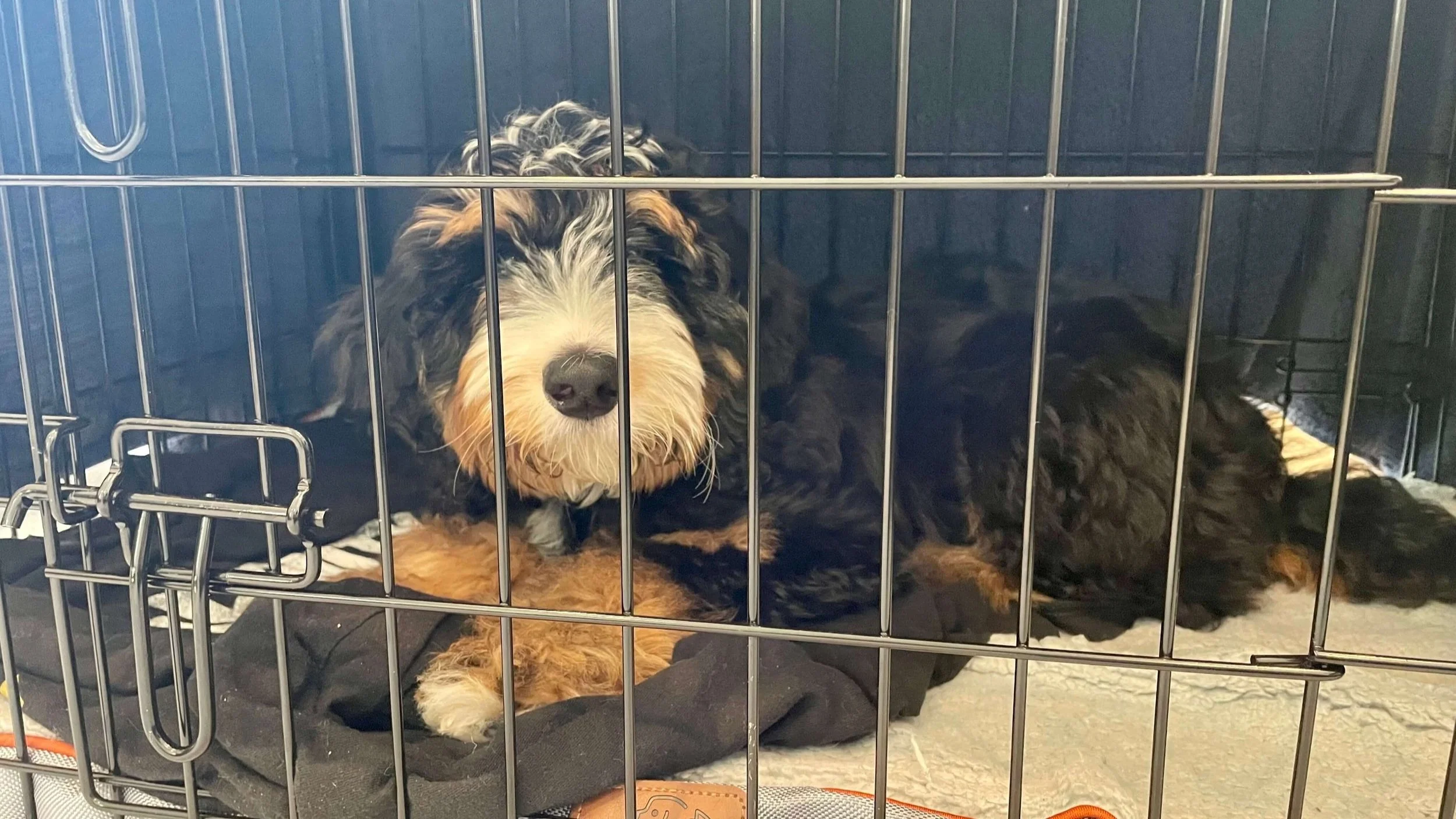
- A crate or playpen to limit your dog’s space
- Treats and rewards to encourage good behavior
Having these supplies ready keeps training efficient and positive.
Setting Up A Designated Area
Choose a spot where your German Shepherd will consistently go potty. This helps your dog learn faster by associating one place with bathroom time.
The area should be easy to clean and accessible. For outdoor training, pick a quiet, low-traffic space. For indoor training, use puppy pads in a corner away from food and water bowls.
Marking this spot with a scent or familiar items can help your dog recognize it quickly.
Establishing A Routine
Dogs thrive with routine. Set regular times for potty breaks throughout the day.
- Take your dog out first thing in the morning
- Offer potty breaks after meals and naps
- Use consistent commands like “go potty” to signal the time
- Stick to the same area for each break
Consistency builds your dog’s confidence and speeds up training.
Credit: www.youtube.com
Introducing Your German Shepherd To Potty Training
Introducing your German Shepherd to potty training sets the foundation for good habits. Early training helps your dog understand where to go. Consistency and patience are key during this phase. Start by observing your dog's natural behavior closely. This will guide you on when and how to begin training effectively.
Recognizing Signs Your Dog Needs To Go
Watch for common signals your German Shepherd shows before needing to potty. These signs include:
- Sniffing around the floor or corners
- Whining or pacing near the door
- Sudden restlessness or circling
- Squatting or lowering the body
Noticing these behaviors early helps you act quickly. Take your dog outside as soon as you see these signs. This reduces accidents and builds understanding.
Using Commands Effectively
Choose simple, clear commands to associate with potty time. Words like "Go potty" or "Bathroom" work well. Use the same phrase every time you take your dog out. Repeat the command calmly and confidently.
Timing is important. Say the command just before your dog starts to go. This links the word to the action in your dog's mind. Avoid changing commands to prevent confusion.
Positive Reinforcement Techniques
Reward your German Shepherd immediately after successful potty trips. Use treats, praise, or gentle petting. Positive feedback encourages your dog to repeat good behavior.
Keep rewards consistent and timely. Avoid punishment for accidents inside the house. Instead, clean up quietly and focus on praising outdoor success. This builds trust and motivation.
Common Challenges And Solutions
Potty training a German Shepherd can be challenging. Many owners face common problems that slow progress. Understanding these issues and using simple solutions helps your dog learn faster. Patience and consistency are key throughout the process.
Dealing With Accidents Indoors
Accidents happen during training. Never punish your dog for mistakes. Clean the area thoroughly to remove odors. Use enzymatic cleaners to stop your dog from returning to the same spot.
Watch for signs your dog needs to go out. Take them outside frequently, especially after meals and naps. Praise your dog immediately after they go outside. This creates a strong connection between going outside and rewards.
Handling Resistance Or Fear
Some German Shepherds may resist potty training or show fear. Avoid forcing your dog outside. Create a calm and positive environment instead. Use treats and gentle praise to encourage your dog.
Spend time near the potty area without pressure. Let your dog explore at their own pace. Gradually increase time spent outside. This builds confidence and reduces fear.
Adjusting Training For Puppies Vs Adults
Puppies need shorter, more frequent potty breaks. Their bladders are small and control is limited. Use a consistent schedule and watch closely for signals.
Adult dogs may have bad habits or anxiety. Be patient and consistent with new routines. Reinforce good behavior with rewards and praise. Older dogs learn slower but can succeed with steady training.

Credit: www.youtube.com
Maintaining Good Habits Long-term
Keeping your German Shepherd’s potty training on track over the long term demands more than just the initial effort. Good habits can slip if you're not careful, leading to frustration for both you and your dog. It’s about creating a reliable routine that fits your life and your dog’s needs while staying attentive to changes along the way.
Consistency In Schedule
Your German Shepherd thrives on routine, so sticking to a consistent potty schedule is crucial. Feeding, walks, and bathroom breaks should happen around the same times each day. This predictability helps your dog understand when and where to go, reducing accidents.
Think about your daily routine—can you set alarms or reminders to maintain these times even on busy days? Consistency isn’t just about timing; it’s also about location. Always take your dog to the same spot to relieve themselves, so they associate that place with bathroom time.
Gradually Increasing Freedom
Once your dog masters potty training, you might be tempted to give them unrestricted access to the house immediately. Resist that urge. Instead, increase their freedom bit by bit, watching their behavior closely.
Start by allowing access to one or two additional rooms, then slowly expand as they prove trustworthy. This approach prevents accidents and reinforces good habits. Have you noticed any particular rooms or areas that trigger accidents? Use that insight to guide your gradual expansion.
Monitoring Health And Behavior
Changes in your German Shepherd’s bathroom habits can signal health issues. Keep an eye out for sudden increases in accidents, straining, or unusual urgency. These can be signs of infections or other medical problems.
Behavioral changes, like stress or anxiety, can also affect potty habits. If your dog seems unsettled or has new triggers, address those underlying issues promptly. Are you regularly checking your dog’s health with your vet? Regular visits can catch problems before they affect training progress.
Additional Tips For Success
Success in potty training a German Shepherd often needs more than just basics. Extra care and smart strategies help your dog learn faster. These tips make the process smoother and less stressful. They support good habits and help avoid accidents.
Using Crate Training
Crate training helps your German Shepherd feel safe. Dogs avoid soiling their sleeping space. Use a crate that fits your dog well. Take your dog outside right after crate time. Never leave your dog too long in the crate. This method builds control and routine.
Incorporating Exercise And Play
Exercise reduces your dog’s stress and restlessness. A tired dog learns better and stays calm. Playtime keeps training fun and rewarding. Take breaks for short walks or games. This also helps your dog associate going outside with fun activities.
When To Seek Professional Help
Some dogs struggle more with potty training. Watch for repeated accidents or fear around training. A trainer or vet can find hidden issues. Get help if your dog seems confused or scared. Early support makes training easier for both of you.

Credit: greensafaris.com
Frequently Asked Questions
How Long Does Potty Training Take For German Shepherds?
Potty training a German Shepherd usually takes 4 to 6 weeks. Consistency and positive reinforcement speed up the process. Patience is key to successful training.
What Is The Best Age To Start Potty Training?
Start potty training as early as 8 weeks old. Puppies learn faster at a young age. Early training establishes good bathroom habits.
How Often Should I Take My German Shepherd Outside?
Take your dog outside every 2 hours during the day. Also, after meals, playtime, and naps. Frequent breaks prevent accidents and build routine.
What Are Common Potty Training Mistakes To Avoid?
Avoid punishment, inconsistent schedules, and ignoring signs of needing to go. These mistakes confuse your dog and delay training success.
Conclusion
Potty training a German Shepherd takes patience and consistency. Stay calm and positive. Keep a regular schedule to help them learn fast. Celebrate their success with treats and praise. Accidents happen, so be patient. Clean up messes quickly to avoid repeat mistakes.
Use clear commands like "go potty" every time. This helps them associate words with actions. Consistency is key for success. Remember, every dog learns at their own pace. Enjoy the bonding time during training. Your efforts will lead to a well-trained companion.
Trust the process, and you'll see great results. Happy training!