Are you looking to provide the healthiest meals for your dog without spending hours every day preparing food? Making raw dog food in bulk can save you time, money, and stress while ensuring your furry friend gets the nutrition they deserve.
In this guide, you’ll discover simple steps to create balanced, fresh meals that keep your dog happy and healthy. Keep reading, and you’ll learn how easy it is to take control of your dog’s diet and enjoy the peace of mind that comes with feeding them the best.

Credit: www.k9sovercoffee.com
Benefits Of Raw Dog Food
Feeding your dog raw food can be a healthy choice. Many pet owners report improvements in their dog's health. Let's explore some benefits of raw dog food.
Raw dog food can lead to better health and vitality. Here are some key advantages of switching to a raw diet for your furry friend.
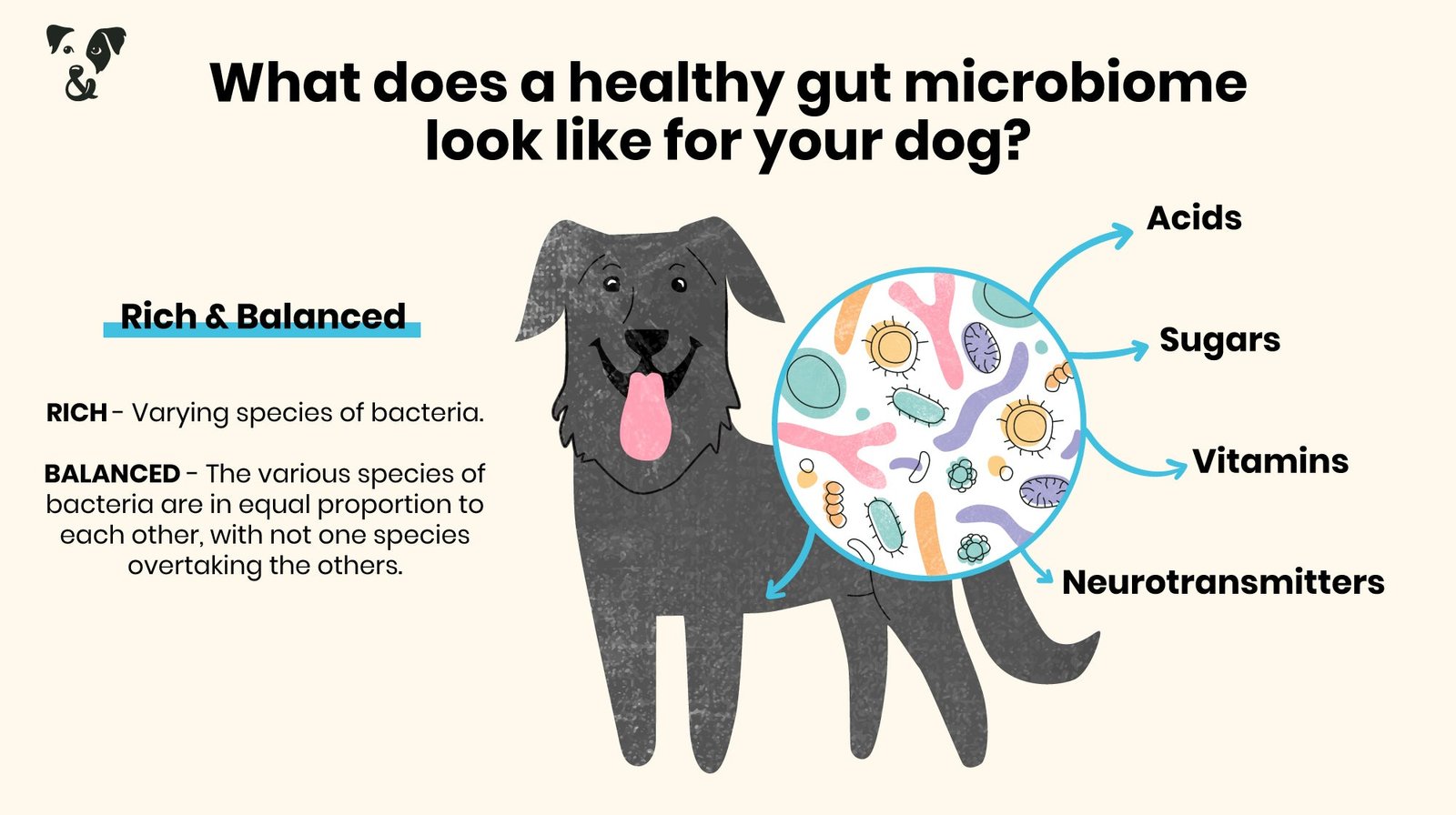
Improved Health And Digestion
Raw food is easier for dogs to digest. It contains natural enzymes that help break down food. This can lead to fewer digestive issues.
Dogs on a raw diet often have firmer stools. This is because they absorb more nutrients from their food.
- Reduces bloating and gas
- Supports a healthier gut
- Less frequent stomach upsets
Better Coat And Skin
Dogs on raw food diets often have shinier coats. Natural oils in raw meat can improve skin health.
Raw diets can reduce skin allergies. Dogs may scratch less and have fewer skin issues.
- Shinier and softer fur
- Fewer skin irritations
- Less shedding
Increased Energy Levels
Raw food provides natural energy for dogs. They may feel more active and playful after meals.
Dogs on raw diets often have a better overall mood. They may seem happier and more alert.
- Improved stamina
- More playful behavior
- Better mental sharpness
Essential Ingredients For Raw Meals
Making raw dog food in bulk needs the right ingredients. These ingredients give your dog the nutrients it needs.
Choosing good proteins, fresh vegetables, and the right supplements helps keep your dog healthy.
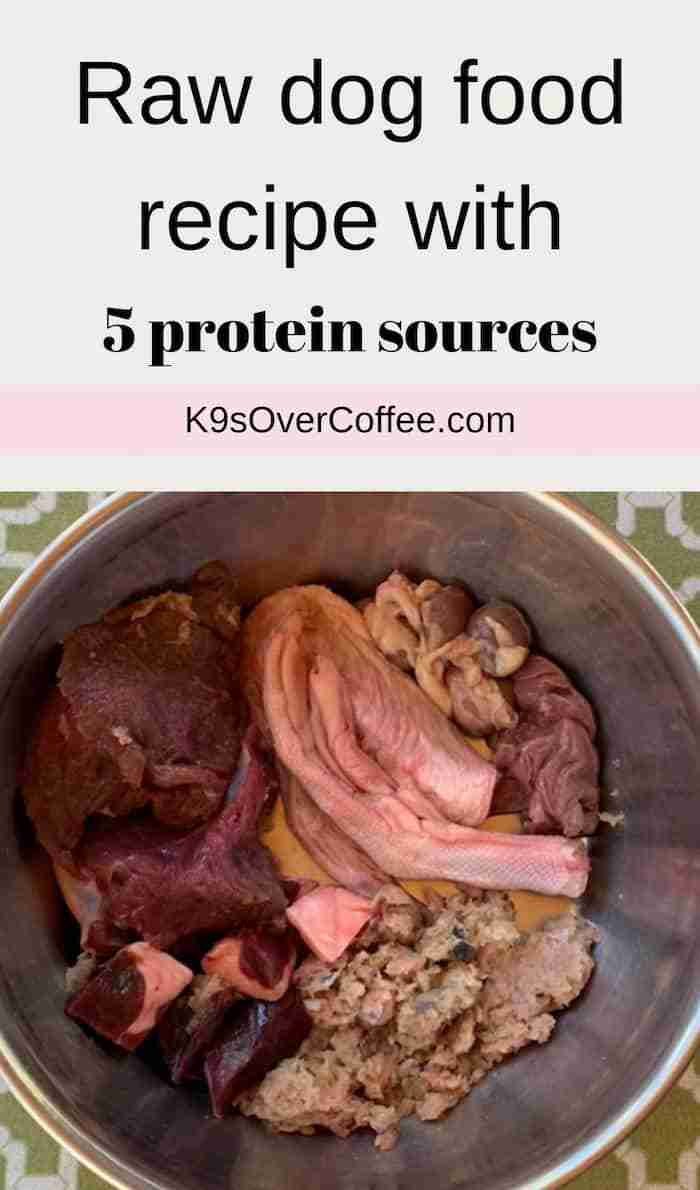
Choosing Quality Proteins
Protein is the main part of a raw dog meal. It helps build muscles and keeps your dog strong.
Pick fresh meat like chicken, beef, or turkey. Raw meaty bones are also good for calcium.
- Chicken thighs or wings
- Beef cuts with some fat
- Turkey necks or drumsticks
- Fish like salmon or sardines
- Raw meaty bones for calcium
Incorporating Vegetables And Fruits
Vegetables and fruits add vitamins and fiber. They help your dog digest food well.
Use finely chopped or pureed veggies like carrots and spinach. Add fruits like apples in small amounts.
- Carrots
- Spinach
- Broccoli
- Green beans
- Apples (no seeds)
- Blueberries
Adding Supplements And Oils
Supplements fill in nutrition gaps. Oils add healthy fats for a shiny coat and good energy.
Common supplements include fish oil, vitamin E, and bone meal powder. Add oils like flaxseed or olive oil.
- Fish oil for omega-3
- Vitamin E powder
- Bone meal for minerals
- Flaxseed oil
- Olive oil
Equipment Needed For Bulk Preparation
Making raw dog food in bulk saves time and money. You need the right tools to prepare large amounts safely and efficiently.
This guide covers three key equipment types for bulk preparation: storage containers, food processors and mixers, freezers and labeling tools.
Storage Containers
Good storage containers keep raw dog food fresh and prevent contamination. Choose containers that are easy to clean and seal tightly.
Use containers made from food-safe materials like BPA-free plastic or glass. They should fit your freezer and fridge space well.
- Choose airtight lids to stop spills and odors.
- Pick sizes that match serving portions.
- Stackable containers save space.
- Label containers with date and contents.
Food Processors And Mixers
Food processors and mixers help blend ingredients evenly. They reduce preparation time and make large batches easier to handle.
Look for models with a strong motor and large capacity bowls. Stainless steel parts last longer and are easier to clean.
- Choose a processor with sharp blades for chopping meat and vegetables.
- Mixers help combine ingredients thoroughly.
- Check if attachments are dishwasher safe.
- Use a machine that matches your batch size needs.
Freezers And Labeling Tools
Freezers keep raw dog food safe for long periods. Use a freezer that holds enough food for your planned batches.
Labeling tools help track the contents and dates of each batch. Clear labels prevent feeding expired food to your dog.
- Choose a freezer with consistent temperature control.
- Use freezer-safe containers or bags to avoid freezer burn.
- Label each package with the preparation date.
- Use waterproof markers or printed labels for durability.

Credit: www.k9sovercoffee.com
Step-by-step Bulk Preparation Process
Making raw dog food in bulk saves time and keeps your pet's meals fresh. It also helps you control the ingredients and quality.
Follow these steps to prepare and store raw dog food safely and efficiently.
Planning And Measuring Ingredients
Start by deciding how much food you want to make. Plan a balanced mix of meat, bones, organs, and vegetables.
Use a kitchen scale to measure each ingredient accurately. This keeps the diet healthy and consistent.
- Choose fresh, high-quality meats and organs
- Include a variety of proteins like chicken, beef, or fish
- Measure vegetables like carrots and spinach finely chopped
- Keep the ratio of meat to bones around 80:10
- Add supplements if needed, like fish oil or vitamins
Mixing And Portioning
Combine all ingredients in a large clean bowl or container. Mix well to spread nutrients evenly.
Divide the mixture into daily portions based on your dog’s size and needs. Use containers or bags for each portion.
- Mix ingredients until fully blended
- Use measuring cups or a scale for portion size
- Label each portion with the date and contents
- Keep portions uniform for easy feeding
Packaging And Freezing
Package each portion in freezer-safe containers or bags. Remove air to prevent freezer burn and keep freshness.
Freeze the food quickly to maintain nutrients. Thaw each portion in the fridge before feeding your dog.
- Use BPA-free containers or heavy-duty freezer bags
- Press out as much air as possible before sealing
- Label packages with the preparation date
- Store packages flat for space-saving in the freezer
- Use frozen food within 3 months for best quality
Safety Tips For Handling Raw Food
Making raw dog food in bulk is a good way to save time. It is very important to handle raw food safely. Unsafe handling can cause illness for you and your dog.
Following safety tips helps keep food fresh and clean. It also stops harmful bacteria from spreading.
Maintaining Cleanliness
Always wash your hands with soap before and after handling raw food. Clean all surfaces and tools well to remove germs.
Use hot water and soap to wash knives, cutting boards, and bowls. Dry them with a clean towel or let them air dry.
- Wash hands for at least 20 seconds
- Clean surfaces before and after use
- Use separate tools for raw food and other items
Avoiding Cross-contamination
Keep raw food away from cooked food and other kitchen items. Use separate cutting boards and containers for raw meat.
Store raw dog food in sealed containers. Place these containers on the bottom shelf of the fridge to stop drips onto other food.
- Use different cutting boards for raw meat
- Keep raw food in sealed containers
- Store raw food on bottom fridge shelf
Proper Thawing Methods
Thaw raw dog food safely to stop bacteria from growing. Never thaw food at room temperature or in warm water.
Thaw food in the fridge overnight or use cold water in a sealed bag. You can also thaw food in the microwave if you cook it right away.
- Thaw in the fridge for slow, safe thawing
- Use cold water in sealed bags for faster thawing
- Microwave thaw only if cooking immediately
Customizing Meals For Different Dogs
Making raw dog food in bulk lets you feed your dog fresh meals. Each dog has unique needs. Customizing meals helps keep them healthy and happy.
You can change the food based on size, age, allergies, and taste. This guide helps you adjust meals for every dog.
Adjusting Portions By Size And Age
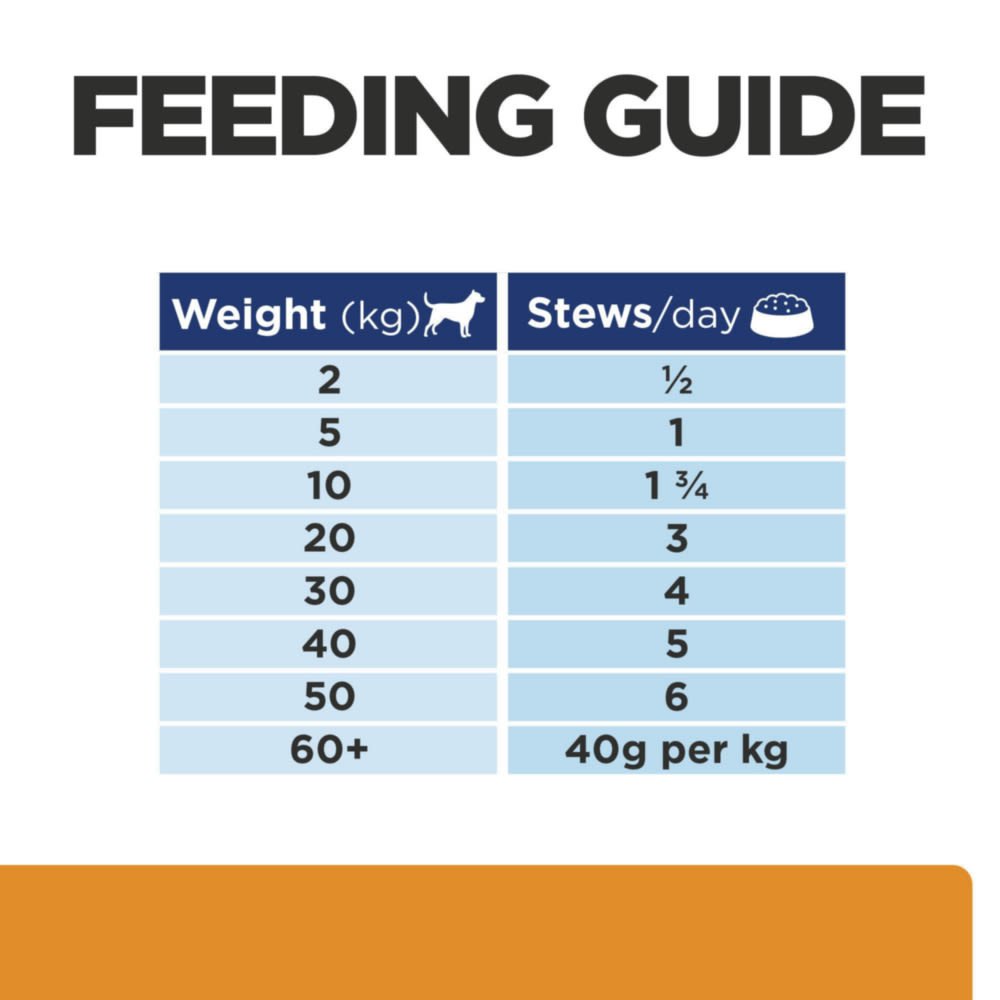
Small dogs eat less food than big dogs. Puppies need more calories to grow. Older dogs might need fewer calories.
Feed puppies 2-3 times a day. Adult dogs usually eat once or twice daily. Adjust portion sizes to avoid overfeeding.
- Small dogs: 1/4 to 1/2 cup per meal
- Medium dogs: 1/2 to 1 cup per meal
- Large dogs: 1 to 2 cups per meal
- Puppies: Increase portions by 25% to 50%
- Senior dogs: Reduce portions by 10% to 20%
Addressing Allergies And Sensitivities
Some dogs have allergies or sensitive stomachs. Common allergens include chicken, beef, and dairy. Watch for itching or upset stomach.
Use alternative proteins like turkey, rabbit, or fish. Avoid ingredients that cause reactions. Keep meals simple and fresh.
- Test new ingredients slowly
- Keep a food diary to track reactions
- Consult your vet for severe allergies
- Use hypoallergenic supplements if needed
Incorporating Variety
Dogs enjoy different tastes and textures. Vary protein sources and vegetables to keep meals interesting. This helps provide balanced nutrition.
Rotate meats like beef, chicken, and fish weekly. Add safe vegetables like carrots, spinach, and pumpkin. Avoid toxic foods like onions and grapes.
- Change proteins every 1-2 weeks
- Include different vegetables and fruits
- Add supplements like fish oil or bone meal
- Keep the base ratio of meat, bone, and organs consistent
Time-saving Tips For Busy Owners
Making raw dog food in bulk saves time and effort. It helps busy owners keep their pets healthy without daily cooking.
Planning and organizing are key to preparing large amounts quickly. Use smart strategies to make the process easier.
Batch Cooking Strategies
Batch cooking means making large amounts of dog food at once. You can freeze portions to use later.
Cook all ingredients together, then divide into meals. This saves time on washing and cooking each day.
- Prepare large meat batches in one go
- Mix vegetables and supplements in bulk
- Cook or blend all ingredients together
- Store meals in airtight containers or freezer bags
Using Pre-portioned Packs
Pre-portioning your dog food helps you grab meals quickly. It also keeps portions consistent and reduces waste.
Use small bags or containers for each meal. Label them with dates and ingredients to stay organized.
- Divide cooked food into single-serving packs
- Use freezer-safe bags or containers
- Label each pack with date and contents
- Thaw only what you need per feeding
Scheduling Preparation Days
Set specific days for cooking and preparing dog food. This habit keeps your schedule clear on other days.
Choose a day when you have extra time. Use it to shop, cook, and package meals for the week or month.
- Pick one or two days weekly for preparation
- Plan shopping and cooking on these days
- Clean and organize your kitchen before starting
- Freeze or refrigerate prepared food immediately

Credit: allrawdogfood.ca
Frequently Asked Questions
What Ingredients Are Essential For Raw Dog Food?
Essential ingredients include raw meat, organ meats, bones, and vegetables. These provide balanced nutrients for dogs’ health and energy.
How Do I Store Bulk Raw Dog Food Safely?
Store raw dog food in airtight containers. Freeze portions to maintain freshness and prevent bacterial growth for up to three months.
Can I Prepare Raw Dog Food For Multiple Dogs?
Yes, adjust ingredient amounts based on each dog’s size and dietary needs. Bulk preparation saves time and ensures consistent nutrition.
How Often Should I Feed My Dog Raw Food?
Feed raw food once or twice daily. Portion sizes depend on your dog’s weight, age, and activity level for optimal health.
Conclusion
Making raw dog food in bulk saves time and money. It helps keep your dog’s diet fresh and healthy. Planning meals ahead ensures balanced nutrition every day. Store the food safely to keep it fresh longer. Regularly check your dog’s health and adjust meals as needed.
Preparing food at home lets you control ingredients and quality. Start simple, then improve your recipes over time. Enjoy feeding your dog with homemade, natural meals.