
If you want a comfortable, strong, and unique harness for your dog, making one yourself with rope is a great idea. Not only will you save money, but you’ll also create something tailored perfectly to your dog’s size and personality.
Imagine the pride you’ll feel when your dog wears a harness you crafted with your own hands. In this guide, you’ll discover simple steps to turn ordinary rope into a durable, stylish harness your dog will love. Keep reading, and by the end, you’ll have the skills to make a harness that stands out and keeps your furry friend safe.
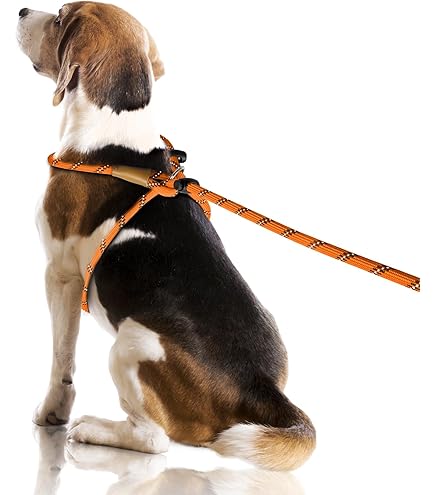
Credit: www.amazon.com
Choosing The Right Rope
Choosing the right rope for your dog's harness is important for safety and comfort. The rope must be strong enough to hold your dog but soft enough to avoid hurting their skin. Picking the correct rope helps make a harness that lasts and feels good for your dog.
Types Of Rope For Durability
Durable ropes resist wear and tear from pulling and outdoor use. Common strong ropes include:
- Nylon rope: Tough and weather-resistant.
- Polyester rope: Good for wet conditions and abrasion-resistant.
- Polypropylene rope: Lightweight but less durable than nylon.
Choose ropes designed for heavy use to keep your dog safe.
Rope Thickness And Comfort
The thickness of the rope affects comfort and control. Thin ropes may cut into your dog's skin. Thick ropes provide more padding but can be heavy. A rope between 6mm and 10mm thick usually works well for most dogs. Test the rope by feeling its softness and flexibility before making a harness.
Materials Safe For Dogs
Not all rope materials are safe for dogs. Avoid ropes treated with harmful chemicals or dyes. Natural fibers like cotton are soft but may wear out quickly. Synthetic fibers like nylon and polyester are safe and durable. Make sure the rope does not fray easily to prevent choking hazards. Always choose ropes labeled as pet-safe or non-toxic.
Measuring Your Dog
Measuring your dog correctly is the foundation for making a rope harness that fits comfortably and functions safely. Skipping this step or guessing sizes can lead to a harness that's either too tight or too loose, causing discomfort or even allowing your dog to slip free. Taking precise measurements helps you tailor the harness to your dog's unique shape, ensuring both security and ease of movement.
Neck And Chest Measurements
Start by measuring the neck where the collar usually sits. Use a flexible tape measure and keep it snug but not tight. You should be able to fit two fingers between the tape and your dog's neck to ensure comfort.
Next, measure the chest's widest part, typically right behind the front legs. This is the key measurement for the harness's main loop. Make sure your dog is standing and relaxed to get the most accurate measurement.
- Use a soft tape measure or a piece of string you can mark and then measure with a ruler.
- Record these measurements carefully; even small differences matter.
- Double-check by measuring twice to avoid errors.
Ensuring A Proper Fit
Once you have the neck and chest measurements, think about how your dog moves. The harness should be snug but allow free movement without chafing. If it’s too tight, your dog might resist wearing it; too loose and it won’t control your dog effectively.
Ask yourself: Can you easily slide two fingers under the harness once tied? This simple test often reveals if the fit is right. Remember that different breeds and coat types may affect how the rope feels against your dog’s skin.
Adjust your rope lengths based on these measurements and keep some extra slack for comfort. You want a balance between security and freedom. Taking the time to measure accurately will make your DIY harness a much better experience for both you and your dog.
Essential Tools And Supplies
Creating a rope harness for your dog needs the right tools and supplies. These items make the process safe and easy. Having everything ready helps you work smoothly and get a good result.
Rope Cutter And Lighter
Use a sharp rope cutter to cut the rope cleanly. A rough cut can cause fraying, which weakens the harness. After cutting, use a lighter to gently melt the rope ends. This stops the rope from unraveling and keeps it strong.
Measuring Tape
Accurate measurements are key for a well-fitting harness. Use a soft measuring tape to measure your dog’s neck, chest, and length. Write down these numbers to cut the rope to the right size. This ensures comfort and safety for your dog.
Safety Accessories
Safety accessories help protect both you and your dog during the making process. Wear gloves to avoid rope burns. Use a sturdy surface to work on. Keep scissors or cutters out of reach of pets and children. These small steps prevent accidents and make your work easier.

Credit: totalpet.com
Step-by-step Harness Construction
Building a rope harness for your dog can feel overwhelming at first, but breaking it down into simple parts makes the task manageable. Each section of the harness has a specific role in providing comfort and security to your pet. Focusing on one component at a time helps you craft a durable and well-fitting harness that your dog will love to wear.
Creating The Neck Loop
The neck loop is the foundation of your harness. Start by measuring your dog's neck circumference, allowing some extra space for comfort. Cut a length of rope that fits this measurement, then tie a secure knot to form a loop that slips easily over your dog’s head but won’t slip off.
Use a strong knot like a double overhand or figure-eight to prevent slipping. Test the loop by gently pulling on it—does it stay firm without tightening too much? This balance is key to keeping your dog safe without discomfort.
Forming The Chest Strap
The chest strap connects to the neck loop and wraps around your dog’s chest just behind the front legs. Measure this area carefully, as a snug but not tight fit is essential. Cut a second piece of rope to this length, adding a few extra inches for tying.
Attach one end of the chest strap to the neck loop using a secure knot. This strap helps distribute pulling force evenly, so make sure it's positioned correctly. Adjust and test the fit before moving forward to avoid any tight spots.
Connecting And Securing Knots
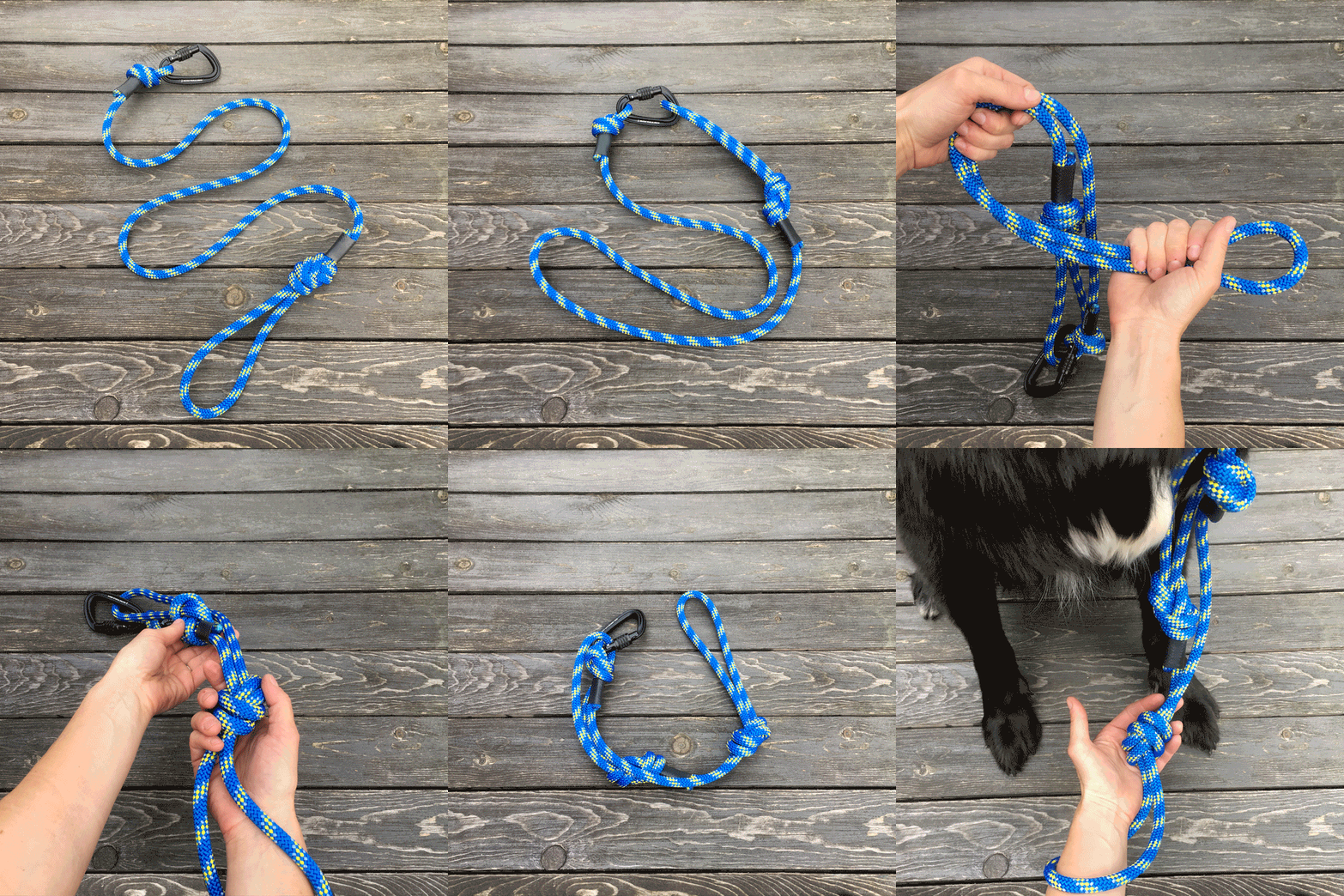
Now, link the neck loop and chest strap by tying them together at the sides, creating a stable frame that won’t shift during walks. Use strong, reliable knots such as the square knot or double fisherman's knot to keep everything in place.
Check every knot for tightness and durability—loose knots can cause accidents. Finally, trim any excess rope and seal the ends with heat or tape to prevent fraying. How confident do you feel that your dog’s harness will hold up on your next adventure?
Knot Techniques For Strength
Strong knots are the backbone of a reliable rope harness for your dog. Without solid knot techniques, the harness can loosen or fail, risking your pet's safety. Learning the right knots ensures your harness stays secure and comfortable during every walk.
Basic Knots To Know
Start with knots like the Square Knotand the Figure Eight Knot. The square knot is simple and effective for joining two ends of rope. It lies flat and holds well under steady tension.
The figure eight knot is excellent for creating a fixed loop. It won’t slip and is easy to untie after heavy use. These knots form a strong foundation for your harness.
Adjustable Knot Options
Adjustable knots let you customize the fit as your dog moves. The Sliding Knotand Prusik Knotare popular choices. They allow quick adjustments without untying the entire harness.
Using these knots means you can tighten or loosen the harness easily. This flexibility is handy for active dogs or when layering clothes underneath the harness.
Avoiding Slippage
Slippage can cause dangerous loosening. To prevent this, combine knots with friction hitchesor double your rope at critical points. Adding a backup knot after your main knot also increases security.
Have you checked your knots after a short walk? Even strong knots can loosen if not tied properly. Practice tying your knots and test them with a firm pull before trusting your dog’s safety to them.

Credit: www.reddit.com
Fitting And Adjustments
Getting the perfect fit for your dog’s rope harness is crucial for their comfort and safety. A harness that’s too tight can cause chafing, while one that’s too loose might let your dog slip out. Taking the time to test and adjust the harness ensures your furry friend stays secure without any discomfort.
Testing The Harness On Your Dog
Once you’ve tied the basic harness, gently place it on your dog. Watch how they react—are they relaxed, or do they seem uneasy? Let your dog move around a bit to see if the harness stays in place or shifts uncomfortably.
Check if the harness restricts movement, especially around the shoulders and chest. You want your dog to walk, run, and play freely without feeling trapped. If your dog pulls or scratches at the harness, it might need tweaking.
Making Size Modifications
If the harness feels too tight or too loose, it’s time to adjust the knots. You can slide the knots along the rope to increase or decrease the size. Remember to keep the adjustments symmetrical so the harness sits evenly on your dog.
- Loosen knots slightly if the harness pinches or rubs the skin.
- Tighten knots if the harness slips over the dog’s head or legs.
- Recheck the fit after each adjustment—small changes can make a big difference.
Consider using a tape measure to compare the harness size with your dog’s actual measurements. This helps avoid guesswork and ensures a more precise fit.
Checking For Comfort And Safety
Comfort means no red marks or irritated fur after your dog wears the harness for a while. Run your fingers along the rope to feel for any rough spots that might cause discomfort. Padding the rope in sensitive areas can make a big difference.
Safety means the harness won’t break or loosen unexpectedly. Tug gently on the rope to test its strength and the security of your knots. Could your dog easily slip out or chew through the rope? If yes, reinforce the weak spots or consider a sturdier material.
Ask yourself: Does the harness allow enough breathing room without being loose? Is it secure enough to keep your dog safe during walks? Your dog’s comfort and safety should always guide your final adjustments.
Maintenance And Care Tips
Proper maintenance keeps your dog’s rope harness safe and lasting longer. Caring for the harness ensures comfort and security during walks. Regular checks help spot problems before they become risks. Follow these simple steps to maintain your handmade harness.
Cleaning The Rope Harness
Wash the harness gently to avoid damage. Use mild soap and warm water for cleaning. Avoid harsh chemicals that weaken the rope fibers. Rinse thoroughly to remove all soap residue. Let the harness air dry completely before use. Avoid direct sunlight to prevent rope fading and weakening.
Inspecting For Wear And Tear
Check the harness often for signs of damage. Look for frayed or broken strands in the rope. Examine knots to ensure they are tight and secure. Inspect metal parts or clips for rust or bending. Replace any worn or damaged parts immediately. A damaged harness can cause accidents or escapes.
Storing Your Harness Properly
Store the harness in a cool, dry place after each use. Avoid damp areas that promote mold or mildew growth. Keep it away from sharp objects that can cut or fray the rope. Hang the harness or place it flat to maintain its shape. Proper storage extends the life of the harness and keeps it ready for use.
Safety Considerations
Creating a harness out of rope for your dog can be rewarding, but safety should always come first. A poorly made harness can cause discomfort or even injury. Paying close attention to safety considerations ensures your dog stays comfortable and secure during every walk.
Avoiding Common Hazards
Not all ropes are created equal—choose a soft, durable rope that won’t easily fray or cause chafing. Avoid ropes with rough textures or thin strands that can cut into your dog’s skin. Make sure knots are tight and won’t come undone during movement.
Consider your dog’s size and strength when selecting the rope thickness. A thin rope might snap under pressure, while a very thick one could be bulky and uncomfortable. Always test the harness for strength before using it outside.
When To Replace The Harness
Rope can wear down over time, especially if exposed to moisture or rough surfaces. Check your harness regularly for signs of fraying, weakening, or stretching. If you spot any damage, replace the harness immediately to avoid accidents.
Even if the rope looks fine, replace the harness if your dog’s size or behavior changes. A growing puppy or an energetic dog might need a sturdier or differently sized harness for safety. Don’t risk using a harness that no longer fits properly.
Monitoring Your Dog’s Reaction
Observe how your dog reacts when you first put on the rope harness. Look for signs of discomfort, such as excessive scratching, biting at the harness, or reluctance to move. These reactions can indicate that the harness is too tight, too loose, or causing irritation.
Ask yourself: Does your dog walk naturally or try to escape the harness? Your dog’s behavior tells you more than any size chart. Adjust the fit or materials if you notice any negative reactions to keep your pet happy and safe.
Frequently Asked Questions
How Do I Choose The Right Rope For A Dog Harness?
Select a strong, flexible rope like nylon or paracord. Ensure it is comfortable and safe for your dog’s size and weight. Avoid ropes that are rough or prone to fraying, as they can irritate your dog’s skin or break easily.
What Are The Basic Steps To Make A Rope Dog Harness?
Measure your dog’s chest and neck. Cut rope accordingly. Tie secure knots to create loops for neck and chest. Adjust for comfort. Test the harness for fit and durability before use.
How Can I Ensure The Harness Fits My Dog Properly?
Measure your dog’s chest and neck snugly but not tightly. The harness should be secure without restricting movement. Adjust knots or loops if needed. Always check that your dog can breathe and move comfortably.
Is A Homemade Rope Harness Safe For Daily Walks?
Yes, if made correctly with strong rope and secure knots. Regularly inspect for wear and tear. Replace the harness if the rope frays or knots loosen to ensure your dog’s safety during walks.
Conclusion
Making a rope harness for your dog is simple and cost-effective. It ensures your dog's safety during walks and adventures. You only need some rope and basic knot skills. With practice, creating a secure harness becomes easier. Always check the fit to keep your pet comfortable.
Plus, you can customize it to suit your dog's size and needs. Remember, a well-fitted harness supports your dog's movements. Happy crafting and enjoy your walks together!