
Are you tired of searching for the perfect dog harness that fits just right? What if you could create one yourself using something as simple as rope?
Making a dog harness out of rope is not only easy but also gives you full control over the size, comfort, and style. Imagine having a harness tailored perfectly for your furry friend, all while saving money and adding a personal touch.
Keep reading, and you'll discover step-by-step how to craft a safe, strong, and comfortable harness your dog will love.

Credit: www.reddit.com
Materials Needed
Gathering the right materials is the first step to make a durable dog harness from rope. Choosing quality supplies ensures safety and comfort for your pet. Prepare all items before starting the project to avoid interruptions.
Choosing The Right Rope
Select a rope that is strong and gentle on your dog’s skin. Look for materials like nylon or cotton that resist wear and tear. The rope should be thick enough to hold your dog securely but soft enough to prevent chafing.
- Length: At least 10 feet to allow for knots and adjustments
- Thickness: Around 1/4 to 1/2 inch for balance of strength and comfort
- Material: Nylon or cotton for durability and softness
- Color: Any color that you prefer or that matches your dog’s style
Additional Tools And Supplies
Gather a few tools to help make the harness safely and easily. These items will assist in measuring, cutting, and securing the rope parts.
- Scissors or a sharp knife to cut the rope cleanly
- Measuring tape to get accurate lengths
- Lighter or matches to seal rope ends and prevent fraying
- Metal or plastic rings for attaching the leash
- Optional: Needle and strong thread for extra reinforcement
Measuring Your Dog
Measuring your dog correctly is the first step to making a comfortable rope harness. A well-fitted harness ensures safety and freedom of movement. Take your time to get accurate measurements. Use a soft tape measure or a piece of string you can measure later.
Neck Measurement
Wrap the tape measure around the base of your dog's neck. This is where the collar usually sits. Leave a little space to avoid tightness. Write down the measurement in inches or centimeters. This size helps you create the neck loop of the harness.
Chest Measurement
Measure around the widest part of your dog’s chest. This is usually just behind the front legs. Make sure the tape is snug but not tight. The chest size determines the main loop of the harness. Accurate chest measurement prevents the harness from slipping off.
Adjusting For Comfort
Add about one to two inches to each measurement for comfort. This extra space allows your dog to move freely. Check that the harness is not too loose or too tight. You want a secure fit without restricting breathing. Test the fit by sliding two fingers under the harness loops.
Basic Knot Techniques
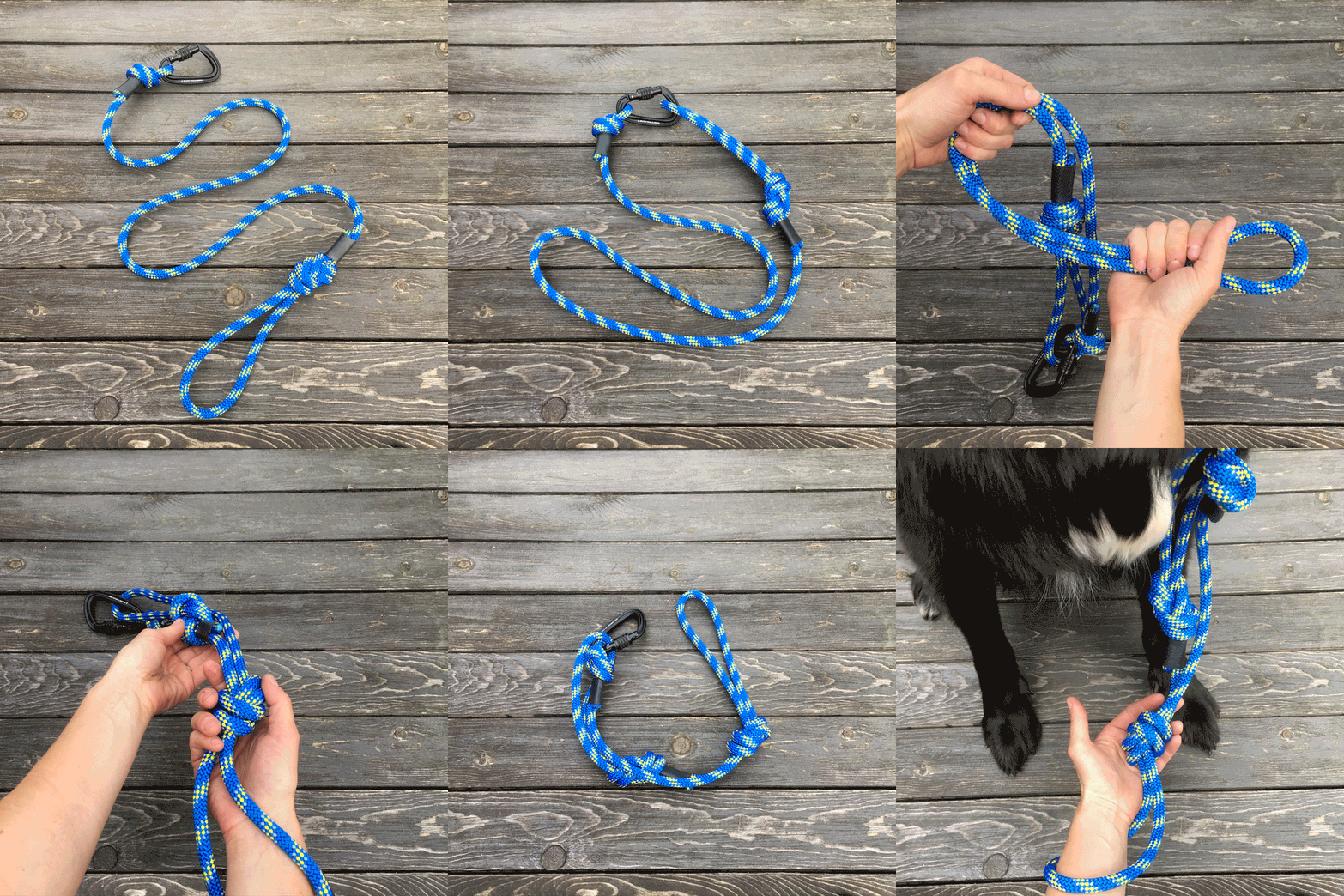
Mastering basic knot techniques is essential when making a dog harness out of rope. These knots secure the harness firmly while keeping your dog comfortable. Understanding how each knot works will help you adjust the fit quickly and safely.
Square Knot
The square knot is perfect for joining two ends of rope securely. It lies flat and doesn’t slip easily, making it ideal for harness loops. To tie it, cross the right end over the left, then the left end over the right, and pull tight.
If you’ve ever struggled with knots coming undone mid-walk, the square knot can save you from that hassle. It’s simple but reliable, especially when you want a neat finish.
Slip Knot
The slip knot creates an adjustable loop that tightens when pulled. This is useful for making quick size changes on your dog’s harness. You can easily loosen or tighten it without untying the entire harness.
Think about times when you needed to adjust your dog’s gear fast. A slip knot lets you do that smoothly, which is handy on busy walks or when your dog is moving around a lot.
Figure Eight Knot
The figure eight knot stops the rope from slipping through holes or loops. It creates a strong stopper knot that prevents the harness from loosening unexpectedly. This knot is also easy to untie after heavy use.
When your dog pulls suddenly, you want a knot that holds firm but doesn’t become impossible to undo. The figure eight knot strikes that balance, giving you control and convenience.
Step-by-step Harness Assembly
Assembling a dog harness from rope might seem tricky at first, but breaking it down into clear parts makes it manageable. You'll focus on three key areas: the neck loop, the chest strap, and securely connecting these straps. Each part plays a crucial role in ensuring the harness fits comfortably and safely on your dog.
Creating The Neck Loop
Start by measuring a length of rope that comfortably fits around your dog's neck with some extra room to tie knots. You want the loop snug but not tight, allowing two fingers to slip between the rope and your dog’s neck for comfort.
Form a simple loop and secure it with a strong knot, like a double overhand knot. This loop will act as the main collar part of the harness, so test its size by slipping it over your dog’s head before moving forward.
Forming The Chest Strap
Next, you’ll make the chest strap, which should run across your dog’s chest and connect the neck loop to the back. Measure the rope from under one side of the neck loop, across the chest, and under the other side.
Cut the rope to this length, allowing extra for knots. This strap distributes pressure evenly, preventing choking or discomfort during walks.
Connecting Straps Securely
Now, join the neck loop and chest strap together by tying firm knots at the connection points on both sides. Use knots that won’t slip under tension, such as the figure-eight knot or double fisherman's knot.
Double-check each knot’s security and adjust the fit by sliding the knots if needed. Remember, a well-connected harness keeps your dog safe and gives you control without causing harm.
Fitting And Adjusting The Harness
Fitting and adjusting a rope dog harness ensures your pet stays comfortable and secure. A well-fitted harness prevents chafing and allows freedom of movement. Proper adjustment also helps control your dog safely during walks.
Checking For Proper Fit
Start by placing the harness on your dog. Check if the rope lies flat against the body without twisting. The harness should sit snugly but not tight. You should fit two fingers between the rope and your dog's skin. Make sure the harness does not press on the throat or restrict breathing.
Observe your dog walking with the harness. Watch for any signs of discomfort or rubbing. The harness should stay in place without sliding or shifting. A good fit means your dog can move freely without slipping out.
Making Size Adjustments
Use knots or loops to adjust the rope length. Loosen knots to give more space or tighten them for a snugger fit. Adjust the harness in small steps and re-check the fit each time. Avoid making the harness too tight as it can cause pain or injury.
If the rope is too long, trim the excess after adjusting. Seal the ends to prevent fraying. Regularly check the fit as your dog grows or gains weight. Proper adjustments keep the harness safe and comfortable for long use.

Credit: www.amazon.com
Safety Tips
Making a dog harness out of rope is a creative and cost-effective way to keep your furry friend safe on walks. However, safety should always be your top priority. Using rope requires careful attention to detail to ensure the harness is secure, comfortable, and reliable.
Inspecting The Harness Regularly
Check your rope harness before every walk. Look closely for signs of fraying, wear, or stretching that could weaken the rope’s strength. Even small damage can cause the harness to break unexpectedly.
Test the knots and connections to make sure they haven’t loosened over time. Your dog’s movements can cause knots to shift, so retie them if they feel loose. Keeping a routine inspection habit can prevent accidents and keep your dog safe.
Avoiding Common Mistakes
Many first-time harness makers tie knots too tightly or leave them too loose. A tight knot might hurt your dog or restrict movement, while a loose one can slip off. Aim for a snug fit that allows some wiggle room without being loose enough to escape.
Don’t use slippery or weak rope types; opt for materials with good grip and durability like nylon or cotton blend ropes. Also, avoid complicated knot patterns that can be hard to untie in emergencies. Have you ever struggled with a tangled harness in the middle of a walk? Keep it simple to avoid that hassle.
Customizing Your Harness
Customizing your dog harness adds comfort and style. A well-fitted harness feels good on your dog. Personal touches make the harness unique. This section explains how to add padding and decorative options. These tips help create a harness your dog will enjoy wearing.
Adding Padding
Padding protects your dog’s skin from rope friction. Use soft materials like fleece or foam strips. Wrap padding around areas that touch the chest and neck. Secure padding with strong stitches or glue. Check the padding often to keep it in place. Padding reduces chafing and improves comfort during walks.
Decorative Options
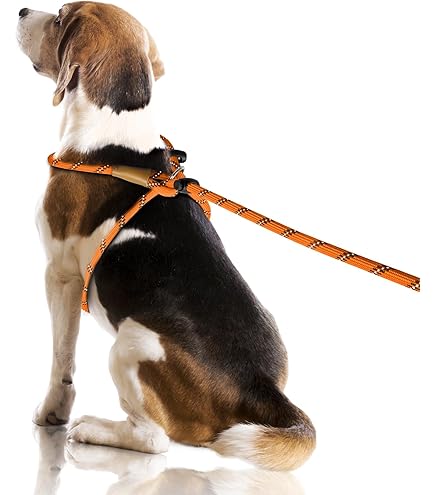
Decorations make the harness stand out. Use colored ropes or add beads and charms. Attach reflective tape for better visibility at night. Sew or glue fabric patches with fun designs. Keep decorations light to avoid discomfort. Custom decorations show your dog’s personality and style.
Credit: www.amazon.com
Frequently Asked Questions
How Do I Start Making A Dog Harness From Rope?
Begin by measuring your dog's chest and neck accurately. Cut a strong rope based on these sizes. Next, create loops and knots to form the harness shape. Follow a step-by-step guide to ensure safety and comfort.
What Type Of Rope Is Best For A Dog Harness?
Choose a durable, non-toxic, and flexible rope like nylon or cotton. It should be strong enough to support your dog’s weight. Avoid rough or slippery ropes to prevent chafing and slipping.
How Do I Ensure The Harness Fits My Dog Properly?
Measure your dog’s chest and neck before making the harness. The harness should be snug but not tight. Leave enough room for two fingers between the rope and skin to ensure comfort.
Can A Homemade Rope Harness Be Safe For Walking?
Yes, if made correctly with strong materials and proper knots. Always test the harness for strength and fit before regular use. Supervise your dog during walks to prevent accidents.
Conclusion
Crafting a dog harness from rope is simple and rewarding. It saves money and provides a custom fit for your pet. Follow the steps carefully for a safe harness. Remember to choose sturdy, soft rope to avoid discomfort. Double-check knots to ensure they hold well.
Practicing patience is key. Your dog deserves comfort and safety. A homemade harness offers both. Share your experience with friends who own dogs. They'll appreciate the handy tip. Enjoy your time with your furry friend, knowing they're secure and comfortable.
Happy crafting!