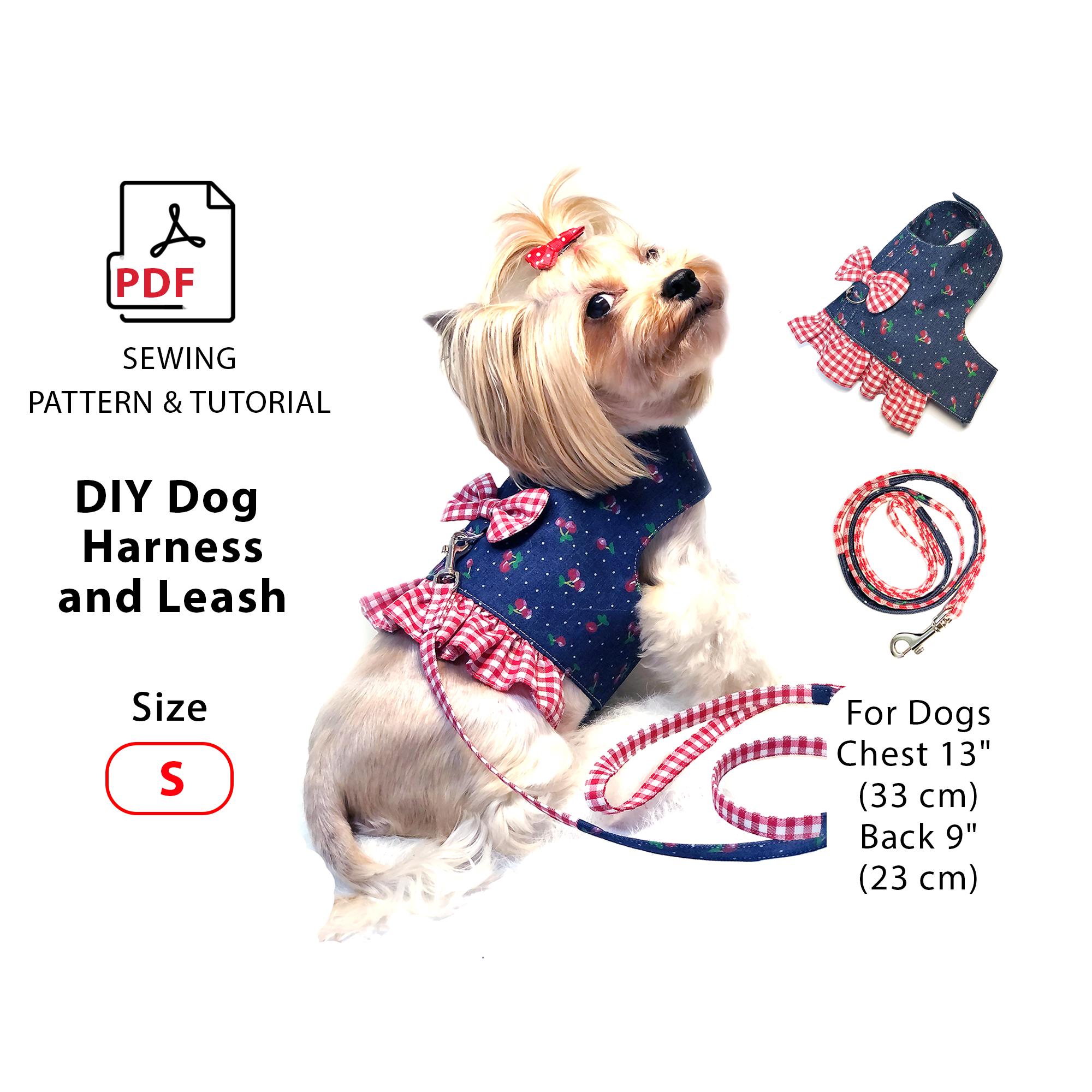
Looking to save money or in a pinch without a harness for your furry friend? You can transform an ordinary leash into a makeshift dog harness with ease.
No fancy tools or skills are required—just a bit of creativity and a few simple steps. Imagine the satisfaction of crafting something both practical and unique for your beloved pet. Plus, understanding how to adapt in situations like this can make your life as a dog owner so much easier.
Ready to dive into this handy trick and ensure your dog stays safe and comfortable during walks? Let’s get started!
Credit: www.etsy.com
Materials Needed
Before you start making a dog harness from a leash, it’s important to gather the right materials. The quality and type of these items will affect how safe and comfortable the harness is for your dog. Having everything ready will make the process smoother and more enjoyable.
Choosing The Right Leash
Not every leash is suitable for creating a harness. You want a leash that’s strong but flexible, usually made of nylon or leather. Avoid thin or retractable leashes because they can be too weak or complicated to work with.
Think about the size of your dog. A thick leash works well for larger breeds, while a thinner one might suit small dogs better. Also, check for a sturdy metal clasp or D-ring—it will be useful when adjusting or securing the harness.
Additional Supplies
Besides the leash, you’ll need a few basic tools to assemble the harness properly. Scissors or strong shears are necessary to cut the leash to the right length. A lighter or matches can help seal the cut edges if you use nylon to prevent fraying.
Consider having a measuring tape or ruler for accuracy. You might also want some strong thread and a needle if sewing is required for extra durability. If sewing isn’t your thing, strong adhesive tape or zip ties can sometimes substitute, but they may not be as reliable.
Measuring Your Dog
Measuring your dog correctly is vital before making a harness from a leash. Accurate measurements ensure the harness fits well and keeps your dog safe. Take your time to measure carefully for the best results.
Neck And Chest Size
Use a soft tape measure to find the neck size. Wrap it around the base of your dog's neck, where the collar usually sits. Do not pull too tight. Leave a little space for comfort.
Next, measure the chest size. Place the tape just behind your dog's front legs. Wrap it around the widest part of the chest. This measurement helps the harness fit snugly without being too tight.
Adjusting For Comfort
Allow extra space for movement and breathing. The harness should not squeeze or pinch the skin. You can test this by sliding two fingers under the harness straps. If you cannot fit two fingers, adjust the size.
Check the fit regularly as your dog moves. Adjust the harness as needed to avoid discomfort. A well-fitted harness prevents chafing and keeps your dog happy.
Step-by-step Harness Creation
Creating a dog harness from a leash is simple and practical. This guide walks through each stage clearly. Follow these clear steps to make a safe and comfortable harness for your dog.
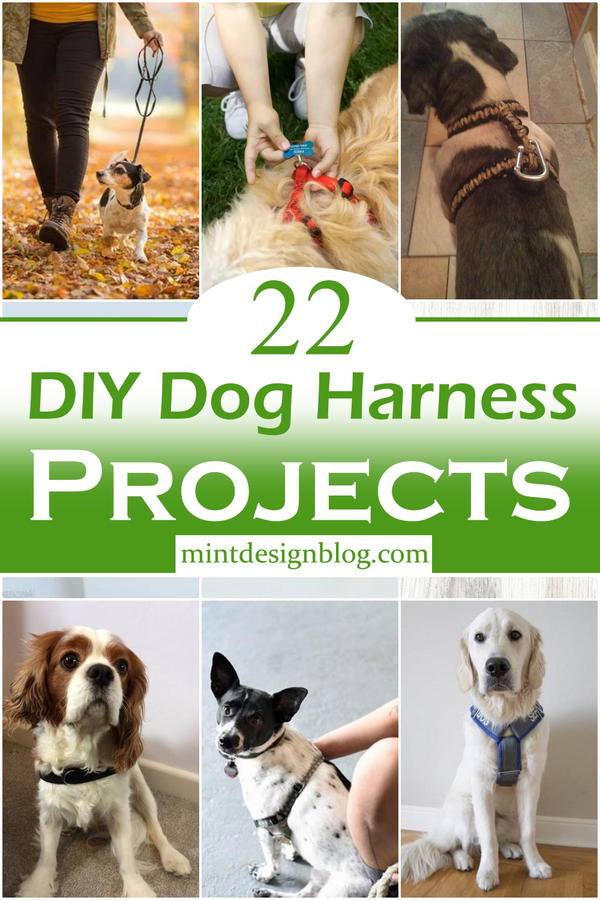
Preparing The Leash
Choose a strong, durable leash about 4 to 6 feet long. Clean it to remove dirt or grime. Lay it flat on a table for easy handling. Check the leash for any damage or weak spots. Cut off any extra parts like clips or handles if needed.
Forming The Neck Loop
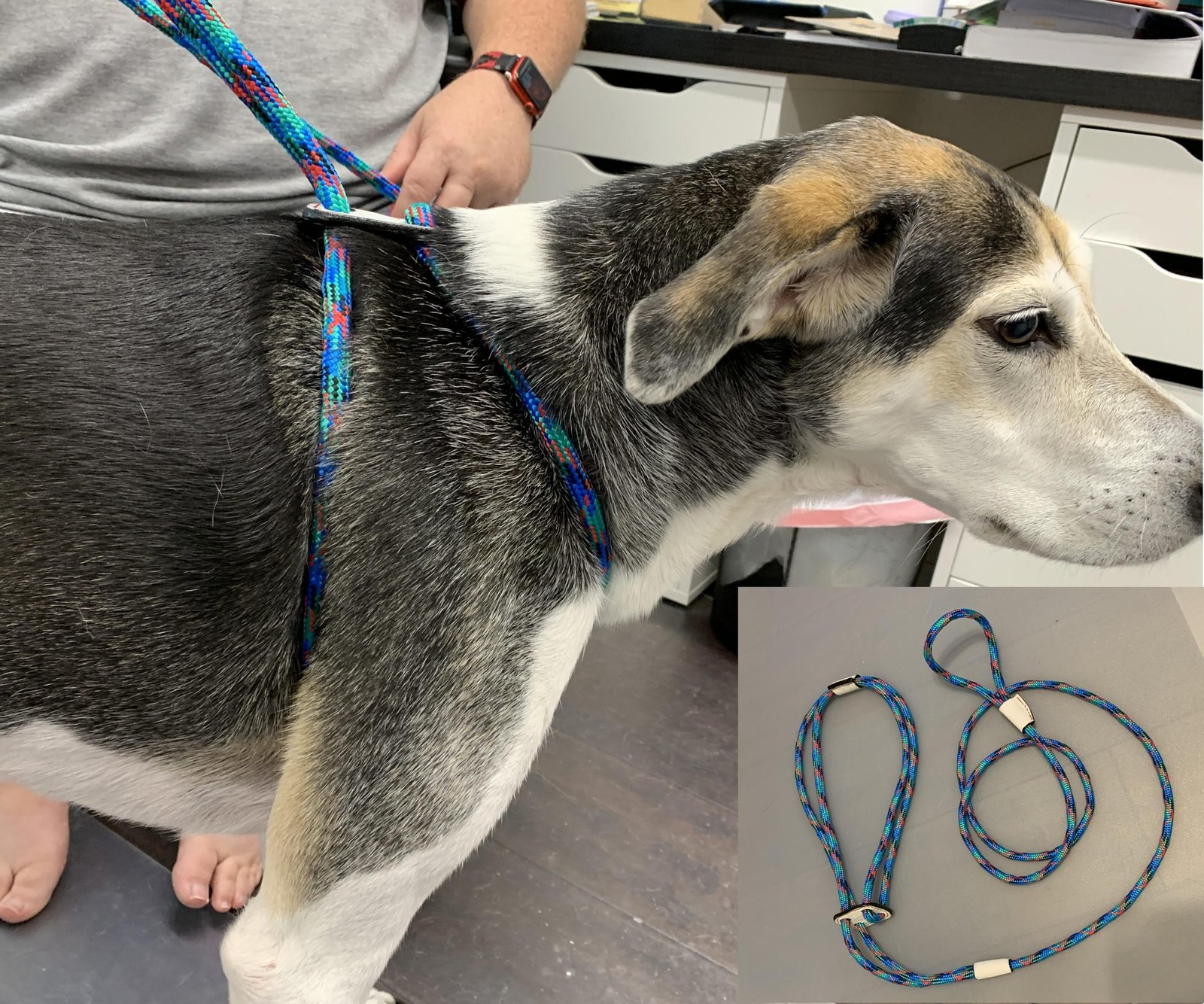
Make a loop that fits comfortably around your dog's neck. Leave enough room to slide two fingers between the loop and the neck. Hold the leash ends and form a circle. Use a secure knot or clip to keep this loop in place. Ensure it is snug but not tight.
Creating The Chest Strap
From the neck loop, extend the leash down the chest area. Wrap the leash around the dog’s chest just behind the front legs. Adjust the length so it fits well without restricting movement. Join the leash ends with a sturdy knot or buckle. This strap holds the harness firmly in place.
Securing The Harness
Double-check all knots and loops for tightness. Test the harness on your dog carefully. Watch for any slipping or discomfort. Adjust loops or knots as needed for a perfect fit. Attach the leash clip to the harness ring securely. Your harness is now ready for safe walks.
Credit: propelbikes.com
Fitting The Harness
Fitting the harness correctly is essential to keep your dog comfortable and secure. A leash turned harness needs careful adjustment to avoid rubbing or slipping. Paying attention to the fit ensures your pet enjoys walks without irritation or escape attempts.
Checking For Proper Fit
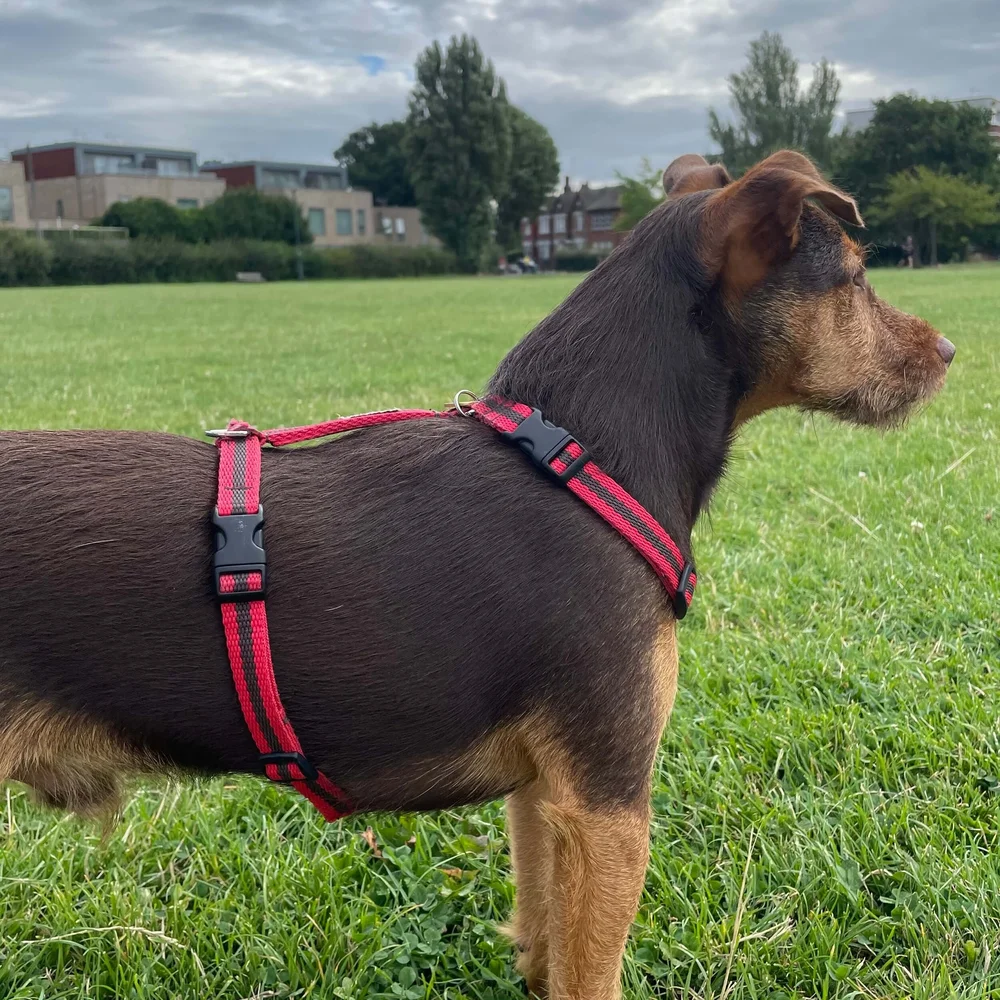
Start by placing the harness on your dog and observing how it sits. The harness should lie flat against your dog’s body without twisting or bunching. Check that it isn’t too tight—your dog should be able to fit two fingers comfortably between the harness and their skin.
Watch your dog move around. Does the harness shift or slide off easily? If it does, it’s not fitted correctly. Also, make sure the leash material doesn't press on sensitive areas like the throat or armpits.
Making Adjustments
Adjust the leash straps slowly to find a snug but comfortable fit. If your leash has buckles or sliders, use them to tighten or loosen sections evenly. Avoid pulling too tight on one side, which can cause discomfort or uneven pressure.
Observe your dog during a short walk and check for any signs of chafing or restriction. If you notice any, adjust the fit immediately. Remember, a harness should allow freedom of movement without compromising safety.
Safety Tips
Safety is the top priority when making a dog harness out of a leash. A well-made harness keeps your dog secure and comfortable. It also prevents injuries and escapes. Pay close attention to fit, material strength, and construction. Regular checks help maintain safety over time.
Avoiding Common Mistakes
- Do not use weak or worn-out leash material.
- Avoid loose knots or weak stitching points.
- Ensure the harness fits snugly but does not choke the dog.
- Check that buckles and clips are secure and strong.
- Do not use a leash too short to form a proper harness.
- Test the harness on your dog before going outside.
- Avoid harnesses that restrict movement or rub skin.
When To Replace The Harness
- Replace the harness if any material shows fraying or tearing.
- Swap it out if clips or buckles break or loosen.
- Change the harness if your dog outgrows it.
- Replace if the harness causes skin irritation or injury.
- Regularly inspect the harness every few weeks for wear.
- Replace immediately after any strong pull or accident.
Benefits Of A Diy Harness
Making a dog harness from a leash has many benefits. It saves money and lets you create a harness that fits your dog perfectly. A DIY harness also gives you control over the materials and design. This way, you can ensure safety and comfort for your pet without spending too much.
Cost Savings
Buying a new dog harness can be expensive. Using an old leash reduces costs since you reuse what you already have. This is especially helpful if your dog grows quickly or needs special sizes. You avoid frequent purchases and save money on shipping or store trips.
Customization Options
A DIY harness lets you adjust size and fit exactly for your dog. You can choose colors, patterns, and styles that match your taste. Adding extra padding or reflective strips is easy with your own materials. Custom features improve your dog’s comfort and safety during walks.
Credit: tncim.com
Frequently Asked Questions
How Do I Make A Dog Harness From A Leash?
To make a dog harness from a leash, use a sturdy leash, scissors, and a buckle or clip. Measure your dog’s size, cut the leash accordingly, and secure the ends with the buckle. Adjust for comfort and safety before use.
What Materials Are Needed To Create A Dog Harness?
You need a durable leash, scissors, a buckle or clip, and a measuring tape. Optional items include thread and needle for extra reinforcement. Choose materials that are strong and comfortable for your dog to ensure safety and durability.
Is A Diy Dog Harness Safe For My Pet?
A DIY harness can be safe if made correctly. Ensure the leash is strong, measurements are accurate, and buckles are secure. Test the harness for fit and comfort. Always supervise your dog when using homemade gear to prevent accidents.
Can Any Leash Be Used To Make A Harness?
Not all leashes are suitable. Use a leash made of strong, durable material like nylon or leather. Avoid thin or weak leashes, as they may break or cause discomfort. Quality is key for safety and longevity.
Conclusion
Making a dog harness from a leash saves money and time. You only need a few simple steps. This DIY harness fits your dog well and keeps them safe. You can customize it to your dog’s size and style. Always check the harness for comfort before walks.
This easy project helps you create something useful at home. Try it today and enjoy walks with your dog. Simple, quick, and practical. What are you waiting for?