If you’ve ever had a dog who seems to have mastered the art of escaping their crate, you know how frustrating—and worrying—it can be. You want your furry friend to be safe and comfortable, but if they keep finding ways out, it’s hard to relax.
The good news? You can make your dog’s crate escape proof with the right tips and tricks. In this post, you’ll discover simple, practical steps that will keep your dog secure without causing stress. Keep reading, and you’ll learn exactly how to create a safe space your dog won’t want—or be able—to break free from.
Credit: www.lillyandmax.com
Choose The Right Crate
Choosing the right crate is the foundation of making your dog’s space truly escape-proof. Not all crates offer the same level of security or comfort. Picking a crate that fits your dog’s needs and behavior can save you frustration and keep your furry friend safe.
Material Matters
The crate’s material plays a huge role in how secure it will be. Plastic crates are lightweight and cozy but might not hold up against a determined escape artist. Metal crates offer better durability and ventilation, but cheap metals can bend or break.
Think about your dog’s chewing habits and strength. If your dog loves to chew, a sturdy steel crate is a better choice than plastic or wire. You want a material that won’t give in easily to scratching, chewing, or pushing.
Size And Fit
Size isn’t just about comfort; it’s about control. A crate too big gives your dog room to move around and possibly exploit gaps. Too small, and your dog might feel cramped and stressed.
Measure your dog’s length and height, then add a few inches to each dimension. The crate should be big enough for your dog to stand up, turn around, and lie down comfortably—but not so big that it becomes a playground for escape attempts.
Door And Lock Types
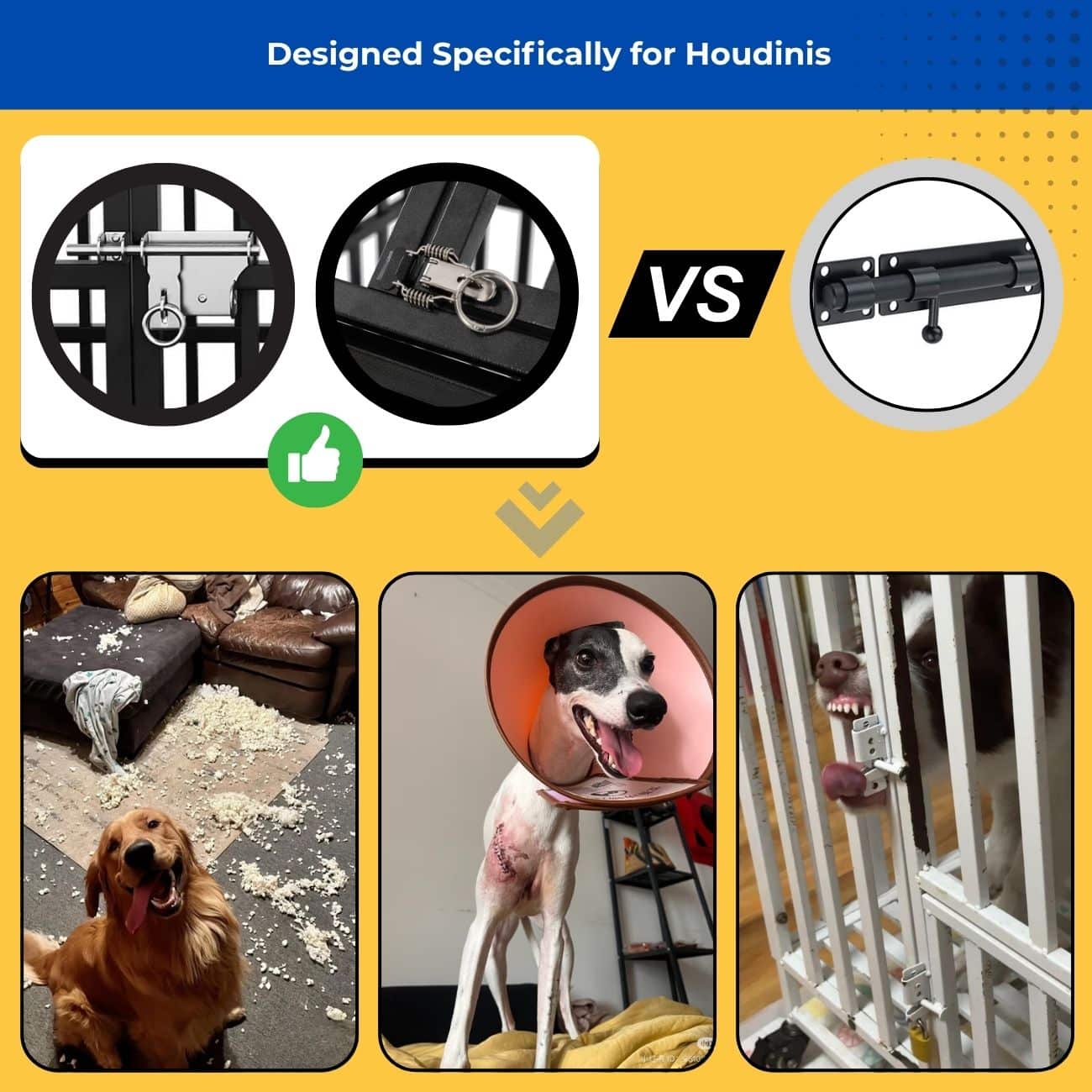
The door and locking mechanism can be the weakest point of any crate. Sliding bolt locks or twist latches can be fiddled with by clever dogs. Look for crates with secure locking systems that your dog can’t manipulate.
Some crates have double-door designs or locks that require tools or a specific motion to open. These are harder for a dog to figure out. Have you noticed your dog pawing or nudging the latch? That’s a sign to upgrade to a more secure lock.
Secure The Door Properly
Securing the door properly is the most crucial step in making your dog crate escape proof. If the door isn’t locked well, even the sturdiest crate won’t keep your clever pup inside. You need to focus on strong locking mechanisms, adding extra locks if necessary, and being mindful of common weak points that dogs often exploit.
Locking Mechanisms That Work
Not all locks are created equal. Basic latch locks can be easy for determined dogs to manipulate, especially if they can reach the latch with their nose or paws.
Consider using:
- Slide bolt locks:These are more secure because they require a manual slide action that’s harder for dogs to figure out.
- Padlocks:If your crate has a latch, adding a small padlock can stop your dog from opening it.
- Carabiner clips:These add an extra layer of security and are easy for you to open but tricky for your pet.
Which locking mechanism would suit your dog’s intelligence and strength?
Adding Extra Locks
Sometimes one lock isn’t enough. Dogs, especially escape artists, can focus all their energy on a single weak spot.
Try adding:
- A second latch at a different height on the door to prevent it from swinging open.
- A zip tie or cable tie as a temporary lock during supervision.
- Magnetic locks that require a tool or key to open, adding complexity for your dog.
Adding extra locks can seem excessive, but it stops your dog from thinking the door is just a puzzle to solve.
Avoiding Common Weak Points
Even the best locks fail if the door frame or hinges are weak. Dogs often target these spots to escape.
Check for:
- Loose hinges that your dog can wiggle or pull apart.
- Gaps between the door and frame that might be widened by chewing or pushing.
- Thin or bent metal bars that can be twisted or bent with enough force.
Strengthening these weak points can mean reinforcing hinges with extra screws or replacing flimsy parts entirely.
What weak spots does your dog seem most interested in testing? Addressing those first can save you hours of frustration.
Reinforce The Crate Structure
Reinforcing your dog crate’s structure is key to stopping even the most determined escape artists. A solid frame and secure edges make it much harder for your dog to bend, break, or wiggle out. Let’s look at how you can toughen up the crate so it stands firm against any escape attempts.
Strengthening The Frame
Start by inspecting the crate’s frame for any weak spots. Adding metal brackets or corner braces can significantly boost its strength. These small additions help keep the frame rigid, preventing it from twisting or collapsing under pressure.
If your crate is plastic, consider attaching a metal frame around it. This extra layer acts like a cage within a cage, making it tougher to break apart.
Preventing Wire Bending
Wire crates often fail because the wires bend or break. You can stop this by reinforcing the wires with zip ties or metal clamps at every junction. This keeps the wires tightly connected and less likely to give way.
Another trick is to add a steel mesh panel inside the crate. This hides the original wires and adds a strong barrier that your dog can’t bend or chew through.
Protecting Corners And Edges
Corners and edges are favorite escape points for dogs. Cover these areas with protective guards made from rubber or thick plastic. This padding absorbs pressure and prevents your dog from getting leverage to pry the crate open.
You can also wrap the edges with duct tape or heat-shrink tubing for an extra layer of protection. It’s a simple fix that can stop your dog’s claws from snagging and weakening the crate.
Credit: www.walmart.com
Use Additional Barriers
Using additional barriers can make a dog crate much harder to escape from. These barriers add extra layers of security outside the crate itself. They help block weak points and keep your dog safely inside. Simple tools and smart placement work well to stop escapes.
Crate Covers And Liners
Crate covers reduce visibility and distractions for your dog. A covered crate feels more like a den, which calms many dogs. Use thick, durable covers that fit tightly over the crate. Liners can protect the crate floor and prevent your dog from digging or slipping. Choose non-slip, chew-resistant materials for best results.
Tethering Techniques
Tethering involves gently securing your dog inside the crate. Use a short leash or harness clip attached to the crate frame. This limits movement without causing stress. Ensure the tether is loose enough for comfort but short enough to prevent escapes. Never leave your dog unattended if tethered too tightly.
Positioning Against Walls
Place the crate against a solid wall to block escape routes. This prevents your dog from pushing or pulling on multiple sides. Avoid placing the crate near furniture that your dog can climb. Keep the crate in a quiet, low-traffic area to reduce stress and restlessness. Walls add stability and make escapes much harder.
Train Your Dog For Crate Safety
Training your dog for crate safety is key to preventing escapes. A well-trained dog sees the crate as a safe space, not a trap. This makes your dog less likely to try to break out. Training also builds trust and reduces anxiety around the crate.
Start with gentle, clear steps to help your dog feel calm inside. Use consistent routines and patience. Training helps your dog learn that the crate is a positive place.
Positive Reinforcement
Reward your dog when it stays calm in the crate. Use treats, praise, or toys to encourage good behavior. This helps your dog link the crate with positive feelings.
Give rewards only when your dog is inside the crate quietly. Avoid giving treats if your dog is trying to escape. This teaches your dog to stay put for rewards.
Discouraging Escape Behavior
Watch for signs your dog wants to escape, like scratching or whining. Stop this behavior by ignoring it or gently redirecting your dog.
Do not punish your dog for escape attempts. Punishment can increase anxiety and make escapes worse. Instead, focus on calm and steady training.
Building Comfort And Security
Make the crate cozy with soft bedding and familiar toys. This helps your dog feel safe and relaxed.
Place the crate in a quiet spot with little traffic. Avoid loud noises that may scare your dog.
Keep a regular crate schedule so your dog knows when to expect crate time. Routine builds comfort and trust.
Regular Maintenance And Inspection
Regular maintenance and inspection keep your dog crate safe and secure. This helps stop escapes before they start. Check the crate often to find any weak spots or damage. Fix problems right away to keep your dog safe inside.
Checking For Damage
Look over the crate carefully every week. Check for cracks in the plastic or bent metal bars. Watch for sharp edges that might hurt your dog. Make sure the door latch works well and closes tightly. Catching damage early stops your dog from slipping out.
Replacing Worn Parts
Parts like latches, hinges, and locks wear out over time. Replace anything that looks rusty, loose, or broken. Use parts made for your crate model. This keeps the crate strong and prevents your dog from pushing parts open.
Keeping The Crate Clean
Clean the crate regularly to keep it fresh and safe. Remove dirt, hair, and spills every few days. Use pet-safe cleaners to avoid harming your dog. A clean crate stops bad smells and helps you spot damage early.
Consider Alternative Crate Options
Choosing the right crate plays a huge role in preventing your dog from escaping. Sometimes, the usual wire or plastic crates just don’t hold up against determined paws and clever noses. Considering alternative crate options can save you stress and keep your furry friend safe and secure.
Heavy-duty Crates
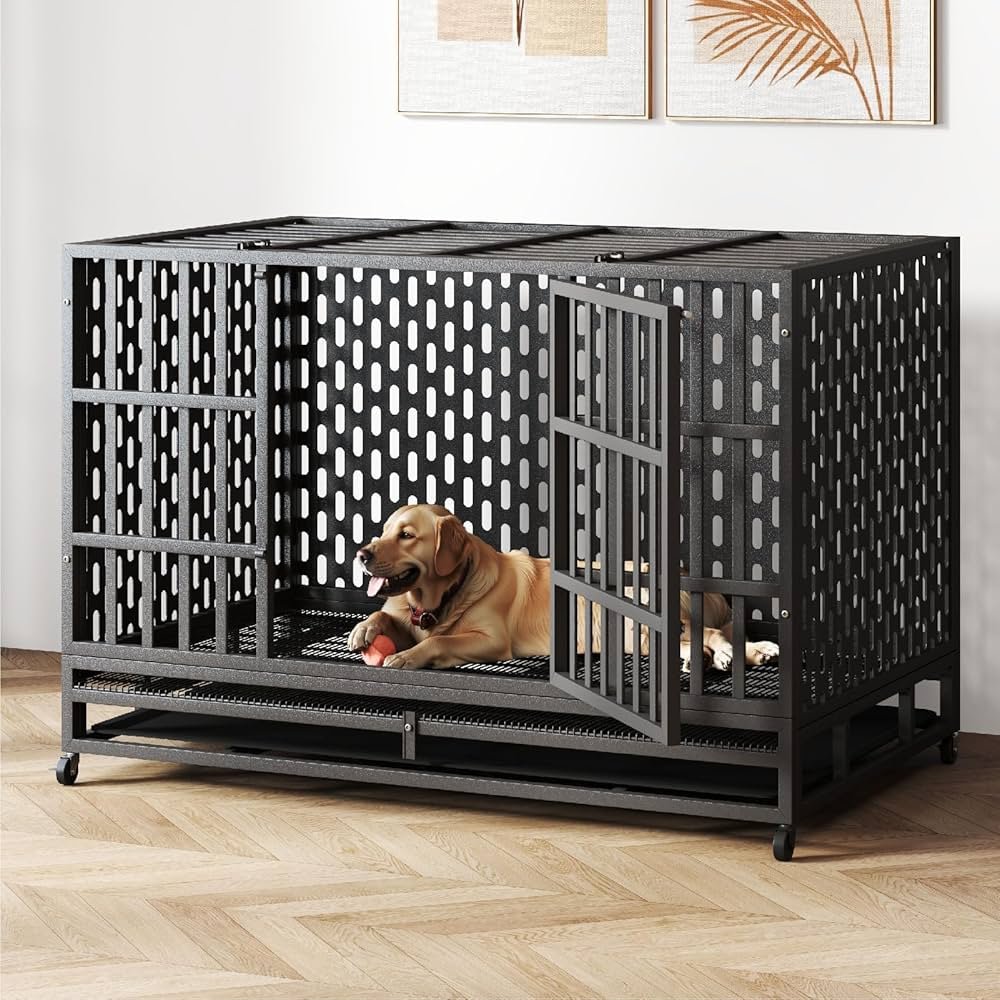
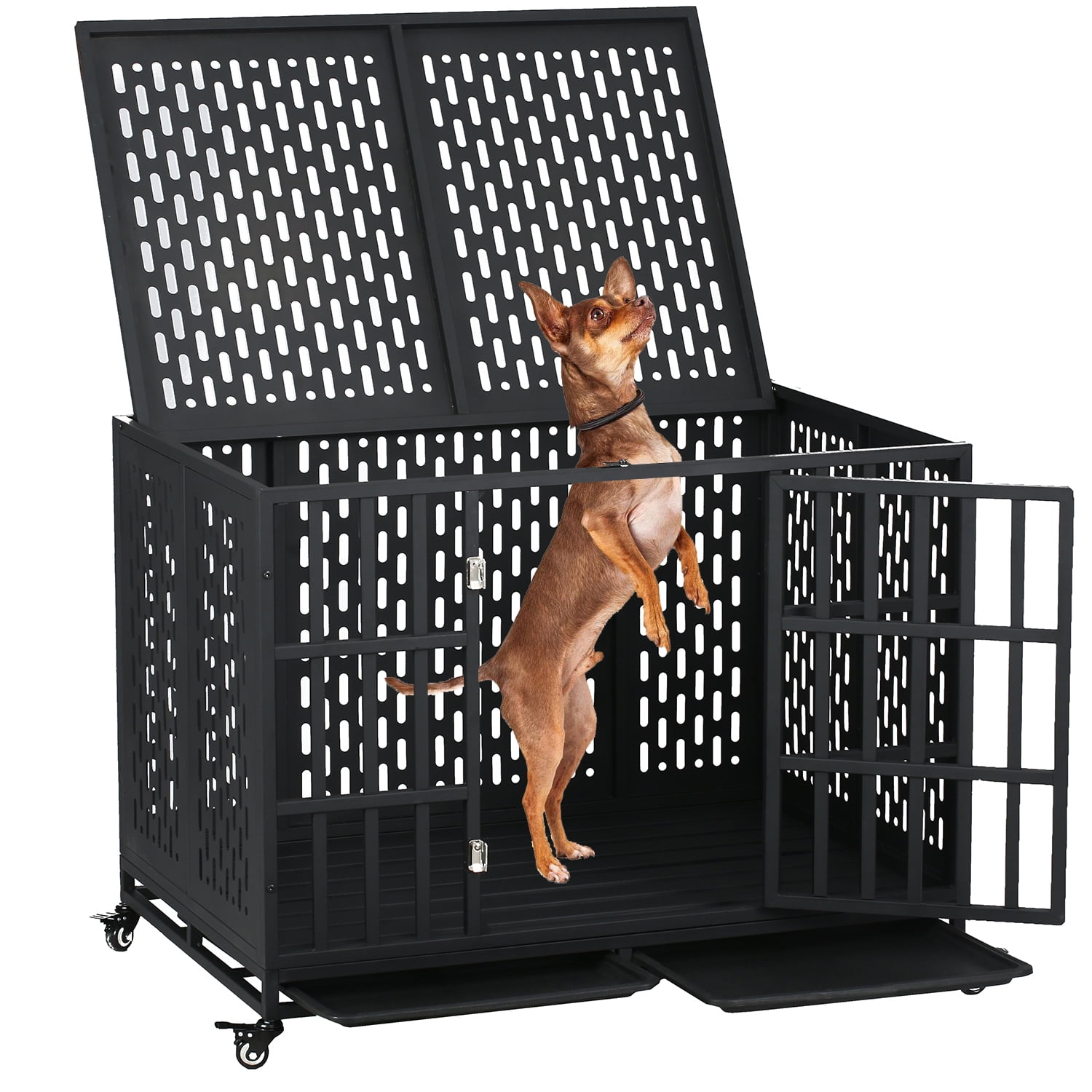
Heavy-duty crates are built to withstand even the most persistent escape artists. Made from thick steel or reinforced materials, these crates offer superior strength and durability.
If your dog is a strong chewer or a jumper, a heavy-duty crate might be your best bet. They often come with stronger locks and tougher bars that make breaking out nearly impossible.
Soft-sided Vs. Hard-sided
Soft-sided crates are lightweight and portable but tend to be less secure for dogs that like to chew or dig. Hard-sided crates, on the other hand, provide a solid barrier that’s harder to damage.
Think about your dog’s behavior. If your pup is calm and gentle, a soft-sided crate can be cozy and convenient. But if your dog tests boundaries, a hard-sided crate offers better protection.
Customizable Crates
Some crates allow you to customize features like door placement, divider panels, and locking mechanisms. This flexibility lets you tailor the crate to your dog’s specific habits and escape attempts.
Customizable crates can be a game changer if your dog has unique needs. Adding extra locks or reinforcing weak spots might be all you need to keep your dog safely inside.

Credit: www.amazon.com
Frequently Asked Questions
How Can I Prevent My Dog From Escaping The Crate?
Secure all crate latches tightly and check for weak spots. Use chew-proof materials and cover gaps. Regularly inspect the crate for damage. Proper training and positive reinforcement also reduce escape attempts.
What Materials Make A Dog Crate Escape-proof?
Metal crates with reinforced steel bars are highly escape-resistant. Heavy-duty plastic crates with secure locks work well too. Avoid flimsy wire or thin plastic that dogs can chew or bend.
How Do I Train My Dog To Stay In The Crate?
Start with short, positive crate sessions. Use treats and praise to encourage calm behavior. Gradually increase crate time while ensuring comfort. Avoid punishment to build trust and reduce anxiety.
Are There Specific Crate Locks To Prevent Escapes?
Yes, specialized double-latch or padlock-style locks enhance security. These locks prevent dogs from opening the crate door. Always choose locks compatible with your crate model for best results.
Conclusion
Creating an escape-proof dog crate ensures your pet's safety. Focus on secure locks and sturdy materials. Check for weak points regularly. A comfortable crate keeps your dog calm. Use padding and toys to make it inviting. Consistency helps in training your dog to stay inside.
Reward good behavior with treats. Patience is key in this process. Safety and comfort go hand in hand for happy pets. A secure crate means peace of mind for you. And a safe space for your furry friend.