
If your dog is in heat, you know how messy and stressful it can get. You want to keep your home clean, but also make sure your furry friend is comfortable and safe.
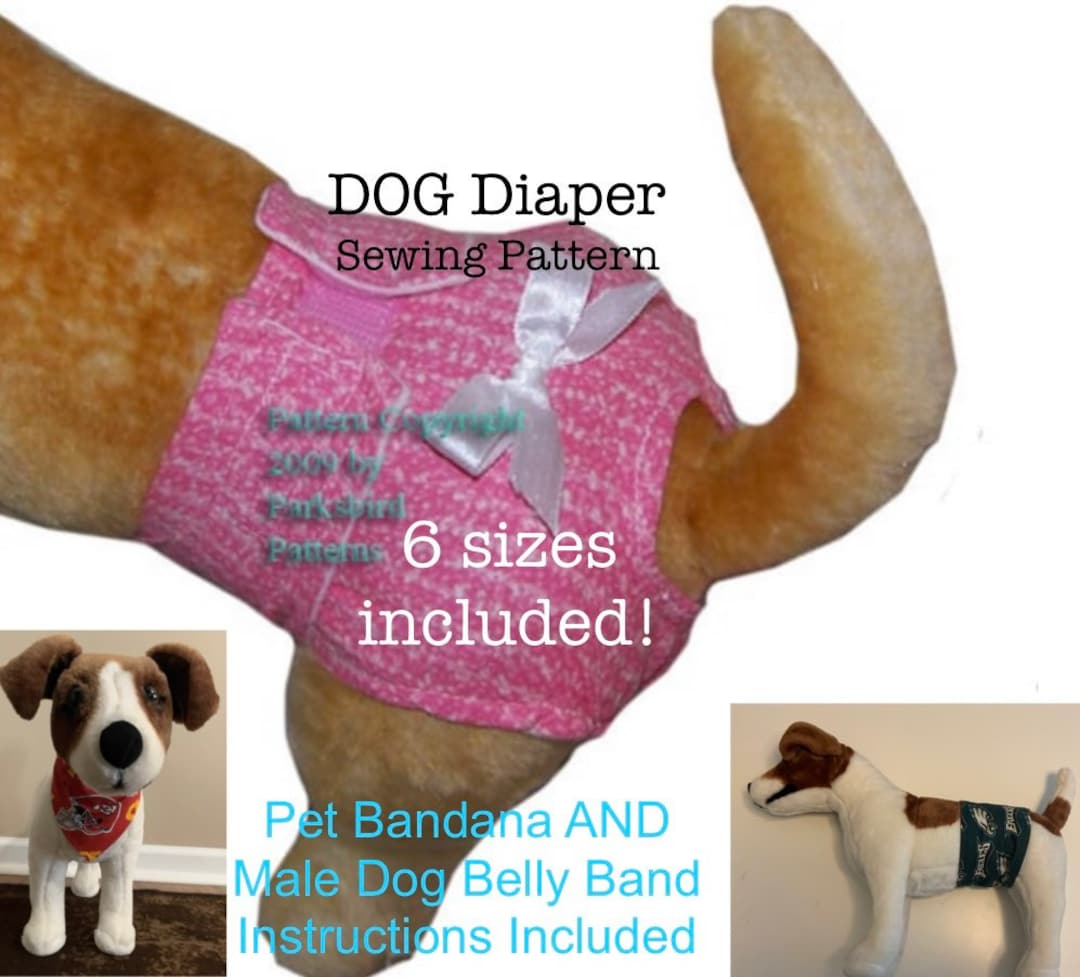
Making a diaper for your dog in heat is a simple, cost-effective way to handle this situation. You’ll discover easy steps to create a diaper that fits perfectly and keeps your dog happy. Keep reading to learn how you can protect your home and care for your dog at the same time.
Materials Needed
Making a diaper for a dog in heat requires specific materials. Choosing the right supplies ensures comfort and protection. Prepare the items before starting the project. This helps create a functional and safe diaper for your dog.
Fabric Choices
- Soft cotton for breathability and comfort
- Absorbent terry cloth to manage moisture
- Waterproof PUL fabric to prevent leaks
- Stretchy knit for a snug fit
Use fabrics that are gentle on your dog’s skin. Avoid rough or irritating materials. Combining absorbent and waterproof layers works best.
Elastic Bands
- Soft, narrow elastic for waist and leg openings
- Stretchy but not too tight to avoid discomfort
- Durable elastic that holds shape after washing
Elastic bands keep the diaper secure. They must allow easy movement. Choose elastic with gentle tension to prevent chafing.
Fasteners And Accessories
- Velcro strips for adjustable closure
- Snaps or buttons for extra security
- Optional waterproof liners to add inside
Fasteners help put the diaper on and take it off quickly. Velcro is easy to use and adjust. Accessories improve diaper fit and function.
Credit: flagstarnursing.com
Measuring Your Dog
Measuring your dog accurately is the first step to making a comfortable diaper for a dog in heat. Proper measurements ensure the diaper fits well and stays in place. You will need to measure two key areas: the waist and the length of your dog. Use a soft measuring tape and keep your dog calm during this process. Take each measurement gently to get the best fit.
Waist Measurement
Wrap the measuring tape around your dog's waist, just in front of the back legs. This area is usually the widest part of the body where the diaper will sit. Make sure the tape is snug but not tight. Write down this number in inches or centimeters. This measurement helps create a diaper that won't slip off or feel too tight.
Length Measurement
Measure from the base of your dog's tail to the front of the belly, near the chest. This length shows how long the diaper needs to be to cover the right area. Keep your dog standing while measuring for accuracy. Use the same units as the waist measurement. This step helps make sure the diaper covers well and provides full protection.
Cutting The Fabric
Cutting the fabric is a crucial step in making a diaper for a dog in heat. The right cut ensures comfort, fit, and effective protection. It can feel tricky, but with the right approach, you’ll get a perfect piece ready for sewing.
Creating A Template
Start by measuring your dog carefully. Focus on the waist, length from belly to tail, and the width that will cover the necessary area.
Use paper or cardboard to sketch a shape based on these measurements. This template will guide your cuts and help avoid wasting fabric.
Think about adding small tabs or flaps for fastening. Including these in your template will save time and improve the diaper’s fit.
Cutting Techniques
Use sharp fabric scissors to get clean edges. Dull scissors can cause frayed edges that reduce durability.
Cut slowly around your template, keeping the fabric flat and smooth. Uneven cuts can make sewing harder and the diaper uncomfortable.
Consider adding a half-inch seam allowance to your cuts. This extra fabric allows for stitching without making the diaper too tight.
Sewing The Diaper
Sewing the diaper for a dog in heat requires careful attention. This ensures the diaper fits well and stays secure. Use soft, breathable fabric to keep your dog comfortable. Precise stitching will prevent leaks and tears.
Stitching The Edges
Start by folding the fabric edges to avoid fraying. Use a straight stitch along all edges for strength. Double stitch corners for extra durability. Keep stitches close together to create a solid seam.
Attaching Elastic Bands
Elastic bands help the diaper fit snugly around your dog’s waist. Measure the elastic to fit your dog’s size but not too tight. Sew the elastic ends securely on both sides. Stretch the elastic slightly as you sew for flexibility.
Adding Fasteners
Fasteners make the diaper easy to put on and take off. Use Velcro strips or snap buttons for convenience. Attach them on the sides where the elastic bands are. Ensure the fasteners are strong but gentle on your dog’s skin.
Fitting The Diaper
Fitting the diaper on a dog in heat requires careful attention. A good fit prevents leaks and keeps your dog comfortable. You want the diaper to stay in place without causing irritation. Proper fitting helps your dog move freely and feel secure during this sensitive time.
Adjusting For Comfort
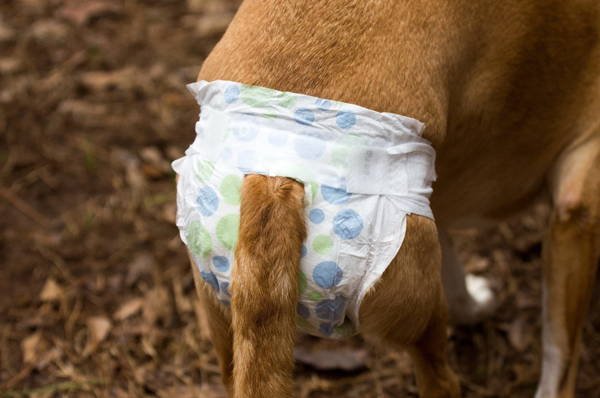
Start by placing the diaper gently around your dog's waist. Check for tightness. The diaper should be snug but not too tight. You can slip two fingers between the diaper and your dog's body to test the fit. Adjust the straps or tabs to avoid pinching or rubbing. Soft materials help prevent skin irritation. Watch your dog’s reaction. If she seems uncomfortable, loosen the diaper slightly.
Ensuring Proper Coverage
Position the diaper so it covers the entire genital area. This prevents leaks and stains on furniture. Make sure the tail fits through the tail hole comfortably. The diaper should wrap fully around the belly and back. Check that no gaps or folds allow fluids to escape. Adjust the diaper to cover all sides evenly. Test by gently pressing to see if any areas feel loose or too tight.
Washing And Maintenance
Keeping your dog’s diaper clean and well-maintained is key for comfort and hygiene. Regular washing prevents odors and bacteria build-up. Proper care also extends the diaper’s lifespan, saving money and effort.
Follow simple steps to wash and store the diaper effectively. These habits ensure your dog stays fresh and happy during her heat cycle.
Cleaning Tips
- Rinse the diaper in cold water soon after use to remove stains.
- Use mild detergent without strong fragrances or chemicals.
- Wash the diaper by hand or in a gentle machine cycle.
- Avoid bleach or fabric softeners; they can damage the fabric.
- Air dry the diaper completely before reuse to prevent mold.
- Check for any damage or wear before putting it back on.
Storage Suggestions
- Store the clean diaper in a dry, cool place away from sunlight.
- Keep it in a breathable bag or container to avoid moisture.
- Separate clean diapers from used ones to maintain hygiene.
- Have multiple diapers ready to rotate during your dog’s heat.
- Inspect stored diapers regularly to ensure freshness and condition.
Additional Tips
Managing a dog in heat can be challenging, especially when it comes to keeping things clean and comfortable. Beyond just making the diaper, a few extra tips can make a big difference in preventing messes and ensuring your dog stays happy. These practical ideas will help you handle this phase with ease and care.
Preventing Leaks
Leaks can quickly turn a good diaper into a frustrating mess. To avoid this, make sure the diaper fits snugly but not too tight around your dog’s waist and legs. Check the edges for gaps where fluids might escape and adjust the fit as needed.
Adding an extra absorbent layer, like a small piece of puppy pad material inside the diaper, can boost protection. Change the diaper frequently—don’t wait until it feels soaked. This keeps your dog dry and lowers the risk of skin irritation.
Keeping Your Dog Comfortable
Your dog’s comfort is just as important as cleanliness. Use soft, breathable fabrics for the diaper to prevent chafing, especially if your dog wears it for several hours. Watch for any signs of discomfort like excessive licking or fussiness.
Try to keep your dog’s activity level in mind. If she loves to run or play, choose a diaper design that allows freedom of movement. You might notice your dog prefers a certain position or style, so be open to adjusting the diaper accordingly.

Credit: www.reddit.com

Credit: barkertime.com
Frequently Asked Questions
How Do I Make A Diaper For A Dog In Heat?
To make a diaper, use an old t-shirt or cloth. Cut it to fit your dog’s waist. Secure it with soft elastic or Velcro for comfort and adjustability. Add absorbent pads inside to manage discharge effectively.
What Materials Are Best For Dog Heat Diapers?
Choose soft, breathable fabrics like cotton or flannel. Use absorbent materials such as microfiber or puppy pads inside. Avoid rough or tight materials to prevent irritation and discomfort during your dog’s heat cycle.
How Often Should I Change A Dog Heat Diaper?
Change the diaper every 4 to 6 hours or when it becomes soiled. Frequent changes prevent infections and skin irritation. Always check your dog regularly to keep her clean and comfortable.
Can Homemade Dog Diapers Prevent Stains On Furniture?
Yes, homemade diapers effectively contain discharge and prevent stains. Proper fitting and absorbent materials help keep your home clean. However, ensure the diaper is secure to avoid leaks and discomfort.
Conclusion
Making a diaper for a dog in heat is simple. It keeps your home clean and your dog comfortable. Just gather materials like fabric and scissors. Follow the steps to cut and sew. Always ensure the diaper fits well. Check for any signs of discomfort.
Your dog will feel at ease. You will have peace of mind too. Crafting a diaper at home saves money. It also strengthens the bond with your pet. So, try these steps today. Enjoy a cleaner and happier environment for both you and your furry friend.