You love your furry friend and want nothing but the best for them. But sometimes, those curious noses get into things they shouldn't, and before you know it, your dog might have worms in their stomach.
It sounds alarming, doesn't it? But don’t worry. Identifying worms early can make all the difference in ensuring your dog's health and happiness. You'll discover the key signs that might indicate your dog has worms. You'll also learn why it's crucial to act quickly and how to protect your pet from these pesky parasites.
By the end, you'll feel empowered to take the best care of your loyal companion. Stick around to find out what every dog owner needs to know to keep their pet worm-free and full of life.
Common Signs Of Stomach Worms
Recognizing the common signs of stomach worms in your dog is crucial for early detection and treatment. These parasites can cause discomfort and serious health issues if left unchecked. Paying attention to subtle changes in your dog’s behavior and appearance can help you catch the problem before it worsens.
Changes In Appetite
Has your dog suddenly started eating less or, oddly, more than usual? Worms in the stomach often cause a drop in appetite because they compete for nutrients. Sometimes, dogs might eat more out of hunger since worms steal their food, leading to a constant feeling of emptiness.
Watch closely if your dog’s eating habits shift without any clear reason. This change can be an early warning sign that something is off inside their digestive system.
Visible Worms In Stool
One of the clearest signs of stomach worms is spotting worms or worm segments in your dog’s stool. These might look like small white grains or spaghetti-like strands. Don’t ignore these sightings—even a single worm spotted should prompt a visit to the vet.
Sometimes, worms can also appear around your dog’s anus or in vomit. Keeping an eye on these areas during your dog’s regular grooming can make a big difference.
Digestive Issues
Stomach worms often cause digestive problems such as diarrhea, vomiting, or bloating. Your dog might also strain during bowel movements or have softer-than-normal stools. These symptoms happen because worms irritate the stomach lining and intestines.
If your dog shows ongoing digestive discomfort, consider that worms could be the culprit. Persistent digestive issues always deserve a professional check-up.
Weight Loss And Fatigue
Notice your dog losing weight despite eating normally? Worms can drain essential nutrients, leading to unexplained weight loss. Along with this, your dog might seem more tired or less playful than usual.
Fatigue paired with weight loss should raise a red flag. These signs often mean your dog’s body is struggling to cope with the worm infestation.
Types Of Intestinal Worms In Dogs
Dogs can get different types of intestinal worms that affect their health. These worms live inside the stomach or intestines. Each type has unique signs and ways to treat. Knowing the common types helps you spot them early. This section explains the main intestinal worms found in dogs.
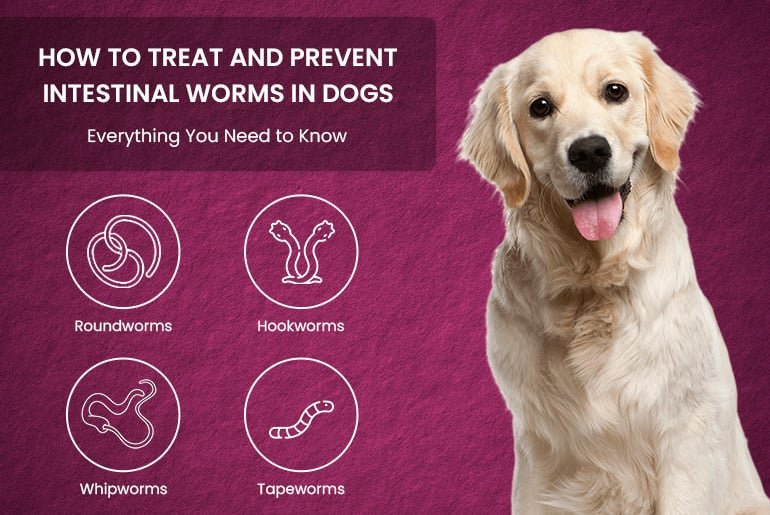
Roundworms
Roundworms are long, white, and look like spaghetti. Puppies often get them from their mother. They cause a swollen belly, vomiting, and diarrhea. Roundworms can also slow down a dog's growth. Treatment usually involves deworming medicine given by a vet.
Tapeworms
Tapeworms look like flat, segmented ribbons. Dogs get them by eating fleas or small animals. You may see small white segments near the dog’s anus or in their stool. Tapeworms cause itching and weight loss. Flea control helps prevent tapeworms along with deworming.
Hookworms
Hookworms are small but harmful. They attach to the intestinal wall and suck blood. This causes anemia, weakness, and dark stools. Puppies are more at risk from hookworms. Early treatment is critical to avoid severe illness.
Whipworms
Whipworms live in the large intestine. They have a whip-like shape. Infected dogs may have diarrhea, weight loss, and poor appetite. Whipworms can be hard to detect because signs come slowly. Regular vet check-ups and stool tests help find them early.
How Vets Diagnose Worm Infections
Vets use several ways to find out if a dog has worms in the stomach. They look for signs and use tests to confirm the infection. Early diagnosis helps in treating the dog quickly and avoiding serious health problems.
Fecal Examination
Vets check the dog's stool under a microscope. They search for worm eggs or larvae. This test is common and effective for many types of worms. Sometimes, more than one sample is needed for accuracy.
Blood Tests
Blood tests show if the dog's body fights a worm infection. They reveal changes in blood cells or organ function. Some tests detect specific worm infections by finding antibodies or worm DNA. Blood tests help diagnose infections that fecal exams might miss.
Physical Examination
Vets examine the dog’s body for worm infection signs. They check the abdomen for pain or swelling. They also look for weight loss, dull coat, or vomiting. Physical exams give clues but need tests for confirmation.

Credit: www.zooplus.co.uk
Effective Treatments For Worms
Effective treatments for worms in your dog's stomach are essential to restore their health quickly and comfortably. Addressing this issue early can prevent serious complications. You have several options, from proven medical treatments to natural remedies, each with its own benefits.
Deworming Medications
Deworming medications are the most reliable way to eliminate worms from your dog’s system. These drugs target specific types of worms, such as roundworms, tapeworms, and hookworms.
Common medications include:
- Fenbendazole
- Pyrantel pamoate
- Praziquantel
Always follow the dosage instructions your vet provides. Some medications require multiple doses over several days. Have you noticed your dog's energy improving after treatment? That’s often the first sign the worms are gone.
Natural Remedies
Natural remedies can complement deworming but rarely replace medications. Ingredients like pumpkin seeds, garlic (in very small amounts), and coconut oil are popular home treatments.
These may help create an environment in the stomach that’s less inviting to worms. However, natural remedies alone usually won't clear a heavy infestation. If you choose this route, watch your dog's symptoms closely and consult your vet if things don’t improve.
Follow-up Care
After treatment, follow-up care is crucial to ensure your dog is worm-free. Your vet might recommend stool tests to confirm all worms are gone.
Keep your dog’s living area clean and practice good hygiene to prevent re-infection. Regular deworming schedules are also important, especially if your dog spends time outdoors or around other animals.
How often do you check your dog’s health beyond vaccinations? Worm prevention is just as vital for long-term well-being.
Preventing Worm Infestations
Preventing worm infestations in your dog’s stomach is crucial for their health and happiness. Taking proactive steps can save you from costly treatments and distressing symptoms later. Let’s look at practical ways to keep your dog worm-free and comfortable.
Regular Vet Checkups
Scheduling routine vet visits helps catch worm infections early, often before symptoms appear. Your vet can recommend deworming schedules tailored to your dog’s lifestyle and local risks.
Have you noticed your dog scratching more than usual or losing weight? These subtle signs might be early indicators of worms. Don’t wait for obvious symptoms—regular vet checkups are your best defense.
Proper Hygiene
Keeping your dog’s living area clean reduces the chance of worm eggs spreading. Wash bedding frequently and dispose of feces promptly to break the infection cycle.
Also, wash your hands after handling your dog or cleaning up after them. This simple habit protects both you and your pet from potential health risks linked to worms.
Controlling Fleas And Parasites
Fleas can carry tapeworm larvae, making flea control an important part of preventing worm infestations. Use vet-approved flea treatments regularly, especially during warmer months.
Check your dog’s fur often and remove any fleas you find. Combining flea control with good hygiene and vet care creates a strong barrier against parasites.

Credit: www.youtube.com
When To Seek Veterinary Help
Knowing when to seek veterinary help for a dog with stomach worms can make a huge difference in your pet’s health. Some signs are subtle, while others demand immediate attention. Understanding these warning signals helps you act fast and protect your furry friend.
Severe Symptoms
Watch for intense vomiting or diarrhea, especially if blood is present. Severe weight loss or sudden weakness should never be ignored. If your dog shows difficulty breathing or collapses, get emergency care immediately.
These signs mean the worms have affected vital organs or caused serious complications. Waiting too long can risk your dog’s life, so don’t hesitate to call your vet.
Persistent Worms
If your dog continues to show signs of worms even after treatment, it’s time to see the vet again. Some worm types are harder to eliminate and require different medications. Also, reinfection can happen if the environment isn’t properly cleaned.
Keep track of your dog’s symptoms and treatment schedule. Ask your vet about follow-up exams or stool tests to confirm the worms are gone for good.
Puppy And Senior Dog Risks
Puppies and older dogs are more vulnerable to worm infections. Their immune systems are weaker, making it easier for worms to cause serious harm. If you notice lethargy, poor appetite, or a bloated belly in these age groups, seek veterinary advice quickly.
Delaying treatment in puppies or seniors can lead to stunted growth or worsening health problems. Always err on the side of caution to keep your dog safe at every life stage.

Credit: www.northroadvet.com.au
Frequently Asked Questions
How Can I Tell If My Dog Has Stomach Worms?
Look for signs like vomiting, diarrhea, weight loss, and a swollen belly. Worms may cause lethargy and poor coat condition. A vet can confirm with a stool test.
What Are Common Symptoms Of Stomach Worms In Dogs?
Common symptoms include diarrhea, vomiting, weight loss, and a bloated abdomen. Your dog may also cough or have a dull coat.
How Do Vets Diagnose Worms In Dogs' Stomachs?
Vets diagnose worms through stool sample analysis. They may use blood tests or physical exams to detect infection signs.
Can Stomach Worms In Dogs Be Treated At Home?
Home treatment is not recommended. Only vet-prescribed dewormers effectively eliminate stomach worms safely and completely.
Conclusion
Knowing if your dog has worms helps protect its health and happiness. Watch for signs like weight loss, vomiting, or a bloated belly. Regular vet visits keep worms from causing serious harm. Treat your dog quickly to stop spreading worms to others.
Clean your dog's living area often to reduce risk. Staying alert and acting fast keeps your dog safe and well. Caring for your pet means watching closely and staying informed. Don’t wait—early care makes all the difference.