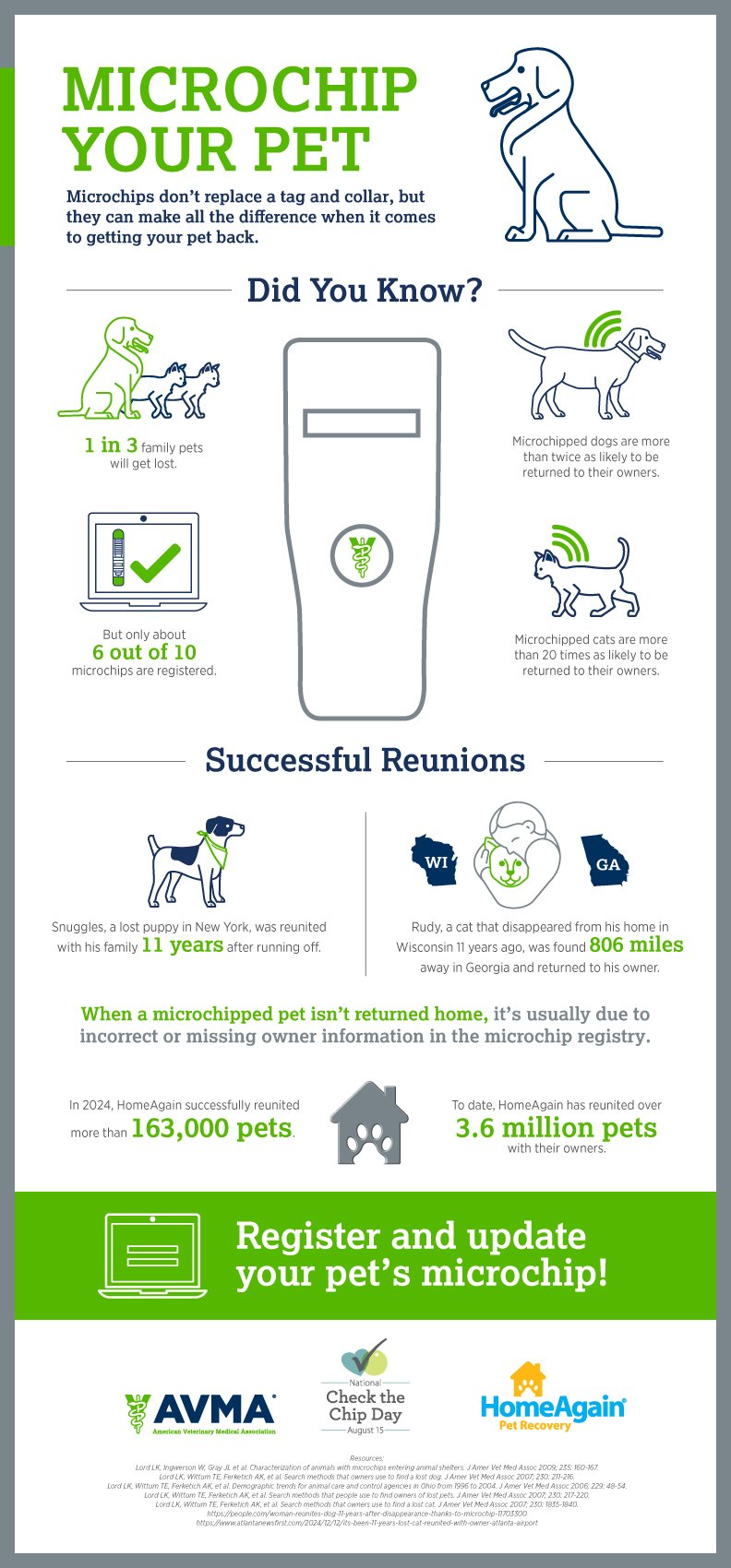
Have you ever wondered if your dog has a microchip? Knowing whether your furry friend is chipped can make all the difference if they ever get lost.
But how can you tell for sure? You'll discover simple and effective ways to find out if your dog has a microchip. By the end, you'll feel confident in ensuring your pet’s safety and peace of mind. Keep reading to learn exactly what to do next.

Credit: countrysideahwaupaca.com
Why Microchipping Matters
Microchipping your dog is a simple step that can save their life. Many pets go missing each year. A microchip helps bring them back home quickly and safely. This small device holds important information about your dog. It is a permanent form of ID that cannot be lost or removed.
Benefits For Lost Pets
A microchip increases the chances of finding a lost dog. Shelters and vets scan for microchips in found animals. If your dog has one, they can contact you fast. It helps avoid long stays in shelters or worse. Microchips also prove ownership if someone claims your pet.
- Quick identification by animal control or vets
- Faster reunion with owners
- Less stress and danger for lost pets
- Proof of ownership in disputes
How Microchips Work
A microchip is a tiny device about the size of a grain of rice. It is implanted under your dog’s skin, usually between the shoulder blades. The chip contains a unique ID number. When scanned with a special reader, it shows this number. This number links to your contact details in a database. Only authorized people can access this information.
The implantation is quick and painless. It does not affect your dog’s health or behavior. Once implanted, the microchip lasts for your dog’s lifetime. It does not require batteries or charging.
Credit: www.animal-medical-clinic.com
Signs Your Dog Might Be Chipped
Wondering if your dog is chipped can be tricky. Unlike a collar tag, a microchip isn’t visible. But there are clear signs that might indicate your furry friend has one.
Recognizing these signs can save you time and stress, especially if your dog ever goes missing. It also helps you stay proactive about their safety and identification.
Adoption Or Rescue Clues
If you adopted your dog from a shelter or rescue, there’s a high chance they are chipped. Many shelters microchip dogs before adoption to reunite lost pets with their owners quickly.
Check any paperwork you received during adoption. Adoption forms often mention the chip number or provide information on scanning. If you don’t see this information, ask the organization directly—they usually keep records.
Veterinary Records Check
Your vet’s office is a valuable resource when checking for a chip. Many vets scan pets during routine visits or vaccinations to record their microchip numbers.
Call your vet and ask if your dog’s microchip is on file. If you have a copy of your dog’s medical records, look for a microchip number or note about scanning. This simple step can confirm your dog’s identification status quickly.
Tools Needed To Check For A Chip
Checking if a dog is microchipped requires specific tools designed to detect the tiny implant under their skin. Without the right device, you won’t be able to confirm whether your furry friend carries this vital form of identification. Understanding the tools involved can save time and ensure you’re prepared to act quickly if you find a lost dog or need to verify your pet’s chip.
Microchip Scanner Types
There are different types of microchip scanners available, each with unique features. Some scanners are universal, capable of reading chips from all manufacturers, while others may only read specific types. Universal scanners are usually the best choice because they increase the chance of detecting any chip embedded in the dog.
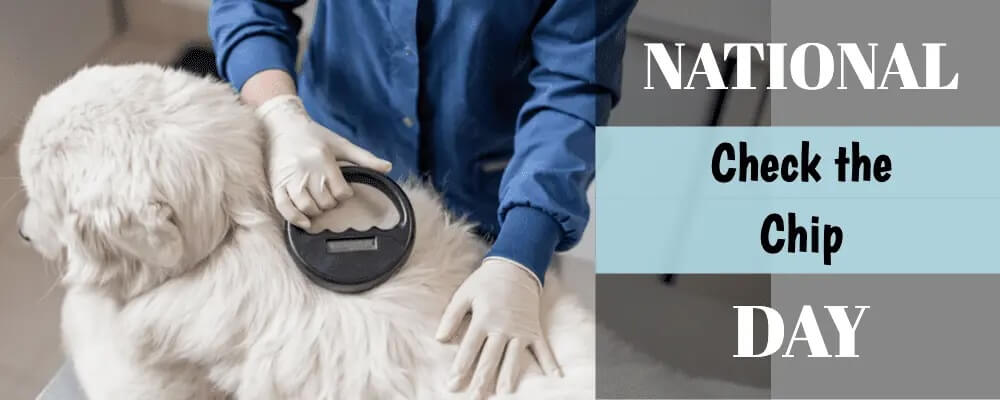
Handheld scanners are the most common, designed to be portable and easy to use. They emit a low radio frequency signal that activates the chip, allowing the scanner to read the ID number. Some models also display the chip number on a screen or print it out for record-keeping.
Where To Find A Scanner
If you don’t own a microchip scanner, you can still have your dog checked by visiting places that offer scanning services. Veterinarians almost always have scanners and can quickly verify if your dog is chipped. Animal shelters and rescue organizations also have scanners available for this purpose.
Some pet stores and animal control offices provide scanning for free or for a small fee. Asking around locally can help you find a scanner nearby without needing to purchase one yourself. Have you checked with your local vet or shelter yet? They might be your fastest option to check your dog’s chip.

Credit: www.threads.com
Step-by-step Chip Checking Process
Checking if a dog is chipped is simple and quick. It helps reunite lost pets with owners. The process uses a special scanner to detect the chip under the dog's skin. Follow these clear steps to scan your dog safely and correctly.
Preparing Your Dog
Find a quiet place to keep your dog calm. Use gentle words and pet your dog to relax them. Avoid sudden moves that may scare your dog. Have treats ready for good behavior. Make sure your dog stays still during the scan. Ask for help if your dog is nervous or wiggly.
Scanning Common Chip Locations
Most chips are placed between the dog's shoulder blades. Slowly move the scanner over this area in small circles. Scan the sides of the neck and chest if needed. Hold the scanner close to the skin without pushing hard. Scan each spot several times to catch the chip signal. Take your time and be patient.
Reading The Scanner Results
The scanner will beep or display a number if it detects a chip. Write down the number exactly as shown. Use the number to check with a pet recovery database. If no chip is found, repeat the scan or try a different scanner. Remember, a chip is small and may need careful scanning to find.
What To Do If A Chip Is Found
Discovering a microchip in a dog is an important step in reuniting lost pets with their owners. The chip holds key information that connects the dog to its owner. Acting quickly and correctly helps ensure the dog’s safety and return home.
Verifying Registration Details
Scan the chip using a microchip reader to get the unique ID number. Use this number to search in national or local pet databases. Confirm the chip is registered and active. Check the contact details linked to the chip for accuracy. Contact the registry or microchip company for verification help. This step confirms the dog’s identity and owner information.
Updating Owner Information
Owner details may be outdated or incorrect. Contact the microchip registry to update any wrong or missing data. Provide current phone numbers, addresses, and email addresses. Updating records ensures the owner can be reached quickly. Encourage pet owners to review their information regularly. Accurate records speed up the reunion process and prevent future problems.
Alternatives When No Chip Is Detected
Not finding a microchip does not mean your dog lacks identification. Many dogs wear tags or have other ID forms. These help return lost pets safely to their owners. Exploring alternative options ensures your dog stays protected.
Other Identification Methods
Collars with ID tags are common and effective. Tags usually have the pet’s name and owner’s contact details. Some owners use tattoo IDs on the dog’s ear or inner thigh. These are less common but still useful for identification.
GPS trackers are another choice for monitoring your dog's location. They attach to collars and send real-time location data to your phone. This option helps find pets quickly if they wander off.
- Collar with ID tags
- Tattoo identification
- GPS tracking devices
Getting Your Dog Chipped
Microchipping is a simple and safe procedure. A vet or animal shelter inserts a tiny chip under your dog’s skin. This chip contains a unique ID number linked to your contact info. It lasts your dog’s entire life without needing batteries.
Register the chip in a national database for easy recovery. Keep your contact details updated to avoid problems. Microchipping greatly increases the chances of your dog returning home.
Tips For Maintaining Chip Information
Keeping your dog’s microchip information up-to-date is crucial for their safety. A chip only works if the contact details linked to it are correct. Imagine a lost dog without an active phone number on file—help might never reach them.
Regular Database Updates
You need to check your dog’s microchip registration regularly. Contact information can change—new phone numbers, addresses, or even email addresses need to be updated. Most microchip databases allow you to log in online to make quick changes.
Set a reminder every six months to verify your details. This simple step can prevent delays if your dog goes missing. Have you ever checked your info after moving or changing your phone provider?
Informing New Owners
If you ever rehome your dog, make sure the new owner updates the microchip details immediately. Many microchip companies provide transfer services to make this easy. Passing on outdated information could mean the dog’s new family isn’t reachable.
When I adopted my dog, the previous owner hadn’t changed the microchip info, which caused a frustrating wait during a vet visit. Ensuring the new owner’s details are updated eliminates confusion and speeds up help when needed.
Frequently Asked Questions
How Can I Check If My Dog Is Microchipped?
Visit a local vet or animal shelter to scan your dog for a microchip. They use a special scanner to detect the chip. It’s quick, painless, and the most reliable method to confirm if your dog is chipped.
What Does A Dog Microchip Look Like?
A dog microchip is a small, rice-sized device implanted under the skin. It is not visible externally and cannot be felt easily. The chip contains a unique ID number linked to the owner's contact information in a database.
Can I Scan My Dog’s Microchip At Home?
No, microchip scanners are specialized devices not available for home use. Only vets, shelters, and animal control have scanners to detect chips. To check your dog’s microchip, visit a professional who can scan and read the chip properly.
How Often Should A Dog’s Microchip Be Checked?
It’s best to check your dog’s microchip annually during vet visits. This ensures the chip is functioning and your contact information is up to date. Regular checks help in quick identification if your dog gets lost.
Conclusion
Determining if a dog has a microchip is crucial. It aids in reuniting lost pets. Start by visiting a vet or animal shelter. They have scanners to check for chips. Ensure your dog's chip information is up-to-date. This guarantees quick contact if your pet goes missing.
Understanding the importance of microchipping helps keep pets safe. Always prioritize your dog's safety and identification. It brings peace of mind knowing they're protected. Stay informed and proactive about your pet's identification needs. Your efforts ensure your dog's safe return if they wander away.