
Have you ever found a bird egg and wondered if it’s alive inside? Knowing whether a bird egg is developing can be both exciting and important, especially if you want to help care for it.
But how can you tell without cracking it open? You’ll discover simple, clear ways to check if a bird egg is alive. By the end, you’ll feel confident to spot the signs and understand what’s happening inside that tiny shell.
Keep reading—your curiosity is about to be rewarded!
Signs Of A Viable Bird Egg
Signs of a viable bird egg help determine if the embryo inside is alive and developing. Observing these signs can guide bird watchers and caretakers. Understanding these details improves chances of successful hatching.
Egg Color And Texture
Viable eggs often have consistent color without unusual spots or stains. The shell should feel smooth or slightly rough, depending on the bird species. Dull or faded colors may indicate an old or non-viable egg. Bright and even coloration suggests a healthy egg.
Egg Shape And Size
Healthy eggs usually keep their natural shape and size. Misshapen or shriveled eggs may not be viable. Size varies by species but remains stable during development. Any sudden change in size or shape signals potential problems inside the egg.
Shell Condition
The shell must be intact without cracks or holes. Cracks allow bacteria and air to enter, harming the embryo. A firm shell protects the growing bird inside. Soft or fragile shells can mean poor development or lack of nutrients.

Credit: www.youtube.com
Methods To Check Egg Viability
Knowing if a bird egg is alive helps in caring for it properly. Several simple methods can reveal egg viability. These techniques are safe and easy to do at home or outdoors. Understanding these methods improves your chances of successful hatching.
Candling Technique
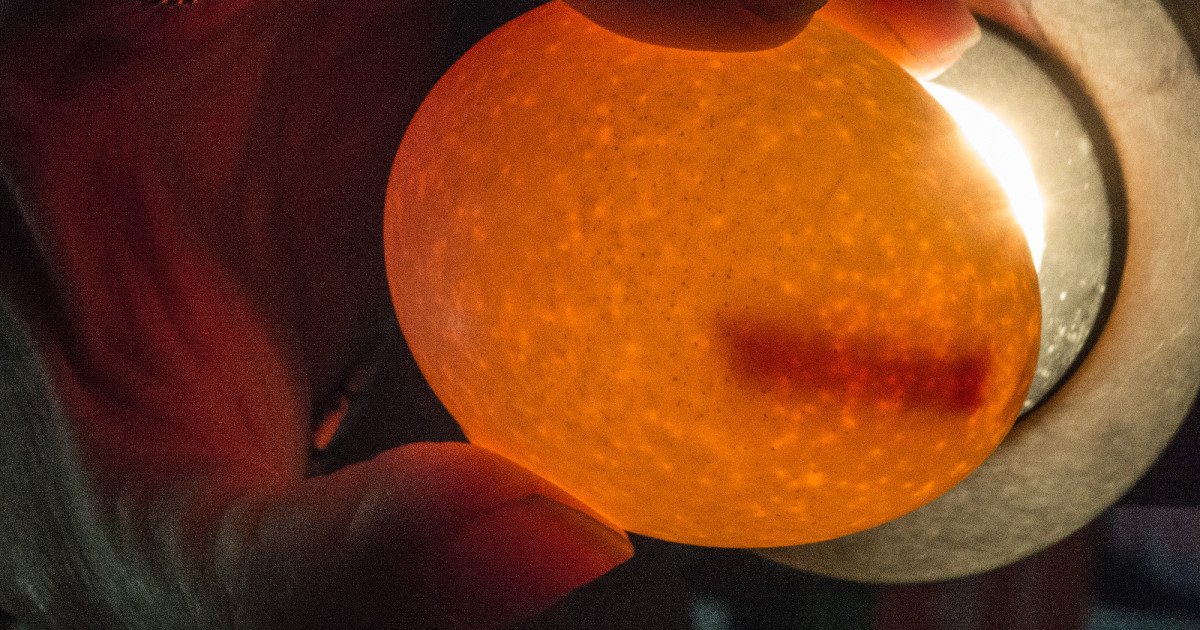
Candling uses light to see inside the egg. Hold a small flashlight or candle in a dark room. Shine the light gently through the egg shell. Look for veins, dark spots, or movement inside. Clear eggs usually mean no embryo. Veins show growth and life. This method works best after a few days of incubation.
Float Test
Fill a bowl with lukewarm water. Place the egg gently in the water. Observe how the egg behaves:
- Sinks flat:Likely alive and fresh.
- Tilts upwards:Developing embryo inside.
- Floats:Usually not viable or old.
This test is easy but not always accurate. Use it with other methods for better results.
Temperature And Warmth
Warm eggs signal development. Incubation requires steady heat near 99°F (37°C). Cold eggs may stop growing. Keep the egg warm using natural brooding or an incubator. Check temperature regularly to ensure proper warmth. Consistent heat supports embryo survival and growth.
What To Look For During Candling
Candling is a simple way to check if a bird egg is alive. It means shining a bright light through the egg in a dark room. This shows what is inside without breaking the shell. Knowing what to look for during candling helps you see if the embryo is growing well.
Each egg changes during incubation. Some parts become darker or lighter. You can tell if the embryo is alive by spotting certain signs. These signs include veins, movement, air cell size, and areas of light and dark. Understanding these clues gives a clear picture of the egg’s health.
Veins And Embryo Movement
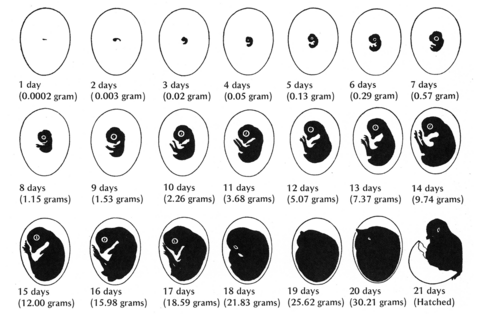
Veins appear as thin, dark lines spreading inside the egg. They show the embryo is alive and growing. You might also see the embryo itself. It can look like a small dark spot near the veins. Sometimes, you see the embryo move if you watch closely.
These signs usually start appearing around day 4 to 7 of incubation. If you see no veins or movement after this time, the egg may not be alive.
Air Cell Development
The air cell is a small pocket of air inside the egg. It grows larger as the embryo uses oxygen. During candling, this looks like a dark, rounded area at the egg’s wider end. A healthy egg shows a clear, growing air cell.
If the air cell is too big or too small, it might mean a problem. A stable air cell size suggests the embryo is developing normally.
Opaque Vs Transparent Areas
Opaque areas inside the egg usually mean embryo growth or blood vessels. Transparent areas are clear, with no development. A healthy egg has a mix of opaque and transparent parts, showing embryo progress.
An egg that is fully transparent likely has no embryo. Solid dark spots without veins can mean the embryo stopped growing. These color changes help tell if the egg is alive or not.
Credit: extension.msstate.edu
Common Mistakes To Avoid
Understanding whether a bird egg is alive can be tricky, especially if you’re new to birdwatching or egg incubation. Avoiding common mistakes can save you from unnecessary worry and help protect fragile eggs. Let’s look at some pitfalls that often lead people astray.
Handling Eggs Too Much
It’s tempting to check your eggs frequently, but excessive handling can harm the embryo inside. Each time you move or touch an egg, you risk disturbing its natural environment and temperature balance.
Try to limit your contact and use gentle movements when necessary. Remember, even slight jostling can reduce the chances of survival, so ask yourself: is it really necessary to handle the egg now?
Mistaking Dirt For Signs
Sometimes, dirt or stains on the eggshell can be confused with cracks or development signs. This misunderstanding can lead to false hopes or unnecessary disposal of eggs.
Clean the eggs gently with a soft cloth if needed, but be careful not to scrub off the protective bloom. Ask yourself if what you see is a natural mark or something that truly indicates life inside.
Testing Eggs Too Early
Checking eggs too soon often gives misleading results. Early candling or cracking open eggs before the embryo has developed enough can cause you to wrongly assume the egg is infertile or dead.
Give the egg enough time—usually about a week for most bird species—before testing. Have patience and remember that nature doesn’t work on our schedule.
When To Seek Expert Help
Knowing when to seek expert help is crucial for the health of bird eggs. Some situations need special care beyond basic checks. Experts can provide the right guidance and support to ensure the best outcome for the egg and the bird.
Wild Bird Eggs
Wild bird eggs need careful handling to avoid harm. Disturbing a wild nest can cause the parent birds to abandon it. Experts in wildlife know how to assess and care for these eggs safely. They use tools and knowledge to check egg viability without causing stress.
Endangered Species
Eggs of endangered birds require special attention. These species have low populations and fragile habitats. Handling their eggs without expert advice can cause damage or loss. Conservationists and wildlife biologists have the skills to protect these eggs. They follow strict rules to support species survival.
Uncertain Results
Sometimes, it is hard to tell if an egg is alive by simple tests. Unclear signs or damaged eggs need expert evaluation. Professionals can use advanced methods like candling or ultrasound. They offer a clear answer and suggest next steps. Getting help avoids unnecessary risks to the embryo inside.
Credit: www.pigeons.biz
Frequently Asked Questions
How Can I Tell If A Bird Egg Is Fertile?
You can tell if a bird egg is fertile by candling it. Shine a bright light through the egg in a dark room. Look for visible veins or a dark spot inside, indicating embryo development.
What Is Candling In Bird Egg Inspection?
Candling is a method to check egg viability using a light source. It helps identify if an embryo is growing by revealing internal structures inside the egg.
How Long After Laying Can I Check An Egg's Life?
You can candle a bird egg after 5 to 7 days of incubation. At this stage, veins and embryo movement become visible, indicating the egg is alive.
What Signs Show A Bird Egg Is Not Alive?
An egg with no visible veins or a clear, dark interior after candling is likely not alive. Floating in water or foul smell also indicates non-viability.
Conclusion
Discovering if a bird egg is alive can be rewarding. Observe its color and shape. Listen for any faint sounds. Gently test its warmth. Never shake the egg. Handle with care to avoid harm. Patience is key in this process.
Use these tips to check the egg's status. Remember, be gentle and attentive. Each step brings you closer to understanding. With practice, your skills will improve. Soon, you'll become more confident. Enjoy the journey of learning about bird eggs. It's a fascinating and delicate experience.
Nature offers many wonders to explore.