If your dog struggles with separation anxiety, putting them in a kennel can feel like a big challenge. You want to keep your furry friend safe and comfortable, but the worry and stress they show when alone can make kennel training seem impossible.
What if there was a way to help your dog feel calm and secure in their kennel? In this guide, you’ll discover simple, proven steps to ease your dog’s anxiety and turn their kennel into a happy, relaxing space. Keep reading—because your dog deserves to feel safe, and you deserve peace of mind.
Credit: www.dogsavvylosangeles.com
Recognizing Separation Anxiety
Recognizing separation anxiety in your dog is the first step toward effective kennel training. Not every dog that barks or chews when alone has separation anxiety, but spotting the right signs helps you tailor your approach. Understanding these signs can save your dog from stress and make the kennel a safe, comforting space.
Common Signs In Dogs
Dogs with separation anxiety often show clear signs of distress as soon as you prepare to leave. You might notice:
- Excessive barking or howlingthat starts shortly after you leave and stops when you return.
- Destructive behaviorlike chewing furniture, scratching doors, or tearing up cushions.
- Escaping attemptsthat can lead to injury, such as digging under doors or jumping fences.
- Salivating, pacing, or shakingwhen left alone.
Have you ever returned home to a mess that seemed out of character for your dog? This might be more than just boredom—it could be anxiety calling for your attention.
Behavioral Patterns To Watch
Watch how your dog behaves not just during your absence but also in the moments leading up to it. Notice if they follow you anxiously, whine, or get unusually clingy.
Some dogs show a clear buildup of stress before you leave, like pacing or whining near the door. Others may seem calm but panic as soon as you’re out of sight.
Recognizing these patterns helps you anticipate your dog's emotional state and adjust your kennel training to include calming routines. Is your dog’s distress linked to specific triggers like picking up keys or putting on shoes? Identifying these can help you break the cycle.
Choosing The Right Kennel
Choosing the right kennel plays a vital role in easing your dog’s separation anxiety. The kennel must feel safe and comfortable for your pet. It should not feel like a punishment but a cozy retreat. A well-chosen kennel helps your dog adjust better and feel secure when alone.
Size And Comfort Considerations
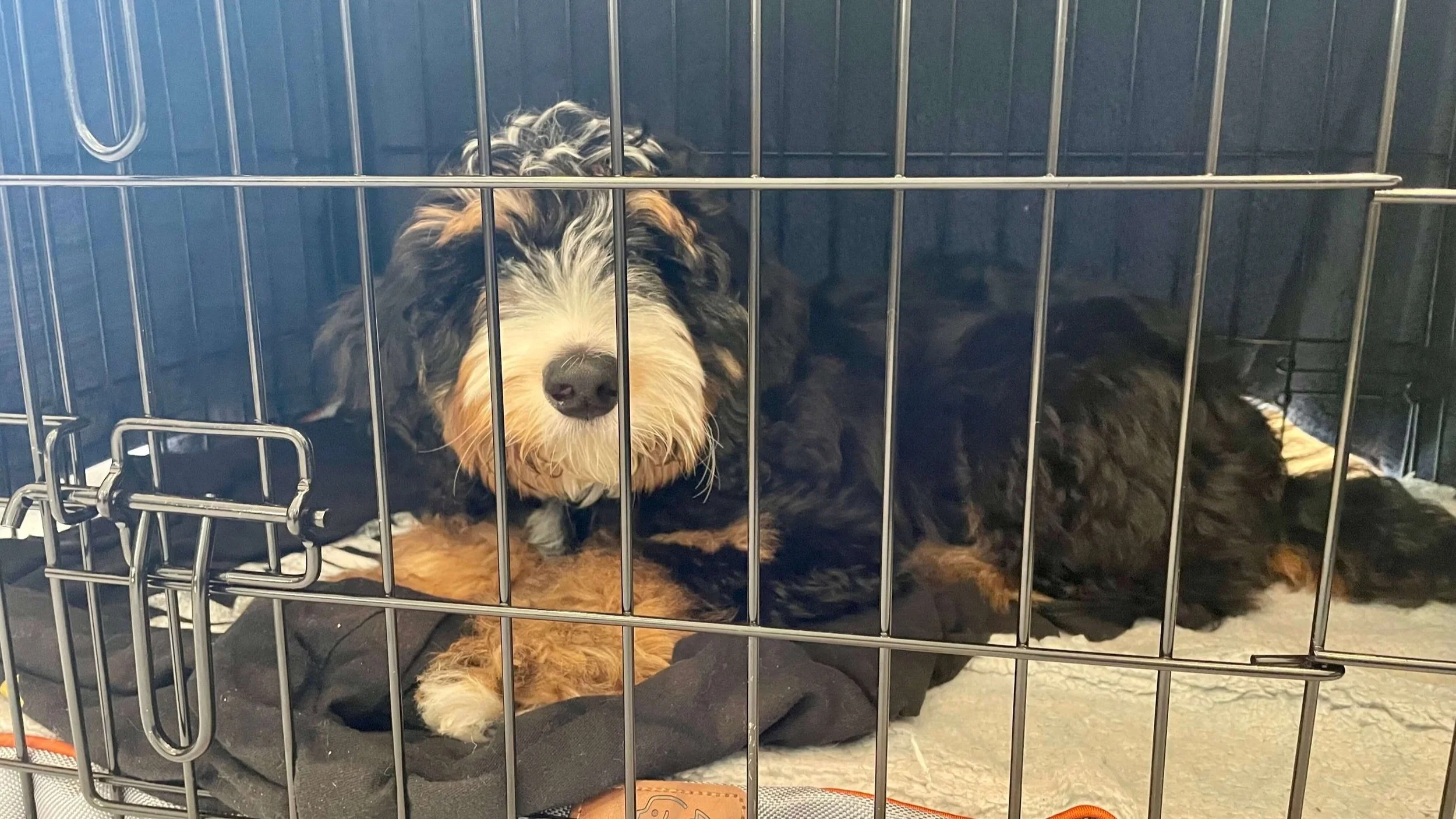
The kennel should be large enough for your dog to stand, turn, and lie down. Not too big, or your dog might use one corner as a bathroom. Not too small, or it feels cramped and uncomfortable.
Soft bedding inside can add warmth and comfort. Use blankets or dog beds that your dog already likes. A familiar scent helps calm anxious dogs.
Good ventilation is key. Your dog needs fresh air but also a sense of shelter. The kennel should be placed in a quiet, calm spot in your home.
Types Of Kennels
- Wire Kennels:Offer good airflow and visibility. They often come with dividers to adjust size as your dog grows.
- Plastic Kennels:Provide a cozy, enclosed space. They block out distractions and create a den-like feel.
- Soft-Sided Kennels:Lightweight and portable. Best for calm dogs who do not chew or try to escape.
Choose a kennel type that suits your dog’s behavior and anxiety level. The right kennel helps your dog feel safe and calm.
Preparing Your Dog For Kennel Training
Preparing your dog for kennel training takes patience and thoughtful steps, especially if your dog struggles with separation anxiety. The key is to make the kennel feel like a safe and inviting place rather than a confinement area. This preparation helps reduce stress and builds positive associations with the kennel.
Creating A Safe Space
Think of the kennel as your dog's personal retreat. Place soft bedding inside to make it cozy and add a favorite toy or an item with your scent. These little touches can make the kennel feel less intimidating.
Keep the kennel in a quiet, familiar spot where your dog usually spends time. Avoid areas with too much noise or foot traffic. This helps your dog feel calm and secure.
Have you noticed how your dog reacts to new spaces? Watching their body language can guide you in making the kennel more comfortable. If your dog seems hesitant, try adding treats or feeding meals inside the kennel to create positive experiences.
Introducing The Kennel Gradually
Don't expect your dog to jump into the kennel right away. Start by leaving the door open and letting your dog explore it at their own pace. Praise or reward them whenever they show interest.
Next, encourage short stays inside the kennel with the door closed for a few seconds while you're nearby. Slowly increase this time, always watching for signs of stress. If your dog whines or paws at the door, wait and try again later—forcing it can backfire.
Try sitting near the kennel while your dog is inside, reading or working quietly. This presence reassures your dog that being alone in the kennel is temporary and safe. How might your calm presence affect your dog’s comfort during this process?
Credit: mail.sadio.org.ar
Step-by-step Kennel Training Process
Kennel training a dog with separation anxiety needs patience and care. The process helps your dog feel safe and calm in the kennel. Follow simple steps to build trust and comfort. Each step supports your dog’s confidence in small, manageable ways.
Short Stays And Positive Reinforcement
Start with very short kennel stays. Let your dog enter the kennel freely. Use treats and praise to make the kennel a happy place. Keep sessions fun and light. Let your dog leave before showing signs of stress. Repeat these short visits often.
Increasing Time In The Kennel
Slowly extend the time your dog stays inside. Watch your dog’s body language carefully. If your dog stays calm, add a few more minutes. Avoid long periods too soon. Break long times into shorter sessions during the day. This builds tolerance without stress.
Maintaining Calm Departures And Arrivals
Make leaving and coming home quiet and calm. Avoid big fuss or loud goodbyes. This lowers anxiety about being alone. Enter and exit without drawing attention. Use a soft voice and gentle movements. This helps your dog stay relaxed over time.
Managing Separation Anxiety Symptoms
Managing separation anxiety symptoms is crucial when kennel training your dog. Anxiety can make the process tougher, but understanding how to calm your dog’s mind can lead to smoother transitions. You’ll want to focus on techniques that reduce stress and provide comfort during times of separation.
Calming Techniques
One effective calming method is using gentle, consistent routines before placing your dog in the kennel. Try spending a few quiet minutes petting or softly talking to your dog to ease their nerves. You might also find that playing soft music or white noise helps drown out unsettling sounds and creates a calming environment.
Another approach is practicing short departures. Leave the room for just a few seconds, then return calmly. Gradually increase the time away to build your dog’s confidence without overwhelming them.
Have you noticed how your own calm energy can affect your dog? Dogs often mirror your mood, so staying relaxed helps your dog stay relaxed too.
Using Toys And Comfort Items
Adding familiar toys and comfort items to the kennel can make the space more inviting and less intimidating. Chew toys, especially those that can be stuffed with treats, keep your dog busy and distracted from anxiety.
Including a piece of your clothing, like a worn T-shirt, brings your scent into the kennel. This simple addition can provide reassurance and a sense of security for your dog.
Don’t overlook the power of texture—soft blankets or bedding that your dog loves can make the kennel feel more like a safe retreat. Have you tried swapping different comfort items to see what your dog prefers? It’s a small tweak that can make a big difference.
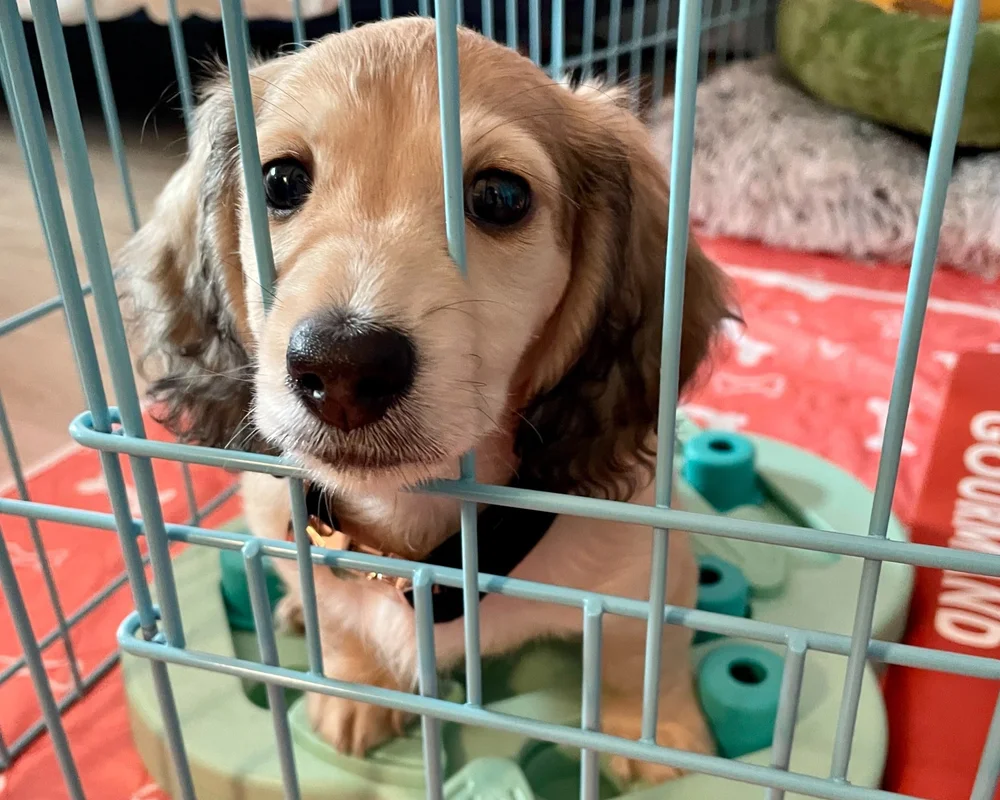
Credit: www.dogsavvylosangeles.com
Avoiding Common Kennel Training Mistakes
Avoiding common mistakes in kennel training helps your dog feel safe and calm. Many owners rush or get frustrated, which makes anxiety worse. Careful steps create trust and comfort. Focus on gentle guidance and steady habits. This approach reduces stress for both you and your dog.
Not Punishing Anxiety Behaviors
Never punish your dog for showing anxiety. Barking, whining, or scratching come from fear, not bad behavior. Punishment increases stress and breaks trust. Instead, offer comfort and calm words. Reward quiet moments with treats or praise. This teaches your dog that calmness brings good things.
Consistency And Patience
Stick to a regular schedule for kennel training. Always use the same commands and routines. Dogs feel safer with clear, predictable patterns. Patience matters most. Some dogs take weeks to adjust. Celebrate small wins. Keep sessions short and positive. Consistent care helps your dog build confidence over time.
When To Seek Professional Help
Knowing when to seek professional help is crucial for managing your dog's separation anxiety effectively. Sometimes, despite your best efforts, the anxiety may worsen or not improve. Recognizing the right moment to get expert support can save both you and your dog from prolonged stress.
Signs Of Severe Anxiety
Watch closely for behaviors that go beyond typical nervousness. These signs include:
- Excessive drooling or panting even when calm
- Persistent destructive behavior inside the kennel or house
- Self-harm like biting or excessive licking
- Continuous barking or howling for hours
- Refusing to eat or drink when left alone
If you notice these symptoms, your dog’s anxiety is likely severe. Don’t wait for it to worsen before asking for help.
Working With Trainers And Vets
Professional trainers and veterinarians can offer tailored strategies that you might not find on your own. A trainer experienced in anxiety can teach you calming techniques and proper kennel introduction methods. Vets can assess if medication or special therapies are necessary.
Imagine trying to calm a storm without the right tools—professionals provide those tools. You can expect clear guidance, ongoing support, and adjustments based on your dog’s progress. Have you talked to a vet or trainer yet? If not, it might be time to reach out and get that expert advice.
Frequently Asked Questions
What Is The Best Way To Kennel Train A Dog?
Start by introducing the kennel as a positive space. Use treats and toys to encourage your dog. Gradually increase the time they spend inside. Consistency and patience are key. This will help in reducing their anxiety over time.
How Does Kennel Training Help With Separation Anxiety?
Kennel training provides a safe and secure environment for your dog. It can reduce stress when you're not home. The kennel becomes their personal space, helping them feel more relaxed. This can significantly alleviate separation anxiety symptoms.
How Long Does It Take To Kennel Train A Dog?
The time varies for each dog, typically taking several weeks. Consistent training and positive reinforcement are essential. Be patient and avoid rushing the process. Every dog is different, so adjust your approach as needed.
Can Kennel Training Worsen Separation Anxiety?
If done incorrectly, it might increase anxiety. Ensure the kennel is a positive space, not a punishment. Gradually introduce the kennel and avoid forcing your dog inside. Monitor your dog's behavior and adjust training methods accordingly.
Conclusion
Kennel training helps dogs feel safe and calm alone. Start slow and be patient with your dog. Use treats and praise to build good habits. Keep training sessions short and positive. Watch your dog's reactions and adjust as needed. Over time, your dog will grow more confident.
A calm dog means less stress for you both. Consistency and kindness make the biggest difference. Keep practicing every day for the best results. Your dog will learn to enjoy their kennel space. Trust the process and stay gentle always.