
If you’re a cat owner, you know the joy and companionship these furry friends bring into your life. However, there’s one challenge that often comes with the territory: keeping your home smelling fresh.
You love your cat, but let's face it, sometimes their presence can be a bit too noticeable. The good news? You don’t have to compromise on either your love for your pet or your home’s freshness. In this guide, you'll discover simple, effective strategies to ensure your house remains a pleasant place for you, your family, and your guests.
Curious about how to achieve a perfectly balanced, odor-free home? Keep reading, and you'll learn the secrets to keeping your house from smelling like cat, making your living space inviting and comfortable for everyone.
Identify Common Cat Odor Sources
Cat odors can linger in your home and become unpleasant. Identifying where these smells come from helps keep your house fresh. Cats have specific spots that often carry their scent. Knowing these areas makes cleaning easier and more effective.
Litter Boxes
Litter boxes are the main source of cat odors. Waste and urine produce strong smells. Regular cleaning prevents odor buildup. Use clumping litter and scoop daily. Wash the box with soap and water weekly. Place the box in a well-ventilated area to reduce smell.
Cat Bedding And Toys
Cat beds and toys absorb odors from fur and skin oils. Cats spend a lot of time resting here. Wash bedding often in hot water to remove smells. Clean toys with mild soap to freshen them. Replace old or worn items that hold stubborn odors.
Scratching Posts And Furniture
Scratching posts and furniture trap odors from oils and dirt. Cats rub and scratch these surfaces. Vacuum or wipe down posts regularly. Use fabric cleaners on furniture to remove smells. Consider washable covers on furniture to keep odors away.
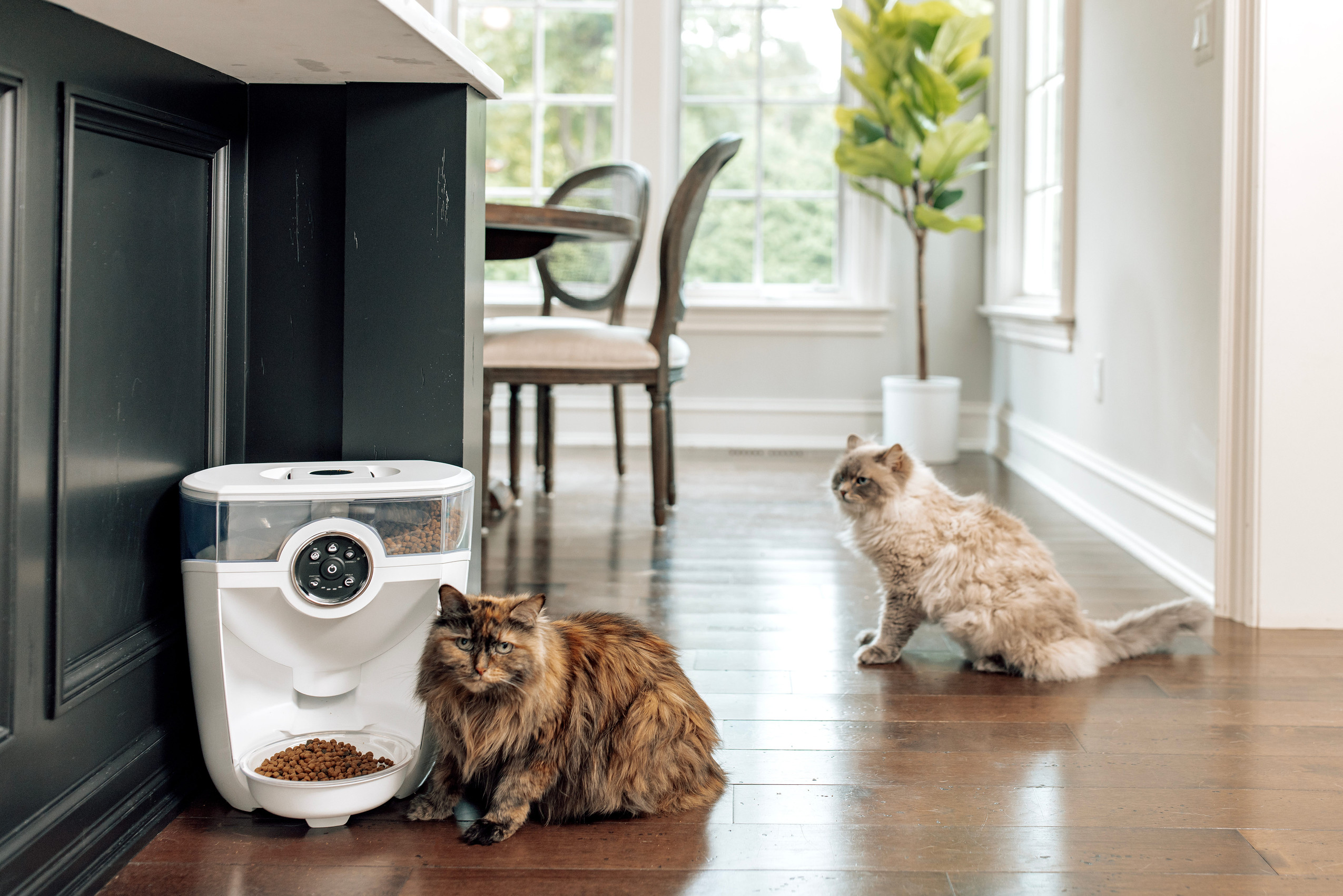
Credit: www.litter-robot.com
Maintain Clean Litter Boxes
Maintaining clean litter boxes is essential to keep your house smelling fresh and free from unpleasant cat odors. A well-kept litter box not only benefits your home's air quality but also makes your cat happier and healthier. Let’s explore how small changes in litter box care can make a big difference.
Choose The Right Litter
Not all cat litter is created equal. Some litters are designed specifically to control odor better than others. Clumping litters, for example, trap moisture quickly and make scooping easier, reducing smell.
Consider litters with activated charcoal or baking soda added—they absorb odors naturally. You might need to try a few types to find what works best for your cat and your nose. Have you noticed a difference when switching litter brands?
Frequent Cleaning Schedule
Cleaning litter boxes regularly is non-negotiable. Ideally, scoop waste at least once a day to prevent odors from building up.
Empty the entire litter and wash the box with mild soap and warm water weekly. This routine stops bacteria from growing and keeps odors at bay. How often do you clean your cat’s litter box?
Use Odor Absorbers
Adding odor absorbers can boost your litter box’s freshness. Products like baking soda sprinkled under the litter layer are cheap and effective.
You can also try specialized odor-absorbing liners or mats outside the box. These extra steps catch smells before they escape into your home. What’s your go-to trick for neutralizing litter box odors?
Regular Grooming For Cats
Regular grooming plays a key role in keeping your home fresh and free from cat odors. Cats groom themselves, but they need help to stay clean and healthy. Grooming reduces loose fur, dirt, and oils that cause smells. It also keeps your cat comfortable and happy.
Brushing And Bathing
Brushing your cat removes dirt and loose hair. It stops fur from building up and smelling bad. Use a brush suitable for your cat’s fur type. Brush at least twice a week for short-haired cats. Long-haired cats need daily brushing.
Bathing cats is less common but sometimes needed. Use a mild cat shampoo to avoid skin irritation. Bathing helps remove stubborn dirt and odors. Keep baths short and calm to reduce stress for your cat.
Diet And Health Impact
What your cat eats affects their smell. Good quality food supports healthy skin and fur. Poor diets can cause oily fur and bad odors.
Health issues can also cause smells. Dental problems, skin infections, or digestive troubles may create bad odors. Regular vet visits help catch these early. Healthy cats smell better and feel better.

Credit: www.reddit.com
Deep Cleaning Home Surfaces
Keeping your home fresh means tackling the surfaces where cat odors can linger. Deep cleaning these areas removes trapped smells and prevents them from spreading. It’s not just about what you see—pet odors often hide in fabrics, carpets, and upholstery, so a thorough clean is key.
Vacuuming And Washing Fabrics
Start by vacuuming all fabric surfaces, including curtains, cushions, and pet bedding. Use a vacuum with a HEPA filter to capture pet dander and hair effectively. After vacuuming, wash washable fabrics with a pet-safe detergent to eliminate hidden smells.
Have you noticed that even after vacuuming, some fabrics still hold a faint cat odor? That’s because odors can seep deep into fibers. Washing helps break down these smells before they become permanent.
Cleaning Carpets And Upholstery
Carpets and upholstered furniture are prime spots for cat smells. Use a carpet cleaner with hot water extraction or rent a steam cleaner for a more intensive clean. Pay extra attention to spots your cat frequents, like under tables or near windows.
Spot cleaning with a mixture of water and mild detergent can also help. Don’t forget to let these areas dry completely—dampness can worsen odors.
Use Enzyme Cleaners
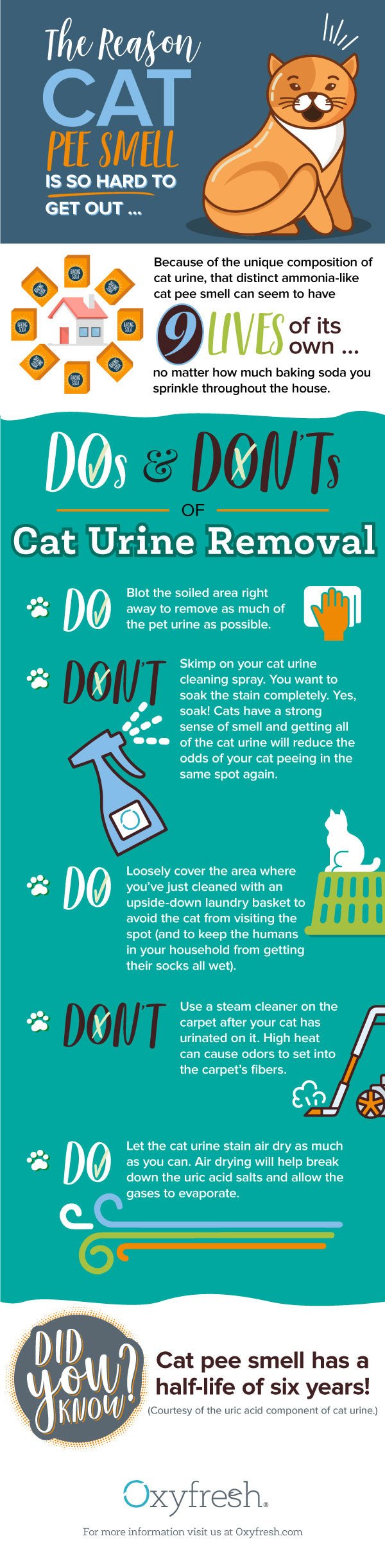
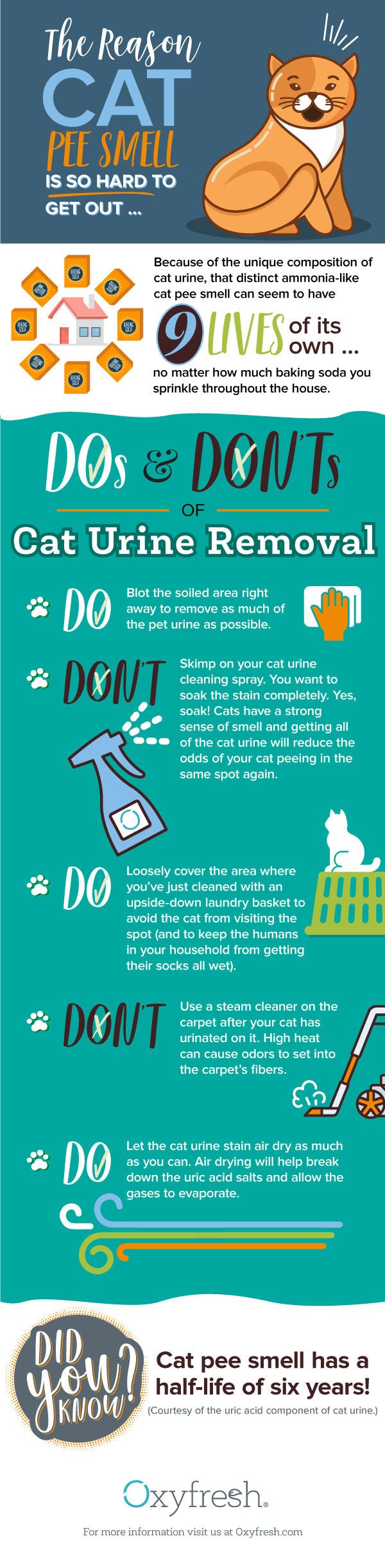
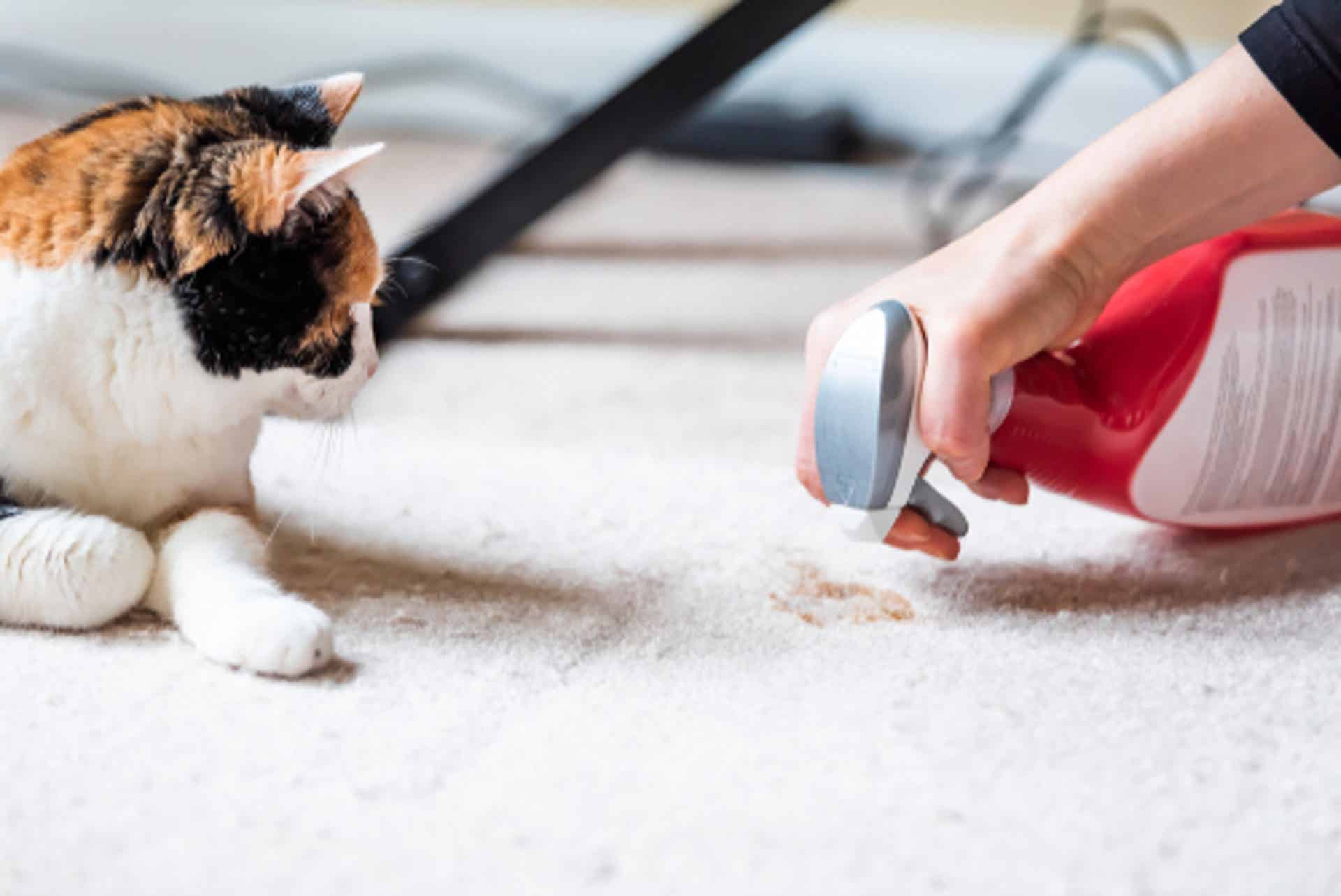
Enzyme cleaners are a game-changer for removing pet odors. These cleaners work by breaking down the organic compounds in urine and other messes that cause smells. Spray enzyme cleaner generously on affected areas and let it sit to do its work.
Have you tried enzyme cleaners before? They often work where regular cleaners fail, especially on stubborn smells trapped in carpets or furniture. Using them regularly can keep your home smelling fresh and inviting.
Improve Air Quality
Improving air quality is key to keeping your house fresh and free from cat odors. Clean air helps reduce smells and creates a healthier environment for everyone. Simple changes can make a big difference in how your home smells.
Ventilation Tips
- Open windows daily to let fresh air circulate.
- Use exhaust fans in kitchens and bathrooms to remove moisture and odors.
- Keep doors between rooms open to improve airflow.
- Place fans near windows to push stale air outside.
- Consider installing a whole-house ventilation system for constant fresh air.
Air Purifiers And Fresheners
- Use air purifiers with HEPA filters to trap pet dander and dust.
- Choose purifiers with activated carbon filters to absorb odors.
- Place purifiers in rooms where your cat spends most time.
- Use natural air fresheners like baking soda or essential oils.
- Avoid strong chemical sprays that can irritate pets and people.
Credit: www.servpro.com
Preventing Future Odors
Preventing future odors in your home starts with managing your cat’s habits and the spaces they frequent. Taking proactive steps helps keep your living areas fresh and avoids the buildup of unwanted smells. You don’t have to live with persistent cat odors if you adjust daily routines and boundaries.
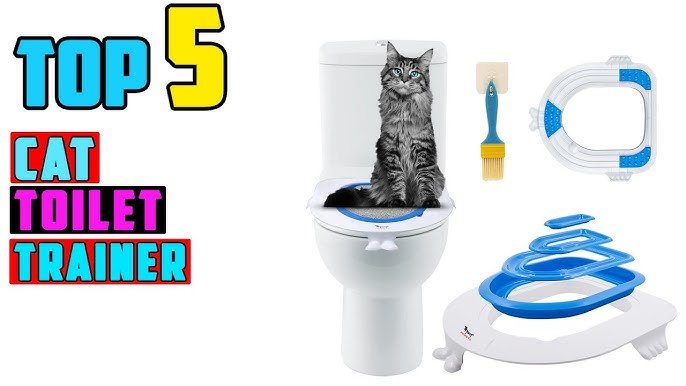
Training Cats For Proper Bathroom Habits
Teaching your cat to use the litter box consistently is crucial. Make sure the box is always clean—cats avoid dirty spots, which can lead to accidents elsewhere. Try placing the litter box in a quiet, accessible location where your cat feels safe.
If your cat avoids the box, experiment with different litter types or box sizes. Some cats prefer unscented litter or covered boxes, while others need open trays. Reward your cat with treats or affection when they use the litter box correctly to reinforce good behavior.
Have you noticed where your cat prefers to go? Sometimes, odors come from repeated accidents in hidden corners. Catching these early and cleaning thoroughly stops smells from embedding into carpets or furniture.
Limiting Access To Certain Areas
Controlling where your cat can roam reduces the chance of odor buildup. Close doors or use pet gates to keep cats out of bedrooms, kitchens, or areas where smells linger easily. This simple step can make a big difference in maintaining freshness.
Consider using deterrents like double-sided tape or citrus scents in off-limit areas since cats dislike these. You might find that limiting access not only controls odors but also protects your belongings.
How often do you check the less-used rooms for hidden messes? Setting boundaries for your cat and regularly inspecting these spots prevents odors from sneaking up on you.
Frequently Asked Questions
How Can I Remove Cat Odor From My Home Effectively?
To remove cat odor, clean litter boxes daily and use baking soda. Wash cat bedding weekly and vacuum carpets regularly. Use air purifiers and natural deodorizers like vinegar to neutralize smells.
What Litter Type Helps Reduce Cat Smell The Most?
Clumping, odor-control cat litter with activated charcoal works best. It traps moisture and neutralizes odors quickly. Avoid scented litters if your cat has sensitivities.
How Often Should I Clean My Cat’s Litter Box?
Clean the litter box daily by scooping waste. Change the entire litter and wash the box with mild soap weekly. Regular cleaning prevents lingering odors and bacteria buildup.
Can Proper Ventilation Reduce Cat Smells Indoors?
Yes, good ventilation helps remove airborne cat odors. Open windows and use exhaust fans to circulate fresh air. This reduces odor concentration and keeps your home smelling fresh.
Conclusion
Keeping your home fresh is easier than you think. Clean litter boxes often and use good ventilation. Wash your cat’s bedding regularly. Use baking soda or air purifiers to help remove smells. Small habits make a big difference over time.
Your house can smell clean and welcoming again. Enjoy a fresh, happy home with your cat.