
Is your dog jumping onto your bed every night, making it hard for you to get a good night's sleep? You’re not alone.
Many pet owners struggle with this habit, but the good news is you can change it. Imagine having your own space back without hurting your dog’s feelings or causing stress. You’ll discover simple and effective ways to keep your dog off your bed—so both of you can enjoy peaceful rest.
Keep reading to find out how easy it is to set boundaries while still showing your furry friend love.

Credit: www.petscare.com
Reasons To Keep Dogs Off Beds
Many dog owners love to share their beds with their pets. Still, there are good reasons to keep dogs off beds. These reasons affect health, sleep, and the pet's behavior. Understanding them helps create a better space for both owners and dogs.
Hygiene Concerns
Dogs carry dirt, germs, and allergens on their fur and paws. These can transfer to your bed linens and pillows. This can trigger allergies or skin irritation. Beds become harder to clean than floors or dog beds. Keeping dogs off beds helps maintain a cleaner sleep environment.
Sleep Quality
Dogs move, snore, or shift positions during sleep. This can disturb your rest without you noticing. Sharing a bed may reduce deep sleep and cause tiredness. Sleeping separately allows both dogs and owners to rest better and wake refreshed.
Behavioral Boundaries
Allowing dogs on the bed can confuse their role in the home. It may lead to dominance issues or possessive behavior. Setting clear limits helps dogs understand their place. This supports training and improves overall obedience and respect.
Create A Comfortable Dog Space
Creating a cozy space for your dog helps keep them off your bed. Dogs love comfort and security. A special area just for them encourages good habits. It shows your dog a safe place to rest. This space should feel inviting and familiar.
Choosing The Right Bed
Pick a bed that fits your dog's size and sleeping style. Soft beds work well for dogs who like to curl up. Firm beds support dogs who stretch out. Look for durable, washable materials. A bed with raised edges can give extra comfort and support.
Ideal Location
Place the bed in a quiet, low-traffic area. Dogs like to feel safe but still near family. Avoid spots that are too cold or drafty. A corner or against a wall works well. Keep the bed away from noisy appliances or busy doorways.
Adding Familiar Items
Include your dog’s favorite toys and blankets. These items bring comfort and a sense of home. Use a piece of your clothing with your scent. This can help your dog feel calm and close to you. Rotate toys to keep the space interesting.
Consistent Training Techniques
Consistent training is key to teaching your dog to stay off your bed. Dogs learn best through clear, steady routines. Consistency helps your dog understand what behavior is expected. Training sessions should be short but regular to keep your dog focused. Patience and repetition build good habits over time. Using the same commands and rewards each time makes learning easier. This section covers effective techniques to keep your dog off your bed.
Using Positive Reinforcement
Positive reinforcement means rewarding good behavior. Give your dog treats, praise, or playtime when they stay off the bed. This teaches them that staying off the bed brings rewards. Avoid punishment, which can confuse or scare your dog. Reward your dog immediately after the right action. This helps your dog connect the reward with the behavior. Over time, your dog will choose to stay off the bed to earn rewards.
Teaching The 'off' Command
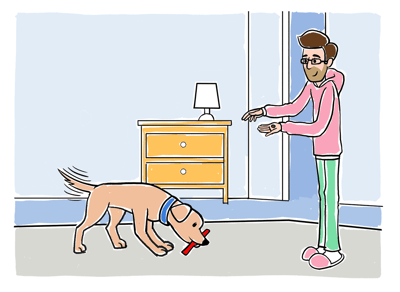
The "off" command tells your dog to get down from the bed. Use a calm, firm voice when saying "off." Gently guide your dog off the bed if needed. Once on the floor, praise and reward your dog. Repeat this command every time your dog climbs on the bed. Practice in different situations to make the command strong. This helps your dog learn that "off" always means leave the bed.
Redirecting To Their Bed
Provide a comfortable bed or mat for your dog nearby. When your dog jumps on your bed, calmly lead them to their bed. Use a treat or toy to encourage your dog to lie down there. Praise your dog for resting on their bed instead of yours. This redirection teaches your dog where they should sleep. Make your dog’s bed a happy and inviting place. This reduces the desire to climb on your bed.
Managing Nighttime Habits
Managing your dog’s nighttime habits is key to keeping them off your bed. Dogs are creatures of habit, and what you allow at night can quickly become their routine. Adjusting these habits takes patience and consistency, but the results are worth it for a peaceful night’s sleep.
Establishing A Routine
Dogs thrive on consistency. Set a clear bedtime routine that signals it’s time to settle down elsewhere. This could include a final walk, a bit of playtime, and then guiding your dog to their own cozy spot.
Try to keep this routine the same every night. Over time, your dog will learn that their bed—not yours—is where they should rest. Have you noticed how dogs pick up on cues faster than we expect?
Limiting Access To The Bedroom
Preventing your dog from entering the bedroom is a straightforward way to keep them off your bed. Close the door or use a screen if you prefer some airflow.
It might be tough at first if your dog is used to sleeping with you. You’ll need to be firm and consistent, gently guiding them back to their sleeping area whenever they try to sneak in.
Using Barriers And Gates
Physical barriers can help you enforce boundaries without constant supervision. Baby gates or pet gates work well to block your dog from entering your bedroom while still letting you see and hear each other.
Choose gates that your dog can’t jump over or push aside. This strategy gives your dog a clear boundary and helps prevent nighttime visits to your bed. Have you tried this yet, and what kind of reaction did your dog have?
Addressing Separation Anxiety
Separation anxiety can cause dogs to seek comfort by jumping on your bed. This behavior is common in dogs that feel nervous when alone. Addressing separation anxiety helps your dog feel safe without needing your bed. It creates a calm and happy space for your pet.
Recognizing Signs
- Whining or barking when you leave the room
- Pacing or restless behavior
- Chewing or scratching at doors or furniture
- Following you constantly around the house
- Showing signs of stress like drooling or shaking
Spotting these signs early helps you act quickly. Understanding your dog's feelings guides your training efforts.
Providing Comfort Alternatives
Give your dog a cozy bed in a quiet spot. Use soft blankets and favorite toys to make it inviting. Try placing the bed near your room for reassurance.
Offer a piece of your worn clothing for comfort. Play calming music or use a white noise machine. These tools reduce stress and help your dog relax.
Seeking Professional Help
Some dogs need extra support from a trainer or vet. Professionals can teach you how to ease anxiety safely. They may suggest behavior therapy or calming aids.
Early guidance improves your dog’s confidence and independence. Don’t hesitate to get help if anxiety persists.

Credit: www.foxnews.com
Maintaining Progress Long-term
Keeping your dog off your bed is a challenge that doesn’t end once they learn the rules. Long-term success depends on maintaining the boundaries you’ve set. It’s about staying patient, being proactive, and gently guiding your furry friend back on track whenever needed.
Consistency Is Key
Dogs thrive on routine. If you allow your dog on the bed sometimes but not others, it confuses them. Make a clear and consistent rule that your dog understands—either the bed is off-limits or it’s not.
Think about your own habits. Would you follow a rule if it changed daily? Neither will your dog. Consistency means reinforcing the same message every day, no exceptions.
Reinforcing Good Behavior
Positive reinforcement helps your dog remember what’s expected. Every time they choose their bed or a designated spot, reward them with treats, praise, or playtime.
Try using a special toy or blanket to make their sleeping area more inviting. This small change can make a big difference in encouraging your dog to stay put. Have you noticed how dogs respond better to rewards than punishments?
Handling Setbacks
Setbacks happen. Maybe your dog jumps on the bed when you’re not looking. Don’t panic or get angry; stay calm and gently guide them back to their spot.
If this happens often, review your routine and check if your dog’s needs are fully met during the day. Sometimes, restlessness leads to bed jumping. What adjustments can you make to keep your dog calm and comfortable?

Credit: www.threads.com
Frequently Asked Questions
How Can I Train My Dog To Stay Off The Bed?
Use consistent commands and positive reinforcement. Provide a comfortable dog bed nearby. Reward your dog when it stays off your bed. Consistency and patience are key to successful training.
Why Does My Dog Insist On Sleeping On My Bed?
Dogs seek comfort, warmth, and closeness to their owners. Sleeping on your bed provides security and bonding. Understanding this helps address the behavior with empathy and effective training.
What Are Effective Alternatives To Keep Dogs Off Beds?
Offer a cozy dog bed or crate in your room. Use barriers like baby gates or closed doors. Provide toys and attention to reduce bed-seeking behavior.
Can Ignoring My Dog Help Keep It Off The Bed?
Ignoring attention-seeking behavior can reduce your dog's desire to jump on the bed. Avoid reinforcing the habit by not giving attention when it tries. Patience and consistency are essential.
Conclusion
Training your dog to stay off the bed takes patience and consistency. Stick with the methods that suit you and your pet. Celebrate small victories as they happen. Always reward your dog for good behavior. This builds trust and understanding.
Dogs love a cozy space of their own. Ensure they have a comfy bed nearby. This makes the transition easier. Keep reinforcing the rules daily. Your efforts will pay off with time. A well-trained dog creates a happier home. A peaceful night's sleep awaits you both.
Stay consistent, and you'll see results.