Are you tired of starlings taking over your bird feeders and scaring away the smaller, friendlier birds you want to attract? You’re not alone.
These noisy, aggressive birds can quickly turn your peaceful backyard into their own feeding frenzy. But don’t worry—there are simple, effective ways you can keep starlings away without harming them. You’ll discover easy tips and tricks that will help you protect your feeders and enjoy watching a variety of beautiful birds visit your yard.
Keep reading to find out how to take back control and create the bird-friendly space you’ve always wanted.

Credit: www.popsci.com
Why Starlings Visit Feeders
Starlings are common visitors at bird feeders. They come because feeders provide easy access to food. These birds are social and often travel in flocks. Feeders offer a reliable food source, especially in colder months.
Understanding why starlings visit can help manage their presence. Their behavior is driven by hunger, safety, and convenience. Knowing their motives allows better feeder design and placement.
Attraction To Food Variety
Starlings prefer a wide range of seeds and grains. They are not picky eaters. Feeders with mixed seeds attract them more than single-seed types. High-fat seeds like sunflower seeds are especially tempting.
Safety In Numbers
Starlings feel safer in groups. Flocking reduces the risk of predators. Feeders that support multiple birds encourage starlings to gather. Large groups make it harder to keep them away.
Easy Access And Visibility
Starlings look for feeders that are easy to reach. They prefer feeders in open areas with clear views. This helps them spot predators and escape quickly. Feeders close to trees or shrubs offer quick shelter.
Seasonal Food Scarcity
During winter, natural food is scarce. Starlings rely more on feeders. They visit often to stock up on energy. This seasonal need drives their persistent visits.
Choosing The Right Feeder
Choosing the right feeder helps control starling visits. Starlings are large birds that can quickly dominate feeders. Feeding stations designed for smaller birds can discourage starlings. This choice supports your favorite birds without wasting seeds or causing damage.
Tube Feeders With Small Ports
Tube feeders have narrow openings that limit seed access. Small ports allow only tiny-beaked birds to eat. Starlings cannot reach the seeds easily, so they move on. These feeders often have perches sized for small birds. They keep larger birds from landing comfortably.
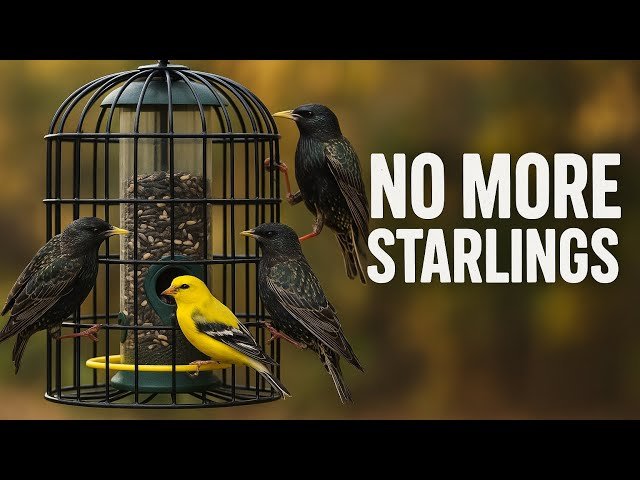
Caged Feeders
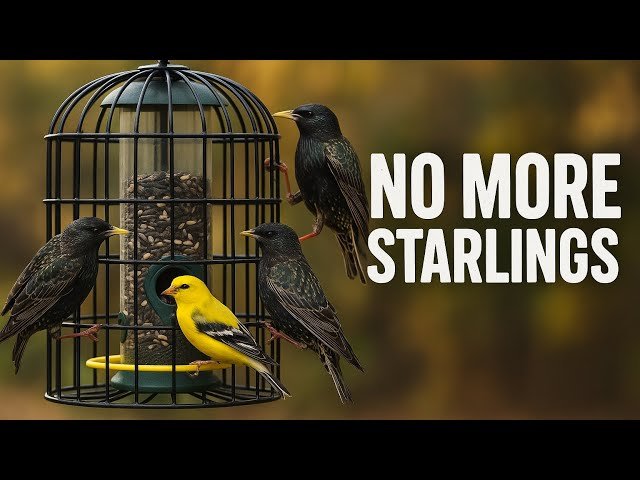
Caged feeders have metal cages around the seed area. The cage holes are big enough for small birds to enter. Larger birds like starlings cannot fit inside the cage. This design keeps seeds safe for finches, chickadees, and sparrows. It also reduces seed waste and mess.
Weight-sensitive Feeders
Weight-sensitive feeders close access when heavy birds land. These feeders use a spring or lever system. Small birds trigger the feeder to open. Starlings are too heavy, so the feeder closes. This method allows only light birds to feed. It saves seed and limits starling visits.
Selecting Bird Food To Deter Starlings
Selecting the right bird food plays a key role in keeping starlings away from your feeders. Starlings prefer certain seeds, so avoiding those can reduce their visits. Choosing bird food that starlings dislike encourages other birds to visit instead. This approach protects your feeder for the birds you want to attract.
Avoiding Millet And Corn
Starlings are very fond of millet and corn. These seeds attract large flocks quickly. Removing millet and corn from your feeder helps keep starlings away. Use seed mixes without these ingredients to discourage them. Other birds will still enjoy the food without the starlings arriving.
Using Safflower Seeds
Safflower seeds are a favorite for many songbirds. Starlings tend to avoid safflower. Adding safflower seeds to your feeder reduces starling visits. This seed is rich and nutritious, making it a great alternative. It helps attract cardinals, chickadees, and finches instead of starlings.
Mixing Spicy Or Bitter Additives
Spicy or bitter additives can repel starlings effectively. Capsaicin powder or cayenne pepper works well. These spices do not bother most songbirds. Sprinkle a small amount on seeds before filling the feeder. The taste stops starlings from eating without harming other birds.

Credit: www.birdwatchingdaily.com
Feeder Placement Strategies
Feeder placement plays a big role in keeping starlings away. Starlings like easy access and open spaces. Changing where and how you place your feeders can help limit their visits. Small changes in height and location can make a big difference. You can also block certain access points to stop starlings from reaching the food. These simple strategies help create a safer feeding spot for smaller birds.
Height And Location Tips
Place your feeder at least 5 feet above the ground. This height makes it harder for starlings to land and feed. Choose a spot away from open areas. Starlings prefer open spaces where they can easily spot danger.
Try placing feeders near shrubs or trees. Smaller birds feel safer near cover, but starlings avoid tight spaces. Avoid placing feeders too close to windows or walls. Starlings like to perch on flat surfaces nearby.
- Use tall poles with baffles to deter starlings.
- Keep feeders 10 feet apart to reduce crowding.
- Move feeders regularly to confuse starlings.
Limiting Access Points
Limit the ways starlings can reach the feeders. Use feeders with smaller ports or weight-sensitive perches. These features keep bigger birds out.
Remove nearby flat surfaces where starlings can land. Starlings need space to gather before feeding. Blocking these spots reduces their chances.
- Trim tree branches close to feeders.
- Install guards or mesh around feeder poles.
- Place feeders away from ledges or railings.
Using Physical Barriers
Using physical barriers is one of the most effective ways to keep starlings away from your bird feeders. These barriers create a physical challenge that deters starlings without harming them. You can customize these solutions to fit your feeder setup and still welcome smaller, friendlier birds.
Installing Baffles
Baffles are simple devices that block starlings from reaching your feeders. They usually look like cones or domes placed above or below the feeder to prevent birds from perching or climbing. Installing a baffle on the pole supporting your feeder can stop starlings from climbing up.
I once installed a dome-shaped baffle below my feeder, and the difference was immediate. Starlings couldn’t perch, but smaller birds like chickadees and finches visited freely. You can find baffles made of metal or plastic, which are weather-resistant and easy to clean.
Netting And Screens
Netting and screens act as barriers that block starlings while allowing smaller birds to pass through. You can place fine mesh netting around the feeder or use screens that cover specific feeder areas. This method works well if starlings are trying to access feeders from nearby branches or structures.
Make sure the mesh size is small enough to keep starlings out but large enough for tiny birds. Installing netting requires some patience, but once set up, it drastically reduces starling visits. Have you noticed how starlings often swarm feeders from nearby perches? Netting can stop that behavior by cutting off their approach routes.
Behavioral Deterrents
Behavioral deterrents help change how starlings act around bird feeders. These methods do not harm birds but make feeders less attractive. Starlings are smart and quickly learn to avoid places that seem dangerous or uncomfortable. Using behavioral deterrents can reduce starling visits and protect food for smaller birds.
Decoys And Reflective Objects
Decoys can scare starlings away from feeders. Fake predators like owls or hawks work well. Move decoys regularly to keep starlings unsure.
Reflective objects create light flashes that birds dislike. Hang old CDs, aluminum foil strips, or shiny ribbons near feeders. The moving reflections confuse and scare starlings. This simple trick keeps them at a distance without harming them.
Sound Devices
Sound devices emit noises that bother starlings. Ultrasonic repellents produce high-pitched sounds. Humans cannot hear these, but birds find them unpleasant.
Other devices play distress calls of starlings or predator sounds. These signals warn starlings of danger. Using sound devices helps keep starlings away from feeders for longer times.
Maintaining A Clean Feeding Area
Keeping the bird feeding area clean helps reduce starling visits. Starlings often come to feeders with leftover seeds and spilled food. Cleaning stops food buildup, which attracts these birds. A tidy area also keeps other wildlife safe and healthy.
Regular cleaning removes old seeds and droppings that draw starlings. It also lowers the chance of disease spreading among birds. A clean space encourages smaller, desired birds to visit.
Clear Away Spilled Seeds And Debris
Check under feeders daily for spilled seeds. Sweep or rake the ground to remove any food bits. Use a small brush or cloth to clean feeder surfaces. This prevents starlings from finding easy meals on the ground.
Disinfect Feeders Frequently
Wash feeders with warm, soapy water every two weeks. Rinse them well to remove soap residue. Use a mild bleach solution to kill germs if needed. Clean feeders discourage starlings and protect other birds from illness.
Use Seed Trays And Catchers
Install seed trays or catchers under feeders to catch falling seeds. Empty and clean these trays regularly. This stops seeds from piling up on the ground. Less spilled food means fewer starlings hanging around.
Keep The Surrounding Area Free Of Food
Remove fallen fruit, nuts, and other bird food near feeders. Clear leaves and twigs that trap seeds and moisture. A dry, clean area does not attract starlings as much. Regular yard maintenance helps keep the feeding spot tidy.
Alternative Feeding Options
Alternative feeding options help keep starlings away from bird feeders. These options provide food sources that attract other birds while discouraging starlings. The goal is to create a feeding environment that suits smaller, desired birds. Feeding techniques and station placement play a big role in success.
Ground Feeding Techniques
Ground feeding offers a way to attract birds that prefer feeding on the soil. Scatter seeds like millet or cracked corn in an open area. Use a shallow tray or platform feeder placed low to the ground. This setup invites sparrows, doves, and juncos, which feed on the ground.
Keep the ground feeding area clean to avoid attracting starlings and pests. Remove leftover seeds daily and use fresh seeds. Avoid dense shrubbery near the ground feeder to reduce hiding spots for starlings.
Separate Feeding Stations
Separate feeding stations help keep starlings from taking over all feeders. Place one feeder with seeds starlings like far from other feeders. Use feeders with large perches or tray bases for starlings at one station.
Set up other feeders with small perches or weight-sensitive ports that close for heavy birds. Place these feeders in quieter, sheltered spots. This way, smaller songbirds can feed peacefully without starlings dominating.

Credit: www.amazon.ca
Frequently Asked Questions
How Can I Deter Starlings From My Bird Feeders?
Use feeders with smaller openings to exclude starlings. Opt for tube feeders or feeders designed for small birds. Placing feeders in open spaces also helps, as starlings prefer sheltered areas.
What Types Of Bird Feeders Attract Fewer Starlings?
Tube feeders, thistle feeders, and hopper feeders with small ports attract fewer starlings. Avoid large platform feeders, as they are preferred by starlings.
Which Seeds Do Starlings Avoid At Feeders?
Starlings dislike nyjer (thistle) seeds and safflower seeds. Using these seeds can reduce starling visits and attract finches and other small birds instead.
Can Feeder Placement Reduce Starling Visits?
Yes, placing feeders in exposed, open areas discourages starlings. They prefer feeders near cover or dense shrubs where they can hide.
Conclusion
Keeping starlings away from bird feeders is possible with smart strategies. Choose feeders designed for smaller birds. Adjust feeding times to discourage starlings. Provide food starlings dislike, like safflower seeds. Create distance between feeders and perches. Use noise or visual deterrents to scare them.
Consistency is key. Monitor and adjust your methods as needed. With patience, your garden can become a starling-free haven. Enjoy watching a variety of birds visit your feeders. Nature’s beauty, right in your backyard.