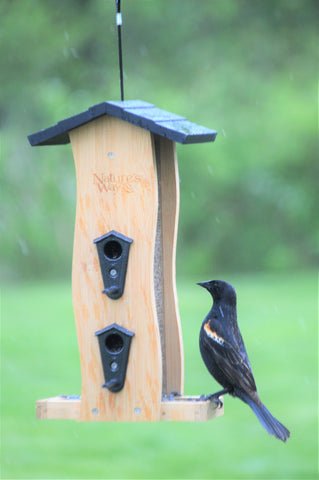
Are you tired of Red Winged Blackbirds taking over your bird feeders? These bold birds can quickly scare away the smaller visitors you actually want to attract.
If you’ve been struggling to keep your feeders peaceful and full of variety, you’re not alone. But don’t worry—there are simple, effective ways to keep these noisy birds at bay without harming them. Keep reading to discover easy tips that will help you protect your feeders and enjoy watching a wider range of beautiful birds in your yard.
Why Red Winged Blackbirds Visit Feeders
Red Winged Blackbirds often visit bird feeders in search of food and shelter. These birds are common in many areas, especially near wetlands and fields. Understanding why they come to feeders helps to manage their visits better. It also helps protect other smaller birds that might be disturbed by the blackbirds.
Feeder Attraction Factors
Several things attract Red Winged Blackbirds to feeders. They like feeders that offer seeds, especially sunflower and millet. Feeders placed near water or open fields are easier for them to find. Large, open platforms also appeal to these birds because they provide space to perch and eat comfortably.
The type of food and feeder shape play a role. Blackbirds prefer feeders with plenty of food and easy access. Bright colors on feeders may also catch their attention. Regular refilling of feeders creates a reliable food source, making blackbirds return often.
Feeding Habits Of Blackbirds
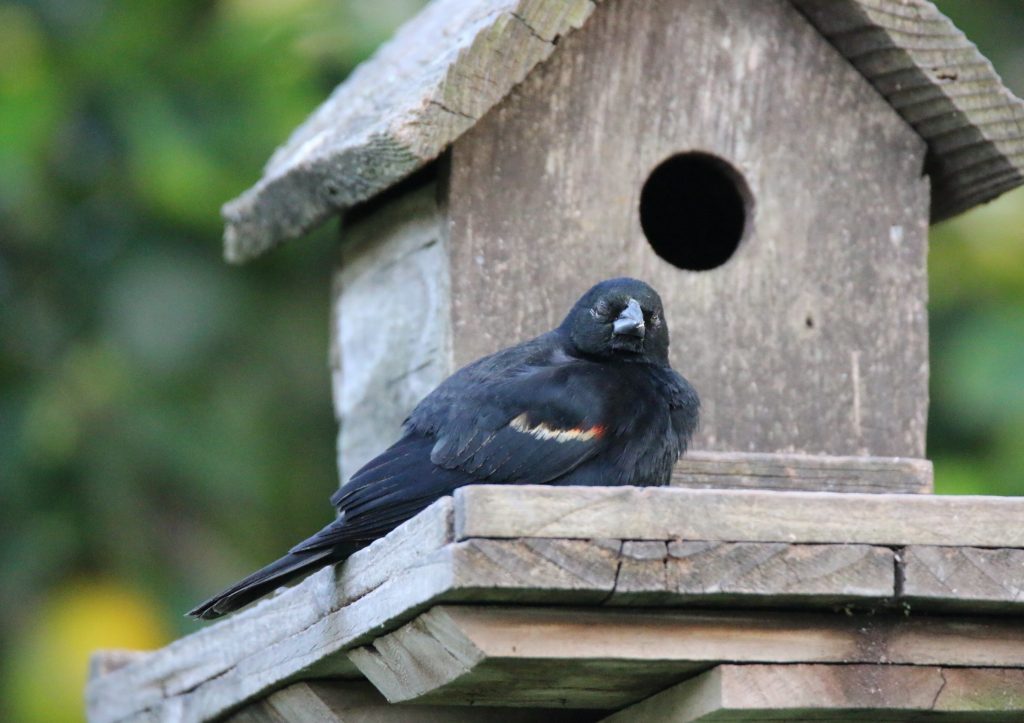
Red Winged Blackbirds eat a variety of foods. Seeds, insects, and grains make up most of their diet. They often feed in groups, which can lead to large numbers at feeders. Their strong beaks help them crack seeds and pick insects from plants.
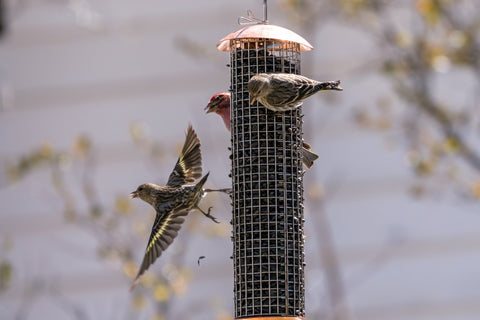
These birds feed mostly during the day. They are active in the early morning and late afternoon. Blackbirds are quick eaters and can consume large amounts of food rapidly. Their social nature means they can dominate feeders, pushing smaller birds away.
Credit: birdschoice.com
Choosing The Right Feeder Design
Choosing the right feeder design is crucial to keep Red Winged Blackbirds away from your feeders. These birds are bold and persistent, so a feeder that suits your seed choice and deters unwanted visitors can make a big difference. The design not only affects what birds visit but also how effectively you can control which species get access.
Seed Type And Feeder Compatibility
Different seeds attract different birds. Red Winged Blackbirds tend to prefer larger seeds like cracked corn and millet. If you want to discourage them, choosing a feeder designed for smaller seeds such as nyjer or sunflower chips can help.
Feeders with small feeding ports or mesh openings work best for tiny seeds. These designs prevent large-beaked birds from grabbing the food easily. Have you noticed how some birds struggle to get seeds from tiny holes? That’s exactly what you want when aiming to limit blackbird visits.
Using Squirrel-proof Feeders
Squirrel-proof feeders often come with features that also deter larger birds like Red Winged Blackbirds. Weight-sensitive perches close feeding ports when heavy birds land on them. This means these bold blackbirds won’t find it easy to access the seeds.
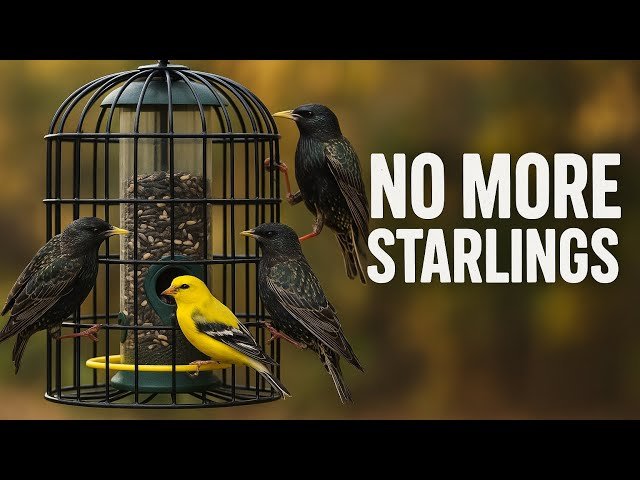
Another effective design is feeders with cages around them. The cage only allows smaller birds to reach the food, keeping bigger birds and squirrels out. Have you tried such feeders before? Many backyard birders report fewer blackbird visits after switching to these designs.
Placement Strategies To Deter Blackbirds
Placement of your feeders plays a big role in keeping red-winged blackbirds away. These birds are smart and pick spots that give them easy access and good visibility. Changing where you put your feeders can make a big difference in how often these blackbirds visit.
Optimal Feeder Location
Choose a spot that is close to shrubs or dense trees but not too open. Blackbirds like open spaces where they can see predators coming, so placing feeders near cover but with some protection helps.
Placing feeders about 10-15 feet from thick bushes or trees gives smaller birds a quick escape route, but makes blackbirds uncomfortable. You want to create a space that feels less inviting to them but still safe for other birds.
Avoiding Open Spaces
Open areas are a magnet for red-winged blackbirds because they can spot food easily and watch for danger. Avoid setting up feeders in wide lawns or large open yards.
Try positioning feeders near a fence, tall plants, or even a porch where there is some overhead cover. This reduces the blackbirds' ability to swoop in quickly and take over your feeder.
Have you noticed how blackbirds hover over open fields? Using natural barriers or even garden structures can trick them into thinking the spot isn’t worth their time.
Natural Deterrents And Repellents
Keeping Red Winged Blackbirds away from your feeders can be challenging, but natural deterrents and repellents offer effective, eco-friendly solutions. These methods rely on disrupting the birds’ comfort zones without causing harm. You’ll find that combining different approaches often works best to protect your feeder from unwanted visitors.
Using Visual Deterrents
Visual deterrents play on the birds’ natural fear of predators and unfamiliar objects. Hanging shiny, reflective items like old CDs, aluminum foil strips, or even commercial scare tape near your feeder can create flashes of light that make blackbirds uneasy.
Another effective tool is placing fake predators, such as plastic owls or hawk decoys. Change their position regularly to prevent birds from getting used to them. Have you noticed how even small movements catch your attention? The same works for birds.
Moving pinwheels or wind spinners also add motion, which further unsettles the blackbirds. You can try combining these with your existing garden décor for a natural look that still keeps the birds at bay.
Sound Devices That Work
Sound is a powerful deterrent if you use it thoughtfully. Devices that emit predator calls or distress signals can scare blackbirds away from your feeders. However, avoid constant noise—it can become background sound that the birds ignore.
Ultrasonic repellents are another option, but their effectiveness varies. Some people report success, while others see little change. It helps to test different sound levels and patterns to find what works in your specific environment.
Consider integrating sound with other deterrents. For instance, pairing a motion-activated noise maker with visual scare devices can enhance overall effectiveness. What sounds or combinations have you noticed birds react to in your garden?
Feeding Techniques To Limit Blackbird Access
Feeding techniques can help control red-winged blackbirds at your feeders. Adjusting when and what you feed can reduce their visits. This keeps smaller birds safe and happy.
Selective Feeding Times
Feed birds early in the morning or late in the afternoon. Red-winged blackbirds tend to be less active during these times. This allows smaller birds to eat without competition.
Stop feeding before dusk. Blackbirds often gather at feeders in the evening. Removing food reduces their chance to dominate the area.
Offering Alternative Food Sources
Place separate feeders away from your main feeding station. Fill these with foods blackbirds prefer, such as cracked corn or millet. This draws them away from your other feeders.
Plant native shrubs or grasses that produce seeds. These natural food sources satisfy blackbirds and keep them busy. Your feeder area becomes less attractive to them.
Credit: feederwatch.org
Maintaining Feeder Hygiene
Keeping your bird feeder clean is a key step in discouraging red-winged blackbirds from turning it into their personal dining spot. These birds are attracted not just to the seeds but also to the mess and leftover food around feeders. Maintaining feeder hygiene makes your feeder less appealing to them while keeping it safe and enjoyable for smaller birds you want to attract.
Regular Cleaning
Cleaning your feeder regularly helps prevent the buildup of mold, bacteria, and seed debris that attract red-winged blackbirds. Aim to wash your feeder at least once a week with warm, soapy water, then rinse it thoroughly. Avoid using harsh chemicals that could harm birds; instead, a simple vinegar solution works well to disinfect without leaving harmful residues.
Think about the last time you skipped cleaning your feeder—did you notice more blackbirds or other unwanted visitors? Consistency in cleaning sends a clear message that your feeder is not a messy buffet.
Removing Spilled Seeds
Seeds that spill and accumulate under your feeder create a feast on the ground, drawing in red-winged blackbirds and other large birds. Use a small rake or broom to clear the area around your feeder regularly. You can also place a seed-catching tray beneath the feeder to minimize spillage and make cleanup easier.
Have you ever watched how quickly spilled seeds attract not just birds but also pests? Keeping the ground clean reduces these problems and helps maintain a balanced birdwatching experience.
Additional Tips And Precautions
Keeping Red Winged Blackbirds away from your feeders takes more than just one quick fix. It requires ongoing effort and a thoughtful approach. Here are some additional tips and precautions to help you protect your bird feeders effectively.
Patience And Consistency
It’s easy to get frustrated when blackbirds keep coming back despite your efforts. However, patience is key. These birds quickly learn and adapt, so you need to stay consistent with your chosen deterrents.
Try to maintain your strategies daily. If you stop for a few days, the blackbirds will notice and return even stronger. Have you ever noticed how quickly they reclaim a feeder once you pause your efforts? That shows how important steady action is.
Combining Methods For Best Results
Relying on just one method rarely works well with Red Winged Blackbirds. They can get used to a single deterrent over time. Combining several approaches increases your chances of success.
- Use visual deterrents like shiny objects along with sound devices.
- Try changing feeder locations periodically while also adding physical barriers.
- Rotate seed types or feeders designed to exclude larger birds.
Mixing tactics keeps the birds guessing and less likely to settle in. What combination can you try today to protect your feeders better?

Credit: www.birdwatchingdaily.com
Frequently Asked Questions
How Can I Deter Red-winged Blackbirds From Feeders?
Use feeder designs that limit access, like caged feeders. Offer food less attractive to blackbirds, such as safflower seeds. Adding reflective objects or noise makers nearby can also discourage them.
What Types Of Seeds Repel Red-winged Blackbirds?
Red-winged blackbirds dislike safflower seeds. Sunflower seeds attract them more. Using safflower seeds in feeders can reduce their visits effectively.
Are Bird Feeders Safe For Smaller Birds When Blackbirds Are Present?
Yes, using feeders with small ports keeps larger blackbirds out. This design protects smaller birds from competition and aggression at feeders.
Can Noise Or Visual Deterrents Keep Blackbirds Away?
Yes, reflective tape, shiny objects, and noise devices can scare blackbirds. Regularly changing deterrents keeps them effective and prevents habituation.
Conclusion
Keeping red-winged blackbirds away requires some patience and strategy. Try different methods to find what works best. Use feeders designed for smaller birds. Consider altering the food types you offer. Adjusting the location of your feeders can help too. Try scare tactics like reflective objects or sounds.
Keep observing and tweaking your approach. Every yard is different, so solutions may vary. Enjoy a peaceful bird-watching experience with fewer disruptions. Your backyard friends will appreciate the effort. Happy bird-watching!