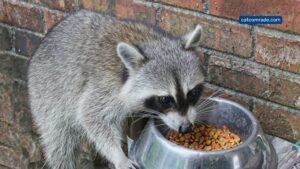
Are you tired of finding your cat’s food scattered all over the yard, thanks to curious raccoons? These clever creatures can be a real nuisance, sneaking into your pet’s feeding area and making a mess.
But don’t worry—there are simple, effective ways you can keep raccoons away and protect your cat’s food. You’ll discover easy tips and tricks that work, so you can enjoy peace of mind and a clean feeding spot for your furry friend.
Keep reading to find out how to stop raccoons from turning your cat’s meal into their midnight snack.
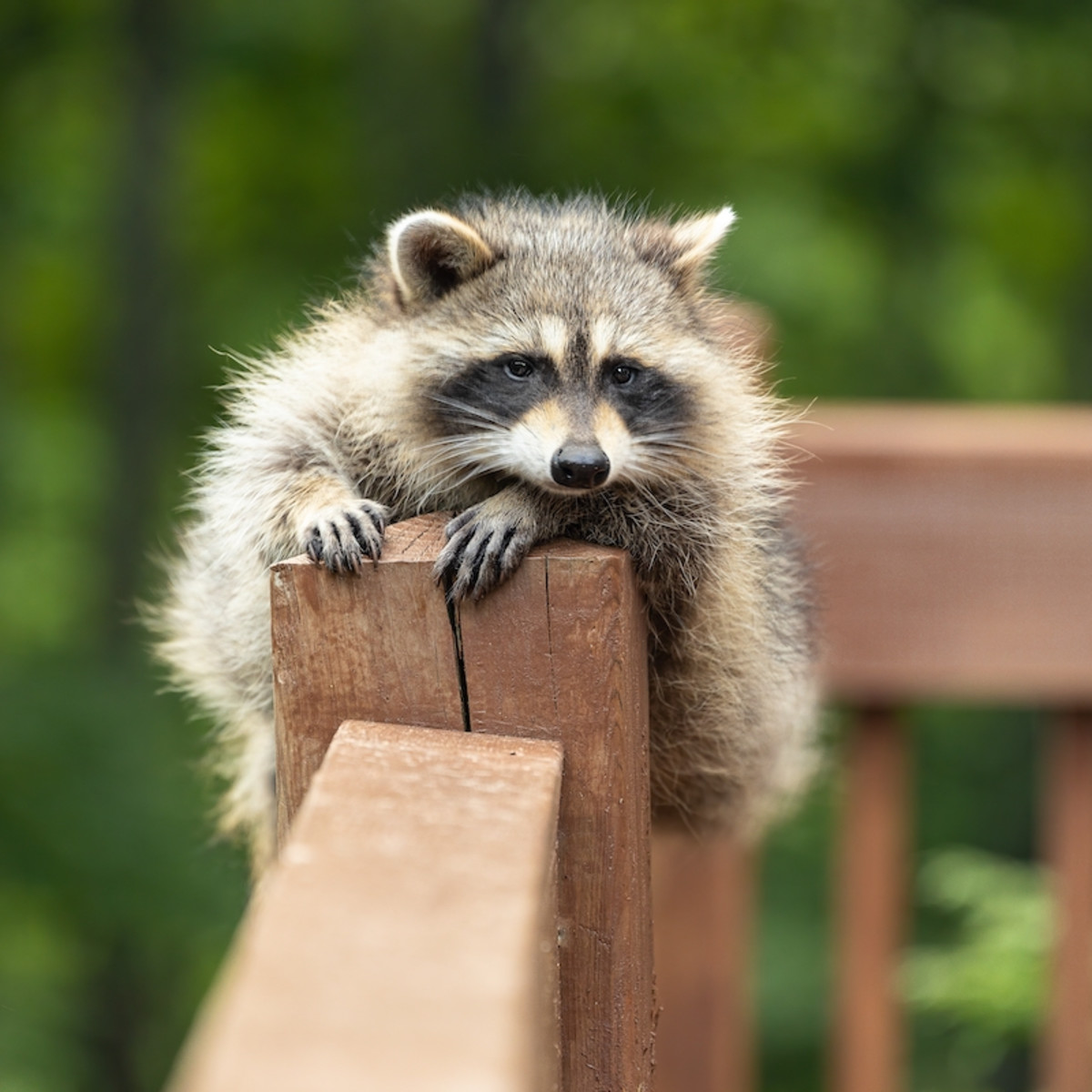
Credit: pethelpful.com
Why Raccoons Are Attracted To Cat Food
Raccoons are clever and curious creatures, always on the lookout for easy meals. Your cat’s food can be an irresistible target. Understanding why raccoons are drawn to cat food helps you take smarter steps to protect your pet’s meals.
Scent And Taste Appeal
Raccoons have an excellent sense of smell, which they use to find food sources. Cat food often has strong aromas that stand out, especially wet or canned varieties.
The mix of proteins and fats in cat food is very appealing to raccoons. This combination mimics what they naturally eat, making it a tasty and convenient option. Have you noticed how quickly raccoons zero in on that open bag or bowl?
Feeding Habits Of Raccoons
Raccoons are opportunistic feeders, meaning they eat whatever is easy to find. They are mostly nocturnal, searching for food under the cover of darkness.
Because they are clever and persistent, raccoons can quickly learn where food is available. Your cat’s food left outside acts like an open invitation. They don’t mind climbing, digging, or breaking into containers to get a meal.
Common Entry Points
Raccoons use various ways to access cat food. They can squeeze through small gaps or climb fences and trees to reach your yard.
Open garbage cans, poorly sealed pet food containers, or unsecured feeding areas all become easy entry points. Even a loosely closed porch or shed door can give raccoons access.
- Gaps under doors or gates
- Broken fences or holes in screens
- Open or flimsy containers holding cat food
- Pet feeding areas left unattended outside
Have you checked your outdoor feeding spots for these weaknesses? Stopping raccoons before they get inside is the best way to protect your cat’s food.
Choosing The Right Cat Food Storage
Choosing the right cat food storage helps keep raccoons away from your pet’s meals. Proper storage stops raccoons from smelling and accessing the food. It also keeps the food fresh and safe for your cat.
Sealed Containers
Use airtight containers to store cat food. These containers block smells that attract raccoons. Hard plastic or metal containers work best. Make sure the lid fits tightly and locks if possible. Clear containers help you see the food level easily.
Elevated Storage Options
Store cat food off the ground to reduce raccoon access. Shelves or cabinets inside your home are ideal. If storing outside, use a raised platform with secure containers. Keep storage areas clean and dry to avoid pests and mold.
Avoiding Outdoor Feeding
Feeding cats outside invites raccoons and other wildlife. Remove any leftover food right after your cat eats. Feed your cat indoors or supervise outdoor feeding. Clean feeding areas regularly to remove food smells.
Physical Barriers To Keep Raccoons Away
Using physical barriers helps stop raccoons from reaching cat food. These barriers make it hard for raccoons to get inside. They protect your pet’s food safely and keep your yard clean. Simple tools and setups can create strong defenses against these clever animals.
Secure Feeding Stations
Choose feeding stations that close tightly. Use containers with locking lids or heavy covers. Metal or thick plastic boxes work well. Keep the feeding area elevated to reduce raccoon access. Secure the station to a wall or post. This prevents raccoons from tipping it over.
Using Fencing And Covers
Install fencing around feeding spots. Use wire mesh with small holes to block raccoons. Make fences at least four feet tall. Bury the bottom of the fence to stop digging. Cover open areas with lids or netting. Covers stop raccoons from jumping or climbing inside.
Motion-activated Deterrents
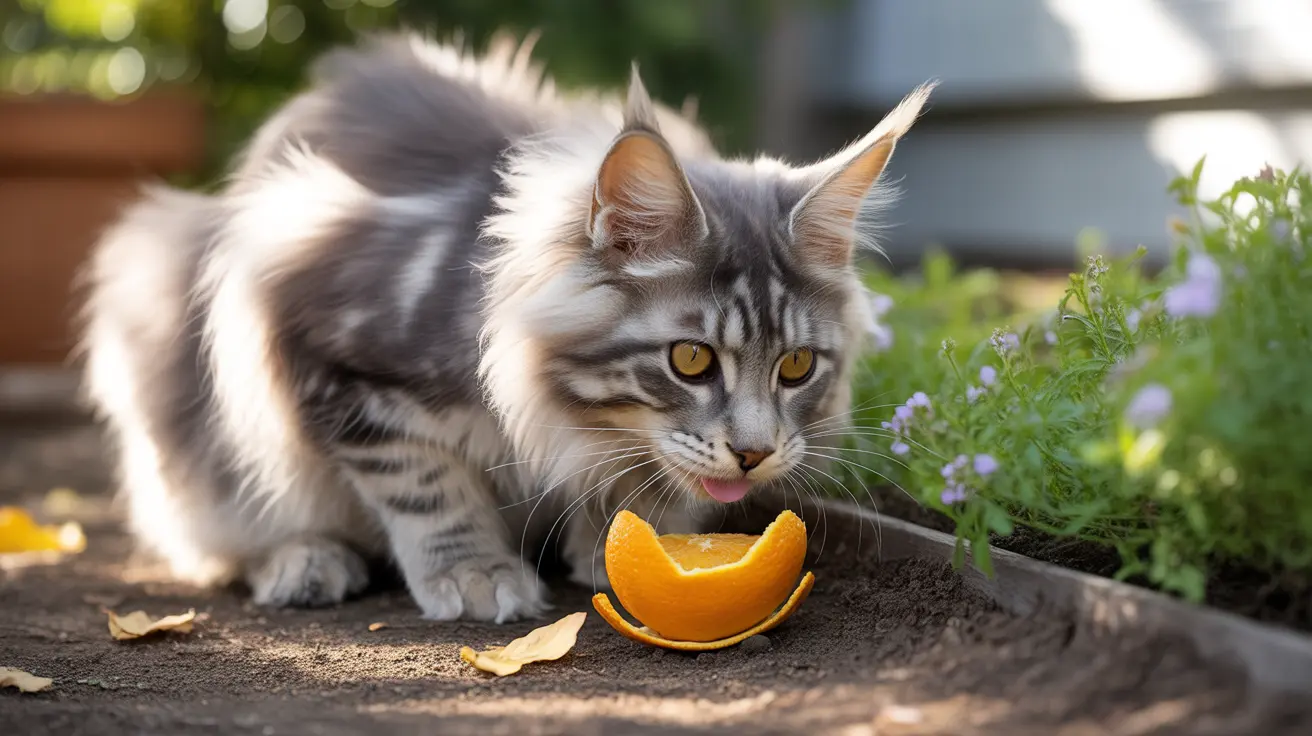
Place motion-activated lights near feeding areas. Bright lights scare raccoons away at night. Use motion-activated sprinklers to spray water. Sudden water bursts keep raccoons from coming back. These devices work without harming animals. They keep the area dry and clean.
Credit: www.petscare.com
Natural And Chemical Deterrents
Keeping raccoons away from cat food can be a challenge. Natural and chemical deterrents offer effective ways to protect your pet’s meals. These options use smells and substances that raccoons dislike or avoid.
These deterrents work without harming animals or the environment. Choose based on your preference and safety for pets and children. Combine different methods for better results.
Scent Repellents
Raccoons have a strong sense of smell. Certain scents can drive them away quickly. Use these natural smells near cat food areas:
- Vinegar – Its sharp smell confuses raccoons.
- Garlic – Strong and unpleasant to raccoons.
- Peppermint oil – A fresh scent raccoons avoid.
- Ammonia – Mimics predator urine, scaring raccoons off.
Place soaked cotton balls or spray diluted solutions near food bowls. Refresh scents every few days for effectiveness.
Safe Chemical Options
Choose pet-safe repellents designed for wildlife. These products often use ingredients raccoons dislike. Common safe options include:
- Capsaicin sprays – Made from hot peppers; irritates raccoons’ noses.
- Commercial animal repellents – Available at garden or pet stores.
- Granular repellents – Sprinkle near feeding spots to create a barrier.
Always read labels to ensure the product is safe for cats and pets. Apply according to instructions for best results.
Homemade Solutions
Simple homemade mixtures can keep raccoons away without chemicals. Some easy recipes include:
- Mix water with hot sauce or cayenne pepper. Spray around feeding areas.
- Blend garlic and water to create a natural spray.
- Place used coffee grounds near food bowls for a bitter scent.
These solutions should be reapplied often, especially after rain. They provide a low-cost way to protect cat food naturally.
Routine And Environmental Changes
Changing daily habits and the environment helps keep raccoons away from cat food. Small adjustments can make a big difference. Consistency in routine and cleanliness reduces the chances of raccoons visiting your yard.
Raccoons often visit places with easy food access. Removing these attractions limits their interest. Careful planning of feeding times and cleaning up spills lowers food availability outside the bowl.
Feeding Schedule Adjustments
Feed your cat at set times each day. Avoid leaving food out all night. Raccoons are most active after dark. Bringing food inside once your cat finishes eating stops raccoons from snacking. A fixed schedule helps your cat and keeps unwanted guests away.
Cleaning Up Spills
Clean any spilled cat food immediately. Raccoons follow smells to find food. Wipe bowls and surrounding areas after feeding. Use a damp cloth or paper towel. Removing crumbs and liquids reduces scent trails. This simple step discourages raccoons from returning.
Reducing Attractants Nearby
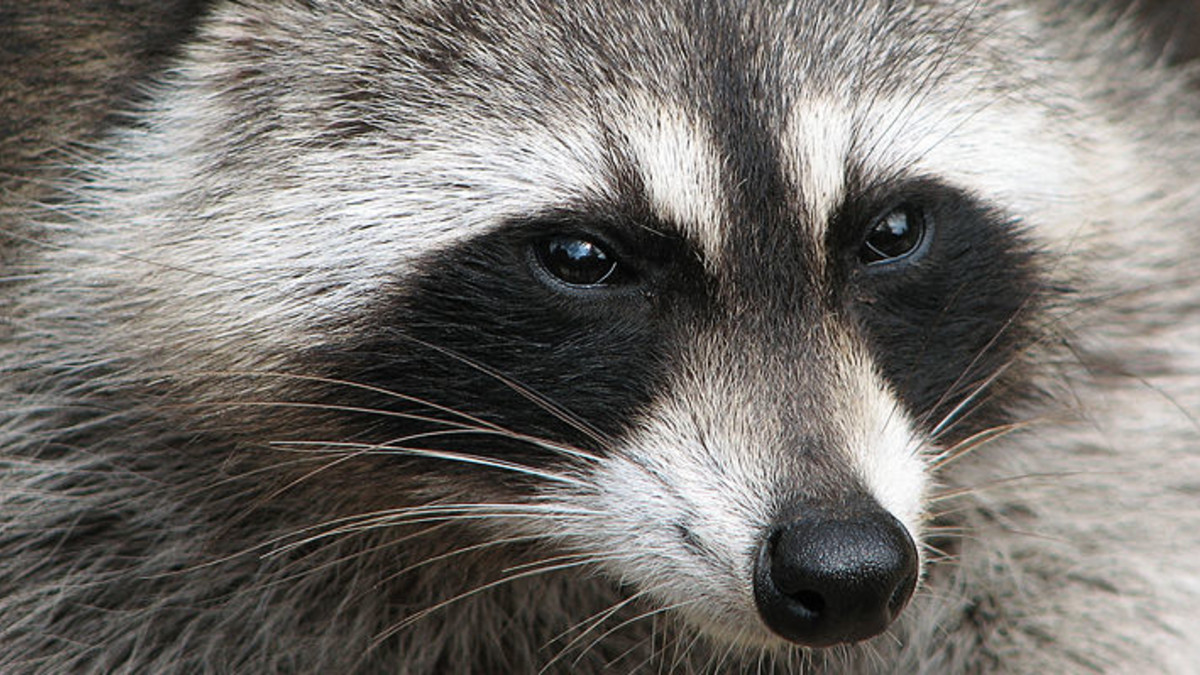
Keep trash cans sealed tightly. Avoid leaving pet food outside. Clear fallen fruit or birdseed from the yard. Raccoons are drawn to many food sources. Remove anything that might attract them close to your cat’s feeding area. This creates a less inviting space for raccoons.
Credit: dengarden.com
When To Seek Professional Help
Raccoons can be clever and persistent when trying to get to cat food. Some simple steps might not stop them. Knowing when to call a professional can save time and protect your home. Professionals have tools and experience to handle tough situations safely and effectively.
Signs Of Persistent Infestation
- Repeated damage to cat food containers or bowls
- Trash scattered near feeding areas
- Raccoon tracks or droppings around your home
- Sounds of animals near your feeding spots at night
- Damage to property like torn screens or holes in walls
These signs mean raccoons are not just visiting. They are settling in your area. Persistent problems need more than home fixes.
Choosing Wildlife Control Services
- Look for licensed and insured companies
- Check for positive reviews and references
- Ask about humane removal methods
- Request clear pricing and service details
- Confirm their experience with raccoons specifically
Good services will explain their steps clearly. They focus on safety for pets and people.
Legal And Ethical Considerations
Raccoons are protected in some areas. Removing them without following rules can cause fines.
Professionals know local laws. They handle animals in a legal and humane way.
Trapping or harming raccoons without permission is risky and unethical. Respect wildlife while keeping your pets safe.
Frequently Asked Questions
How Can I Prevent Raccoons From Eating Cat Food?
Store cat food in sealed, raccoon-proof containers. Feed your cat indoors when possible. Clean up spilled food immediately to avoid attracting raccoons.
What Are Safe Ways To Deter Raccoons From Cat Food?
Use motion-activated lights or sprinklers near feeding areas. These scare raccoons without harming them. Avoid using harmful chemicals or traps.
Why Do Raccoons Target Cat Food Outside?
Raccoons are attracted to the easy food source. Cat food is high in protein and smells appealing. Outdoor feeding areas are accessible and inviting to them.
Is Feeding Cats Indoors Better For Raccoon Control?
Yes, feeding indoors eliminates raccoon access to cat food. It also keeps cats safe from wildlife encounters. Indoor feeding reduces raccoon visits around your home.
Conclusion
Raccoons can be a real problem for cat owners. Simple steps can help. Secure your trash cans tightly. Store cat food indoors when possible. Consider installing motion-activated lights. They can scare raccoons away. Use strong containers for outdoor food. Keep feeding areas clean and tidy.
Raccoons are smart, but so are you. Protect your cat's food with these easy methods. Consistency is key to success. Keep trying different strategies. Soon, your cat's food will be safe. Enjoy a raccoon-free feeding space. Your cat will thank you.