Do you want to keep your dog out of a room but don’t have a door to close? It can be tricky to set boundaries without a physical barrier.
You might worry about damage, messes, or your pet’s safety. But don’t stress—there are simple, effective ways to create a no-go zone that your dog will respect. You’ll discover practical tips and clever tricks to keep your furry friend out of any room, even without a door.
Keep reading to find solutions that work for you and your dog, making your home more peaceful and organized.

Credit: www.amazon.ca
Create Visual Barriers
Creating visual barriers helps stop dogs from entering a room without a door. Dogs rely on sight to understand boundaries. Blocking their view makes the area less inviting and easier to control. Visual barriers also reduce curiosity and distractions.
Use Furniture As Blockades
Place large furniture pieces near the room entrance. Sofas, bookshelves, or cabinets can form a solid barrier. Arrange items tightly to avoid gaps. This setup makes it hard for dogs to squeeze through. Furniture blockades also blend well with home decor.
Install Temporary Screens
Temporary screens work well to block off areas quickly. Folding screens or room dividers are easy to move and store. They create a clear visual boundary for dogs. Choose screens made from sturdy materials for safety. This option offers flexibility without permanent changes.
Credit: www.hgtv.com
Train Your Dog
Training your dog is the foundation of keeping them out of a room without a door. It’s about teaching clear boundaries and commands that your dog understands and respects. With patience and consistency, your dog can learn to stay away from certain areas, making your home more comfortable for everyone.
Teach Stay And Leave Commands
Start by teaching your dog the staycommand in a quiet, distraction-free environment. Use a firm but calm voice and hold your hand up like a stop signal. When your dog stays in place, reward them immediately to reinforce the behavior.
Next, practice the leave itcommand to prevent your dog from entering a restricted space. Show your dog a treat, say "leave it," and close your hand if they try to take it. Once your dog looks away or backs off, reward them with a different treat or praise.
Consistency is key. Repeat these commands daily, gradually increasing distractions and distance. How often do you notice your dog ignoring boundaries because the commands aren’t clear enough?
Reward Good Behavior
Positive reinforcement is your best tool. Every time your dog obeys the stay or leave it commands, give them a treat, petting, or enthusiastic praise. This builds a strong association between good behavior and rewards.
Be specific with your rewards. For example, if your dog stays outside a room when asked, offer a special treat they don’t get often. This makes the reward more valuable and motivates them to repeat the behavior.
Remember, timing is everything. Reward your dog immediately after the desired behavior to avoid confusion. Have you tried rewarding your dog right after they follow a command, and noticed how quickly they learn?
Utilize Pet Gates
Using pet gates is a smart way to keep your dog out of a room without needing a door. These gates create a physical barrier that your dog cannot cross. They are easy to install and remove, making them perfect for temporary or permanent use. Pet gates help control your dog's access while keeping your home safe and clean.
Types Of Gates Without Doors
- Pressure-Mounted Gates:These gates use pressure to stay in place without screws. They are gentle on walls and easy to move.
- Hardware-Mounted Gates:These gates are fixed to the wall with screws. They are more secure and good for strong or large dogs.
- Freestanding Gates:These gates stand on their own without attaching to walls. They are portable and useful in open spaces.
- Expandable Gates:These gates can adjust to fit different widths. They are flexible for various doorways or openings.
Proper Gate Placement
Place the gate where the room opens to a hallway or larger space. Make sure it fits tightly so your dog cannot squeeze through. Check the height to prevent your dog from jumping over. Avoid placing the gate near furniture that helps your dog climb over it.
Look for areas where the gate can block the whole opening. Keep the gate at eye level for you to easily open and close it. Test the gate’s strength to ensure it holds against your dog’s push. Proper placement keeps your dog safe and stops unwanted entry.
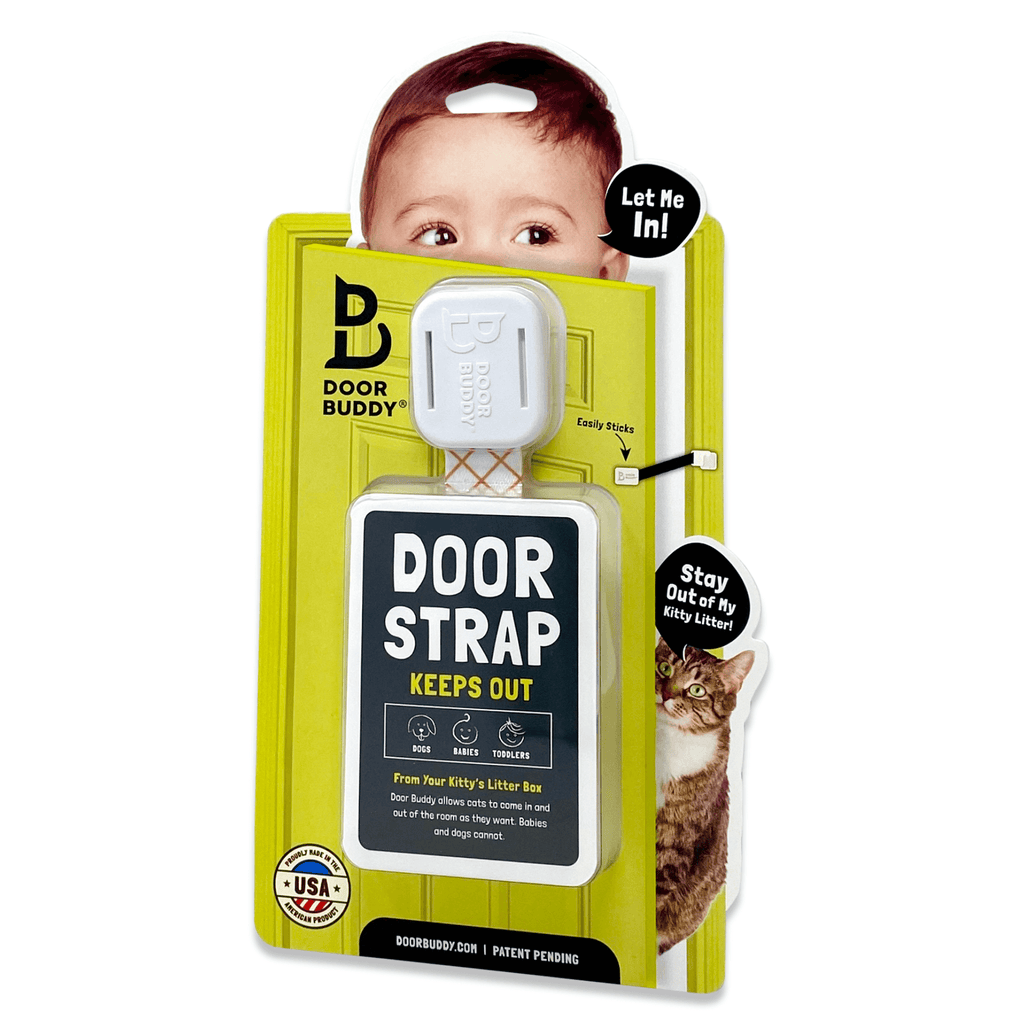
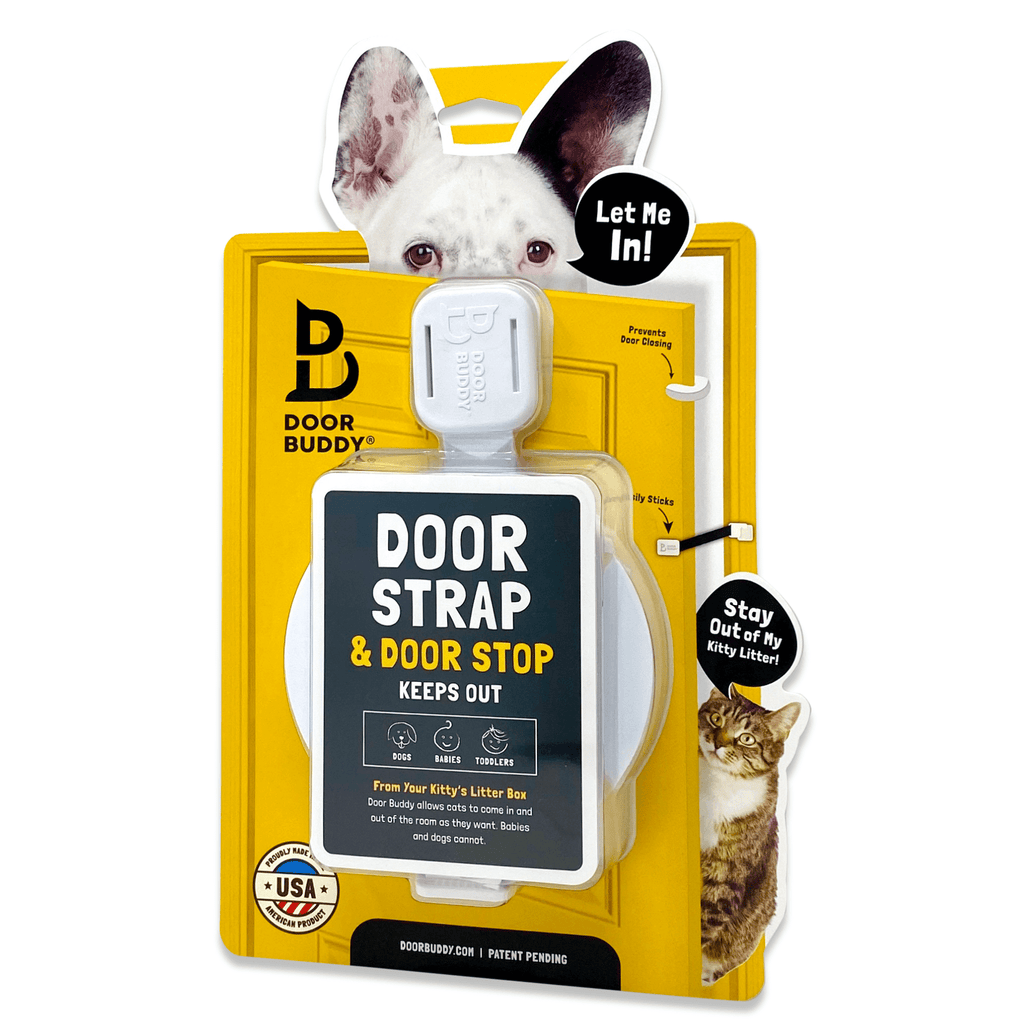
Credit: www.thedoorbuddy.com
Apply Scent Deterrents
Applying scent deterrents is a clever way to keep your dog out of a room without the need for a door. Dogs rely heavily on their sense of smell, so using scents they dislike can help you create an invisible boundary. This approach is both humane and effective, especially if you want to avoid physical barriers.
Dog-repellent Sprays
Dog-repellent sprays are specially designed to emit odors that dogs find unpleasant. You can easily apply these sprays around the entrance of the room or on any objects you want your dog to avoid. The scent is strong enough to discourage your dog from entering but usually safe and non-toxic.
I once used a citronella-based repellent spray near my home office to keep my curious Labrador out. It worked surprisingly well, and I didn’t have to worry about constant interruptions during work hours. Just make sure to reapply the spray regularly, especially if you clean the area frequently.
Natural Smells Dogs Avoid
If you prefer a natural approach, some smells can act as gentle deterrents. Dogs generally dislike citrus scents, vinegar, and certain essential oils like eucalyptus and peppermint. You can place cotton balls soaked in these scents near the room’s entrance or use a homemade spray.
- Citrus peels:Orange, lemon, or lime peels scattered near the doorway.
- Vinegar solution:Diluted white vinegar sprayed lightly around the area.
- Essential oils:A few drops of peppermint or eucalyptus oil on a cloth placed close to the room.
Have you noticed your dog reacting to any particular smell before? Observing your pet’s reactions can help you pick the best scent deterrent. Keep in mind, some dogs may be more sensitive, so always test in small amounts first.
Create Alternative Spaces
Keeping your dog out of a room without using a door can be a challenge, but creating alternative spaces is a smart way to redirect their energy and curiosity. Dogs love having a spot they can call their own, and providing this can reduce their desire to enter forbidden areas. Think about how you can make these spaces inviting and engaging to keep your dog happily occupied.
Designate A Cozy Dog Area
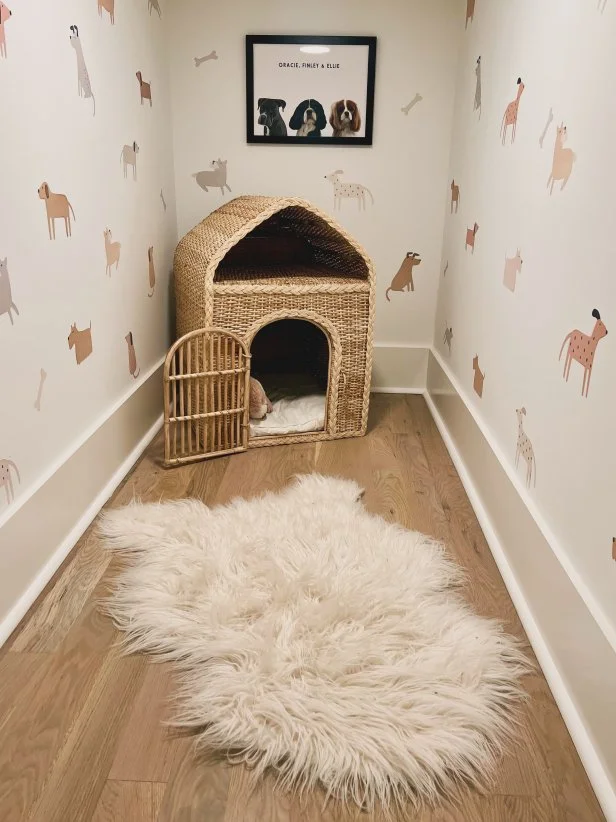
Set up a special corner or a small section of a room just for your dog. Use a soft bed or blanket to make it comfortable and appealing. This space should feel safe and calm, encouraging your dog to spend time there instead of wandering into off-limit rooms.
Consider placing this area near a window or in a spot where your dog can observe the household activity without feeling left out. You might notice your dog choosing this cozy nook over sneaking into other rooms once it becomes their favorite hangout.
Provide Toys And Comfort
Keep your dog's new space interesting by adding a variety of toys that match their play style. Chew toys, puzzle feeders, or squeaky toys can keep their mind busy and reduce boredom. Rotate toys regularly to maintain their interest.
Adding familiar items, like a favorite blanket or your worn t-shirt, can give your dog extra comfort. This helps them associate the area with positive feelings and your presence, even when you’re not nearby.
Manage Environmental Triggers
Managing environmental triggers helps keep your dog away from certain rooms without using a door. It means changing what makes your dog want to enter the room. Adjusting these triggers reduces your dog's interest and stops unwanted visits.
Remove Attractions From The Room
Remove toys, food, or beds that attract your dog to the room. Dogs follow smells and sights of their favorite things. Clear the floor and hide anything your dog likes.
- Pick up dog toys and put them away.
- Keep food and crumbs out of reach.
- Remove cozy blankets or beds.
Without these attractions, the room becomes less interesting. Your dog learns the room has nothing special to offer.
Limit Access During Key Times
Limit your dog's access to the room during times it usually tries to enter. Use barriers like baby gates or furniture to block entry. Watch your dog and gently guide it away from the room.
- Block the entrance with furniture or gates.
- Stay near the area during active hours.
- Distract your dog with a walk or playtime.
Controlling access at key times reduces your dog’s chance to explore. It helps build better habits and respect for boundaries.
Frequently Asked Questions
How Can I Block My Dog From A Room Without A Door?
Use pet gates, baby gates, or exercise pens to block entry. These barriers are effective and easy to install without a door. Choose a height that your dog cannot jump over for best results.
What Are Safe Barriers To Keep Dogs Out Of Rooms?
Safe barriers include mesh gates, wooden gates, and plastic pet fences. They prevent access without harming your dog. Ensure the barrier is stable and tall enough to discourage jumping or pushing through.
Can Scent Deterrents Help Keep Dogs Out Of Rooms?
Yes, scent deterrents like citrus sprays or vinegar can discourage dogs. Dogs dislike these smells and tend to avoid sprayed areas. Use them along with physical barriers for better effectiveness.
How To Train My Dog To Avoid Certain Rooms?
Train your dog using positive reinforcement and clear commands. Reward your dog when it stays out of the room. Consistency and patience help your dog learn boundaries effectively.
Conclusion
Keeping your dog out of a room is possible. Simple methods work best. Use barriers like baby gates. Train your dog with commands. Keep the room uninteresting. No toys or treats inside. Consistency is key in training. Your dog will learn boundaries over time.
Patience helps in this process. Dogs need time to adjust. Remember to reward good behavior. Positive reinforcement strengthens learning. With these tips, your room stays dog-free. Enjoy the peace and order.