
If you have both a dog and a cat, you know how tricky it can be to keep them happy under the same roof. One common problem is your dog getting into your cat’s litter box.
It’s messy, unsanitary, and can cause stress for both pets. You might be wondering: how do you stop this from happening without making your dog feel left out? This article will give you simple, practical tips to keep your dog away from the litter box and maintain peace in your home.
Keep reading to find easy solutions that work for you and your furry friends.

Credit: loftyloo.com
Reasons Dogs Visit Cat Litter Boxes
Dogs often show interest in cat litter boxes for several reasons. Understanding these reasons helps in managing this behavior. Dogs explore their environment in unique ways, and the litter box becomes part of that exploration. Some reasons relate to natural instincts, while others might signal health concerns.
Curiosity And Exploration
Dogs use their noses to learn about new things. The litter box smells different and draws their attention. Puppies and young dogs especially explore more as they discover their world. This curiosity can lead them to investigate the litter box frequently.
Attraction To Cat Waste
Cat waste has strong smells that attract some dogs. The scent is interesting to them, even if it seems unpleasant to humans. Some dogs find the texture or taste intriguing. This attraction may cause them to eat or dig in the litter box.
Health Concerns
Sometimes dogs visit litter boxes due to health issues. Eating cat waste could signal nutritional deficiencies or digestive problems. It may also indicate anxiety or boredom. Observing your dog's behavior can help identify if a vet visit is needed.
Credit: www.techmatrixconsulting.com
Choosing The Right Litter Box
Choosing the right litter box plays a big role in keeping your dog away. The perfect litter box fits your cat’s needs and blocks the dog’s access. Size, shape, and cover type affect how well it works. Smart choices here make a cleaner, calmer home for pets.
Covered Vs. Open Litter Boxes
Covered litter boxes offer privacy and keep smells inside. They have a lid or hood that helps keep dogs out. Cats like the privacy, but some may dislike the enclosed space.
Open litter boxes are easier for cats to enter and exit. They allow better airflow and reduce odor buildup. Dogs can spot and access the litter easily, though.
- Covered boxes block dog access better.
- Open boxes suit cats that dislike enclosed spaces.
- Consider your cat’s preference when choosing.
Size And Placement Tips
Pick a litter box big enough for your cat to turn around freely. Small boxes cause discomfort and might push cats to find other spots.
Place the litter box in a quiet, low-traffic area. Avoid spots near dog food or play zones to reduce temptation.
- Choose a box at least 1.5 times your cat’s length.
- Keep the box on a stable surface, not slippery floors.
- Use baby gates or barriers to limit dog access.
Training Your Dog
Training your dog to stay away from the cat litter box takes patience and consistency. Dogs are naturally curious, so you need clear communication to set boundaries. Teaching your dog specific commands and rewarding good behavior can help keep the litter box off-limits.
Basic Commands To Use
Start with simple commands like “leave it,” “no,”and “stay.”These words help you control your dog's behavior around the litter box. Practice these commands daily in different settings to make sure your dog understands.
For instance, when your dog approaches the litter box, say “leave it” firmly. If your dog obeys, reward immediately with a treat or praise. This builds a clear connection between the command and the action you want.
Redirecting Attention
Instead of just telling your dog what not to do, give them an alternative activity. When your dog moves toward the litter box, redirect their attention to a toy or a game. This keeps their mind busy and away from the litter box.
Try tossing a ball or inviting your dog to do a quick trick when they start sniffing the litter box. This method works better if you catch the behavior early. Redirecting teaches your dog what you want them to do, not just what to avoid.
Positive Reinforcement Techniques
Reward good behavior consistently to encourage your dog to stay away from the litter box. Use treats, toys, or affection immediately after your dog listens to a command or moves away from the box. This builds trust and motivation.
One time, I caught my dog sniffing around the litter box and said “leave it.” When he stopped and looked at me, I gave him a treat. After several days, he started avoiding the litter box on his own. What rewards do you think your dog responds to best?
Credit: www.thedoorbuddy.com
Physical Barriers And Deterrents
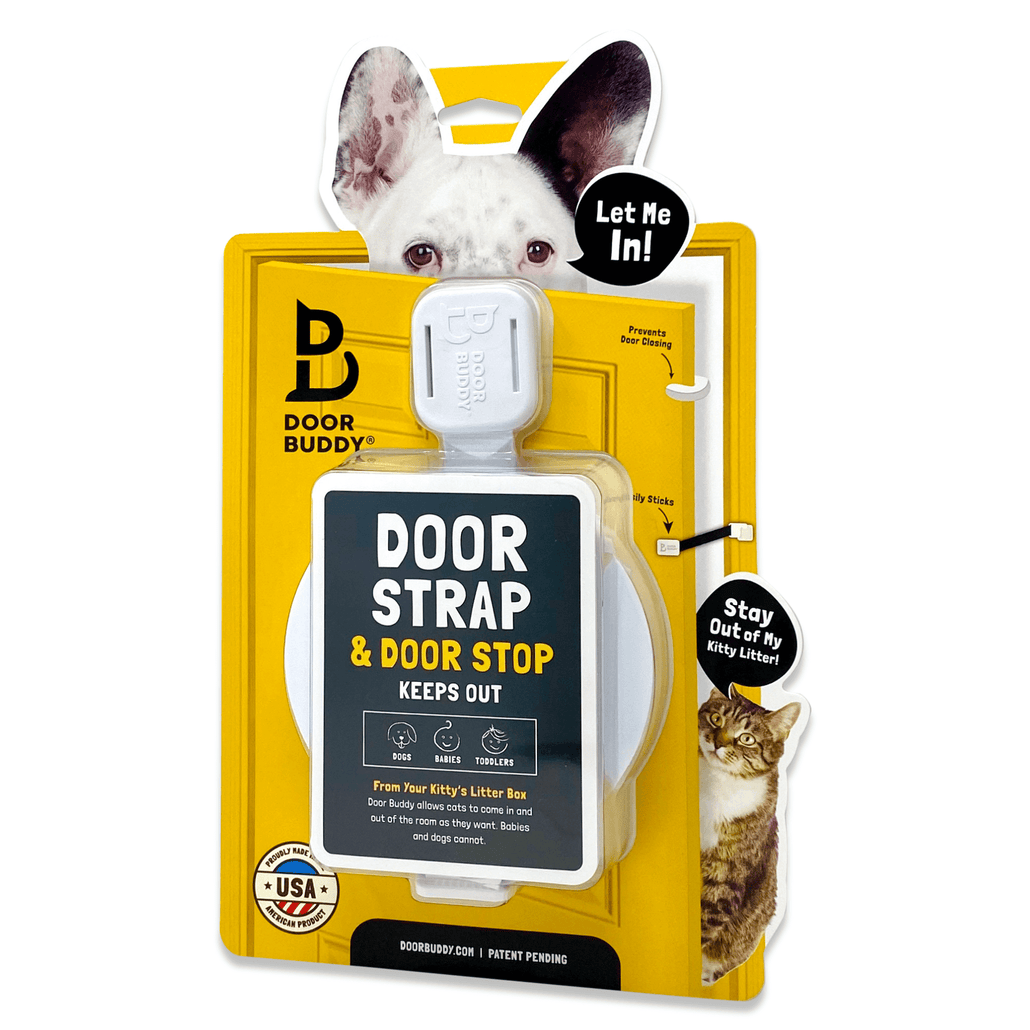
Keeping your dog out of the cat litter box can be a real challenge, especially if your furry friend is curious or playful. Physical barriers and deterrents offer practical solutions that can make the litter box off-limits without causing stress for any of your pets. These tools not only protect your cat’s hygiene but also save you from the hassle of cleaning up unwanted messes.
Baby Gates And Pet Barriers
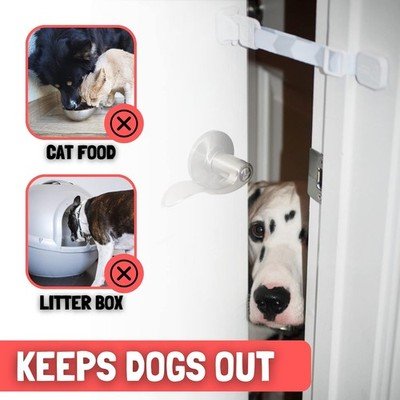
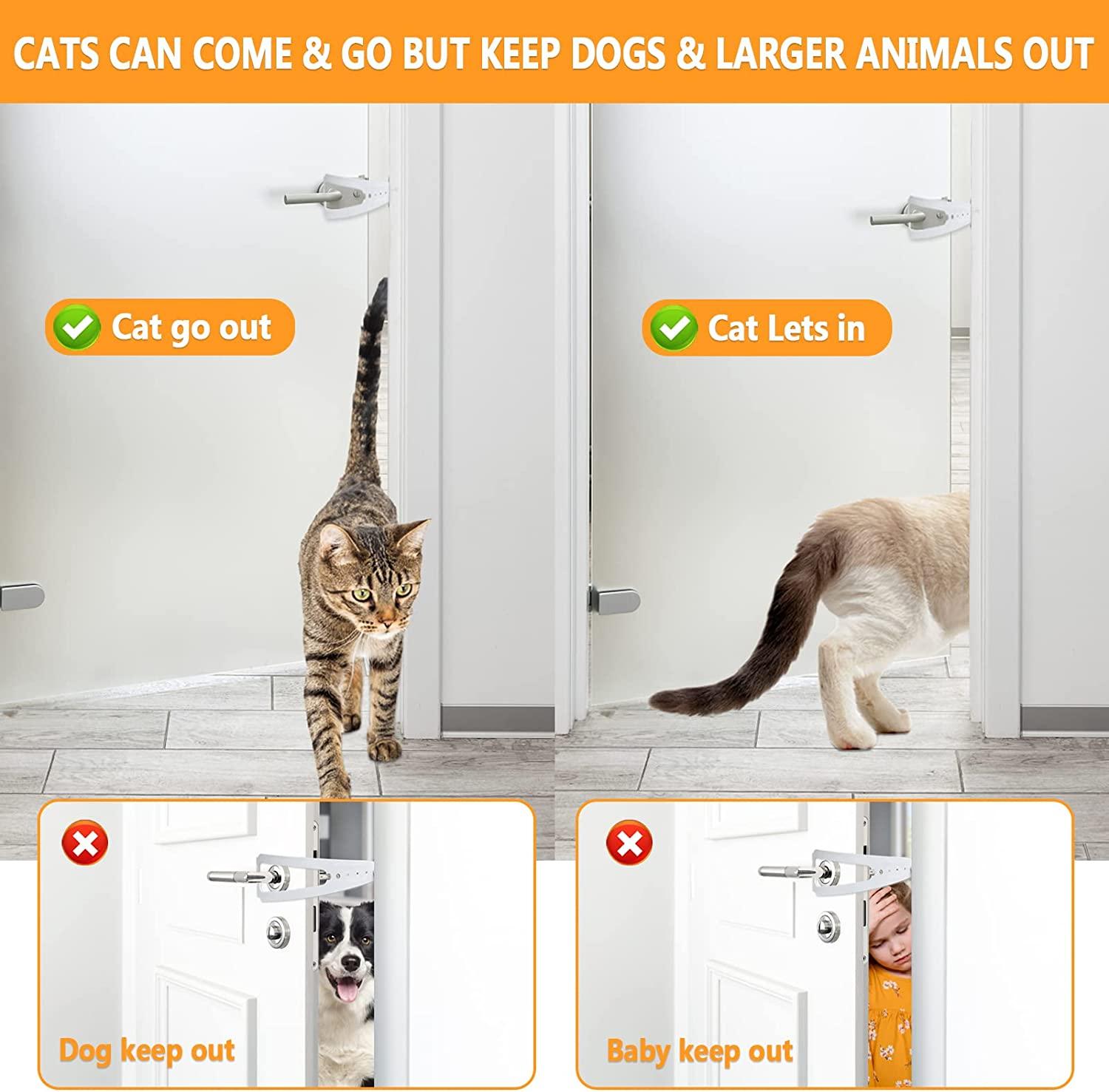
Using baby gates or pet barriers is a straightforward way to restrict your dog’s access to the litter box area. You can install a gate with a small pet door that only your cat can fit through, ensuring the dog stays out.
Think about the layout of your home. Could you place the litter box behind a gate in a hallway or a bathroom? This simple adjustment can make a big difference without needing expensive products.
Repellents Safe For Pets
There are repellents designed specifically to keep dogs away from certain areas. Look for sprays or mats that are safe for both dogs and cats, so no one gets hurt or stressed.
Some natural options include citrus scents or vinegar, which dogs typically dislike but cats tolerate well. Have you tried placing a few drops of lemon essential oil near the litter box? Many pet owners find this discourages dog visits effectively.
Using Motion-activated Devices
Motion-activated deterrents can train your dog to avoid the litter box area by creating an unpleasant but harmless surprise. Devices that emit a short burst of air or a gentle sound when your dog approaches work well.
These tools encourage your dog to respect boundaries without physical barriers. Would your dog respond better to a sound or a puff of air? Experimenting with different devices can help you find the perfect fit for your home.
Maintaining Litter Box Hygiene
Keeping your dog's curiosity away from the cat litter box starts with maintaining excellent litter box hygiene. A clean litter box not only discourages your dog from investigating it but also creates a healthier environment for your cat. When the box smells fresh and looks tidy, your dog is less likely to be attracted to it out of curiosity or confusion.
Frequent Cleaning Schedule
Cleaning the litter box regularly is key. Scoop waste at least once a day to remove odors and mess. Completely change the litter and wash the box with mild soap and warm water once a week.
Setting a consistent cleaning routine helps your cat feel comfortable and reduces the chance your dog will sniff around. Have you noticed how your dog reacts when the box is dirty? Most dogs avoid unpleasant smells, so keeping the box fresh can naturally keep them away.
Using Odor Control Products
Odor control products can make a big difference. Try adding baking soda to the litter to neutralize smells without harmful chemicals. You can also find pet-safe litter deodorizers at pet stores that are designed to keep the area smelling clean.
A fresh-smelling litter box is less tempting for your dog to explore. Be cautious with strong scented products, as some cats dislike strong fragrances and might avoid their box altogether. Would your cat prefer a natural scent over artificial air fresheners?
Alternative Solutions For Dogs
Dogs often get curious about the cat litter box. This can cause messes or health risks. Offering alternative solutions helps keep dogs away from litter boxes. It also keeps them happy and busy.
Providing Appropriate Chew Toys
Chew toys help dogs focus their energy. They satisfy the dog's natural urge to chew. This reduces interest in the cat's litter box. Choose toys that are safe and durable.
- Rubber toys that bounce or squeak
- Dental chews to clean teeth
- Interactive treat-dispensing toys
Rotate toys often to keep the dog interested. Praise the dog when using these toys. This builds positive behavior and reduces litter box visits.
Increasing Exercise And Mental Stimulation
Active dogs are less likely to explore the litter box. Daily walks help burn excess energy. Play sessions with fetch or tug keep the dog tired and happy.
Mental games boost focus and reduce boredom. Try simple training exercises or puzzle feeders. These activities challenge the dog’s mind and body.
- Hide treats around the house
- Teach new commands or tricks
- Use food puzzles or snuffle mats
Spend quality time with your dog every day. A tired dog is less curious about the cat’s space.
Frequently Asked Questions
How Can I Stop My Dog From Eating Cat Litter?
Place the litter box in a dog-proof area or use a covered box. Regularly clean the box and provide your dog with plenty of toys and distractions.
Why Do Dogs Eat Cat Litter?
Dogs may eat cat litter due to curiosity, boredom, or nutritional deficiencies. It’s important to address these causes to prevent health issues.
What Are Safe Alternatives To Cat Litter?
Consider using paper-based or natural clumping litters. Avoid clay or clumping litters that can harm your dog if ingested.
Can Training Help Keep Dogs Away From Litter Boxes?
Yes, consistent training using commands and positive reinforcement can teach your dog to avoid the litter box area.
Conclusion
Keeping your dog away from the cat litter box is essential. It protects both your pets' health. Consistent training helps achieve this goal. Use barriers or gates to separate spaces. Try using covered litter boxes. They offer an extra layer of protection.
Remember, patience is key. Every pet learns at their own pace. Consistency and positive reinforcement work wonders. Encourage good behavior with treats. Always supervise their interactions. A harmonious home benefits everyone involved. With these simple steps, peace can reign in your pet-filled household.
Your efforts will lead to a healthier, happier life for both pets.