Do you love your dog but find it frustrating when they jump on the couch at night? You’re not alone.
Many pet owners struggle to keep their furry friends off the furniture after dark. But what if you could enjoy a peaceful night’s sleep without the hassle? You’ll discover simple and effective ways to train your dog to stay off the couch at night.
By the end, you’ll feel confident and ready to create a cozy space just for your pet—without sacrificing your own comfort. Keep reading to learn how to make this change easy and lasting for both you and your dog.

Credit: www.doggoffit.com
Reasons Dogs Jump On Couch
Understanding why your dog jumps on the couch at night is the first step to changing this behavior. Dogs don’t just climb onto furniture out of mischief; they have clear reasons that drive them. Knowing these reasons can help you address the root cause instead of just the symptom.
Comfort And Warmth
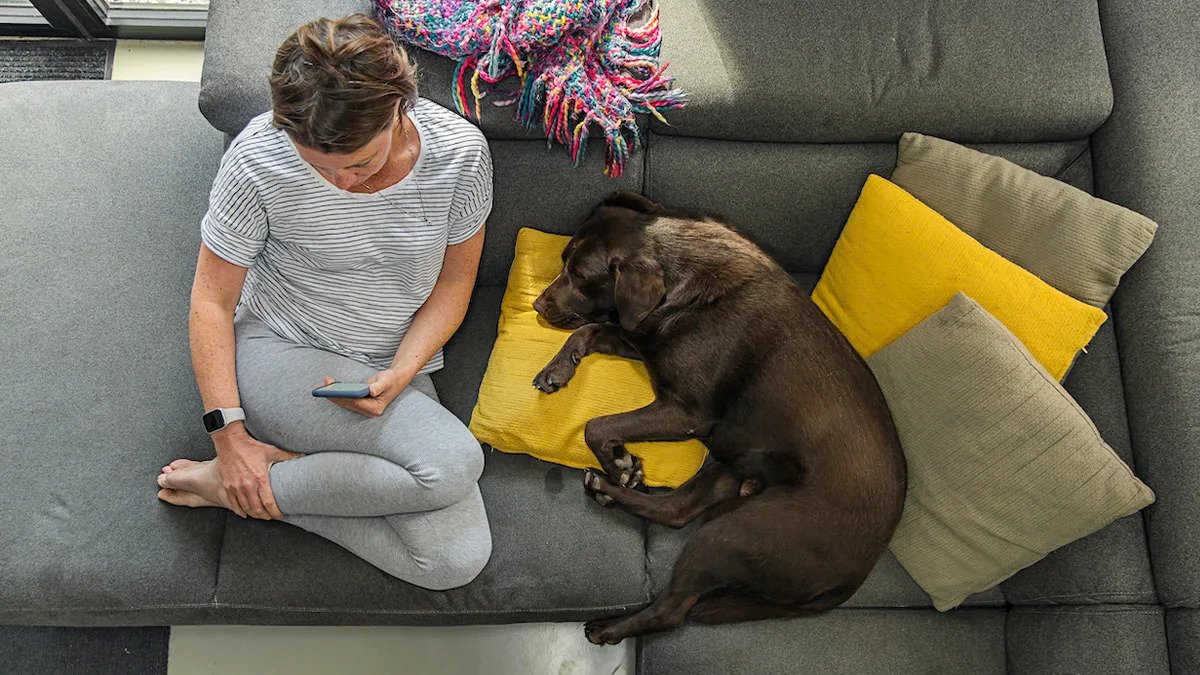
Dogs often seek out the couch because it offers a soft and warm place to rest. The couch cushions trap heat, making it a cozy spot, especially during colder nights. If your dog’s bed feels too hard or cold, they will naturally prefer the couch’s comfort.
Have you noticed how your dog curls up tightly on the couch? That’s a sign they are looking for warmth and security. Providing a plush, warm bed near your sleeping area can make a big difference.
Seeking Attention
Your dog might jump on the couch because they want to be close to you. If you often react by petting or talking to them when they are on the couch, they learn that this behavior gets your attention. Even negative attention can reinforce the habit.
Try asking yourself: are you unintentionally encouraging this behavior? Offering attention when your dog is on the floor instead can help change this pattern.
Habit And Routine
Dogs are creatures of habit. If they’ve been allowed on the couch before, it becomes part of their nightly routine. Breaking this habit means consistently guiding them to an alternative place to sleep.
Think about your own routines—how hard is it to change a habit once it’s set? Dogs feel the same way. Patience and consistency are key to shifting their nighttime routine off the couch.
Create A Cozy Dog Bed
Creating a cozy dog bed helps keep your dog off the couch at night. Dogs love comfort and a special place to call their own. A soft, warm bed invites them to rest there instead of your furniture. The right bed and its location make a big difference in your dog's choice.
Choosing The Right Bed
Select a bed that fits your dog's size and sleeping style. Small dogs enjoy cushioned, nest-like beds. Larger dogs need firm, supportive beds with enough space to stretch out. Consider beds with removable covers for easy cleaning. Materials should be soft but durable to last long. Look for beds with extra padding to offer joint support for older dogs.
Ideal Location For Bed
Place the bed in a quiet, warm corner of your home. Avoid spots near loud noises or heavy foot traffic. Dogs feel safer in cozy, enclosed areas. Near a wall or inside a pet crate works well. Keep the bed away from cold floors or drafts. Adding a blanket or pillow can make the spot more inviting. A consistent location helps your dog form a bedtime habit.
Training Techniques To Stay Off Couch
Training your dog to stay off the couch at night takes patience and clear communication. Teaching your pet where to rest helps keep your furniture clean and your dog comfortable. Using consistent training techniques creates good habits that last.
Using Commands And Signals
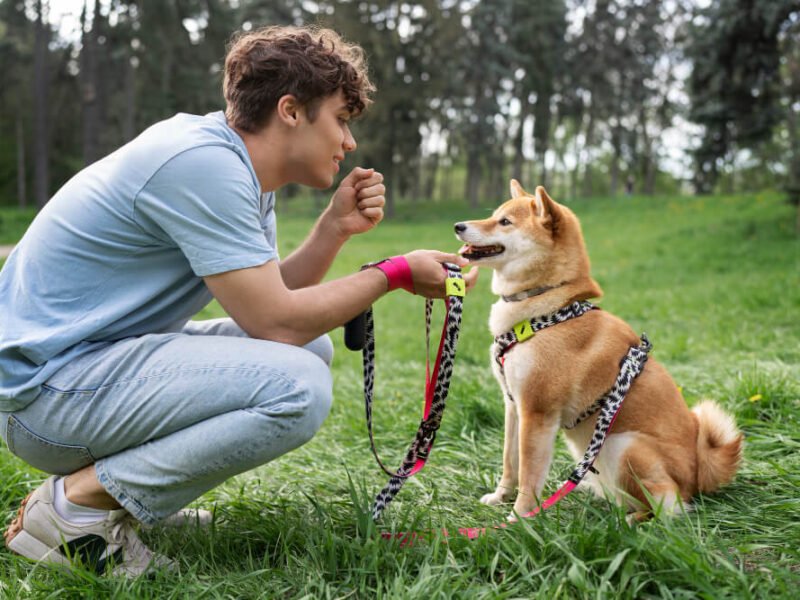
Choose simple commands like “off” or “down” to tell your dog to leave the couch. Use hand signals alongside words for better understanding. Say the command calmly and clearly. Repeat the command every time your dog tries to get on the couch. Consistency helps your dog learn faster.
Positive Reinforcement
Reward your dog with treats or praise when it stays off the couch. Give rewards immediately to connect good behavior with positive outcomes. Offer a cozy bed or blanket as an alternative resting spot. Encourage your dog to use the designated place with gentle praise. Positive reinforcement motivates your dog to obey willingly.
Consistent Boundaries
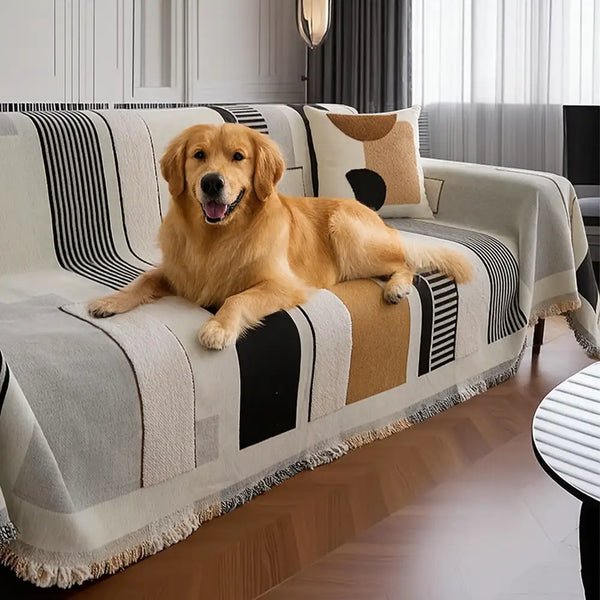
Set clear rules about couch access and stick to them every night. Avoid letting your dog on the couch sometimes and off other times. Use physical barriers like baby gates if needed. Make the couch less inviting by placing a cover or cushions that your dog dislikes. Consistency teaches your dog that the couch is off-limits.

Credit: www.amazon.com
Use Deterrents On Couch
Keeping your dog off the couch at night can be tricky. Using deterrents on the couch helps create a clear boundary. These deterrents make the couch less inviting for your dog. They work by using physical, scent, or texture signals that dogs naturally avoid.
Physical Barriers
Place objects on the couch to block access. Use folded blankets, cushions, or cardboard pieces. A baby gate or playpen can stop your dog from reaching the room. These barriers give a clear message: the couch is off-limits. They are simple and effective at night.
Scent Deterrents
Dogs dislike certain smells. Spray the couch lightly with scents like citrus, vinegar, or eucalyptus. Use safe, pet-friendly sprays designed to deter dogs. Reapply the scent regularly to keep it strong. This discourages your dog from jumping on the couch. Scents work well because dogs have a strong sense of smell.
Texture Deterrents
Dogs avoid uncomfortable surfaces. Cover the couch with materials like aluminum foil or double-sided tape. Use plastic carpet runners with the pointy side up. These textures feel strange on paws and discourage jumping. Change or move the deterrents often to keep your dog curious but cautious.
Establish A Nighttime Routine
Establishing a nighttime routine is key to keeping your dog off the couch at night. Dogs thrive on consistency and knowing what to expect helps them settle down more easily. Creating a calm, predictable schedule can reduce their urge to jump onto furniture for comfort or attention.
Exercise Before Bedtime
Giving your dog enough exercise before bedtime helps burn off excess energy. A good walk or some playtime can make a big difference in how well they rest. Think about timing: exercising too close to bedtime might energize them instead of calming them down.
Try to schedule at least 20-30 minutes of physical activity an hour before you want your dog to settle. This helps tire them out naturally. Have you noticed how your dog behaves after a long walk? Often, they’re more relaxed and less likely to seek out the couch for stimulation.
Calming Activities
After exercise, switch to calming activities to signal that it’s time to wind down. Gentle petting, a quiet chew toy, or soft music can create a peaceful environment. This helps your dog associate the end of the day with relaxation, not excitement.
Consider setting up a cozy spot for your dog with their bed and favorite blanket nearby. When you spend a few minutes engaging in these calming moments, your dog learns that resting elsewhere is just as rewarding as being on the couch.
Addressing Separation Anxiety
Separation anxiety can cause dogs to seek comfort on the couch at night. They feel uneasy when left alone or away from their owners. Understanding and addressing this anxiety helps keep dogs off furniture and promotes better sleep for everyone.
Calm dogs stay in their own space. Teaching your dog to feel safe and relaxed alone is key. Below are ways to recognize anxiety and soothe your dog effectively.
Signs Of Anxiety
- Whining or barking more than usual
- Pacing or restlessness at night
- Chewing or scratching furniture or doors
- Drooling or panting heavily when alone
- Trying to escape or follow you constantly
- Loss of appetite during separation times
Soothing Techniques
- Create a cozy sleeping area with blankets and toys
- Use a calming scent like lavender near the dog’s bed
- Play soft, relaxing music to reduce stress
- Practice short separations during the day to build confidence
- Offer a special chew or treat only at bedtime
- Maintain a calm, quiet environment before sleep

Credit: www.rover.com
Frequently Asked Questions
How Can I Train My Dog To Stay Off The Couch?
Use consistent commands and positive reinforcement to teach your dog to stay off the couch. Offer a comfortable alternative like a dog bed. Reward your dog when it obeys to encourage good behavior and reduce couch jumping at night.
What Are The Best Alternatives To Keep My Dog Comfortable?
Provide a cozy dog bed or crate near your sleeping area. Use soft blankets and familiar toys to make it inviting. This encourages your dog to rest comfortably without needing the couch.
How Do I Prevent My Dog From Jumping On The Couch?
Use deterrents like furniture covers or double-sided tape on the couch. Train your dog with commands like “off” and reward obedience. Consistency and patience help reinforce this behavior over time.
Can Crate Training Help Keep My Dog Off The Couch?
Yes, crate training establishes a safe space for your dog. It reduces couch access at night and promotes better sleep habits. Ensure the crate is comfortable and introduce it gradually to avoid stress.
Conclusion
Keeping your dog off the couch at night takes patience. Consistency is key. Establish clear boundaries for your furry friend. Use positive reinforcement. Reward them for staying off the couch. Consider using a cozy dog bed nearby. This offers comfort and security.
Use barriers like baby gates to limit access. Be patient as your dog learns. Avoid using harsh methods. They can cause stress. Over time, these steps will help. Your dog will understand the new rules. A peaceful, dog-free couch is possible.
Just stay committed to the process. Your persistence will pay off.