You love your dog, but nothing scares you more than the moment they bolt out the door. It’s a heart-stopping experience that can happen in an instant, leaving you worried and stressed.
What if you could stop that from happening? What if you had simple, effective ways to keep your furry friend safe inside? You’ll discover easy tips and tricks that anyone can use to prevent your dog from running out the door.
Keep reading to learn how to protect your dog and enjoy peace of mind every time you open that door.

Credit: www.treelinereview.com
Common Reasons Dogs Bolt
Dogs often run out the door suddenly, surprising their owners. Understanding why dogs bolt helps keep them safe. Several common reasons explain this behavior. These reasons include fear, excitement, and lack of training. Recognizing these triggers can guide better control and prevention.
Fear And Anxiety Triggers
Fear makes dogs want to escape fast. Loud noises like fireworks or thunderstorms cause panic. Strange people or animals can also frighten dogs. Anxiety from separation or new places leads to sudden running. Dogs try to find safety by running away.
Excitement And Curiosity
Dogs get excited by new sights, sounds, and smells. They love to explore beyond the door. Seeing a squirrel or another dog sparks curiosity. This energy can make dogs bolt before owners react. They chase interesting things without thinking of danger.
Lack Of Training
Dogs that lack proper training often run off. They don’t understand commands like “stay” or “come.” Doors and gates become easy escape points. Without boundaries, dogs test limits by running out. Consistent training builds trust and control over doorways.

Credit: www.reddit.com
Create A Safe Exit Zone
Creating a safe exit zone is essential for keeping your dog from darting out the door unexpectedly. This space acts as a controlled buffer between your dog and the outside world, giving you time to manage their movements effectively. Setting up this zone thoughtfully can reduce stress for both you and your pet, while enhancing safety.
Use Baby Gates Or Barriers
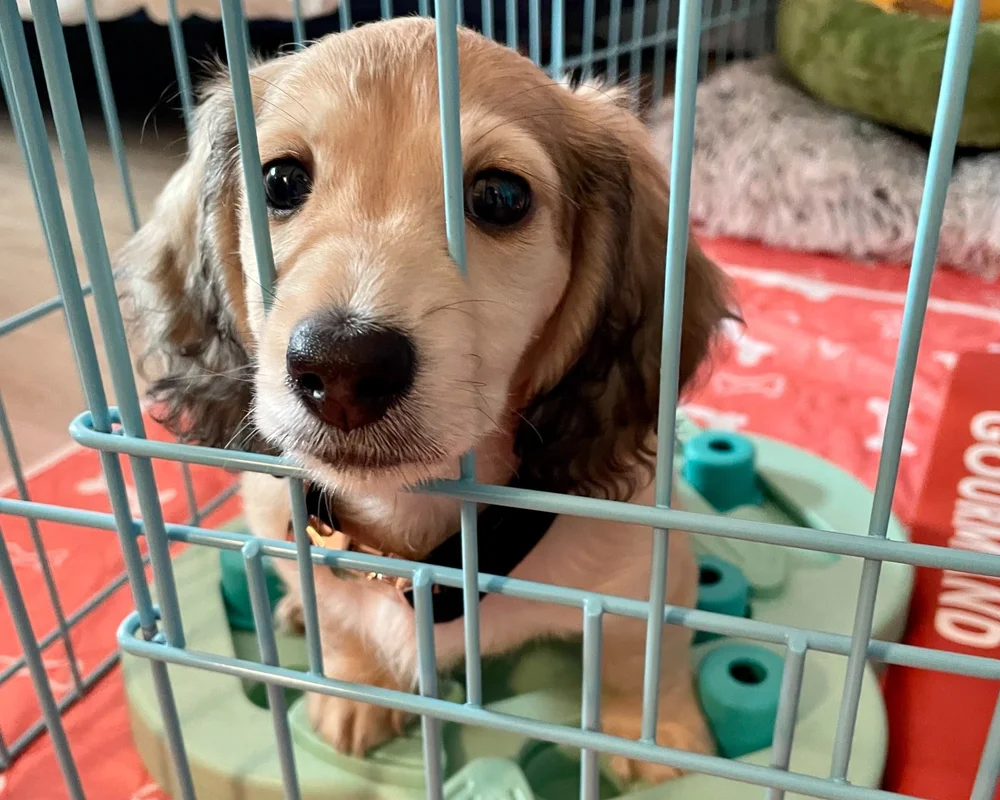
Baby gates or barriers block direct access to the door, limiting your dog's ability to rush outside. Choose sturdy gates that your dog cannot jump over or push aside easily. Place them a few feet away from the door to create a clear boundary and extra space for you to prepare before opening the door.
Think about your dog’s size and agility when picking a gate. A well-placed barrier gives you control without making your dog feel trapped.
Designate A Calm Waiting Spot
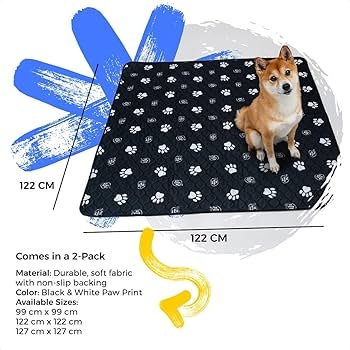
Train your dog to wait in a specific spot within the safe exit zone before the door opens. Use a mat, rug, or even a small bed to mark this area clearly. Reward calm behavior here consistently to reinforce the habit.
This waiting spot helps your dog associate staying put with positive outcomes. How does your dog respond when you ask for patience? Teaching this can prevent impulsive dashes and improve overall door manners.
Install Visual Cues
Visual cues act as clear signals for your dog to stay in the safe zone. You can use floor stickers, tape, or small signs that your dog learns to recognize as boundaries. These cues work well with training, making it easier for your dog to understand where to wait.
Have you noticed how dogs respond to visual markers during walks or training sessions? Using them at the door can be just as effective in controlling their movement and preventing escapes.
Train Door Manners
Training your dog to have good door manners is essential to prevent them from bolting out unexpectedly. It takes patience and consistency, but teaching your dog how to behave calmly around doors can protect them from dangers like traffic or getting lost. Let’s break down some practical ways to train your dog to wait patiently before going through any doorway.
Teach Stay And Wait Commands
Start by teaching your dog the basic stayand waitcommands away from the door. Use a clear, firm voice and reward your dog immediately when they hold still for a few seconds. Gradually increase the time they stay in place before releasing them.
Once they understand the command, practice it right in front of the door. Ask yourself—how long can your dog wait without getting distracted or excited? This sets the foundation for controlling their behavior at the threshold.
Practice Doorway Drills
Make the door a training zone. Open the door slightly and ask your dog to stay or wait. If they try to dart through, gently close the door and reset. Repeat this several times until your dog learns that rushing out is not allowed.
Try mixing it up by changing doors—front, back, garage—to help your dog generalize the behavior. This variety keeps them from guessing and tests their ability to stay calm in different situations.
Reward Calm Behavior
Always reward your dog for staying calm near the door. Use treats, praise, or a favorite toy to reinforce good behavior. This makes waiting a positive experience and encourages your dog to repeat it.
Think about what motivates your dog the most and use that as a reward. Calm behavior is your goal, so don’t reward jumping or pulling. Instead, wait for your dog to settle before giving any reward.
Use Leashes And Harnesses
Using leashes and harnesses is one of the most effective ways to prevent your dog from darting out the door. These tools give you control while allowing your dog some freedom to explore safely. They also help build good habits and reduce anxiety for both you and your pet.
Leash Training Indoors
Start leash training inside your home where distractions are minimal. Attach the leash and let your dog walk around, getting used to the feeling. Practice simple commands like “sit” and “stay” while on leash to build focus.
Try walking your dog to the door and rewarding calm behavior before opening it. This teaches your dog that excitement near the door doesn’t mean freedom yet. How would your dog react if you suddenly opened the door without control?
Double Leash Technique
The double leash technique adds an extra layer of safety by using two leashes simultaneously. Attach one leash to your dog’s collar and the other to a harness. This way, if one slips off, the other still keeps your dog secure.
This approach works well with dogs who are strong pullers or quick runners. It gives you more control, especially during busy moments like leaving the house. Have you tried this method when your dog is most excitable?
Harness Benefits
Harnesses distribute pressure evenly across your dog’s body, preventing neck strain and choking. They give you better control, especially with dogs that pull or try to slip free. A well-fitted harness reduces the chance of your dog escaping during door exits.
Many harnesses come with front-clip options that discourage pulling and make leash training easier. Think about how much safer it feels to have a secure grip that doesn’t hurt your dog. Could switching to a harness change how your dog behaves near the door?
Enhance Mental And Physical Exercise
Keeping your dog mentally and physically stimulated is key to preventing that sudden dash out the door. When your dog feels tired and satisfied, the urge to escape decreases significantly. Let’s look at some practical ways to boost your dog’s exercise routine that keeps them focused and calm.
Daily Walks And Playtime
Regular walks are more than just bathroom breaks—they’re essential for your dog’s energy release. Try varying your route to make the walks more interesting for your dog. A tired dog is less likely to bolt when the door opens.
Playtime is just as important. Simple games like fetch or tug-of-war can tire your dog out quickly and build your bond. Have you noticed how much calmer your dog is after a good play session?
Interactive Toys And Puzzles
Interactive toys keep your dog’s mind busy and prevent boredom-driven escapes. Toys that challenge your dog to find treats or solve problems can keep them engaged for long periods. You can rotate toys regularly to maintain their interest.
Try puzzle feeders during mealtime to slow down eating and add mental stimulation. This also helps reduce anxiety that might trigger running out the door. What type of puzzle toy has your dog enjoyed the most?
Training Sessions
Short, frequent training sessions sharpen your dog’s focus and reinforce good behavior. Teach commands like “stay” and “wait” near the door to build control at exit points. Consistency here can save you from a sudden escape attempt.
Use positive reinforcement to make training enjoyable. Even a few minutes a day can make a huge difference in your dog’s impulse control. How often do you set aside time for training with your dog?
Manage Outdoor Environment
Managing the outdoor environment is key to preventing your dog from darting out the door. It’s not just about keeping them physically contained but creating a space that feels safe and engaging. Your dog’s outdoor area should invite them to stay, explore, and relax without the urge to escape.
Secure Fences And Gates
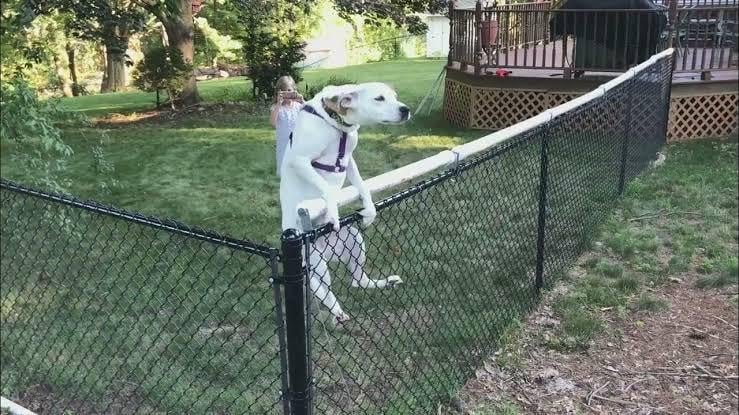
Check your fences and gates regularly for any weak spots or gaps your dog could squeeze through. Even small holes can become escape routes for curious dogs. If your dog is a jumper or digger, consider adding fence toppers or burying barriers underground to block escape paths.
Locks on gates are a must. Simple latches can be easy for clever dogs to open. Using secure, dog-proof locks gives you peace of mind and keeps your dog safely inside.
Supervise Outdoor Time
Being present while your dog is outside is one of the best ways to prevent door dashing. You can quickly intervene if your dog starts edging toward the gate or door. Plus, supervision lets you engage with your dog, making outdoor time more enjoyable and less stressful for both of you.
Try to keep your dog within sight and teach them recall commands during these moments. It’s easier to redirect their attention when you’re actively watching. Have you noticed your dog’s favorite distractions or triggers during outdoor time? Watching closely can help you manage these better.
Create A Dog-friendly Yard
Make your yard a place your dog doesn’t want to leave. Add shaded spots, fresh water, and toys to keep them entertained. A comfortable and stimulating yard reduces their urge to escape and explore outside.
Consider planting dog-safe plants and adding a digging box if your dog loves to dig. Giving them a designated digging area satisfies their natural instincts without damaging your garden. What small changes can you make today to turn your yard into your dog’s favorite hangout?
Address Fear And Anxiety
Dogs often run out the door due to fear or anxiety. These feelings can make them act suddenly and escape. Addressing their fear is key to keeping them safe. Calming their nerves helps reduce the urge to bolt. It builds trust and makes your dog feel secure at home.
Calming Products And Techniques
Products like calming collars and sprays can ease anxiety. These items release soothing scents or sounds that relax dogs. Soft music or white noise also helps calm restless pets. Gentle massages or brushing can reduce stress. Creating a quiet and safe space near the door can prevent panic.
Professional Help And Training
Trainers and behaviorists understand dog fears well. They use gentle methods to teach dogs to stay calm. Training can include desensitization to door sounds and movements. Professionals can create a plan tailored to your dog’s needs. Their guidance helps build lasting good habits.
Consistent Routine
Dogs feel safer with a steady daily routine. Regular walks, feeding, and playtimes reduce anxiety. Predictability lowers stress and keeps dogs relaxed. Having a set routine around door use helps too. Practice opening and closing the door calmly each day. This teaches your dog that the door is safe.

Credit: www.youtube.com
Safety Measures For Unexpected Escapes
Unexpected escapes can happen even to the most well-trained dogs. Taking safety measures before such moments occur can save you hours of worry and prevent dangerous situations for your furry friend. Being prepared means acting quickly and confidently if your dog bolts out the door.
Id Tags And Microchips
Make sure your dog wears a collar with up-to-date ID tags at all times. These tags should include your phone number and address, making it easy for someone to contact you if your dog is found.
Microchipping is another crucial step. It works like a permanent ID that can be scanned by vets or shelters, linking your dog back to you even if the collar is lost.
Emergency Contact Plans
Have a clear plan ready for what to do if your dog escapes. This might include having a list of local vets, animal shelters, and trusted neighbors who can help look for your dog.
Share your contact information with nearby friends or family, so they can assist quickly. Think about what routes your dog might take and prepare to check those areas immediately.
Neighborhood Awareness
Talk to your neighbors about your dog and ask them to keep an eye out. Dogs often stick close to familiar places, and neighbors can be your extra set of eyes.
Consider creating a small community alert group on social media or messaging apps. This helps spread the word fast if your dog runs off and increases the chances of a quick return.
Frequently Asked Questions
How To Train A Dog To Stay Near The Door?
Use consistent commands like "stay" and reward your dog for obedience. Practice regularly with short sessions to build trust and control.
What Are Effective Barriers To Stop Dogs From Running Out?
Install baby gates or screen doors as physical barriers. These prevent sudden escapes while allowing visibility and airflow.
How Can I Make My Dog Less Excited About The Door?
Desensitize your dog by practicing calm door openings. Use treats to reward calm behavior and reduce door-related excitement.
Why Does My Dog Run Out The Door Suddenly?
Dogs often run out due to curiosity, fear, or excitement. Understanding triggers helps you address the root cause effectively.
Conclusion
Training your dog is essential for safety. Consistency builds trust and understanding. Practice makes habits. Reward good behavior often. Praise encourages your dog. Patience is key in this journey. Create a routine to follow. Secure your doors with care. Teach commands like "stay" and "sit".
They help control your dog's movements. Engage your dog with toys indoors. This reduces outdoor temptation. A happy dog listens better. Spend quality time daily. Strengthen your bond with love. Your efforts will pay off. Keep your furry friend safe always.