Are you tired of finding your bird feeders empty or trampled, thanks to hungry deer? You’re not alone.
Deer can turn your peaceful bird-watching spot into a frustrating battleground. But don’t worry—there are simple, effective ways you can keep deer away without harming them or your garden. You’ll discover easy tips and tricks to protect your bird feeders and enjoy watching birds in peace.
Keep reading to find out how you can reclaim your backyard sanctuary today.

Credit: growitbuildit.com
Why Deer Visit Bird Feeders
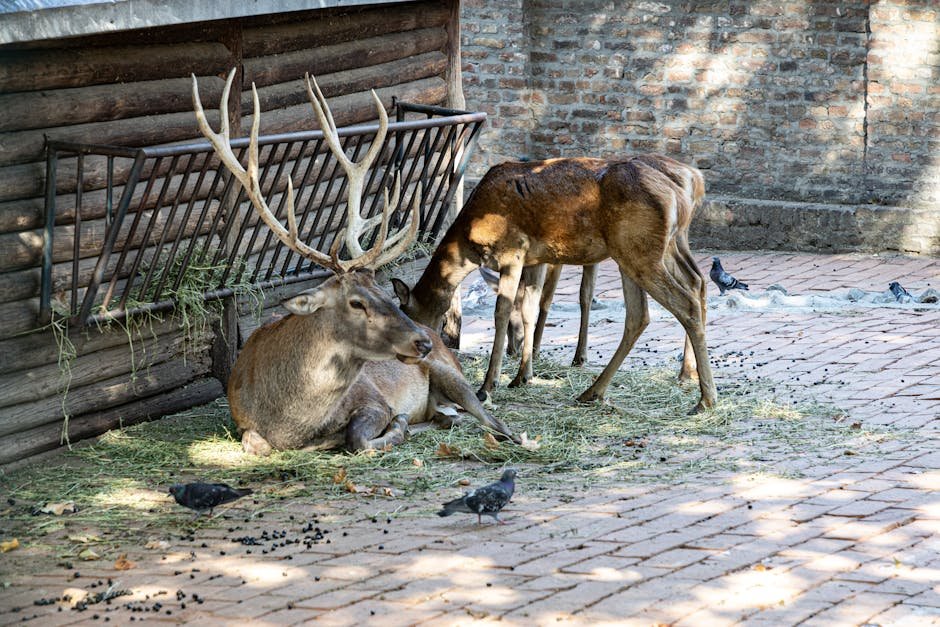
Understanding why deer visit bird feeders can help you find better ways to keep them away. Deer are curious and opportunistic feeders. They often explore areas where food is easy to find, and bird feeders fit that description perfectly.
Attraction To Food Sources
Bird feeders offer a convenient snack, especially during colder months when natural food is scarce. Deer are drawn to the seeds, nuts, and suet that spill or hang from feeders. The smell of these foods can travel quite a distance, tempting deer to investigate your yard.
Have you noticed how deer seem to show up right after you fill the feeder? This is no coincidence. The consistent availability of food creates a reliable source that deer quickly learn to seek out.
Common Feeding Behaviors
Deer are browsers, meaning they eat a variety of plants and sometimes human-provided food. They often feed during dawn and dusk, times when you might not see them but they are quietly munching near your feeders.
They can jump or reach high to access feeders, showing surprising agility. If your feeder is within reach or drops seeds on the ground, deer won’t hesitate to take advantage.
- Deer lick or nibble on feeders to get to seeds.
- They may trample plants or dig around looking for fallen seeds.
- Young deer learn these behaviors by watching older ones.
Knowing these habits helps you anticipate when and how deer approach your feeders. What changes can you make to disrupt their usual feeding routine?
Choosing Deer-resistant Feeders
Choosing the right deer-resistant feeder can save you a lot of frustration. Deer are surprisingly clever and persistent when it comes to getting to birdseed. Picking feeders that naturally discourage deer can protect your bird food and keep these large visitors at bay.
Design Features To Look For
Look for feeders with a narrow feeding port or small openings. These limit access to seeds, making it tough for deer to reach inside.
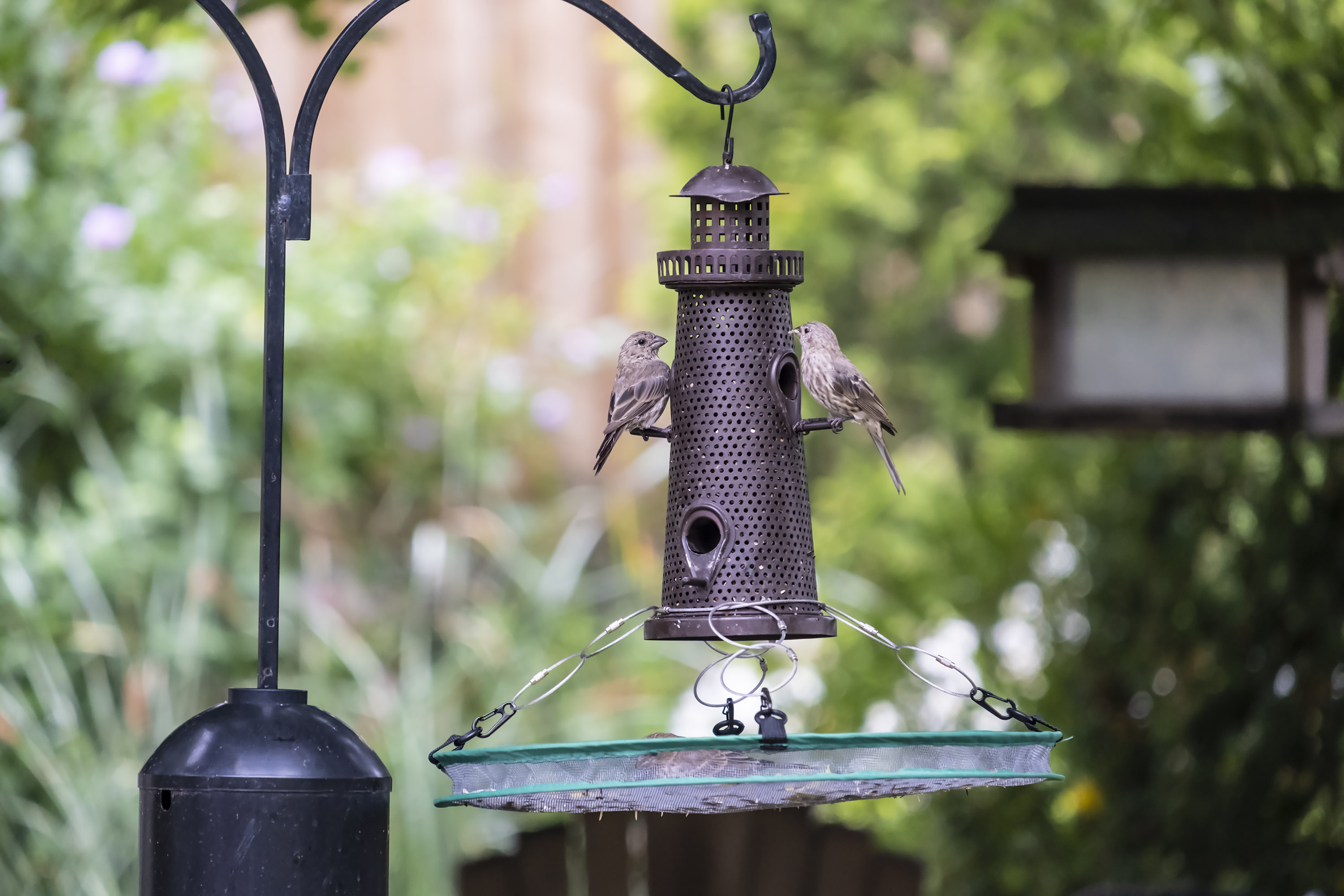
Feeders that hang from thin poles or wires also work well because deer have trouble balancing on them. Some feeders come with baffles—those round or cone-shaped guards—that block deer from climbing or jumping up.
Have you noticed how deer avoid feeders that sway or move easily? Lightweight feeders that swing when nudged can discourage deer from hanging around.
Materials That Deter Deer
Metal feeders often repel deer better than plastic or wood because they don’t feel natural or inviting to deer noses.
Consider feeders coated with textures that deer dislike, such as rough or abrasive surfaces. These materials make deer uncomfortable when they try to touch or chew the feeder.
Some feeders come with added features like scent repellents embedded in the material. Though not foolproof, this can make your feeder less appealing to deer over time.
Placement Strategies To Avoid Deer
Keeping deer away from your bird feeders starts with smart placement. Deer are surprisingly agile and persistent, so where you put your feeder can make all the difference. Positioning your feeders thoughtfully can reduce unwanted visits and protect both your bird seed and the local wildlife balance.
Elevating Feeders
Raising your bird feeder is one of the simplest and most effective ways to keep deer at bay. Deer can jump high, but they usually avoid reaching for food placed above their comfortable range. Try mounting your feeder at least 5 to 6 feet off the ground.
Think about using a sturdy pole or hanging it from a tall tree branch. This height not only deters deer but also keeps the seed cleaner and safer from other ground animals. Have you noticed how birds prefer feeders that are easy to spot but hard for predators to reach? Elevation works in your favor here.
Distance From Deer Paths
Deer often follow the same trails repeatedly. Identifying these paths near your property can help you decide where not to place feeders. Place your bird feeders away from these natural routes to reduce accidental encounters.
Even moving feeders 20 to 30 feet away from known deer paths can make a big difference. Look for signs like hoof prints, droppings, or flattened grass to find these trails. Have you ever caught a deer nibbling at your feeder only to realize it was right next to their favorite path?
By combining elevation with careful distance from deer paths, you create a setup that favors birds and discourages deer. This thoughtful placement lets you enjoy watching your feathered friends without worrying about the four-legged visitors.
Credit: dengarden.com
Using Physical Barriers
Using physical barriers is an effective way to keep deer away from bird feeders. These barriers create a clear block that deer cannot easily cross. They protect the feeder area without harming the animals. Physical barriers also help reduce damage to plants and lawn near the feeder.
Fencing Options
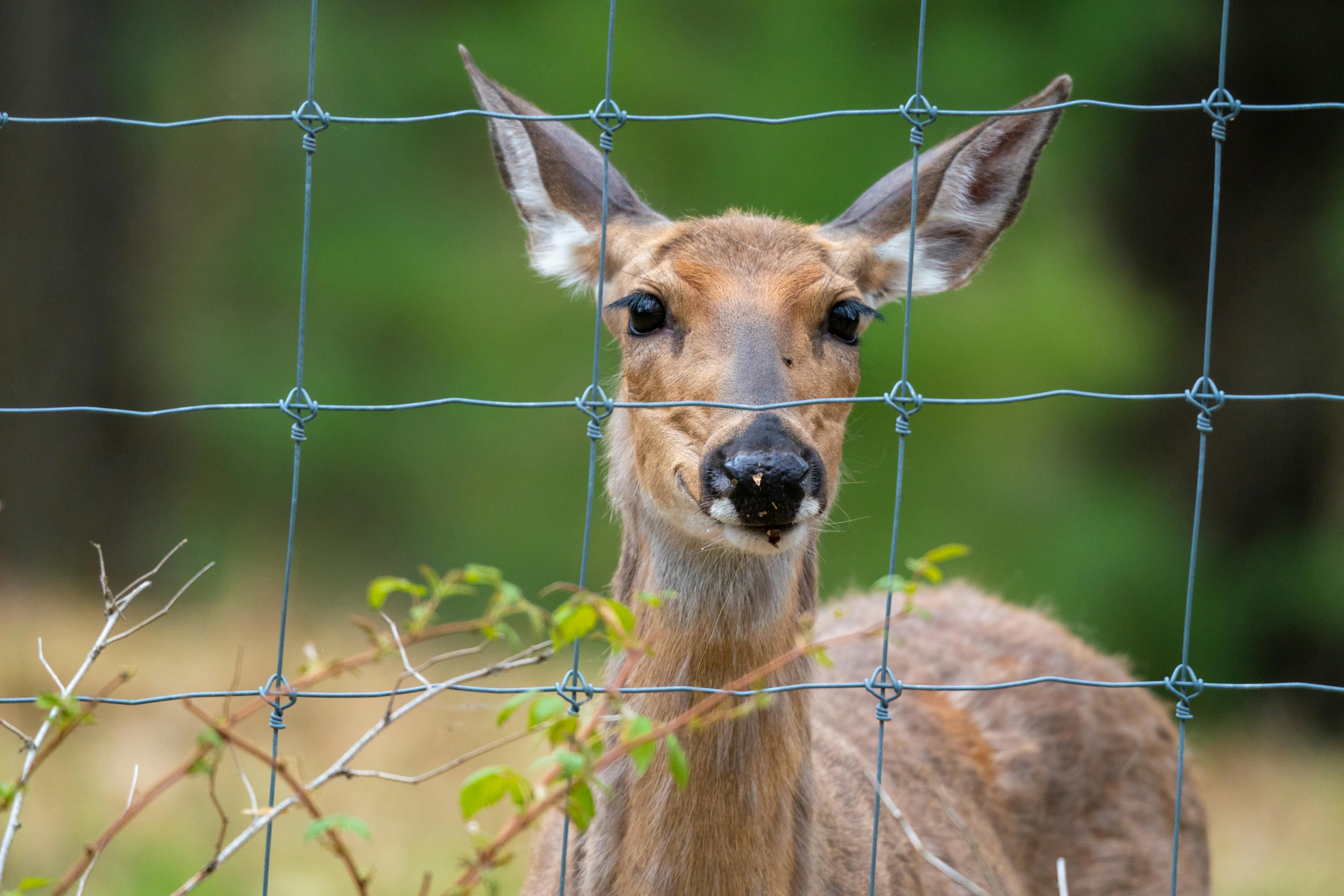
Fencing around bird feeders can stop deer from reaching the food. A fence should be at least 8 feet tall because deer can jump high. Choose sturdy materials like wire mesh or wooden panels. Make sure the fence encloses the feeder completely to prevent deer from sneaking in.
- Use deer-proof wire mesh for good visibility.
- Wooden fences can blend well with garden design.
- Electric fences provide extra protection in tough cases.
- Install gates that close tightly to keep deer out.
Natural Plant Barriers
Planting certain shrubs and plants can create a natural barrier around feeders. Deer dislike strong smells and prickly textures. Use this to your advantage by planting bushes they avoid. This method looks natural and adds beauty to the yard.
- Barberry has sharp thorns deer avoid.
- Lavender gives off a scent deer dislike.
- Holly bushes have prickly leaves that block deer.
- Plant dense shrubs to form a thick barrier.
Repellents That Keep Deer Away
Keeping deer away from your bird feeders can be challenging, but repellents offer a practical solution. These products and homemade mixtures create scents or tastes that deer find unpleasant, encouraging them to stay clear of your feeding areas. Choosing the right repellent can save your feeders and keep the local wildlife balanced.
Commercial Repellents
Commercial repellents come in many forms like sprays, granules, and sticks. Most use ingredients such as putrescent egg solids, garlic, or predator urine to deter deer. You simply apply them around your feeder or garden, and the strong odors keep deer at bay.
Some repellents need reapplication after rain, so check the label for instructions. I once used a garlic-based spray that worked well, but only lasted a few days after heavy showers. Are you ready to commit to regular maintenance for effective deer control?
- Look for EPA-approved products for safety
- Apply before deer become frequent visitors
- Combine repellents with physical barriers for best results
Homemade Solutions
If you prefer a natural approach, several homemade repellents can keep deer away without harsh chemicals. Mixing garlic powder, hot sauce, and water into a spray is a popular recipe many gardeners swear by. The strong smell and taste discourage deer from approaching your feeders.
Another option is using human hair or soap bars near your feeder. These items carry scents that deer dislike, making your bird feeder less attractive. Have you tried simple household items to protect your feeders before buying commercial products?
- Spray homemade mixtures weekly or after rain
- Place hair clippings in mesh bags for easy hanging
- Use strong-smelling soaps like Irish Spring as a deterrent
Timing And Feeding Techniques
Timing and feeding techniques play a big role in keeping deer away from bird feeders. Deer are most active during dawn and dusk. Feeding birds at different times helps reduce deer visits.
Adjusting the feeding schedule can make a difference. Feeding during less busy times limits deer encounters. Also, managing food spillage keeps deer from getting easy meals.
Feeding During Less Active Hours
Feed birds when deer are less active. Midday is often a good time. Deer usually avoid open areas during the day. Feeding birds in bright sunlight lowers deer chances. This way, birds get food safely.
Feeding early afternoon helps birds without attracting deer. Avoid feeding at dawn or dusk. These are peak times for deer. Changing feeding times confuses deer routines. It reduces their visits to feeders.
Limiting Food Spillage
Spilled seeds attract deer. Use feeders that minimize waste. Tube feeders with small openings work well. Tray feeders often spill more food. Clean up spilled seeds regularly. This stops deer from finding extra food.
Place feeders over hard surfaces. Concrete or gravel prevents seed growth. Avoid placing feeders near plants. Deer follow seed trails to vegetation. Keeping the area clean keeps deer away.
Maintaining A Deer-free Feeding Area
Maintaining a deer-free feeding area helps protect bird feeders from unwanted visitors. It creates a safer space for birds to eat and reduces seed waste. Simple habits and regular checks keep deer away effectively.
Regular Cleaning
Clean the feeding area often. Remove spilled seeds and husks from the ground. This stops deer from smelling food nearby. Clear away old bird droppings and dirt around feeders. A tidy space makes the area less attractive to deer.
Monitoring And Adjusting Tactics
Watch your feeding area for deer activity. Use motion-activated cameras or check by sight. Change feeder locations if deer keep coming close. Try different types of feeders that are harder for deer to reach. Adjust tactics based on what works best in your yard.
Credit: deerbusters.com
Frequently Asked Questions
How Can I Prevent Deer From Accessing Bird Feeders?
To keep deer away from bird feeders, use a deer-resistant feeder. Hang it at least 8 feet high. Install a physical barrier like a fence around the feeder area. Consider using deer repellent sprays or devices that emit sound to scare them away.
Regularly change tactics to maintain effectiveness.
What Are Deer-resistant Bird Feeder Designs?
Deer-resistant bird feeders include tall pole-mounted feeders and weight-sensitive feeders. These designs prevent deer from reaching the seed. Hanging feeders with baffles or feeders with cages also deter deer. Choose feeders that are difficult for deer to access but still allow birds to feed comfortably.
Do Certain Bird Seeds Attract Deer?
Yes, deer are attracted to sunflower seeds, corn, and suet. To deter deer, use bird seed mixes that exclude these ingredients. Opt for thistle or nyjer seeds, as deer typically avoid them. Regularly check and clean feeders to remove any spilled seed that might attract deer.
Can Motion-activated Devices Deter Deer?
Motion-activated devices can effectively deter deer from bird feeders. These devices emit sudden sounds or lights, scaring deer away. Install them near feeders for maximum effect. They work best when combined with other deterrent methods. Regularly change device location to prevent deer from becoming accustomed.
Conclusion
Keeping deer away from bird feeders takes some simple steps. Use physical barriers like fences or poles to block deer access. Try hanging feeders higher or using deer-resistant feeders. Deer dislike strong smells, so adding scents like peppermint oil helps.
Keep your feeding area clean to avoid attracting deer. Small changes make a big difference in protecting your bird feeders. Enjoy watching birds without worrying about hungry deer. With patience and care, you can share your garden safely with birds only.