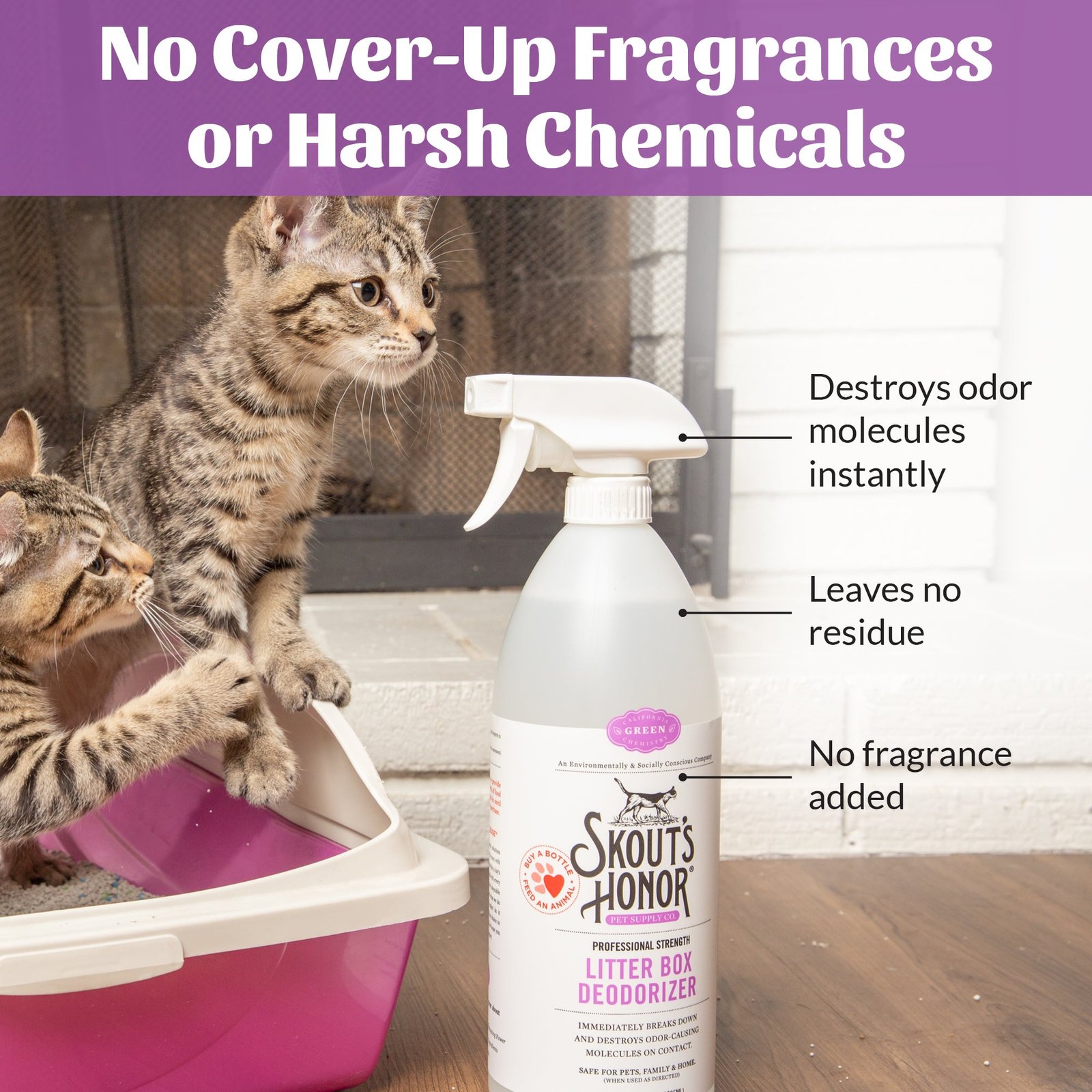


Does your home sometimes carry that unmistakable cat smell? You love your furry friend, but the odor can be frustrating and embarrassing, especially when guests come over.
What if you could keep your house smelling fresh and clean without giving up your pet? You'll discover simple, effective ways to banish cat smells for good. By the end, your home will feel welcoming and odor-free, making both you and your cat happier.
Keep reading to learn how easy it is to enjoy a fresh-smelling house every day.

Credit: www.safe-dry.com
Sources Of Cat Odor
Understanding where cat odors come from is key to keeping your home fresh. Cat smells don’t just appear out of nowhere—they usually come from specific places and habits. Identifying these sources helps you tackle the problem effectively and keeps your living space pleasant for both you and your feline friend.
Litter Box Smells
The litter box is the most common source of cat odor. If you don’t scoop it daily, ammonia from urine builds up quickly, creating a strong, unpleasant smell. Even with regular cleaning, the type of litter you choose can make a big difference—some litters trap odor better than others.
Have you noticed that clumping litters often hold smells longer? Switching to those or adding baking soda can help. Also, placing the litter box in a well-ventilated area reduces lingering smells in your home.
Cat Fur And Dander
Cat fur and dander carry natural oils and sometimes odors from their environment. When your cat sheds, these particles spread across your furniture and floors, contributing to a subtle but persistent smell. Regular grooming and vacuuming reduce this buildup significantly.
Think about how often you clean your couch or bedding where your cat likes to nap. These spots can trap fur and dander, so washing covers frequently keeps odors down. You might be surprised how much fresher your home feels with just a bit more attention to these areas.
Accidents And Marking
Cats sometimes urinate outside the litter box or mark territory by spraying. These incidents leave strong, hard-to-remove smells that can linger if not treated immediately. Using enzymatic cleaners designed for pet stains is essential because regular cleaners often miss the odor-causing molecules.
Does your cat seem stressed or unsettled? Stress can trigger marking behavior, so addressing the root cause can prevent repeats. Spot cleaning quickly and checking your cat’s health helps keep your house smelling clean and your pet comfortable.
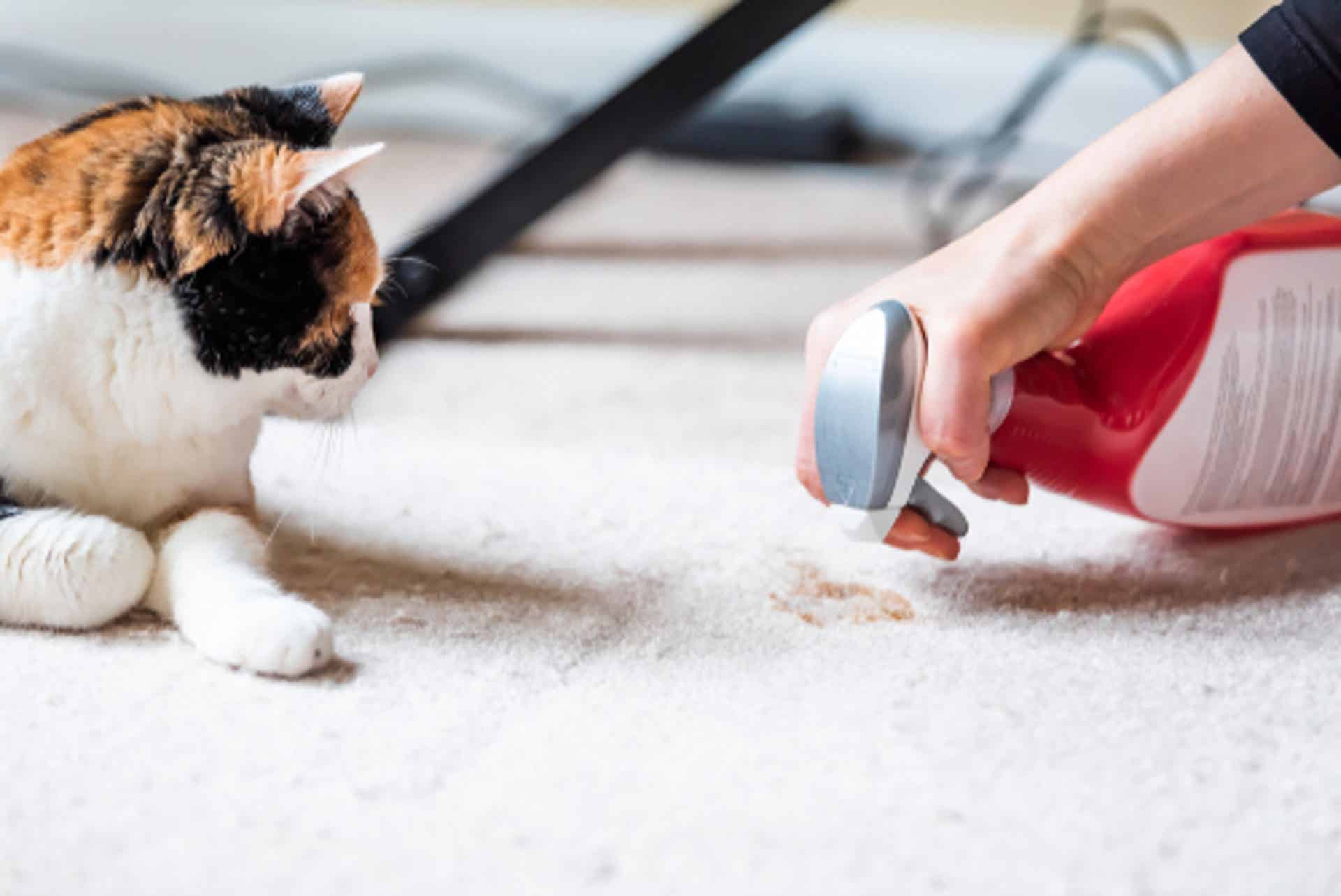
Credit: www.servpro.com
Daily Cleaning Habits
Daily cleaning habits play a crucial role in keeping your home free from cat odors. Small, consistent actions can make a big difference in maintaining a fresh environment. Let’s look at practical habits you can add to your routine to keep cat smells at bay.
Regular Litter Box Maintenance
Cleaning the litter box every day is essential. Scoop out clumps and waste at least once daily to prevent strong smells from building up. You might find that using a deodorizing litter or adding baking soda to the box helps neutralize odors even more.
Don’t forget to fully change the litter and wash the box with mild soap weekly. It’s surprising how much difference a clean box makes to the overall smell in your home. Have you noticed how much fresher the air feels just after cleaning the litter?
Vacuuming And Dusting
Cat hair and dander contribute significantly to lingering smells. Vacuuming floors, carpets, and furniture frequently removes these odor traps. Aim to vacuum high-traffic areas and spots your cat loves to rest.
Dusting surfaces regularly also helps, especially places where hair can settle unnoticed. Using a vacuum with a HEPA filter can capture tiny particles that cause odor. How often do you vacuum areas your cat frequents?
Washing Cat Bedding
Your cat’s bedding collects oils, dirt, and smells over time. Washing it at least once a week keeps odors from settling into fabrics. Use a pet-safe detergent and hot water to remove any lingering smells thoroughly.
Having multiple sets of bedding lets you swap them out easily during laundry days. You might be surprised how much fresher your home feels when your cat’s sleeping spots are clean and odor-free. What’s your current routine for washing pet bedding?
Litter Box Solutions
Keeping your home free from cat odors often starts with how you manage the litter box. The right litter box solutions can make a big difference in controlling smells and keeping your space fresh. Let’s dive into practical ways you can tackle this challenge effectively.
Choosing The Right Litter
Not all cat litters are created equal when it comes to odor control. Clumping litters tend to lock in moisture and odors better than non-clumping types. You might find that litters made from natural materials like corn, wheat, or walnut shells reduce smells more effectively and are gentler on your cat’s paws.
Have you ever noticed how some litters create more dust, making the air feel stuffy? Opt for low-dust options to keep your home air cleaner and your cat more comfortable. Scented litters can help mask smells, but some cats dislike strong fragrances, so watch your cat’s reaction closely.
Using Odor Absorbers
Odor absorbers are a secret weapon for many cat owners. Baking soda sprinkled at the bottom of the litter box can neutralize smells without irritating your cat. Activated charcoal bags placed near the litter box also absorb odors effectively and last for several weeks.
Have you tried commercial odor absorbers designed specifically for litter boxes? They often combine natural ingredients to reduce smells without harsh chemicals. Keep a small container handy and refresh it regularly to maintain a pleasant environment.
Proper Litter Box Placement
Where you put the litter box impacts how smells spread throughout your home. Choose a well-ventilated area, but avoid placing it near your cat’s food or sleeping spots. This separation helps reduce the chance of odors lingering in your living spaces.
Consider a quiet corner or a bathroom with an exhaust fan. These spots help keep smells contained and improve air circulation. Have you noticed how placing the box in a busy hallway makes the smell more noticeable? Small changes in location can make a big difference.
Air Freshening Techniques
Keeping your home smelling fresh and clean is important when living with cats. Air freshening techniques help reduce unwanted odors effectively. These methods make your space more inviting and comfortable. They work well alongside regular cleaning and litter box maintenance.
Ventilation Tips
Open windows regularly to allow fresh air inside. Use exhaust fans in kitchens and bathrooms. Place a fan near litter boxes to push odors outside. Keep doors open between rooms to improve airflow. Fresh air helps dilute and remove pet smells quickly.
Natural Deodorizers
Baking soda is a safe and cheap odor absorber. Sprinkle it on carpets and furniture, then vacuum after 15 minutes. Activated charcoal traps odors effectively; place small bags in rooms. Fresh herbs like lavender or rosemary offer a pleasant scent. Simmer cinnamon sticks or citrus peels on the stove to freshen the air.
Air Purifiers For Pet Odors
Choose air purifiers with HEPA and carbon filters. HEPA filters capture pet dander and dust. Carbon filters absorb odors and harmful gases. Place purifiers near litter areas or where your cat spends time. Run purifiers daily to keep air clean and fresh.
Managing Cat Grooming
Managing cat grooming plays a key role in keeping your house smelling fresh. Cats groom themselves, but they still need help. Dirt, loose fur, and oils can build up on their coat and cause odors. Regular care reduces the smell and keeps your cat healthy.
Regular Brushing
Brushing your cat removes loose fur and dirt. It stops fur from spreading around the house. Use a brush made for cats to avoid hurting their skin. Brush gently every day or at least a few times a week. This also helps reduce hairballs, which can cause bad smells.
Bathing Tips
Bathing your cat is not always needed but helps with strong odors. Use a mild shampoo made for cats. Make sure water is warm and avoid the cat’s face. Rinse well to remove all shampoo. Dry your cat with a soft towel. Bathing once a month or when your cat is very dirty works well.
Diet And Odor Control
Your cat’s diet affects its smell too. High-quality food keeps skin and fur healthy. Some foods reduce odor from waste. Fresh water helps your cat stay clean from inside. Avoid feeding your cat strong-smelling treats or table scraps. A good diet can lower bad smells in your home.
Handling Accidents Quickly
Handling cat accidents quickly is key to keeping your home fresh and clean. The longer urine or feces sit, the harder it gets to remove smells and stains. Acting fast stops the odor from settling into carpets, furniture, and floors.
Speed helps protect your home from lasting damage and unpleasant smells. It also helps your cat learn where to go outside the litter box. Cleaning right after an accident is essential for a clean, odor-free home.
Effective Cleaning Products
Choose cleaning products designed for pet accidents. Avoid bleach or ammonia cleaners. These can make the smell worse and may harm your cat.
Use gentle detergents or pet-safe sprays. Make sure the product can remove both stains and odors. Clean the spot thoroughly, using a cloth or paper towel to absorb liquid first.
Enzyme Cleaners For Stains
Enzyme cleaners break down urine and feces at a molecular level. They target the source of the smell instead of masking it. This helps remove odors completely.
Apply enzyme cleaner liberally to the affected area. Let it sit for the time suggested on the label. Then blot or wipe away the cleaner. Repeat if needed for strong stains or smells.
Preventing Repeat Incidents
After cleaning, keep your cat away from the spot. Use a barrier or cover the area temporarily. This stops your cat from returning to the same place.
Check your cat’s litter box is clean and easy to access. Sometimes accidents happen because the box is dirty or hard to reach. Regular cleaning and a quiet spot help your cat use the litter box every time.
Behavioral Adjustments
Behavioral adjustments play a key role in keeping cat smell out of the house. Cats often mark their territory through scent, especially if they feel stressed or uncomfortable. Changing their behavior helps reduce unwanted odors and keeps your home fresh.
These adjustments focus on creating a calm, secure environment and promoting good habits. Observing your cat’s behavior and making small changes can lead to big improvements in scent control.
Reducing Stress For Cats
Stress can cause cats to spray or urinate outside the litter box. Provide quiet spaces where your cat can relax. Use calming products like pheromone diffusers to ease anxiety. Keep a regular routine for feeding and playtime. Avoid sudden changes in the home environment. A calm cat is less likely to mark with strong odors.
Encouraging Proper Litter Use
Choose the right litter type and keep the box clean. Scoop daily and wash the litter box weekly with mild soap. Place the litter box in a quiet, accessible spot. Have one more box than the number of cats in your home. Praise your cat when it uses the box correctly. Proper litter use reduces accidents and odor buildup.
Consulting A Veterinarian
Health problems can cause unusual urination and smells. Visit a vet if your cat suddenly starts marking or smells stronger. Conditions like urinary tract infections need treatment. Your vet can also recommend behavior specialists or medications. Early help can prevent persistent odor problems and improve your cat’s wellbeing.

Credit: www.reddit.com
Frequently Asked Questions
How To Remove Cat Odor From Carpets Effectively?
Use baking soda on carpets to neutralize odors. Vacuum thoroughly after letting it sit for 15 minutes. Regular cleaning prevents buildup of cat smells in carpets.
What Cleaning Products Work Best For Cat Urine Smell?
Enzyme-based cleaners break down urine proteins and eliminate odors. Avoid ammonia or bleach, which may worsen the smell or harm pets.
How Often Should I Clean My Cat’s Litter Box?
Clean the litter box daily to reduce odor. Replace litter completely once a week and wash the box with mild soap to maintain freshness.
Can Air Purifiers Help Reduce Cat Smells Indoors?
Yes, air purifiers with HEPA filters capture dander and odor particles. They improve air quality and help keep cat smells under control.
Conclusion
Keeping your house free from cat odors is achievable with simple steps. Regular cleaning and proper ventilation work wonders. Use natural deodorizers to maintain freshness. Litter box maintenance is crucial; clean it daily. Wash cat bedding frequently to reduce smells.
Choose high-quality cat food for better digestion. Remember, a fresh home makes everyone happier, including your feline friend. Consistency is key. Stick to a routine, and you'll enjoy a pleasant, odor-free environment. Happy cat, happy home!