Is your cat hiding under your bed again, making it hard to clean or relax? You’re not alone.
Cats love cozy, hidden spots, but their favorite hiding place can become a problem for you. If you want to keep your furry friend out from under the bed without stress or struggle, this guide is for you. You’ll discover simple, effective tips that work with your cat’s nature—not against it.
Keep reading to find out how to make your home more comfortable for both you and your cat.

Credit: www.walmart.com
Why Cats Hide Under Beds
Cats often choose to hide under beds, and understanding why can help you address the behavior effectively. This cozy, dark space offers more than just a hiding spot; it fulfills specific needs tied to your cat’s instincts and feelings. Knowing the reasons behind this habit can guide you in creating a more comfortable environment for your feline friend.
Common Reasons For Hiding
Cats hide under beds for various practical reasons. One major cause is stress or fear—loud noises, new visitors, or changes in the home can push your cat to seek a safe retreat. Illness or injury also makes cats want to rest undisturbed in a quiet spot.
Sometimes, your cat simply wants privacy or a peaceful place to nap away from household activity. Younger kittens and shy cats especially like this hiding place as a way to feel secure. Have you noticed your cat disappears under the bed right after a noisy event or a vet visit? That’s their way of coping.
Behavioral Traits Of Cats
Cats are natural hunters and survivors. Their instincts make them cautious about open spaces and exposed areas. Hiding under the bed taps into this behavior, giving them a vantage point where they can observe without being seen.
Many cats prefer small, enclosed spaces because they feel protected there. This behavior isn’t just about fear—it’s about control over their environment. When you see your cat under the bed, they are exercising their natural need to feel safe and in charge.
Have you tried offering alternative cozy spots, like covered cat beds or boxes? These can sometimes meet your cat’s need for hiding while keeping them accessible to you. Understanding these behavioral traits helps you respect your cat’s feelings and find solutions that work for both of you.
Risks Of Cats Under Beds
Having your cat hide under the bed might seem harmless, but it can bring several risks that affect both your pet’s well-being and your home. Cats love tight, quiet spaces, yet these spots can create hidden problems. Understanding these risks helps you protect your cat and keep your living space safe.
Health Concerns
Under the bed, dust and allergens gather, which can trigger respiratory issues in cats. If your cat spends long hours there, it could worsen their allergies or asthma. You might not notice at first, but frequent sneezing or coughing can be a sign of trouble.
Another risk is injury. Cats can get stuck or hurt themselves if the space is cluttered with sharp objects, wires, or heavy items. Have you checked what’s lurking beneath your bed lately? It’s easy to overlook hazards that could harm your curious pet.
Damage To Furniture
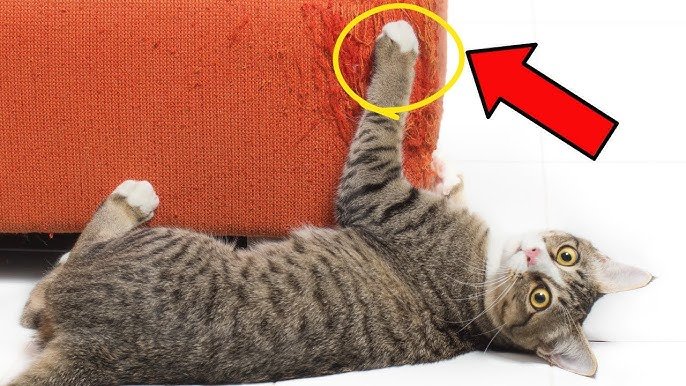
Cats often scratch surfaces to sharpen their claws or mark territory. When they hide under the bed, they may scratch the bed frame or nearby furniture, causing visible damage. You might find claw marks or even broken parts if the bed frame is old or weak.
Besides scratching, cats can accidentally dislodge or break items stored under the bed. If you keep valuables or fragile objects there, think about how much risk you’re willing to take. Could this be costing you more than just a few scratches?
Quick Deterrent Techniques
Keeping a cat out from under the bed can be tricky. Cats love small, quiet spaces. Quick deterrent techniques help stop this habit fast. These methods use simple tools at home. They make the space less inviting for your cat.
Using Scents Cats Dislike
Cats have a strong sense of smell. Certain scents keep them away easily. Citrus smells like lemon or orange work well. You can place peels or sprays near the bed.
Other scents cats avoid include:
- Vinegar
- Eucalyptus
- Lavender
Use these scents safely. Avoid strong sprays that may harm your cat. Refresh the scent often for better results. Your cat will learn to avoid the area.
Noise And Movement Deterrents
Cats dislike sudden noises and quick movements. Use these to keep them out from under the bed.
- Place a noisy object, like a bell, near the bed.
- Use a motion-activated sound device to startle your cat.
- Gently tap the bed frame when your cat tries to hide.
These noises teach your cat that the space is not safe. Avoid loud or frightening sounds. Be consistent but gentle to keep your cat calm.

Credit: www.amazon.com
Creating Alternative Safe Spaces
Creating alternative safe spaces is key to encouraging your cat to leave the area under your bed. Cats seek comfort and security, so giving them appealing spots to relax will naturally draw them away. Think about what your cat loves and build on those preferences to create inviting alternatives.
Cozy Beds And Hideouts
Cats love feeling snug and hidden. Offering cozy beds or small hideouts gives them a sense of safety that rivals the under-bed space. Try placing soft blankets or cushions inside enclosed areas like cat tents, boxes, or even covered cat caves.
Think about spots that catch your cat’s attention, such as near a sunny window or a quiet corner. You could even add a familiar scent by placing a piece of your clothing inside. Would your cat prefer a warm, sunlit nook or a quiet retreat? Experiment to find what they enjoy most.
Interactive Toys And Enrichment
Keeping your cat mentally and physically engaged can reduce their urge to hide under the bed. Toys that move, puzzle feeders, and climbing structures create stimulation and fun. These interactive options make other parts of your home more interesting and inviting.
Watch how your cat plays and learn which toys excite them. Does your cat like chasing feathers or prefers to solve treat puzzles? Rotate toys regularly to keep their interest fresh and encourage exploration beyond the bed area.
Setting Boundaries And Training
Setting boundaries and training your cat helps keep them away from under the bed. Cats need clear signals about where they can and cannot go. Consistent training teaches your cat to respect these limits. Patience and kindness make the process smooth for both you and your pet.
Positive Reinforcement
Use treats and praise to reward your cat for staying out from under the bed. Giving rewards helps your cat learn that good behavior brings benefits. Avoid punishment, as it can cause fear or confusion. Instead, focus on encouraging your cat to choose safe, open spaces.
Consistent Routine
Keep a steady daily routine for feeding, play, and rest times. Cats feel secure with regular schedules, reducing hiding behavior. Gently redirect your cat if they try to slip under the bed. Consistency helps your cat understand boundaries clearly and quickly.

Credit: www.amazon.com
Practical Bedroom Adjustments
Keeping a cat out from under the bed often needs simple, smart changes in the bedroom. These practical bedroom adjustments help block your cat’s favorite hiding spots. They also make the area less inviting. Small tweaks can protect your space without stress.
Blocking Access Points
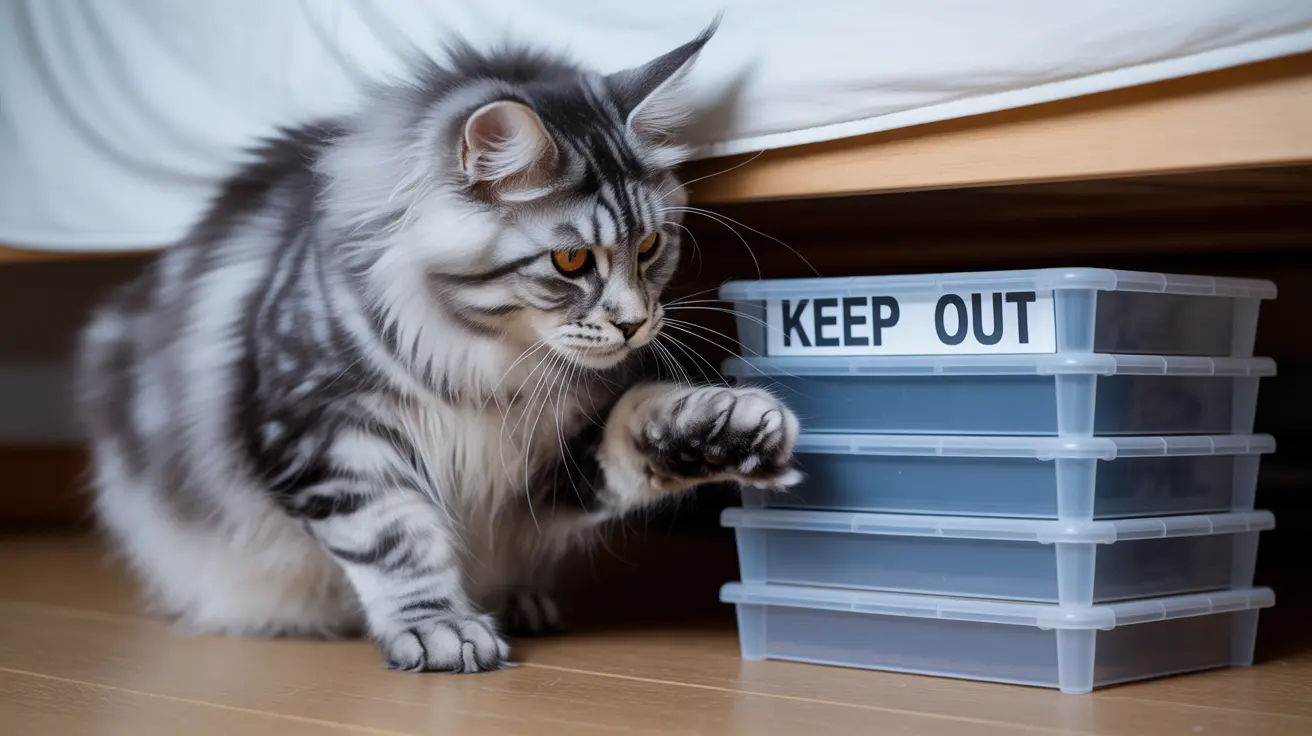
Start by finding all the gaps under the bed. Cats squeeze through tiny spaces. Use barriers to cover these openings. Options include:
- Foam boards cut to fit under the bed edges
- Plastic storage containers to fill gaps
- Heavy-duty cardboard pieces secured with tape
Make sure the barriers fit snugly. No gaps should remain for your cat to sneak inside. Check corners and sides thoroughly. Keep the area clean to avoid tempting smells.
Using Furniture Strategically
Arrange furniture to limit your cat’s path to the bed. Place bulky items near the bed’s sides. This blocks easy access points. Use these tips:
- Move a bookshelf or dresser close to the bed frame
- Place a chair or small table near the bed gap
- Use pet gates to block doorways leading to the bedroom
Furniture can create physical and visual barriers. This discourages your cat from jumping under the bed. Rearranging your room can reduce hiding spots naturally.
When To Consult A Vet Or Behaviorist
Knowing when to seek professional advice can make a big difference in your cat’s well-being. Some behaviors suggest that your cat needs more help than simple home solutions. Consulting a vet or behaviorist is important if your cat stays under the bed for long periods or shows unusual habits.
Experts can identify health or emotional issues behind hiding. Early intervention prevents problems from getting worse. This guidance helps your cat feel safer and more comfortable.
Signs Of Anxiety Or Stress
- Hiding more than usual, especially under the bed
- Loss of appetite or changes in eating habits
- Excessive grooming or hair loss
- Aggression or sudden changes in behavior
- Urinating or defecating outside the litter box
- Excessive meowing or vocalizing
- Restlessness or pacing around the room
Professional Help Options
A vet can check for medical conditions causing hiding or stress. They may suggest treatments or medications to ease anxiety.
A certified animal behaviorist studies your cat’s actions closely. They create plans to change unwanted behaviors gently and safely.
Both professionals can work together to improve your cat’s quality of life. Their advice supports your efforts to keep your cat happy and healthy.
Frequently Asked Questions
How Can I Block My Cat From Going Under The Bed?
Use barriers like storage boxes or under-bed blockers. These can prevent cats from squeezing under. Additionally, double-sided tape or aluminum foil can deter them. Cats dislike the texture, making them less likely to return.
Why Do Cats Hide Under Beds?
Cats often hide under beds for safety and comfort. It's a cozy and quiet space, away from disturbances. It can also be due to stress or fear. Providing a safe space elsewhere might reduce this behavior.
What Is The Best Under-bed Deterrent For Cats?
Commercial cat deterrent sprays or mats can be effective. They emit scents or sensations cats dislike. Ensure they are pet-safe and non-toxic. Consistency in using deterrents enhances their effectiveness.
Can Training Help Keep Cats From Under The Bed?
Yes, training can redirect your cat's behavior. Use positive reinforcement to encourage them to stay in designated areas. Offer treats or praise when they avoid the bed. Patience and consistency are key.
Conclusion
Keeping your cat out from under the bed takes patience and care. Try blocking the space with safe barriers or giving your cat a cozy spot nearby. Use gentle encouragement to help your pet explore other areas. Remember, cats like quiet and comfort, so offer both.
Small steps make a big difference. Your cat will feel safe and happy outside the bed space soon. Stay consistent and watch your pet adjust over time. Simple actions lead to a calm, peaceful home for both of you.