Are blackbirds taking over your yard and making it hard to enjoy your outdoor space? You’re not alone.
These noisy birds can be a real headache, leaving droppings, damaging plants, and creating unwanted mess. But don’t worry—there are simple, effective ways you can keep blackbirds away and reclaim your yard. You’ll discover easy tips and tricks that actually work, helping you protect your garden and enjoy a peaceful outdoor area again.
Keep reading, and take the first step toward a blackbird-free yard today.

Credit: www.workshop.bunnings.com.au
Why Blackbirds Visit Yards
Blackbirds visit yards for several reasons. They search for food, shelter, and safe places to rest. Understanding why they come helps to keep them away effectively. Blackbirds are smart and adapt quickly to their environment. They often choose yards with easy access to resources.
Attractants In Your Yard
Blackbirds like yards with plenty of food. Fruit trees, bird feeders, and open trash cans attract them. They also enjoy lawns with insects and worms. Water sources like ponds or birdbaths draw blackbirds too. Dense bushes and trees offer shelter and nesting spots. A yard with these features becomes very inviting.
Common Blackbird Behaviors
Blackbirds often gather in groups, especially at dawn and dusk. They can be noisy, making their presence more obvious. These birds are ground feeders and spend time pecking at the soil. They use trees to perch and watch for predators. During breeding season, they defend their nesting area strongly. Knowing these behaviors helps in planning yard management.

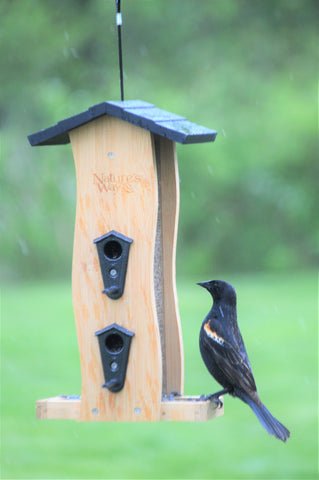
Credit: www.natureswaybirds.com
Physical Barriers To Block Blackbirds
Physical barriers provide an effective way to stop blackbirds from invading your yard. These barriers create obstacles that blackbirds cannot cross. They protect plants, fruits, and outdoor spaces without harming the birds. Using barriers also reduces noise and mess caused by large flocks.
Choosing the right barrier depends on your yard’s layout and the blackbirds’ behavior. Proper installation is key to making these barriers work well. Combining different barriers often gives the best results.
Netting And Wire Mesh
Netting covers plants and trees to block blackbirds from landing. Use fine mesh to keep birds out but allow sunlight and rain through. Secure the netting tightly to avoid gaps where birds can enter.
Wire mesh works well around fruit trees and garden beds. It creates a strong shield that blackbirds cannot penetrate. Choose rust-resistant wire to ensure long-lasting protection. Attach the mesh firmly to stakes or frames for stability.
Spikes And Reflective Objects
Spikes stop blackbirds from perching on ledges, fences, and roofs. They do not harm birds but make landing uncomfortable. Install plastic or metal spikes along common perching spots.
Reflective objects scare blackbirds because they dislike bright, moving light. Hang old CDs, aluminum foil strips, or reflective tape around your yard. Move these objects regularly to keep blackbirds wary.
Sound And Visual Deterrents
Sound and visual deterrents offer effective ways to keep blackbirds away from your yard. These methods use noise and sight to create an uncomfortable space for the birds. Blackbirds dislike sudden sounds and moving objects. Using these deterrents helps protect your plants and outdoor areas without harming the birds.
Noise Makers And Ultrasonic Devices
Noise makers produce loud or unexpected sounds that scare blackbirds. Common devices include:
- Wind chimes that create random ringing sounds
- Motion-activated alarms that emit sharp noises
- Recorded predator calls to mimic danger
Ultrasonic devices emit high-frequency sounds. These sounds are often too high for humans to hear. Blackbirds find them disturbing. Place these devices near feeding areas for best results. Change the location regularly to prevent birds from getting used to the noise.
Decoys And Shiny Items
Visual deterrents trick blackbirds into thinking danger is near. Decoys such as plastic owls or hawks work well. These predators scare blackbirds and keep them away. Moving the decoys often keeps the effect strong.
Shiny items reflect light and confuse birds. Use reflective tape, old CDs, or aluminum foil strips. Hang them where blackbirds usually gather. The moving reflections frighten birds and stop them from landing. Combine different shiny objects for better coverage.

Credit: www.richardjacksonsgarden.co.uk
Yard Maintenance Tips
Keeping blackbirds out of your yard requires good maintenance habits. Simple actions can reduce their attraction to your space. Focus on removing things that draw these birds in. Clean, tidy yards send a clear message to blackbirds.
Regular care and attention help create an environment that is less inviting for them. This section covers key yard maintenance tips that make a big difference.
Removing Food Sources
Blackbirds come for easy food. Removing food sources cuts their visits drastically.
- Pick up fallen fruits and nuts quickly.
- Keep bird feeders clean and use ones that blackbirds avoid.
- Store pet food indoors or remove it after feeding.
- Secure trash bins with tight lids.
- Clear spilled seeds from the ground around feeders.
These steps reduce the food supply blackbirds depend on.
Managing Water Availability
Water attracts birds as much as food does. Limiting water access helps keep blackbirds away.
- Fix leaking outdoor taps and hoses promptly.
- Empty standing water in birdbaths after use.
- Remove puddles or areas where water collects.
- Use motion-activated sprinklers to discourage birds.
Controlling water sources makes your yard less appealing to blackbirds.
Safe Repellents And Natural Methods
Keeping blackbirds away from your yard doesn’t have to involve harsh chemicals or complicated gadgets. Safe repellents and natural methods offer effective ways to protect your outdoor space while respecting the environment and the birds themselves. These solutions blend easily into your routine and often use items you already have at home.
Using Essential Oils And Plants
Essential oils like peppermint, eucalyptus, and citronella have strong scents that blackbirds dislike. You can soak cotton balls in these oils and place them around your yard, especially near fruit trees or garden beds.
Plants such as marigolds, lavender, and garlic also work well. These plants not only add beauty but also create a natural barrier that discourages blackbirds from settling.
Have you ever noticed how birds avoid certain spots in your garden? It’s often because of the smell or texture of the plants there. Experiment with different plant combinations to find what works best for your yard.
Homemade Spray Solutions
Mixing your own sprays can be a cost-effective way to keep blackbirds at bay. A simple recipe involves water, a few drops of dish soap, and hot pepper sauce. Spray this mixture on plants and surfaces where birds gather.
The soap helps the solution stick, while the pepper’s heat irritates birds without harming them. You’ll want to reapply after rain or watering to keep it effective.
Another option is garlic spray made by blending garlic cloves with water and straining the mixture. This creates a scent barrier that blackbirds avoid.
What homemade solutions have you tried in your garden? Sharing your experience might inspire others to find natural ways to protect their yards.
Long-term Yard Strategies
Keeping blackbirds out of your yard requires more than quick fixes. Long-term strategies focus on changing the environment to make it less attractive to these birds. This approach creates a balance where blackbirds naturally avoid your space, giving you lasting peace.
Altering Landscape Design
Think about how your yard looks to blackbirds. They prefer open spaces with easy access to food and shelter. Changing your landscape can make your yard less inviting.
Try planting dense shrubs or thorny bushes near areas where blackbirds gather. These plants create natural barriers that make landing difficult. Also, avoid leaving large open patches of grass without cover, as blackbirds love foraging there.
Adding uneven terrain or decorative rocks can disrupt their usual paths. Have you noticed how birds prefer smooth, flat lawns? Breaking up these areas can discourage them from settling.
Encouraging Natural Predators
Introducing or attracting natural predators is a smart way to keep blackbirds away. Hawks, owls, and even some types of snakes feed on blackbirds or scare them off.
Install a few raptor perches or owl boxes in your yard. These encourage predators to visit or live nearby. You might be surprised how quickly blackbirds move out when they sense danger.
Another tip is to avoid using pesticides that harm these helpful predators. Supporting a healthy predator population keeps blackbirds in check without constant human intervention.
Frequently Asked Questions
How Can I Naturally Repel Blackbirds From My Yard?
Planting strong-scented herbs like mint or lavender deters blackbirds. You can also use reflective objects that scare them away. These natural methods keep your yard blackbird-free without harmful chemicals.
What Are Effective Bird Deterrents For Blackbirds?
Visual deterrents like scare-eye balloons and reflective tape work well. Audio devices emitting predator sounds also help. Combining these with regular yard maintenance increases effectiveness.
Why Do Blackbirds Gather In My Yard?
Blackbirds are attracted by food sources and water. They prefer open spaces with easy access to insects and seeds. Understanding this helps in creating barriers to keep them away.
Can Noise Scare Blackbirds From My Yard?
Yes, sudden noises like clapping or air horns can startle blackbirds. However, birds may get used to repeated sounds. Use noise intermittently with other deterrents for best results.
Conclusion
Keeping blackbirds away requires patience and simple strategies. Use bird-friendly deterrents like nets or scare tactics. Keep the yard clean and free of food scraps. Consider planting bird-repelling plants. Consistency is key. Regularly check and adjust your methods. Your yard can stay peaceful and bird-free.
Enjoy a beautiful, bird-friendly space without unwanted visitors. With effort, blackbirds will find other places to visit. Embrace these steps and protect your garden. Your yard will thank you.