Are you tired of finding your garden full of hungry birds nibbling on your plants and fruits? It’s frustrating to see your hard work spoiled by feathered visitors.
But don’t worry—you can protect your garden without harming the birds. You’ll discover simple and effective ways to keep birds away from your garden. By using these smart techniques, you’ll enjoy a thriving garden and peace of mind. Ready to save your plants and reclaim your garden?
Let’s get started!
Common Birds In Gardens
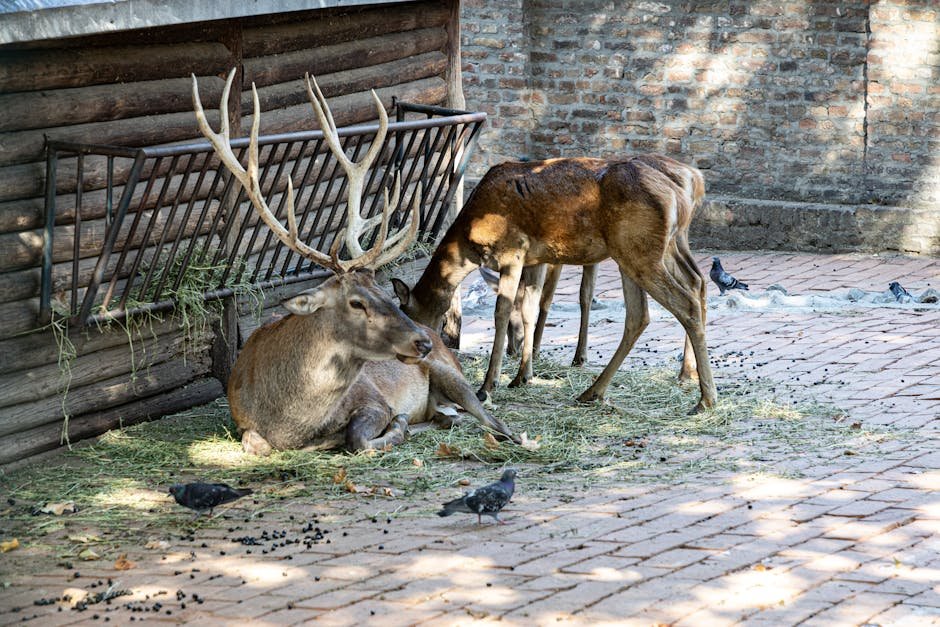
Gardens often attract many bird species. Some birds bring beauty and joy. Others can cause problems by damaging plants and fruits. Knowing which birds visit gardens helps in managing them better.
Bird Species That Cause Damage
Several birds can harm garden plants and crops. These birds feed on fruits, seeds, and young plants. Common species include:
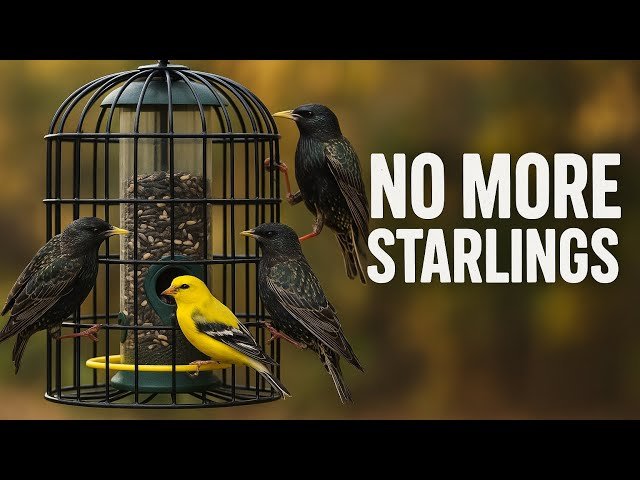
- European Starling – eats fruits and young seedlings
- House Sparrow – damages buds and fruits
- American Robin – feeds on berries and worms
- Blackbird – pecks at soft fruits
- Pigeons – eat seeds and damage plants
These birds can reduce harvest and ruin garden beauty.
Why Birds Visit Gardens
Birds come to gardens for food, shelter, and water. Gardens offer easy access to berries, seeds, and insects. Trees and shrubs provide safe nesting spots. Water sources attract birds for drinking and bathing.
Gardens also attract insects that birds feed on. Bright flowers and fruit plants are irresistible to many birds. Understanding their needs helps in finding ways to protect garden plants.

Credit: www.amazon.com
Physical Barriers To Protect Plants
Physical barriers are one of the most straightforward ways to keep birds out of your garden. They work by blocking access to your plants, making it difficult or uncomfortable for birds to reach them. Using these barriers can protect your fruits, vegetables, and flowers without harming the birds.
Using Netting And Mesh
Netting and mesh create an effective shield over your plants. You can drape bird netting directly over bushes or frame it around raised beds. The key is to choose a fine mesh that birds can't slip through but still lets sunlight and water reach your plants.
Make sure the netting is tightly secured so birds can’t sneak underneath. I once left a small gap while covering my berry bushes, and birds found their way in easily. Lesson learned: double-check every corner!
Installing Bird Spikes
Bird spikes are strips with blunt spikes that prevent birds from landing on surfaces like ledges, fences, or garden furniture. They don’t harm the birds but make landing uncomfortable and discourage them from staying around.
These spikes work well on narrow ledges near your garden or on top of fences. If you’ve noticed pigeons or crows perching in certain spots, adding spikes there can reduce their visits significantly.
Garden Fencing Options
Choosing the right fencing can keep birds away while adding structure to your garden. Solid or semi-solid fences block sightlines, which can reduce bird activity by hiding the plants from their view.
Wire mesh fences with smaller gaps also help keep larger birds out. You might want to combine fencing with netting for extra protection, especially if you’re growing delicate or high-value crops.
Have you noticed which spots birds prefer to enter your garden? Targeting those areas with a fence or barrier can save you a lot of frustration.
Visual Deterrents For Birds
Visual deterrents offer a simple yet effective way to keep birds away from your garden without causing them harm. These methods rely on scaring or confusing birds using sights that trigger their natural instincts. You can easily set up visual deterrents with everyday items, making your garden less appealing to unwanted feathered visitors.
Reflective Objects And Scare Tapes
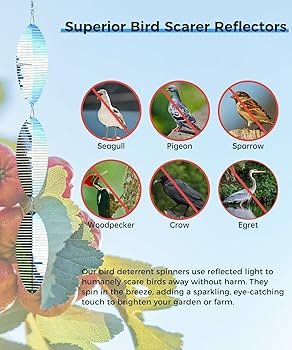
Reflective surfaces catch sunlight and create flashes that birds find unsettling. Hanging CDs, aluminum foil strips, or specially made scare tapes can produce these reflections. The constant movement and shimmering light often discourage birds from landing near your plants.
Scare tapes come with reflective and holographic patterns that twist in the wind, adding dynamic visual disruption. You can hang them around fruit trees or vegetable patches. Have you noticed how even a small mirror can keep birds at bay when placed near bird-prone spots?
Decoy Predators
Birds instinctively avoid places where predators lurk. Using decoys like plastic owls, hawks, or snakes can trigger this fear. Position these figures in visible spots and move them occasionally to maintain their effectiveness.
One trick is to change the decoy’s location every few days—birds quickly learn if a threat isn’t real. A friend of mine kept a plastic owl on his porch, and it worked well until the owl stayed still for too long. Once he moved it regularly, the birds stayed away for good.
Moving Decorations
Motion catches a bird’s attention and can scare it off if it seems threatening. Wind spinners, pinwheels, and hanging mobiles create unpredictable movements that birds dislike. These decorations are easy to install and add a bit of charm to your garden too.
Think about how sudden movements startle you—birds react similarly. Try placing moving decorations near vulnerable plants and watch if the bird visits decrease. Which types of movement do you think would work best in your garden's wind conditions?

Credit: ourstoneyacres.com
Sound-based Bird Repellents
Sound-based bird repellents offer a unique way to protect your garden without harming the birds. These devices use various noises to create an environment that birds find uncomfortable or threatening. If you’ve tried visual deterrents and still see flocks invading your plants, sound repellents might be the next step to try.
Ultrasonic Devices
Ultrasonic devices emit high-frequency sounds that are mostly inaudible to humans but annoying to birds. These sounds can disrupt their communication and make your garden an unwelcoming place.
One important tip: effectiveness varies depending on the bird species and device quality. Some birds quickly get used to the noise, so it’s wise to move the device around or combine it with other deterrents. Have you noticed if your local birds respond differently to certain sounds?
Recorded Predator Calls
Playing recorded calls of bird predators like hawks or owls tricks birds into thinking danger is near. This method taps into their natural instincts to avoid areas where predators are active.
You can find apps or devices that cycle through these calls to keep the effect fresh. I once tried this in my garden, and within days, the noisy pigeons disappeared. Would your garden birds react the same way?
Noise Makers And Alarms
Noise makers like clappers, alarms, or even wind chimes create sudden sounds that startle birds. These sounds disrupt their feeding and nesting habits, pushing them away from your garden.
For best results, use noise makers intermittently to prevent birds from getting used to the sound. Consider combining them with motion sensors for automatic activation. What’s the loudest noise that your garden can handle without disturbing your own peace?
Natural And Chemical Repellents
Natural and chemical repellents offer effective ways to keep birds away from your garden. These methods protect plants without causing harm to birds or the environment. Natural repellents use plants and homemade solutions that discourage birds gently. Chemical repellents provide stronger protection for severe bird problems.
Bird-repellent Plants
Certain plants naturally repel birds with their smell or texture. Planting these around your garden creates a natural barrier. Some popular bird-repellent plants include:
- Marigolds – Their scent keeps birds at bay.
- Lavender – Birds dislike the strong fragrance.
- Rue – Its bitter smell deters many species.
- Geraniums – The texture and scent are unappealing to birds.
These plants add beauty to your garden while protecting it from birds.
Homemade Spray Solutions
Spray repellents made from household ingredients can scare birds away. These sprays irritate birds’ senses without harming them. Common homemade sprays include:
- Garlic and chili spray – Mix crushed garlic and chili with water.
- Vinegar spray – Diluted vinegar works as a bird deterrent.
- Soap and water mixture – Soap creates a slippery surface birds avoid.
Apply sprays on plants and garden borders every few days for best results.
Commercial Repellent Products
Many stores sell bird repellents designed for garden use. These products often contain safe chemicals that birds dislike. Common types include:
- Bird gels – Sticky substances that birds avoid landing on.
- Ultrasonic repellents – Devices that emit sounds only birds hear.
- Bird spikes – Physical barriers that prevent birds from perching.
Follow product instructions carefully for safe and effective use.
Garden Maintenance Strategies
Keeping birds away from your garden requires regular care and smart maintenance. Birds visit gardens searching for easy food and shelter. Removing these attractants helps protect your plants and fruits. Focus on cleaning and managing your garden to reduce bird visits effectively.
Removing Food Sources
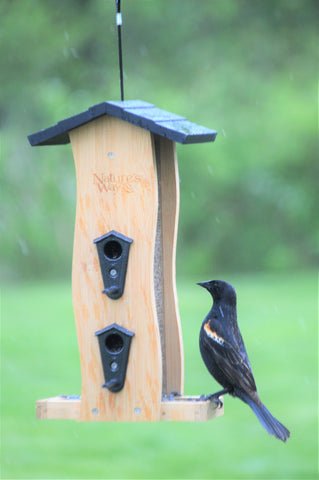
Birds are drawn to uncovered seeds, pet food, and bird feeders. Store birdseed in sealed containers. Avoid leaving pet food outdoors. Pick vegetables and fruits as soon as they ripen. Clear any spilled seeds or nuts from garden paths. These small actions cut off easy meals for birds.
Cleaning Up Fallen Fruit
Fallen fruit on the ground invites birds to linger. Regularly collect and dispose of rotting or overripe fruit. Use a rake or garden gloves to gather fallen items. Keep the area under fruit trees clean. This reduces the chances of birds feeding and nesting nearby.
Proper Compost Management
Compost piles can attract birds looking for food scraps. Cover compost bins securely with lids or mesh. Avoid adding meat or oily food waste that draws more birds. Turn compost regularly to speed up decomposition. Well-managed compost keeps birds from visiting your garden.
Encouraging Beneficial Wildlife
Encouraging beneficial wildlife helps keep your garden healthy and safe. These animals naturally control pests and reduce bird damage. Attracting the right creatures creates balance without harsh chemicals. It also supports local ecosystems and adds life to your garden space.
Attracting Predatory Birds
Predatory birds eat smaller birds and pests that harm plants. Attract them by providing safe perches and nesting spots. Tall trees and birdhouses work well. Avoid using pesticides that can harm these helpful birds. Plant native shrubs to offer shelter and food sources. Watching hawks or owls nearby can reduce unwanted bird visits.
Supporting Insect-eating Animals
Animals like frogs, lizards, and bats eat insects that attract birds. Create habitats such as rock piles and water features for them. Leave some leaf litter or logs for insects and small creatures. Nighttime lighting should be minimal to protect bats. These animals help control bugs, reducing the chance birds come for food. A garden alive with diverse wildlife stays balanced and less vulnerable.

Credit: www.reddit.com
Timing And Consistency Tips
Timing and consistency play a crucial role in keeping birds away from your garden effectively. Applying deterrents at the right moment and maintaining their presence consistently can prevent birds from getting comfortable and returning. Have you noticed how birds quickly adapt when deterrents are irregular or delayed? Let’s look at how to time your actions and keep them working over time.
When To Implement Deterrents
Start using bird deterrents early in the season, before your plants begin to produce fruits or seeds. Birds are less likely to settle if they encounter obstacles right from the start.
Pay attention to peak bird activity times, often early morning and late afternoon, and make sure deterrents are active during these periods. This prevents birds from establishing feeding routines.
Consider seasonal bird migration patterns in your area. Deterrents may need to be introduced or intensified when migratory birds arrive, as they can increase garden visits.
Maintaining Effectiveness Over Time
Birds quickly get used to static deterrents, so change their position and type regularly. Moving reflective tape or switching decoy locations every few days keeps birds guessing.
Replace worn-out or faded deterrents promptly. A shiny scarecrow or a bright tape that has lost its color won’t fool birds for long.
Use a combination of different deterrents to cover multiple senses—visual, auditory, and tactile. This layered approach keeps birds cautious and less likely to return.
Frequently Asked Questions
How Can I Naturally Repel Birds From My Garden?
Use plants like lavender and marigold that birds dislike. Install reflective surfaces or wind chimes to scare them away. Avoid leaving food scraps that attract birds.
What Are The Best Bird Deterrents For Vegetable Gardens?
Netting and bird spikes effectively protect fruits and vegetables. Motion-activated sprinklers also scare birds without harming them. Regularly change deterrent positions for better results.
Are There Safe Ways To Keep Birds Off Fruit Trees?
Yes, use bird netting or scare tape around fruit trees. Hanging shiny objects or fake predators can also discourage birds. These methods protect fruit without causing harm.
Can Bird Feeders Reduce Bird Damage In Gardens?
Yes, placing feeders away from the garden diverts birds. Feeding birds regularly reduces their search for natural food. This helps protect plants while supporting local bird populations.
Conclusion
Keeping birds away from your garden can be challenging. Yet, simple strategies help. Use barriers like nets or fences. Try reflective objects to scare them. Plant bird-repellent plants near your crops. These methods protect your plants effectively. Be patient and observe results.
Adjust your techniques as needed. Your garden will thrive with these tips. Enjoy a bird-free garden space. Happy gardening!