You love watching birds splash and play in your bird bath, but nothing spoils the view faster than that green, slimy film taking over the water. It’s frustrating to keep cleaning, and you wonder if there’s a simple way to stop it from happening again.
What if you could enjoy a sparkling clean bird bath all season long without the hassle? You’ll discover easy, effective tips to keep your bird bath fresh and inviting—so your feathered friends keep coming back, and you get to enjoy the beauty without the mess.
Let’s dive in and make your bird bath shine like new!

Credit: www.themirror.com
Causes Of Green Water
Green water in your bird bath is more than just an eyesore; it signals underlying issues that affect the health of visiting birds. Understanding what causes this green tint helps you tackle the problem effectively. Let’s break down the main reasons behind green water so you can keep your bird bath clean and inviting.
Algae Growth Factors
Algae thrive in warm, sunny conditions. When your bird bath sits in direct sunlight for hours, algae multiply quickly. Stagnant water without circulation creates a perfect breeding ground for these tiny plants.
Left unchecked, algae cover the water surface and turn it green. You might notice slimy layers or a musty smell as algae grow. Regularly scrubbing your bird bath can slow down this growth, but knowing what feeds algae is equally important.
Environmental Influences
Surrounding plants and debris play a big role in water quality. Leaves, pollen, and bird droppings introduce nutrients that algae love. If your bird bath is near flowering trees or bushes, it’s likely to collect organic matter regularly.
Wind also carries dust and dirt, adding to the nutrient load. Have you checked how often your bird bath gets fresh water? Stagnant water encourages algae more than flowing or frequently changed water.
Water Quality Issues
Hard water with high mineral content can speed up algae growth. Tap water often contains chlorine or other chemicals that might affect the water balance, but once chlorine evaporates, algae find a chance to grow.
Additionally, water with excess nitrates and phosphates acts like fertilizer for algae. Rainwater or water collected from certain sources might bring in these nutrients unknowingly. Testing your water periodically helps you understand what’s feeding the green invaders.
Choosing The Right Bird Bath
Choosing the right bird bath plays a crucial role in preventing it from turning green. The material, size, and design you pick can either make maintenance easy or turn it into a constant chore. Understanding these factors helps you enjoy a clean, inviting spot for birds without hassle.
Material Options
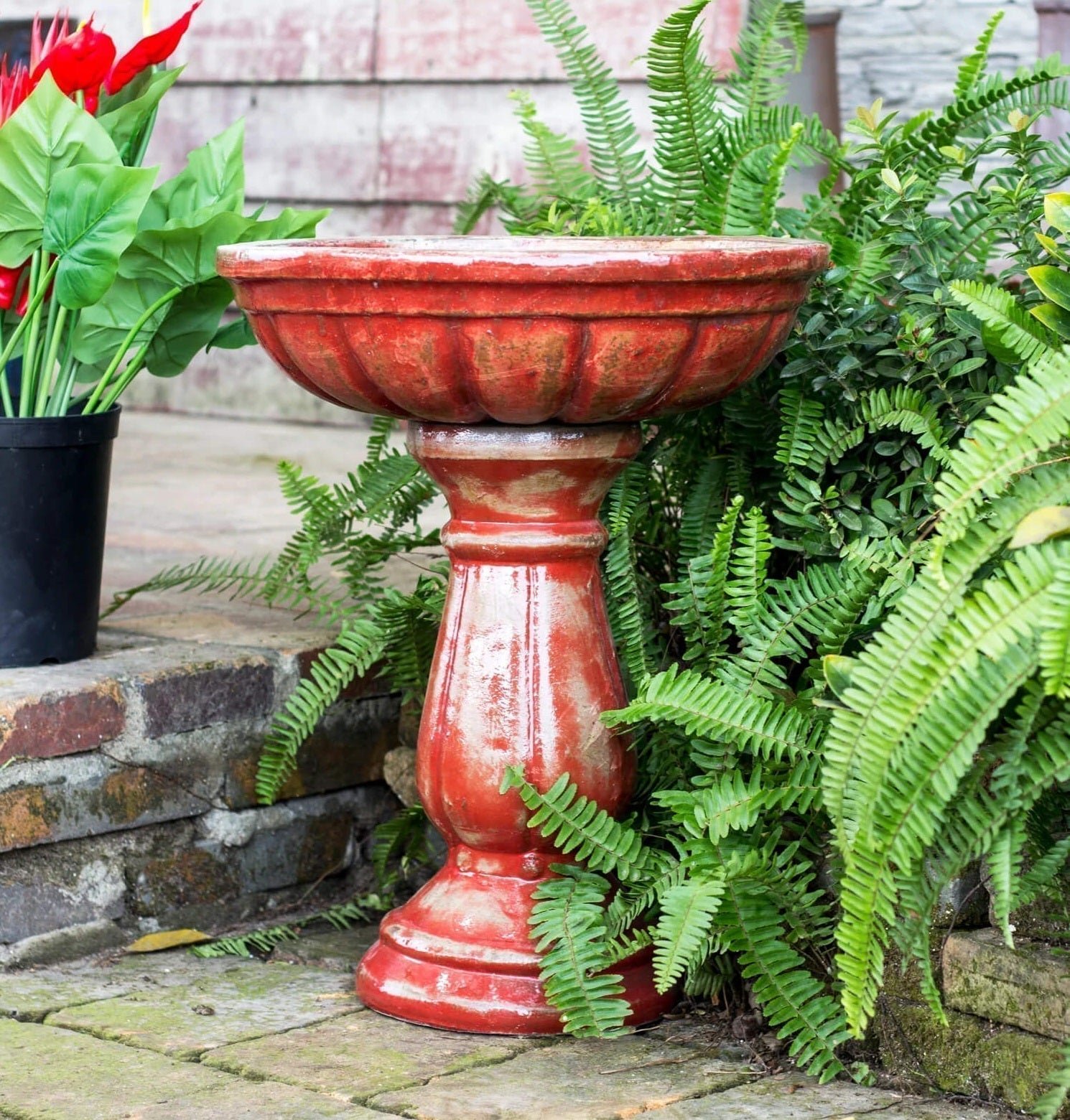
Some materials resist algae growth better than others. Concrete and stone absorb water and create rough surfaces where algae thrive quickly. On the other hand, glazed ceramic and metal baths have smooth surfaces that make cleaning easier and slow down algae buildup.
Plastic bird baths are lightweight and affordable but may fade or crack over time, making them harder to keep clean. Glass bird baths are beautiful but fragile. Think about how much time you want to spend maintaining your bath before choosing the material.
Size And Placement
The size of your bird bath affects water temperature and cleanliness. Larger baths hold more water, which stays cooler and slows algae growth. However, they also require more water changes, so balance your effort and the bath’s capacity.
Placement matters as well. Position your bird bath in a shaded area to reduce sunlight, which fuels algae growth. But make sure it’s still visible to you for regular checks. Have you noticed how a sunny spot can turn a bath green in just a few days?
Design Features That Help
Look for bird baths with built-in drainage holes or gentle slopes that prevent water from standing still too long. Some designs include fountains or drippers that keep water moving—this motion discourages algae from settling.
Raised edges and textured surfaces can trap dirt and algae, so opt for smooth, easy-to-clean shapes. Reflect on how a simple design can save you time scrubbing later and keep your feathered visitors happy.
Regular Cleaning Techniques
Keeping your bird bath clean is key to stopping green algae from growing. Regular cleaning removes dirt, algae, and debris. It helps keep water fresh and safe for birds. A clean bird bath also looks nice in your garden. Use simple cleaning habits to maintain it well.
Frequency Of Cleaning
Clean the bird bath at least twice a week in warm weather. Algae grows faster in sunlight and heat. In cooler months, clean once a week or every ten days. Empty the water before cleaning. This routine keeps the water clear and healthy for birds.
Effective Cleaning Methods
Scrub the bird bath with a soft brush or sponge. Avoid harsh scrubbing that can damage the surface. Remove leaves, dirt, and algae buildup carefully. Rinse well with clean water after scrubbing. Use a cloth to dry the bird bath to avoid water spots.
Safe Cleaning Agents
- Use plain white vinegar for cleaning. It kills algae without harming birds.
- A mild soap solution is also safe. Rinse thoroughly to remove all soap.
- Never use bleach or harsh chemicals. They can poison birds and plants.
- Natural enzyme cleaners are bird-friendly and effective.
Choose cleaning agents that are gentle and safe. Protect birds while keeping the bath fresh.

Credit: www.mirror.co.uk
Water Treatments To Prevent Algae
Algae growth in bird baths is a common problem that can turn the water green quickly. Water treatments help keep the water clean and clear. These treatments limit algae growth and create a healthier space for birds. Various options exist to suit different preferences and budgets.
Natural Remedies
Natural remedies use safe ingredients to control algae. Adding a small amount of white vinegar can lower the water's pH. This creates an environment where algae struggle to grow. Another option is to place a few drops of lemon juice in the water. It acts as a natural acid to prevent algae buildup.
Using barley straw is also effective. When placed in water, it releases substances that stop algae from spreading. Changing the water often and scrubbing the bath regularly supports these natural methods.
Commercial Products
Commercial products are designed specifically to prevent algae in bird baths. These usually come in liquid or tablet form. They contain safe chemicals that kill algae without harming birds.
Before using, read the label carefully to ensure it is bird-safe. Apply the product as directed for the best results. These treatments often last longer than natural remedies, reducing maintenance frequency.
Uv And Filtration Systems
UV and filtration systems offer a high-tech solution to algae problems. A UV light kills algae cells by damaging their DNA. This stops algae from multiplying in the water.
Filtration systems remove debris and algae particles from the water. Combining filtration with UV light gives the best protection. These systems require an initial investment but reduce the need for frequent cleaning.
Maintaining Water Circulation
Keeping water moving in your bird bath is key to preventing that stubborn green slime. Stagnant water invites algae and mosquito larvae, making the bath less inviting for your feathered visitors. By maintaining water circulation, you create a fresher, cleaner space that birds love and algae avoid.
Adding Pumps Or Fountains
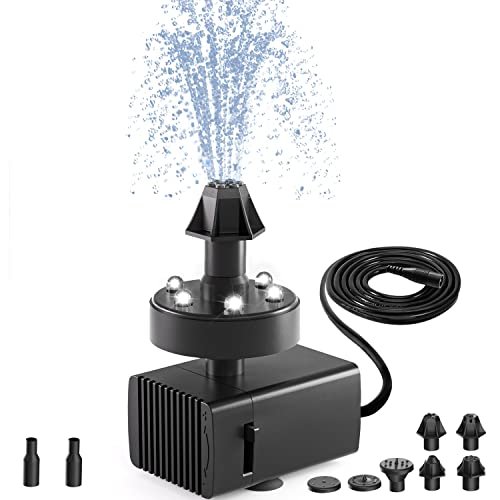
Installing a small pump or fountain can keep water flowing continuously. Even a gentle stream disrupts algae growth by preventing water from sitting still. Solar-powered pumps are a smart choice—they don’t increase your electricity bill and work well in sunny spots.
If you’ve ever seen birds splash joyfully in moving water, you know it attracts more visitors. The sound and motion also mask nearby noises, making the bath a peaceful retreat. Have you considered how adding a fountain might change your bird bath’s appeal?
Manual Stirring Tips
If pumps aren’t an option, stirring the water daily helps too. Use a stick or small paddle to gently mix the water and break up algae formation. This simple action can make a big difference, especially on hot, sunny days when algae thrive.
Try to stir the water in the morning before the heat sets in. It’s a quick task that prevents long-term buildup. Have you noticed how a little effort each day keeps the bird bath inviting and clean?
Benefits For Birds And Cleanliness
Moving water is safer and more appealing for birds. It reduces the risk of mosquito breeding and keeps the water oxygenated. You’ll likely see more bird species stopping by to drink and bathe.
Clean water also means fewer unpleasant odors and easier maintenance for you. When birds feel comfortable, they return regularly, turning your garden into a lively bird haven. Isn’t that a rewarding sight worth a few minutes of care?
Seasonal Care Tips
Seasonal care plays a crucial role in keeping your bird bath clean and free from that stubborn green algae. Each season brings its own challenges and opportunities for maintenance. Paying attention to these changes will help you enjoy a sparkling bird bath year-round.
Summer Maintenance
Summer warmth speeds up algae growth, making regular cleaning essential. Change the water every two to three days to prevent algae buildup and mosquito breeding.
Scrub the basin gently with a soft brush to remove any slimy residue. Consider placing your bird bath in partial shade to slow down algae growth without cutting off sunlight entirely.
Have you noticed how birds prefer fresh water during hot days? Keeping the water clean not only benefits them but also keeps your bird bath looking inviting.
Winter Preparations
Cold temperatures can crack or damage your bird bath if water freezes inside. Drain the water completely before the first frost hits.
If you live where temperatures drop below freezing, store your bird bath indoors or cover it with an insulated cloth to protect it.
Don’t forget to clean the basin thoroughly before putting it away. This helps prevent mold and algae from taking hold during the dormant months.
Adjusting Care Based On Weather
Weather can be unpredictable, so adjust your care routine accordingly. After heavy rains, check for debris and stagnant water that might promote algae growth.
During dry spells, refill your bird bath more frequently to keep water fresh and appealing to birds.
Have you thought about how sudden temperature swings affect your bird bath’s condition? Staying flexible with your maintenance schedule keeps the water clean and safe no matter the weather.
Encouraging Healthy Bird Visits
Encouraging healthy bird visits is key to maintaining a clean and vibrant bird bath. When birds come regularly and stay healthy, they help keep the water fresh by moving around and preventing algae buildup. Your role in creating a welcoming environment affects not only the birds’ health but also the overall cleanliness of your bird bath.
Attracting Beneficial Wildlife
Choose native plants around your bird bath to attract local birds and beneficial insects. These plants provide natural food sources and shelter, making your bird bath a safe stop for wildlife. Adding a shallow area or a gentle slope helps smaller birds access the water easily, encouraging more visits without overcrowding.
Have you noticed how certain flowers draw in more birds? Pay attention to which plants work best in your area and add those to your garden. This natural approach reduces the chance of unwanted pests that can contaminate the water.
Avoiding Contaminants
Keep your bird bath away from areas where pesticides or fertilizers are sprayed. Chemicals can quickly pollute the water and harm visiting birds. Rinse the bird bath regularly, and use clean, fresh water to prevent algae and bacteria growth.
Consider placing your bird bath in partial shade. Direct sunlight speeds up algae growth, turning your water green. Shade slows this process and helps maintain clearer water, making it healthier for birds.
Safe Feeding Practices
Feeding birds near the bath can attract more visitors, but avoid feeding them processed or salty foods. Stick to seeds, nuts, and fruits that birds naturally eat. Clean up leftover food to prevent mold and bacteria buildup that can contaminate the water.
Have you ever seen birds crowding a feeder and dirtying the area? Keep feeders clean and place them a few feet away from the bird bath. This separation keeps water cleaner and reduces the risk of disease spreading among birds.

Credit: www.yahoo.com
Frequently Asked Questions
Why Does My Bird Bath Turn Green Quickly?
Algae growth causes the green color in bird baths. Warm sunlight, stagnant water, and nutrients promote algae. Regular cleaning and water changes help prevent this issue effectively.
How Often Should I Clean My Bird Bath?
Clean your bird bath at least once a week. Frequent cleaning removes algae, dirt, and bacteria. It keeps the water safe and clear for birds to enjoy.
What Natural Methods Prevent Green Algae In Bird Baths?
Using natural methods like adding barley straw or placing shade helps. Barley straw releases algae-inhibiting compounds. Shade reduces sunlight, limiting algae growth naturally without chemicals.
Can Vinegar Clean Green Algae In Bird Baths?
Yes, vinegar is an effective natural cleaner. Use a diluted vinegar solution to scrub the bird bath. It removes algae without harming birds or the environment.
Conclusion
Keeping your bird bath clean is crucial for happy birds. Regular cleaning prevents algae growth. Use non-toxic solutions to ensure safety. Fresh water should be added daily. Position the bath in a shaded area. This reduces sunlight exposure, slowing algae growth.
Birds prefer clean, fresh water. They’ll visit more often if the bath stays inviting. A little effort goes a long way. By maintaining your bird bath, you create a welcoming space. Not just for birds, but also for nature lovers.
Enjoy the beauty and joy birds bring. It’s truly rewarding.