Keeping your bird bath from freezing during cold months can feel like a tough challenge, especially when you don’t want to use electricity. You want to make sure the birds in your garden have fresh water, even when temperatures drop below freezing.
But how do you do that without costly heaters or complicated setups? You’ll discover simple, effective ways to stop your bird bath from freezing—methods that are easy to try and won’t add to your energy bill. Keep reading to learn how you can help your feathered friends stay hydrated all winter long.

Credit: www.yahoo.com
Choose The Right Bird Bath
Choosing the right bird bath can make a big difference in keeping water from freezing during cold months without relying on electricity. The material and design of your bird bath affect how long the water stays liquid and how easy it is for birds to use. Let’s break down what to look for so you can give your feathered friends a reliable water source all winter.
Material Matters
Not all bird bath materials hold up well in freezing weather. Stone and concrete look nice but tend to absorb cold and freeze quickly. Plastic and metal, on the other hand, react differently.
Plastic bird baths are lightweight and don’t get as cold as stone, so water may stay liquid a bit longer. Metal can conduct cold fast, but if you choose a dark-colored metal, it can absorb sunlight and help warm the water during the day.
Think about how your chosen material feels in freezing temperatures. Have you noticed water freezing faster on stone than on a plastic basin? That’s a clue to pick a material that naturally slows down freezing.
Size And Depth Tips
The size and depth of your bird bath also play a big role in preventing ice. A shallow bath with about 1 to 2 inches of water gives birds easy access and warms up quicker under the sun.
A deep bath holds more water, but it takes longer to warm and can freeze solid faster. You want to find a balance—enough water to keep birds hydrated but shallow enough to thaw naturally.
Consider placing multiple shallow baths around your yard. This way, if one freezes, birds have other options. Have you ever seen birds hesitate to use a deep, icy bird bath? That hesitation shows how important shallow water is during winter.
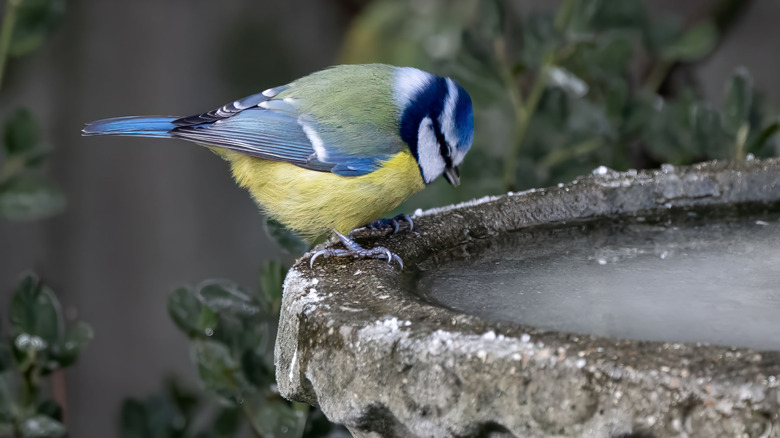
Credit: www.outdoorguide.com
Location Strategies
Choosing the right spot for your bird bath can make a big difference in keeping it from freezing during cold months. Location strategies focus on natural elements that help maintain water temperature without using electricity. By paying close attention to where you place your bird bath, you can extend the time before it freezes and provide a reliable water source for birds.
Sunlight Exposure
Placing your bird bath in an area that receives ample sunlight is one of the simplest ways to keep the water from freezing. Direct sunlight warms the water throughout the day, slowing down ice formation significantly.
Think about how the sun moves across your yard. Morning sun can be more effective because it heats the water after the coldest part of the night. Avoid shaded or north-facing spots that barely get sun, as these will freeze faster.
Have you noticed how some plants thrive better in sunny spots? Your bird bath will behave the same way. Even a few extra hours of sunlight can make a noticeable difference.
Sheltered Spots
Wind and cold drafts speed up freezing, so placing your bird bath in a sheltered location is crucial. Areas protected by fences, shrubs, or walls block chilly winds that rob heat from the water.
Try positioning the bath near a south-facing wall or inside a cluster of dense bushes. These natural barriers create a microclimate, keeping temperatures slightly warmer than open spaces.
Remember, a sheltered spot doesn’t mean complete enclosure, as birds still need easy access. Have you checked how your yard’s layout affects wind flow? Sometimes a small adjustment in location can greatly reduce exposure to harsh elements.
Use Natural Heat Sources
Using natural heat sources keeps your bird bath from freezing without electricity. These methods use sunlight and warm water to maintain liquid water. Birds rely on open water during cold months. Natural heat helps provide that vital resource safely and simply.
Warm Water Refill
Refilling the bird bath with warm water slows ice formation. Use water heated to a safe temperature, not too hot. Change the water often to maintain warmth. This method does not require extra tools or energy. Birds enjoy fresh, liquid water even on chilly days.
Solar Heating Techniques
Solar energy offers a clean, natural way to warm the bird bath. Place the bath in a sunny spot. Use dark-colored containers to absorb more heat. Position stones around the bath to store and release warmth. Covering the bath with a clear lid during cold nights helps retain heat. These steps use the sun’s power to keep water thawed.
Insulation Tricks
Keeping your bird bath from freezing without electricity is easier than you might think. One of the best ways is to use insulation tricks that help retain heat naturally. These methods not only save energy but also protect your feathered friends during chilly nights.
Covering The Bath
Covering your bird bath can significantly reduce heat loss. A simple mesh cover or even a loosely fitted lid traps warmth while allowing birds to access the water easily.
Try using materials like burlap or old towels as covers, secured with clips or weights. These materials create a barrier against cold air and wind, slowing down freezing.
Have you noticed how a covered bird bath stays unfrozen longer after a cold night? This small step can make a big difference in your garden's winter routine.
Diy Insulation Wraps
Wrapping your bird bath with insulating materials is a smart, hands-on way to keep the water liquid. Bubble wrap is surprisingly effective and budget-friendly for this purpose.
Simply wrap the outside of the bath in bubble wrap and secure it with tape or string. You can also use foam pipe insulation or old blankets for added warmth.
- Focus on wrapping the base and sides, where heat escapes fastest.
- Make sure the insulation doesn’t block bird access to the water.
- Check the wrap regularly to avoid moisture buildup that could freeze.
By customizing your insulation wrap, you control how much warmth your bath retains. What materials do you already have at home that could serve as insulation? Trying out different options can turn this into a creative winter project.
Water Movement Hacks
Keeping your bird bath from freezing without electricity can be tricky, but moving water helps prevent ice from forming. Water movement hacks are simple tricks that use natural forces to keep water circulating. This circulation breaks up ice as it starts to form, giving birds access to fresh water even in cold weather.
Wind-activated Spinners
Wind-activated spinners are a clever way to keep water moving without any power. Attach a lightweight spinner or pinwheel to your bird bath or nearby structure. As the wind blows, it spins, gently stirring the water’s surface.
I once placed a small wind spinner near my bird bath, and noticed the water stayed liquid much longer during freezing nights. It’s a low-cost, hands-off solution that uses nature’s energy to your advantage.
Think about the typical wind patterns in your area. Position the spinner where it catches steady breezes for the best effect.
Floating Items For Circulation
Floating objects like corks, small balls, or lightweight wood pieces can help keep water moving. When wind or birds nudge these items, they create ripples that slow ice formation.
Try adding a few floating pieces to your bird bath and watch how even slight movement changes the surface. This method is easy to set up and safe for your feathered visitors.
Have you noticed how birds themselves cause movement? You can amplify this natural circulation by providing floating items that react to their activity.

Credit: www.aol.com
Add Salt Or Antifreeze Alternatives
Keeping your bird bath from freezing without using electricity can be a challenge, but adding salt or antifreeze alternatives offers simple solutions. These options lower the freezing point of water, helping it stay liquid even in cold weather. However, it's important to use them wisely to protect the birds and environment.
Safe Salt Usage
Using salt in your bird bath can prevent ice formation, but not all salts are safe for birds. Table salt or rock salt can harm birds if ingested or damage plants nearby.
Instead, try using small amounts of non-iodized saltlike Epsom salt or kosher salt. These are less harmful and still effective at lowering the freezing point.
Remember to add salt sparingly—too much can make the water unsafe or unpleasant for birds. Change the water regularly to avoid salt buildup, and keep an eye on bird behavior to ensure they’re not avoiding the bath.
Natural Antifreeze Options
Natural alternatives to chemical antifreeze can keep your bird bath ice-free without risking bird health. Substances like apple cider vinegaror alcohol-based solutionsdiluted in water can lower freezing points safely.
For example, a few drops of apple cider vinegar added to the water can reduce freezing without harming birds. Similarly, a small amount of ethanol or vodka mixed in water works as a natural antifreeze.
Have you ever tried natural antifreeze in your bird bath? It’s surprising how a simple kitchen ingredient can help protect your feathered friends during winter.
Regular Maintenance Tips
Keeping a bird bath from freezing requires regular care, especially in cold weather. Simple maintenance helps keep water fresh and safe. Birds rely on clean water for drinking and bathing. Taking time for upkeep ensures the bird bath stays useful all winter. Regular attention also prevents ice buildup without using electricity.
Frequent Water Changes
Change the water often to stop freezing and dirt buildup. Fresh water keeps birds healthy and active. Replace water daily or every other day during freezing weather. Small amounts of fresh water freeze slower. Moving water gently with a stick can help delay ice formation.
Cleaning For Health
Clean the bird bath regularly to remove algae and debris. Use a scrub brush and warm water without harsh chemicals. Dirty water can harm birds and cause ice to form faster. Rinse thoroughly and refill with fresh water after cleaning. A clean bird bath attracts more birds and supports their well-being.
Frequently Asked Questions
How Can I Prevent Bird Bath Water From Freezing Naturally?
Use insulating materials like straw or leaves around the bath. Place it in a sunny spot and use dark-colored basins to absorb heat and slow freezing.
What Homemade Solutions Keep Bird Baths Ice-free?
Add a small floating ball or use a plastic container filled with warm water to keep the surface moving. This prevents ice from forming.
Does Salt Help Keep Bird Baths From Freezing?
Salt lowers water’s freezing point but can harm birds and plants. It’s best to avoid salt in bird baths for safety.
Can Solar Power Keep Bird Baths From Freezing?
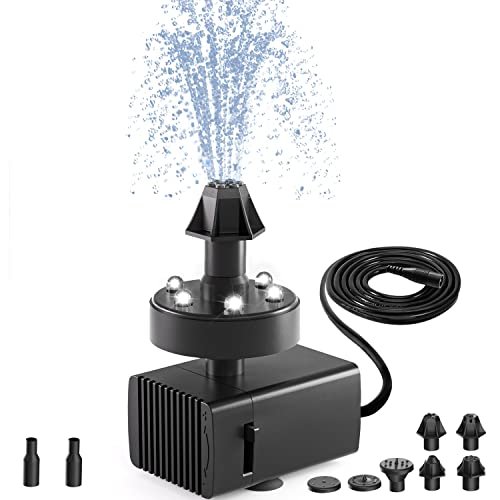
Solar-powered bird bath heaters or fountains use sunlight to keep water moving and prevent freezing without electricity.
Conclusion
Keeping bird baths ice-free can be simple and effective. Use natural solutions like insulating covers or heated stones. These options help birds access water in winter. Regularly check your bird bath to ensure it's working. Consistent maintenance keeps your garden lively and birds happy.
With a little effort, you can enjoy birdwatching all year. Plus, your local birds will thank you for their winter oasis. So, try these methods today and see the difference they make. Happy birdwatching!