Are ants invading your cat’s food bowl and causing you endless frustration? You’re not alone.
Keeping ants away from your furry friend’s meals can feel like a constant battle. But what if you could stop these tiny intruders for good? You’ll discover simple, effective ways to protect your cat’s food from ants—so your pet can eat in peace, and you can finally relax.
Keep reading to learn how to create an ant-free zone that works every time.
Why Ants Are Attracted To Cat Food
Ants find cat food very tempting. The mix of sweet and protein-rich ingredients draws them in. Understanding why ants come to your cat’s food can help keep them away. Different ant species have unique tastes and habits. The environment around your home also plays a big role in attracting ants.
Sweet And Protein Appeal
Cat food often contains sugars and proteins. These are two things ants love. Sweet flavors attract sugar ants. Protein attracts other types, like fire ants. Both types find cat food a good energy source. This is why ants often swarm around your pet’s bowl.
Common Ant Species Around Homes
- Sugar ants:Small ants that seek out sugary foods.
- Carpenter ants:Larger ants that may be interested in protein.
- Fire ants:Aggressive ants attracted to protein and fat.
- Pharaoh ants:Tiny ants that invade homes for various foods.
These species are common near homes and often target pet food.
Environmental Factors
Warm, humid conditions encourage ant activity. Moisture near food bowls attracts ants. Crumbs and spills act as signals. Nearby plants and wood also harbor ants. Poor food storage invites more ants inside. Cleanliness and dry areas reduce ant visits.
Choosing The Right Feeding Area
Choosing the right feeding area plays a big role in keeping ants away from your cat’s food. The location and setup can either invite ants or keep them at bay. It’s not just about convenience for you and your cat but also about creating a space that discourages unwanted pests.
Indoor Vs Outdoor Feeding
Feeding your cat indoors usually gives you better control over pests. Ants find it harder to reach food inside the house, especially if you keep the area clean. However, if you must feed your cat outside, consider the environment carefully.
Outdoor feeding areas often attract more insects and wildlife. Choose a spot away from plants, standing water, or trash bins to reduce ant traffic. Have you noticed ants trailing from certain garden spots? Avoid those areas for feeding.
Elevated Feeding Stations
Raising your cat’s food off the ground can make a difference. Ants have a tougher time climbing to reach elevated bowls or plates. A simple way is to use a small table or a purpose-built pet feeder stand.
Make sure the feeding station is sturdy and stable. You don’t want your cat knocking it over and spreading food on the floor, which attracts ants anyway. Have you tried placing bowls on a smooth surface like glass or metal that ants can’t grip easily?
Cleaning The Feeding Spot
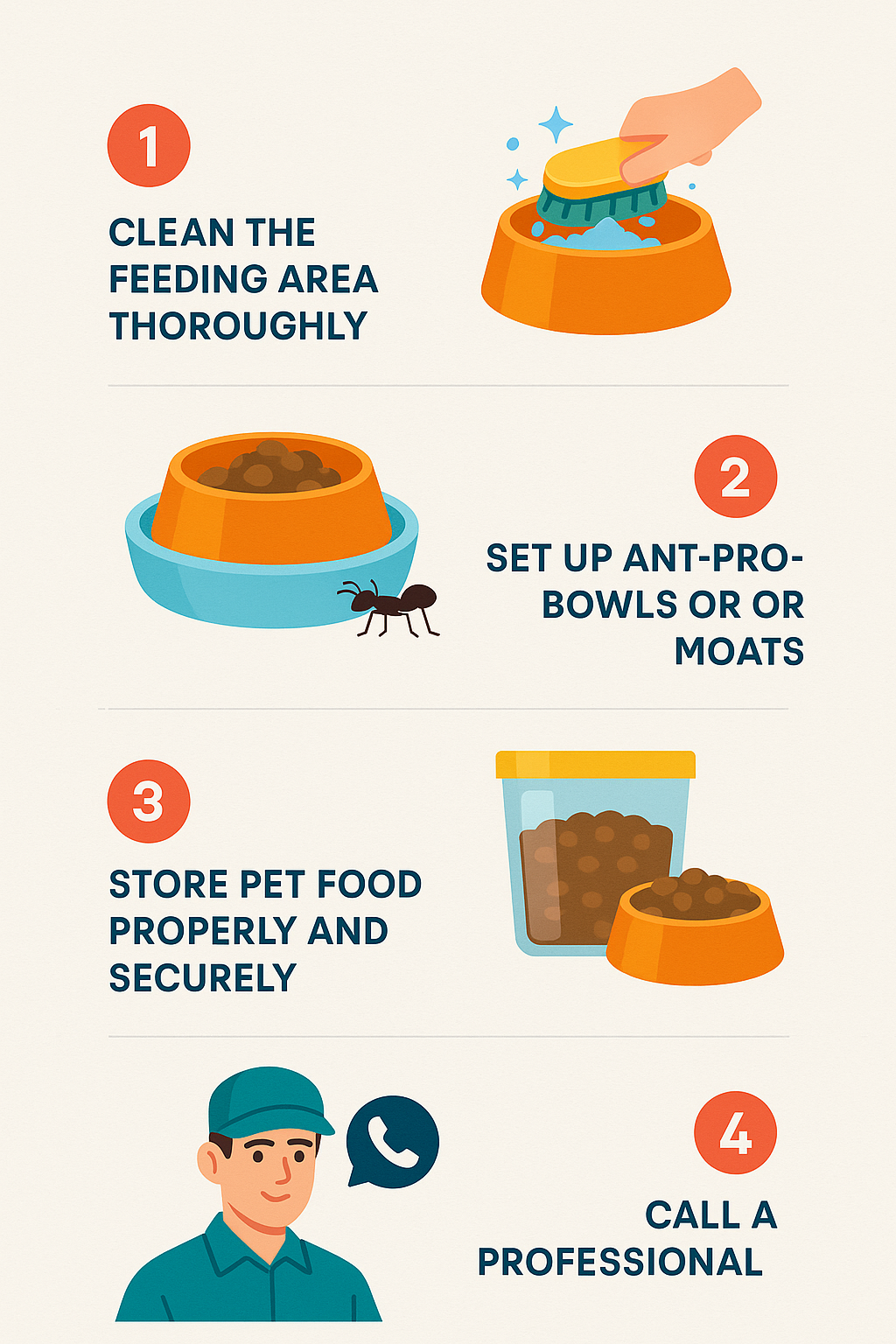
Ants are drawn to leftover food and spills. Cleaning the feeding area after each meal is essential. Wipe down bowls and the surrounding surface to remove crumbs and sticky residues.
Using mild soap and warm water works well without harming your cat. Avoid harsh chemicals near pet food. Think about how often you’ve seen ants around old spills—keeping the area spotless sends a clear message to ants that food isn’t available.
Preventive Measures To Block Ants
Keeping ants away from your cat’s food can be a daily challenge. Preventive measures focus on creating an environment that ants find difficult to cross or access. By using smart tools and natural tricks, you can protect your pet’s meals without harmful chemicals.
Using Ant-proof Bowls
Ant-proof bowls are designed with features that stop ants from reaching the food. Some have raised edges or double layers with water traps built in.
I once switched to a bowl with a wide moat filled with water around the base. It completely stopped ants from invading my cat’s food area within days. This simple change made cleaning easier and reduced stress for my cat.
Look for bowls labeled “ant-proof” or those with built-in barriers. These bowls are often made from durable materials and come in various sizes to suit your pet’s needs.
Creating Barriers With Natural Substances
Natural substances can form effective barriers without chemicals that might harm your cat. Sprinkle cinnamon, coffee grounds, or chalk lines around the feeding station.
Ants dislike crossing these textures and scents. Cinnamon, for example, has a strong smell that disrupts their scent trails. You can easily refresh these barriers every day or two.
Have you tried using essential oils like peppermint or lemon near your cat’s bowl? A few drops on a cotton ball placed nearby can deter ants but still be safe for your pet.
Water Moats And Sticky Barriers
Water moats are a simple yet powerful way to keep ants out. Place your cat’s food bowl inside a larger dish filled with water. The ants cannot swim across the water to reach the food.
Alternatively, sticky barriers like tape with a sticky side up can trap ants before they get to the bowl. Just make sure to place these barriers where your cat cannot touch or ingest them.
Combining water moats with sticky tape around the outer edge creates a double layer of protection. This technique has worked well in my home, reducing the need for constant cleaning.

Credit: www.youtube.com
Safe Deterrents And Repellents
Keeping ants away from your cat’s food is important for hygiene and your pet’s health. Safe deterrents and repellents protect your cat without using harsh chemicals. These options create a barrier that ants avoid but are harmless to pets.
Using natural and non-toxic methods ensures your cat’s safety. Choose repellents that do not irritate your cat’s skin or cause allergies. Regular use of these safe options can keep ants at bay effectively.
Essential Oils That Repel Ants
Certain essential oils have strong scents ants dislike. These oils can be used around your cat’s feeding area.
- Peppermint oil
- Tea tree oil
- Lemon oil
- Eucalyptus oil
Mix a few drops with water and spray near the food bowl. Avoid spraying directly on the food. Essential oils are safe when used in small amounts away from your cat.
Non-toxic Sprays And Powders
Look for sprays and powders labeled non-toxic for pets. These products repel ants without harmful chemicals.
- Diaper rash powder
- Cinnamon powder
- Food-grade diatomaceous earth
- Commercial pet-safe ant repellents
Apply powders around the feeding spot. Spray non-toxic repellents on floors and baseboards near food. These keep ants away while protecting your cat.
Homemade Remedies To Try
Simple homemade solutions can stop ants naturally. These use common household ingredients safe for cats.
- Vinegar and water spray: Mix equal parts and spray near food.
- Cucumber peels: Place slices around the food bowl.
- Chalk line: Draw a line around food area; ants avoid crossing chalk.
- Cornmeal sprinkle: Ants eat but cannot digest it.
These remedies create barriers ants avoid. They are safe and easy to use daily.
Proper Food Storage Techniques
Keeping ants away from your cat’s food starts with how you store it. Proper food storage techniques not only protect your cat’s meals but also help maintain freshness and prevent pest infestations. Let’s dive into simple yet effective ways to keep those tiny invaders out of your furry friend’s bowl.
Sealing Cat Food Containers
Always use airtight containers for storing cat food. Ants can squeeze through tiny gaps, so containers with a tight seal block their entry effectively. Plastic or metal containers with locking lids work best to keep food fresh and pest-free.
Think about the last time you left the bag open for a few hours—did you notice ants gathering? Proper sealing stops that from happening. If you use the original packaging, place it inside a sealed container for double protection.
Portion Control For Feeding
Only put out the amount of food your cat can finish in one sitting. Leaving large portions out invites ants and other pests to feast on leftovers. Feeding smaller portions more frequently helps avoid this problem.
Have you noticed your cat nibbling on stale food? Controlling portions not only keeps ants away but also ensures your cat eats fresh meals every time. You can measure servings ahead of time to make feeding easier and cleaner.
Avoiding Leftover Food
Clean your cat’s bowl right after each meal. Leftover food attracts ants fast, even if it’s just a few crumbs. Use warm water and mild soap to wash the dish thoroughly before the next feeding.
If your cat tends to eat slowly, consider removing the bowl after 20–30 minutes. This reduces the chance for ants to find any scraps. Wouldn’t it be great to keep your cat’s dining area spotless and ant-free with this simple habit?
Maintaining Cleanliness To Discourage Ants
Keeping ants away from your cat’s food begins with good cleanliness habits. Ants are attracted to food spills and crumbs. A clean feeding area makes it hard for ants to find food. Regular care helps keep your cat’s space fresh and pest-free.
Regular Cleaning Routines
Clean your cat’s feeding area daily. Remove leftover food and wash bowls with warm water. Use mild soap to avoid harmful chemicals. Dry the bowls completely before refilling. Sweep or vacuum the floor around the feeding spot. This stops ants from being drawn to the area.
Removing Food Crumbs
Check for crumbs after every meal. Ants follow even tiny food bits. Wipe surfaces with a damp cloth to catch crumbs. Clean under furniture and corners near the feeding space. Keep your cat’s eating zone free from any food debris.
Disinfecting Feeding Areas
Disinfect the feeding area regularly to kill bacteria and remove scents. Use pet-safe disinfectants or a vinegar-water solution. Spray surfaces and wipe them thoroughly. This removes ant trails and discourages their return. Keep the area dry after cleaning to prevent ants from coming back.
When To Seek Professional Help
Dealing with ants invading your cat’s food can be frustrating. Sometimes, the problem becomes too big to handle with simple home remedies. Recognizing when to bring in professional help can save you time, protect your pet, and ensure the infestation is fully controlled.
Signs Of Severe Ant Infestation
Noticing a few ants here and there is normal, but what if you see large trails of ants leading to your cat’s food? A severe infestation often means ants are nesting somewhere nearby, possibly inside your walls or under your floors. If you find hundreds of ants daily or see them in multiple rooms, it’s a clear sign you need expert help.
Have you tried wiping down the feeding area and still spot ants within hours? Persistent infestations that don’t improve with cleaning and natural deterrents indicate a deeper problem. At this point, professional pest control is the best option to stop the ants effectively.
Choosing Pest Control Services
Finding the right pest control company is crucial. Look for services that specialize in eco-friendly and pet-safe treatments. Ask about their experience with ant infestations and if they offer guarantees for their work.
- Check online reviews and ask for recommendations from fellow pet owners.
- Request a detailed inspection before treatment to understand the scope of the problem.
- Ensure the company uses targeted methods to avoid unnecessary chemicals around your home.
Taking these steps helps you pick a service that will protect your home and your cat’s health.
Ensuring Pet Safety During Treatment
Your cat’s safety must be a top priority when pest control treatments are applied. Communicate clearly with the pest control team about your pet’s presence and ask about the products they plan to use.
Keep your cat away from treated areas until it’s completely safe. This might mean temporarily moving your pet to another room or a friend’s house during and right after treatment.
Have you considered how pests treatments could affect your cat’s health? Choosing pest control options labeled safe for pets reduces risks and keeps your furry friend comfortable and secure.

Credit: www.reddit.com

Credit: smart.dhgate.com
Frequently Asked Questions
How Can I Prevent Ants From Reaching My Cat's Food?
Keep your cat's food in airtight containers to block ants. Clean feeding areas regularly and wipe up spills immediately. Use natural barriers like vinegar or cinnamon around the feeding spot to deter ants without harming your cat.
What Natural Remedies Repel Ants Near Cat Food?
Natural repellents include vinegar, cinnamon, and lemon juice. These substances disrupt ants' scent trails and keep them away. Apply them around the food area, but avoid direct contact with your cat’s food to ensure safety.
Is It Safe To Use Ant Baits Near My Cat's Food?
Avoid using chemical ant baits near cat food as they can be toxic. Instead, use pet-safe methods like sealing food containers and natural deterrents. Always prioritize your cat’s health when managing ant problems around their feeding area.
How Often Should I Clean My Cat's Feeding Area?
Clean your cat’s feeding area daily to prevent attracting ants. Wipe the floor and food bowls thoroughly to remove crumbs and spills. Regular cleaning disrupts ants’ food sources and keeps the area hygienic for your pet.
Conclusion
Ants in your cat's food can be frustrating. Simple steps can help. Keep feeding areas clean. Use barriers like water moats. Store food properly in airtight containers. Regularly check and clean feeding spots. Ant deterrents like vinegar or lemon can work well.
Consistency is key. Your cat deserves a pest-free meal. With effort, you can maintain an ant-free zone. Enjoy a cleaner, happier feeding time for your furry friend.