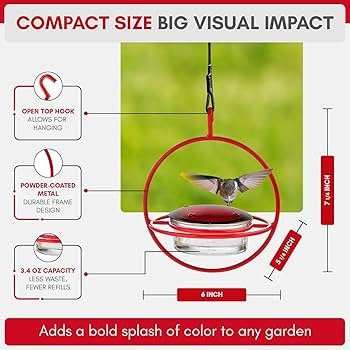

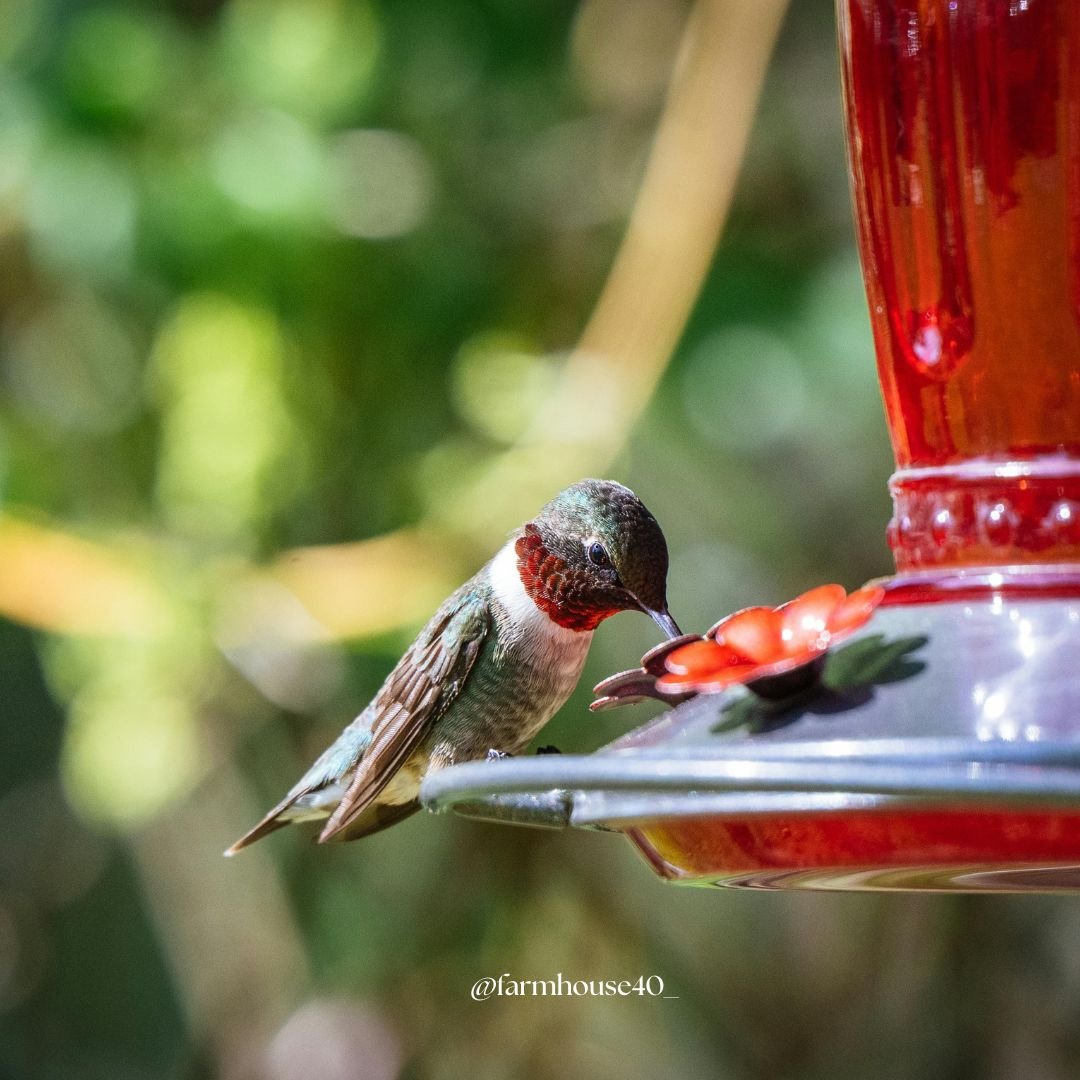
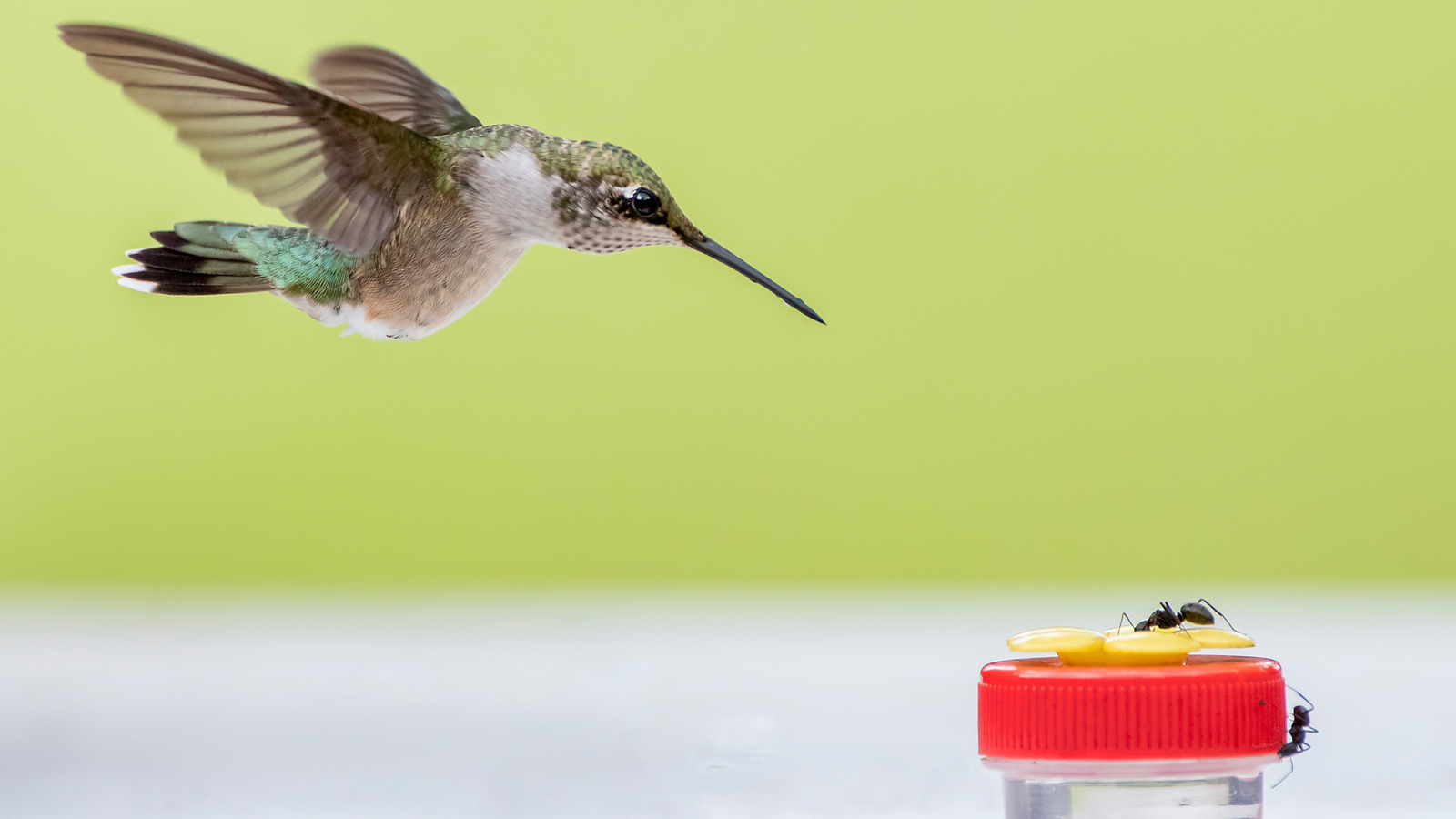
If you love watching hummingbirds at your feeder, you know how frustrating it is to find ants invading their sweet treat. These tiny pests can quickly take over, making it hard for the birds to enjoy the nectar.
But don’t worry—there are simple ways you can stop ants from crashing your hummingbird party. You’ll discover easy, effective tips to keep your feeder ant-free and keep those beautiful birds coming back again and again. Ready to protect your feeder and enjoy the show?
Let’s dive in!

Credit: www.yahoo.com
Why Ants Are Attracted To Feeders
Ants are common visitors to hummingbird feeders. They are drawn by the sweet liquids inside. Understanding why ants come helps keep them away effectively.
Sugar And Nectar Appeal
Hummingbird feeders contain sugar water or nectar. This sweet liquid is very attractive to ants. Ants need sugar as a quick energy source. The nectar mimics natural food sources like flower nectar. Ants can detect sugar from a distance. They follow scent trails to reach the feeder. Once ants find the nectar, they form trails to bring more ants.
Common Ant Species Near Feeders
Several ant species often invade hummingbird feeders. These include:
- Odorous house ants – small, dark ants with a strong smell when crushed
- Carpenter ants – larger ants that can damage wood but also seek sugary food
- Pavement ants – common near homes and attracted to sweet liquids
These ants are skilled at finding food sources like feeders. Their colonies can grow quickly near hummingbird feeders.
Credit: www.nikkilynndesign.com
Choosing The Right Feeder
Choosing the right hummingbird feeder helps keep ants away. A good feeder design stops ants from reaching the nectar. It also makes cleaning easier and protects the birds.
Some feeders have special features that block ants. Others use materials ants do not like. Picking the right feeder reduces the chance of ant problems.
Ant-resistant Feeder Designs
Feeders with built-in ant moats are very effective. These moats hold water and stop ants from crossing. Feeders with smooth surfaces make it hard for ants to climb. Designs with fewer crevices prevent ants from hiding. Hanging feeders keep ants off the ground and away from the nectar.
Materials That Deter Ants
Plastic feeders are common but some ants can climb them. Glass feeders are smooth and harder for ants to grip. Metal parts may stop ants but can rust if wet. Some feeders use silicone or rubber parts that ants avoid. Avoid wooden feeders; they attract ants and are hard to clean.
Physical Barriers To Block Ants
Keeping ants away from your hummingbird feeder can be a real challenge, but physical barriers offer some of the most effective solutions. These barriers stop ants from reaching the sweet nectar without harming the birds. Using simple tools and techniques, you can protect your feeder and enjoy watching hummingbirds without the annoyance of ants.
Using Ant Moats
Ant moats create a water barrier that ants can't cross. You can buy specially designed ant moats that hang above the feeder, or make one yourself using a small container filled with water. The feeder hangs below the moat, leaving ants stuck on the outside edge, unable to reach the nectar.
From personal experience, adding an ant moat turned my hummingbird watching from frustrating to peaceful. The ants stopped invading completely, letting the hummingbirds feed calmly. Have you tried using water as a barrier before?
Applying Petroleum Jelly
Petroleum jelly forms a sticky, slippery ring on the feeder’s hanging parts. Ants get stuck and can’t crawl past it. Apply a thin layer on the feeder’s hanging wire, hooks, or poles, and refresh it every few days to keep it effective.
This simple trick is budget-friendly and quick to do. Just be careful not to get the jelly where the birds feed. Would you consider this easy fix before buying expensive ant-proof feeders?
Hanging Feeders Strategically
Where you hang your feeder makes a big difference. Try to place it away from trees, branches, or structures that ants can use as bridges. Use a smooth, narrow pole or wire to hang your feeder, making it harder for ants to climb.
In my garden, moving the feeder just a few feet away from a tree branch cut down ant visits drastically. Sometimes, a small change in location can save you a lot of hassle. What spots around your home could be smarter places to hang your feeder?
Natural Repellents
Natural repellents offer a safe and eco-friendly way to keep ants away from hummingbird feeders. These options avoid harsh chemicals that could harm birds or plants. Using natural substances can effectively block ants from reaching the sweet nectar.
Many natural repellents work by confusing ants’ senses. They rely on smells that ants dislike or cannot tolerate. These scents create a barrier around the feeder without affecting the hummingbirds.
Essential Oils That Keep Ants Away
Essential oils have strong smells that ants avoid. These oils are easy to use and safe for the environment. Some popular oils include:
- Peppermint oil
- Lemon oil
- Eucalyptus oil
- Cinnamon oil
To use, soak a cotton ball in the oil. Place it near the feeder’s base or hang it close by. Refresh the oil every few days for best results. The scent will keep ants at a distance without disturbing hummingbirds.
Homemade Ant Deterrent Sprays
Homemade sprays blend natural ingredients to repel ants effectively. These sprays are simple to make and cost little. A basic recipe includes:
| Ingredient | Amount | Purpose |
|---|---|---|
| Water | 1 cup | Base liquid |
| White vinegar | 1/4 cup | Disrupts ant scent trails |
| Essential oil (peppermint or lemon) | 10 drops | Repels ants |
Mix all ingredients in a spray bottle. Spray around the feeder’s pole and base. Avoid spraying nectar or flowers. Repeat every few days to keep ants away effectively.
Maintaining Clean Feeders
Keeping your hummingbird feeder clean helps prevent ants and keeps birds healthy. Dirt and old nectar attract ants quickly. A clean feeder makes it harder for ants to find food. It also stops mold and bacteria growth. Clean feeders invite more hummingbirds to visit.
Regular Cleaning Schedule
Clean the feeder every three to five days. Use warm water and mild soap. Rinse well to remove all soap. Avoid strong chemicals that harm birds. Soak parts in a vinegar solution for 10 minutes. Scrub with a soft brush to remove residue. Dry completely before refilling with nectar. Regular cleaning stops ants and keeps nectar fresh.
Proper Nectar Preparation
Use a simple sugar-water mix for nectar. Mix 1 part white sugar with 4 parts water. Boil water first, then stir in sugar until dissolved. Let the nectar cool before filling the feeder. Avoid honey or artificial sweeteners; they attract ants. Change nectar every few days to prevent fermentation. Fresh nectar helps keep ants away and feeds hummingbirds well.
Alternative Feeding Options
Alternative feeding options help attract hummingbirds without inviting ants. These methods reduce ant problems and offer natural ways to enjoy birdwatching. Using plants and safe feeders creates a better environment for hummingbirds.
Flower Planting To Attract Hummingbirds
Planting flowers is a natural way to feed hummingbirds. Bright, tubular flowers hold nectar that hummingbirds love. Choose native plants to support local ecosystems.
- Trumpet vine
- Bee balm
- Salvia
- Cardinal flower
- Columbine
These flowers bloom in different seasons, providing food all year. They attract hummingbirds and keep ants away from feeders. Flowers also add beauty and color to your garden.
Using Ground Feeders Safely
Ground feeders offer an ant-free feeding option for hummingbirds. They keep nectar off surfaces ants can reach easily. Place feeders on stands with ant guards to block ants.
- Use feeders with built-in ant moats
- Keep the area clean to avoid attracting ants
- Check feeders regularly for leaks or spills
Ground feeders should be placed in shaded spots to prevent nectar spoilage. This method reduces ant visits and keeps hummingbirds safe.
Credit: www.housedigest.com
Frequently Asked Questions
How Do Ants Get Into Hummingbird Feeders?
Ants are attracted to the sugary nectar inside feeders. They crawl along the feeder’s perch or hanging wire. If the feeder lacks ant guards or barriers, ants easily access the nectar. Regular cleaning and proper feeder design can help prevent ant invasions.
What Is The Best Way To Stop Ants On Feeders?
Use an ant moat filled with water to create a barrier. This prevents ants from reaching the feeder. You can also apply non-toxic ant barriers or use feeders with built-in ant guards. Regularly clean the feeder to avoid attracting ants.
Can Homemade Ant Barriers Protect Hummingbird Feeders?
Yes, homemade barriers like petroleum jelly or cooking oil can block ants. Apply these substances around the feeder’s hanging hook or base. Ensure they are safe for hummingbirds and do not contaminate the nectar. Always monitor and refresh barriers to keep ants away.
Why Do Ants Prefer Hummingbird Feeders Over Other Food Sources?
Hummingbird feeders offer sweet nectar, an easy energy source for ants. The sugary liquid is more attractive than many natural food options. Ants follow scent trails to feeders, making them a prime target for infestation.
Conclusion
Keeping ants away from your hummingbird feeder is simple. Use ant moats or sticky barriers. Regular cleaning helps a lot. Remove any food sources for ants nearby. Try natural repellents like peppermint oil. They work well. Check your feeder setup often.
Make adjustments if needed. Enjoy a peaceful space for hummingbirds. Consistent efforts bring great results. Your hummingbird friends will thank you. Remember, a little care goes a long way. Happy bird watching!