When the temperature drops, keeping your dog warm in their kennel becomes a top priority. You want your furry friend to feel cozy and safe, no matter how cold it gets outside.
But how do you make sure their kennel is the perfect warm spot without risking their comfort or health? You’ll discover simple, effective ways to keep your dog snug and happy in their kennel, even on the chilliest days. Keep reading to learn the secrets that every dog owner needs to know!

Credit: gunner.com
Choosing The Right Kennel
Choosing the right kennel is crucial to keeping your dog warm and comfortable during colder months. The kennel acts as your dog's shelter, so it needs to protect against the elements effectively. Picking the right size and material, along with the perfect location, makes all the difference for your pet’s wellbeing.
Size And Material
Your dog’s kennel should be just the right size—not too big, not too small. A kennel that’s too large lets warm air escape, making it harder for your dog to stay cozy. On the other hand, a kennel that’s too tight can feel uncomfortable and restrict movement.
Choose materials that provide good insulation. Wood is a solid option because it holds heat well and shields from wind. Plastic kennels might look easy to clean but often lack insulation, so you might need to add extra bedding or blankets.
Think about your dog’s breed and fur thickness when selecting the material. Short-haired dogs need more insulation than thick-coated breeds. Have you noticed how your dog reacts to cold? This can guide your material choice.
Location Matters
Where you place the kennel can affect how warm it stays. Avoid placing it in direct wind or damp areas. A sheltered spot near a wall or under a porch can block chilly drafts.
Sunlight can be your friend during cold days. Position the kennel so it gets some natural light, which helps warm the interior. But beware of spots that get freezing cold at night despite daytime sun.
Consider the ground beneath the kennel. Cold concrete or wet soil will pull heat away from the shelter. Elevate the kennel slightly using bricks or a wooden pallet to keep moisture out and trap warmth inside.
Insulating The Kennel
Insulating the kennel helps keep your dog warm and cozy during cold days. Proper insulation blocks cold air and retains heat inside. It creates a comfortable space where your dog feels safe and snug. Use simple materials to make the kennel warm without much cost or effort.
Using Straw And Blankets
Straw is a natural insulator that traps heat well. Place a thick layer of straw on the kennel floor. It keeps the cold ground away from your dog's body. Straw stays dry and is easy to replace when dirty.
Use blankets or old towels inside the kennel for extra warmth. Fold them so your dog can lie comfortably. Wash blankets often to keep them clean and fresh. Avoid using materials that hold moisture, as wetness causes chill.
Weatherproof Covers
Weatherproof covers protect the kennel from wind, rain, and snow. Use a tarp or plastic sheet over the roof and sides. Secure the cover tightly to stop drafts from entering. Make sure your dog can still get in and out easily.
Choose covers that allow some air flow to avoid dampness inside. Proper ventilation prevents mold and keeps the kennel dry. Check the cover regularly and fix any tears or holes fast.
Heating Options
Keeping your dog warm in a kennel is essential, especially during chilly months. Choosing the right heating option can make a big difference in your pet’s comfort and safety. Let’s look at two effective ways to add warmth: heated pads and safe heat lamps.
Heated Pads And Mats
Heated pads and mats are a popular choice because they provide consistent warmth right where your dog lies. These pads plug into a power source and gently heat up, offering a cozy spot without overheating the entire kennel.
Many pet owners, including myself, have found that heated mats help anxious dogs relax during cold nights. Look for models with low voltage and chew-resistant cords to keep your dog safe. You can even place a waterproof cover over the mat to protect it from accidents.
Have you considered how easy it is to clean and move a heated pad? This flexibility makes it a practical option for indoor and outdoor kennels alike.
Safe Heat Lamps
Heat lamps provide radiant warmth and can quickly raise the temperature in a kennel. However, safety is key when using them around pets. Choose lamps designed specifically for outdoor use with protective cages to prevent burns or fire hazards.
Position the lamp high enough to avoid direct contact but close enough to warm your dog. Reflector heat lamps work well, focusing heat where your dog rests without wasting energy.
Before installing a heat lamp, ask yourself: Is the lamp’s placement secure? Will your dog be able to reach it? Ensuring these factors will protect your pet and give you peace of mind.

Credit: barrelwarmer.com
Clothing And Bedding
Keeping your dog warm in a kennel can be simple if you focus on the right clothing and bedding. These two elements work together to create a cozy space where your dog feels safe and comfortable, even in colder weather. Let’s look at how you can choose and use these items effectively.
Dog Sweaters And Coats
Dog sweaters and coats are more than just cute accessories—they provide essential warmth, especially for small or short-haired breeds. Look for materials like fleece or wool that trap heat without making your dog sweat.
Make sure the clothing fits well but isn’t too tight. Your dog should be able to move freely and relieve themselves without hassle. Try different styles to see what your dog tolerates best—some dogs prefer pullovers, while others like jackets with zippers or Velcro.
Have you noticed your dog shivering or curling up more than usual in the kennel? Adding a sweater or coat could be the simple change that makes a big difference.
Warm Bedding Choices
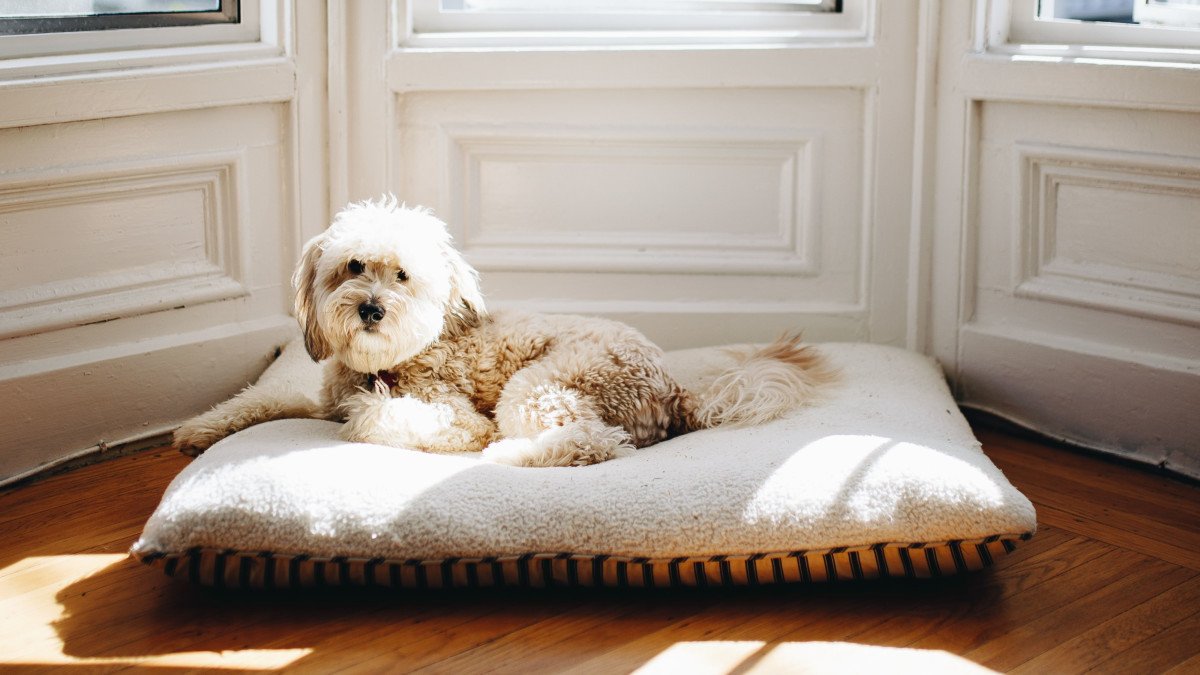
Choosing the right bedding is key to keeping your dog warm. Thick, insulated beds like those with memory foam or self-warming materials reflect your dog’s body heat back to them. Avoid thin mats that don’t provide enough protection from cold kennel floors.
Layering bedding can also help. Start with a waterproof liner to protect against moisture, then add a soft blanket or fleece cover on top. You might even add an old sweater or towel your dog is familiar with to provide comfort and warmth.
Have you ever tried switching your dog’s bedding seasonally? Sometimes a simple swap to a cozier option can improve their comfort drastically.
Maintaining Ventilation
Keeping your dog warm in a kennel is about more than just adding blankets or heaters. Proper ventilation plays a crucial role in maintaining a comfortable temperature without compromising your dog's health. Good airflow helps prevent dampness and keeps the air fresh, creating a safe and cozy environment for your furry friend.
Avoiding Dampness
Dampness can quickly turn a warm kennel into a cold, uncomfortable space. Moisture builds up from your dog’s breath, spills, or wet bedding, encouraging mold and bacteria growth. You can prevent this by ensuring your kennel has enough ventilation openings to let moisture escape.
Think about the last time you left a window closed in a humid room—did it feel stuffy and damp? Your dog’s kennel needs airflow to avoid that same feeling. Using moisture-wicking bedding and checking for wet spots daily also helps keep dampness under control.
Ensuring Fresh Air
Fresh air is vital for your dog’s comfort and health, especially in colder months when kennels tend to be sealed up tight. Without proper ventilation, stale air can build up, making your dog feel uneasy or even sick.
Position the kennel in a spot where it can catch a gentle breeze but isn’t exposed to harsh winds or drafts. You might also consider installing adjustable vents that you can open or close depending on the weather. Have you noticed how your dog reacts when the air feels stuffy? Often, they’ll become restless or try to move to a more open area.

Credit: barrelwarmer.com
Monitoring Your Dog's Comfort
Keeping your dog warm in a kennel is not just about providing insulation or blankets. It’s equally important to monitor how your dog actually feels and reacts to the environment. Paying close attention to your dog’s comfort helps you adjust their setup quickly and effectively, ensuring they stay safe and happy even in cold conditions.
Signs Of Cold Stress
Dogs can’t tell you when they’re too cold, so you need to watch for clear signs. Look for shivering, trembling, or whining—these are immediate red flags. Your dog might also curl up tightly or try to burrow into bedding more than usual.
Other subtle signs include slow movements, lethargy, or even lifting paws off the cold ground. If you notice your dog’s ears or tail becoming pale or cold to the touch, it could mean poor circulation due to the chill. Have you ever seen your dog refusing to come out of the kennel? That might be their way of avoiding the cold.
Regular Health Checks
Keeping an eye on your dog’s overall health is crucial during cold weather. Regularly check their skin and coat for dryness or flakiness, which can worsen if they’re exposed to cold air too long. A healthy coat acts as natural insulation, so any changes should be addressed promptly.
Inspect your dog’s paws for cracks or sores that cold surfaces can cause. Cold stress can weaken their immune system, making them more prone to illness. Make it a habit to check their body temperature if you suspect they’re cold—normal dog temperature ranges from 101 to 102.5°F (38.3 to 39.2°C).
Have you ever adjusted your dog’s kennel setup after noticing these health issues? Small changes like adding a warmer blanket or moving the kennel to a sheltered spot can make a big difference. Staying proactive helps prevent cold-related health problems before they start.
Frequently Asked Questions
How Can I Insulate A Dog Kennel Effectively?
Use materials like foam panels or straw to insulate the kennel. Ensure walls and floors are covered to retain heat. Proper insulation protects your dog from cold drafts and keeps the space warm and cozy.
What Bedding Is Best For Keeping Dogs Warm?
Choose thick, warm bedding such as fleece blankets or heated pads. Avoid thin or wet bedding that can cause cold. Good bedding traps body heat and provides a comfortable resting spot for your dog.
Should I Use A Heater In My Dog’s Kennel?
Heaters can help but must be safe and designed for pets. Use thermostatically controlled heaters to avoid overheating. Always monitor the temperature and ensure no direct contact with heating elements.
How Do I Prevent Drafts In An Outdoor Kennel?
Seal gaps and cracks with weatherproofing strips or plastic sheeting. Position the kennel away from wind direction. Blocking drafts keeps cold air out and maintains a warm environment inside.
Conclusion
Keeping your dog warm in a kennel is essential. Start by choosing a cozy, insulated kennel. Use blankets or thermal pads to add warmth. Ensure the space is dry and free from drafts. Regularly check your dog's comfort. Provide warm bedding and a heat source if necessary.
Always ensure fresh water is available. Monitor your dog's health and behavior. Happy, warm dogs stay healthier and more active. Remember, a little effort goes a long way. Make your dog's kennel a safe, warm haven. Your furry friend deserves the best care and comfort.