Is your dog digging under the fence again? You’re not alone.
Many dog owners face this frustrating problem. When your furry friend keeps escaping or making a mess in the yard, it can feel like a constant battle. But don’t worry—there are simple, effective ways you can stop this behavior. You’ll discover easy tips and tricks to keep your dog safe and your yard intact.
Keep reading to find out how to put an end to fence digging once and for all.

Credit: www.amazon.com
Reasons Dogs Dig Under Fences
Understanding why your dog digs under the fence is the first step to stopping this behavior. Dogs don’t dig just to annoy you; they have specific reasons driving their actions. Pinpointing these motives helps you address the root cause effectively and keep your yard intact.
Boredom And Excess Energy
Dogs left alone without enough physical or mental stimulation often turn to digging as a way to burn off energy. Imagine being stuck in a small yard with nothing to do—it’s natural for a dog to seek an outlet. If your dog digs when you’re not around or after short play sessions, boredom and excess energy might be the culprit.
Try adding more exercise or engaging toys to your dog's routine. Does your dog have enough daily walks or playtime? Sometimes, simply increasing activity can reduce digging significantly.
Instinct And Hunting Behavior
Digging is part of a dog’s natural instinct, especially in breeds with a strong prey drive like terriers. Your dog might be trying to catch something under the fence, such as rodents or insects. This instinctual behavior isn’t about mischief but survival and curiosity.
Observe if your dog digs mainly in spots where you notice small animals or scents. Using deterrents like natural repellents or blocking access to burrows can help manage this urge.
Escape Attempts
Dogs dig under fences to escape if they feel confined or anxious. If your dog frequently disappears or is found outside the yard, digging might be their way of breaking free. This behavior signals that your dog may be unhappy or stressed in the current environment.
Ask yourself if your dog has a safe, comfortable space to relax. Adding barriers like buried mesh or concrete footers can prevent escape, but addressing your dog’s emotional needs is just as important.
Seeking Attention
Sometimes dogs dig because they want your attention—even negative attention counts. If your dog notices that digging gets a reaction from you, they might repeat it to stay in the spotlight. This is especially true if your dog feels neglected or lonely.
Have you noticed if your dog digs more when you’re busy or not paying attention? Try giving your dog quality time and positive reinforcement for good behavior instead. Rewarding calm behavior often reduces attention-seeking digging.
Assessing Your Yard And Fence
Before you can stop your dog from digging under the fence, you need to understand the layout and condition of your yard and fence. Assessing these areas helps you spot where the problem starts and what might be encouraging your dog to dig. This step is crucial because a well-informed approach saves time and effort in the long run.
Identifying Weak Spots
Walk along your fence line and look closely for any gaps or loose sections where your dog could easily slip through or start digging. Pay attention to areas where the fence meets the ground—these often have small openings or loose soil. Even a tiny hole can invite your dog to dig and escape.
Think about whether the fence material is sturdy enough. Older wood or thin wire fences might not hold up well against persistent digging. Have you noticed any spots your dog favors? These weak points are your priority for repair or reinforcement.
Checking Soil And Landscape
Soil type affects how easy it is for your dog to dig. Sandy or loose soil is much easier to dig through than compact clay or rocky ground. If your yard has soft spots, your dog might find those areas more tempting.
Look at the landscape design near the fence. Are there plants, mulch, or debris piles that might encourage digging? Sometimes dogs dig to hide toys or explore scents around bushes and flower beds. Could changing the layout or adding tougher ground cover help?
Observing Dog Behavior Patterns
Watch your dog closely around the fence. Do they dig only at certain times of day or after specific activities? For instance, some dogs dig out of boredom, while others do it to chase animals they hear outside the fence.
Notice how your dog acts when you’re outside with them. Are they anxious, excited, or restless near the fence? Understanding the “why” behind their digging helps you address the root cause, not just the symptoms.
Physical Barriers To Prevent Digging
Physical barriers are a reliable way to stop your dog from digging under the fence. These solutions work by making it physically difficult or uncomfortable for your dog to dig. They create a clear, tough boundary that keeps your furry friend safely inside your yard.
Installing Underground Fencing
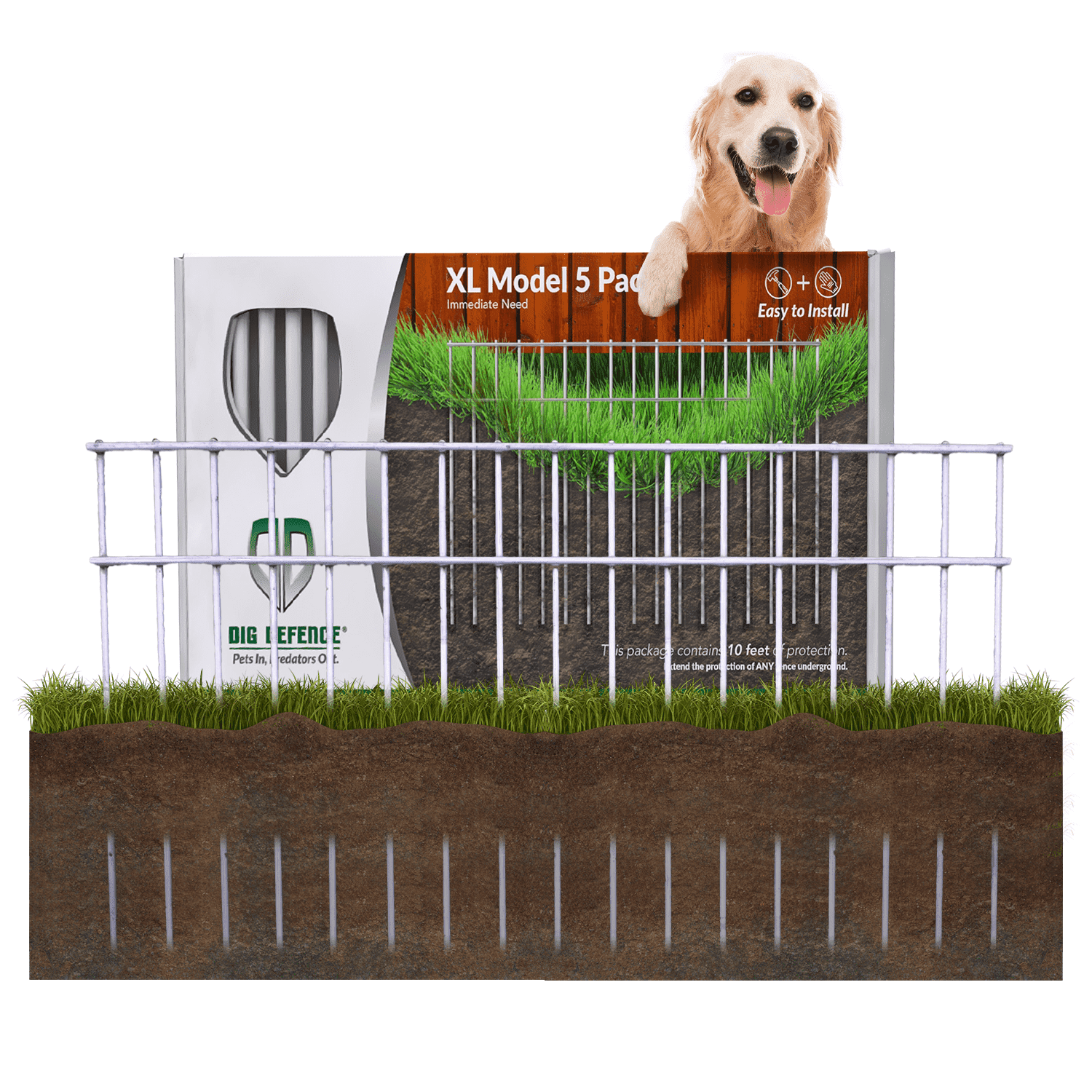
Installing underground fencing involves burying a wire or barrier just below the surface along your fence line. This invisible boundary deters your dog because it triggers a mild signal or blocks the digging path. It’s effective because your dog feels the boundary without seeing it, reducing the urge to dig under the fence.
Think about how your dog reacts when it senses a change in the ground beneath its paws. This subtle cue can be enough to stop digging before it starts. Have you noticed your dog avoiding certain areas? Underground fencing taps into that natural caution.
Using Gravel Or Rocks
Adding a layer of gravel or rocks right next to the fence makes digging uncomfortable and difficult. Dogs dislike the uneven, sharp texture under their paws, which discourages them from trying to dig. Choose medium-sized rocks or gravel that won’t shift too easily but also won’t hurt your pet.
This method works well because it changes the digging surface entirely. Your dog will quickly learn that digging near the fence is a bad idea. Do you have loose soil near your fence? Replacing it with gravel could be the solution you need.
Burying Chicken Wire Or Mesh
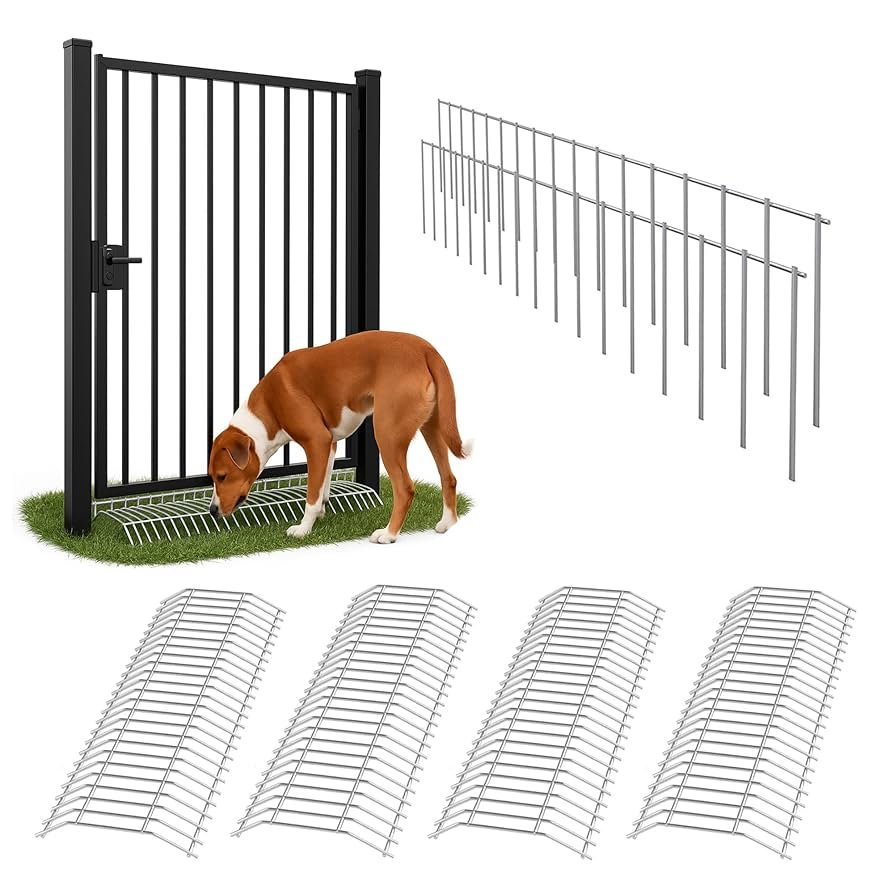
Burying chicken wire or mesh a few inches below the ground along the fence line is a classic way to stop digging. The wire acts as a barrier your dog can’t easily move through or chew. It’s important to secure the mesh tightly so your dog can’t push or pull it up.
This technique works because dogs quickly realize they can’t get through the tough wire underground. It’s a simple fix that many dog owners swear by. Have you tried this before? If not, it might be worth giving it a shot to keep your dog safe and your yard intact.
Training And Behavior Modification
Training and behavior modification are key to stopping your dog from digging under the fence. Dogs dig for many reasons—boredom, curiosity, or even to escape. Changing this habit takes patience and consistent effort, but the results are worth it.
Redirecting Digging To Designated Areas
Instead of trying to stop digging completely, why not give your dog a special spot where digging is allowed? Choose a corner of your yard and fill it with soft soil or sand. Bury toys or treats there to encourage your dog to dig in that area.
Whenever your dog starts digging under the fence, gently lead them to the designated digging zone. Praise them when they dig there. This helps your dog understand where digging is okay and keeps your fence safe.
Positive Reinforcement Techniques
Reward your dog immediately when they behave well near the fence. Use treats, petting, or enthusiastic words to show your dog you appreciate calm behavior. This encourages them to repeat good actions.
Timing is important—catch your dog before or right after they stop digging. This way, they connect the reward with the right behavior. Have you noticed how fast dogs learn when you reward them promptly?
Discouraging Undesired Digging
Make the area under the fence less appealing to dig. You can place large rocks, chicken wire, or garden fabric just below the surface. These create a barrier your dog won’t enjoy trying to dig through.
Another way is to supervise your dog closely when they’re outside. Interrupt any digging attempts with a firm "no" and redirect their attention. This consistent response helps your dog understand that digging under the fence is not allowed.
Providing Mental And Physical Stimulation
Dogs often dig under fences out of boredom or excess energy. Providing mental and physical stimulation helps reduce this behavior. A well-stimulated dog stays happier and less likely to dig. Engaging your dog in activities keeps its mind sharp and body tired.
Regular Exercise Routines
Exercise is essential to burn off your dog's energy. Daily walks or runs help keep your dog calm. Try to maintain a consistent schedule for physical activity. Play fetch or let your dog explore safe areas. A tired dog is less likely to dig under fences.
Interactive Toys And Puzzles
Toys that challenge your dog's mind reduce boredom. Puzzle feeders and treat-dispensing toys work well. These toys keep dogs busy and focused. Rotate toys regularly to keep interest high. Mental stimulation lowers the urge to dig.
Social Interaction And Playtime
Dogs need social time with humans or other dogs. Play sessions strengthen your bond and provide fun. Arrange playdates or visit dog parks if possible. Social interaction helps release energy and stress. A happy, engaged dog digs less under fences.

Credit: www.amazon.com
Using Deterrents Safely
Using deterrents to stop your dog from digging under the fence can be effective, but it’s important to prioritize safety. Harsh or toxic substances can harm your furry friend or other animals in the yard. You want to create an environment that discourages digging without causing stress or injury.
Think about what your dog finds unpleasant yet harmless. This balance keeps your dog safe and helps maintain trust between you and your pet. Let’s look at some options that protect your dog while tackling the digging problem.
Natural Repellents
Natural repellents are a gentle way to discourage digging. Ingredients like cayenne pepper, vinegar, or citrus peels can be sprinkled near the fence line.
These substances create smells or sensations dogs usually avoid. But be careful not to apply anything that might irritate your dog’s skin or paws. Test a small area first and watch your dog’s reaction.
Have you noticed your dog’s reaction to lemon peels or coffee grounds in the garden? Observing your dog’s preferences helps you choose the best natural deterrent.
Scent-based Deterrents
Dogs rely heavily on their sense of smell, so scent-based deterrents can work well. You can use safe essential oils like eucalyptus or peppermint diluted in water and sprayed near the digging spots.
These scents are strong but non-toxic if used properly. Avoid applying oils directly on your dog or in areas they frequent. Instead, spray around the fence base to signal “off limits.”
Remember to reapply regularly since scents fade, especially after rain. How often do you check and refresh these deterrents? Consistency matters for success.
Safe Commercial Products
There are many commercial deterrents designed specifically for dogs. Look for products labeled as pet-safe and non-toxic.
These often come in granular or spray form and include ingredients that repel without causing harm. Always read the label carefully and follow instructions for use.
Keep in mind that some dogs may be more sensitive to certain ingredients. Monitor your dog after applying a new product to ensure there are no adverse reactions.
Have you tried a commercial deterrent before? Sharing your experience can help others choose the safest option.
When To Seek Professional Help
Sometimes, digging under the fence is more than just a bad habit. It may signal deeper issues like anxiety, boredom, or stress. Knowing when to seek professional help can save your dog from harm and protect your yard. Early intervention prevents damage and keeps your dog safe.
Consulting A Trainer Or Behaviorist
Professional trainers or behaviorists understand dog behavior deeply. They can identify why your dog digs under the fence. Trainers offer tailored strategies to stop this behavior. They teach positive reinforcement and redirect your dog’s energy. Working with a trainer ensures lasting results. This approach fits dogs with stubborn or repeated digging problems.
Veterinary Advice For Anxiety
Digging can be a sign of anxiety or stress. A vet can check your dog’s health and emotional state. They may suggest treatments or medication to reduce anxiety. Anxiety can cause destructive behaviors beyond digging. Veterinary advice helps address the root cause. It ensures your dog feels calm and secure at home.
Considering Environmental Changes
Sometimes, the environment triggers your dog’s digging habit. Professionals can recommend changes to your yard or daily routine. Adding more exercise or mental stimulation reduces boredom. Creating a safe space with toys or shade helps too. Environmental changes can stop digging without harsh measures. Experts guide you on how to improve your dog’s surroundings.
Credit: www.walmart.com
Frequently Asked Questions
Why Do Dogs Dig Under Fences?
Dogs dig under fences due to boredom, curiosity, or to escape. They may seek attention or look for prey. Understanding the reason helps in applying the right prevention methods.
How Can I Stop My Dog From Digging Under Fences?
Provide physical barriers like buried chicken wire. Increase exercise and mental stimulation. Use deterrents such as scents or motion-activated sprinklers to discourage digging behavior effectively.
What Materials Prevent Dogs From Digging Under Fences?
Use hardware cloth, concrete, or buried chicken wire. These materials create solid barriers dogs cannot dig through. They offer a durable, long-term solution to keep dogs contained.
Is Training Effective To Prevent Fence Digging?
Yes, consistent training helps. Teach commands like “stay” and reward good behavior. Combine training with physical barriers for best results in stopping digging.
Conclusion
Keeping your dog from digging under the fence takes patience. Consistency is key. Ensure your dog gets enough exercise daily. A tired dog is less likely to dig. Use barriers to block digging spots. Reinforce good behavior with treats and praise.
Keep an eye on their activities outside. Address anxiety or boredom with toys or training. By understanding your dog's needs, you can prevent digging. Every dog is unique, so find what works best. Your yard will stay intact, and your dog will be safe.
Happy dog, happy owner.