Are you tired of finding your beautiful flower beds turned into messy holes? If your dog loves to dig where they shouldn’t, you’re not alone—and the good news is, you can stop it.
Imagine enjoying your garden without worrying about your furry friend ruining it. You’ll discover simple, effective ways to keep your dog from digging in your flower beds. By the end, your garden will stay beautiful, and your dog will be happier too.
Keep reading to learn how!

Credit: www.amazon.com
Why Dogs Dig In Flower Beds
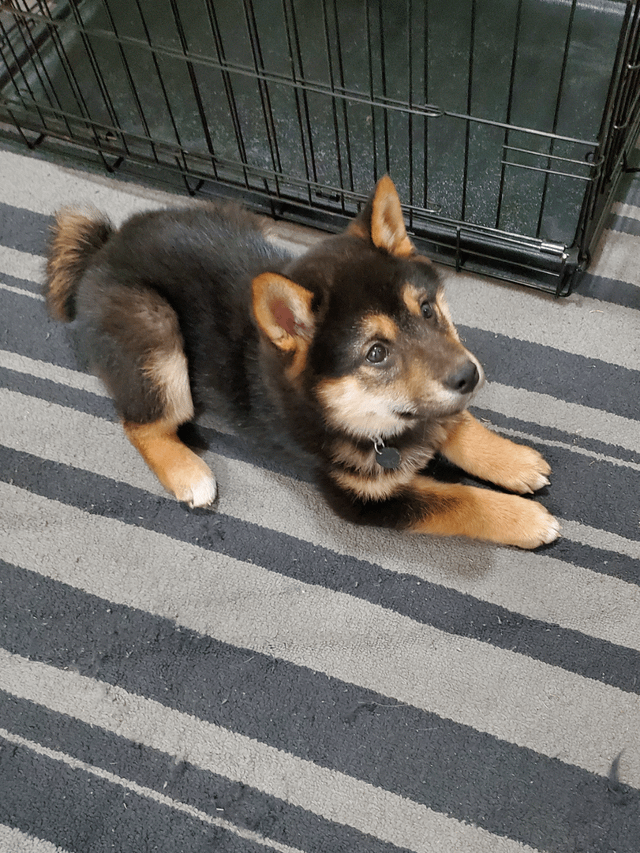
Dogs often dig in flower beds for various reasons. Understanding why they do this helps find the right solution. Digging is natural but can damage your garden. It can be a sign of their needs or feelings. Identifying the cause makes it easier to stop the behavior.
Natural Instincts
Digging is a natural behavior for dogs. Wild ancestors dug to find food or create a safe spot. Many dogs still have this instinct. Flower beds feel soft and inviting to dig. They may search for hidden smells or small animals.
Boredom And Energy
Dogs need physical and mental activity daily. Without enough play or exercise, they get bored. Digging becomes a way to use up energy. Flower beds are close and easy targets. This behavior helps them feel less restless.
Seeking Comfort
Dogs dig to make a cool or warm spot. Soil in flower beds can be cooler on hot days. They dig to lie down comfortably. Sometimes, they create a cozy nest to rest. This is a way to control their body temperature.
Attention-seeking Behavior
Dogs want to be noticed by their owners. Digging can get a strong reaction from people. Even negative attention is better than none. Flower beds are often in visible places. Dogs learn this behavior brings quick attention.

Credit: www.familyhandyman.com
Preventive Measures
Preventing your dog from digging in flower beds starts with thoughtful measures that address their natural behaviors and needs. Instead of just reacting to the digging, you can take steps to redirect your dog's energy and curiosity. These preventive strategies help protect your plants while keeping your dog happy and engaged.
Provide Adequate Exercise
Dogs often dig because they have excess energy that needs an outlet. If your dog isn’t getting enough physical activity, they may resort to digging out of boredom or frustration.
Try increasing your dog's daily walks, playtime, or even adding a game of fetch in the yard. You’ll notice less digging when their energy is well spent.
Create A Designated Digging Area
Instead of trying to stop your dog from digging altogether, give them a spot where digging is allowed. A sandbox or a specific corner of the yard can satisfy their urge to dig without harming your flowers.
Encourage your dog to use this area by burying toys or treats there. Have you tried this? It can turn digging from a problem into a fun activity for your dog.
Use Physical Barriers
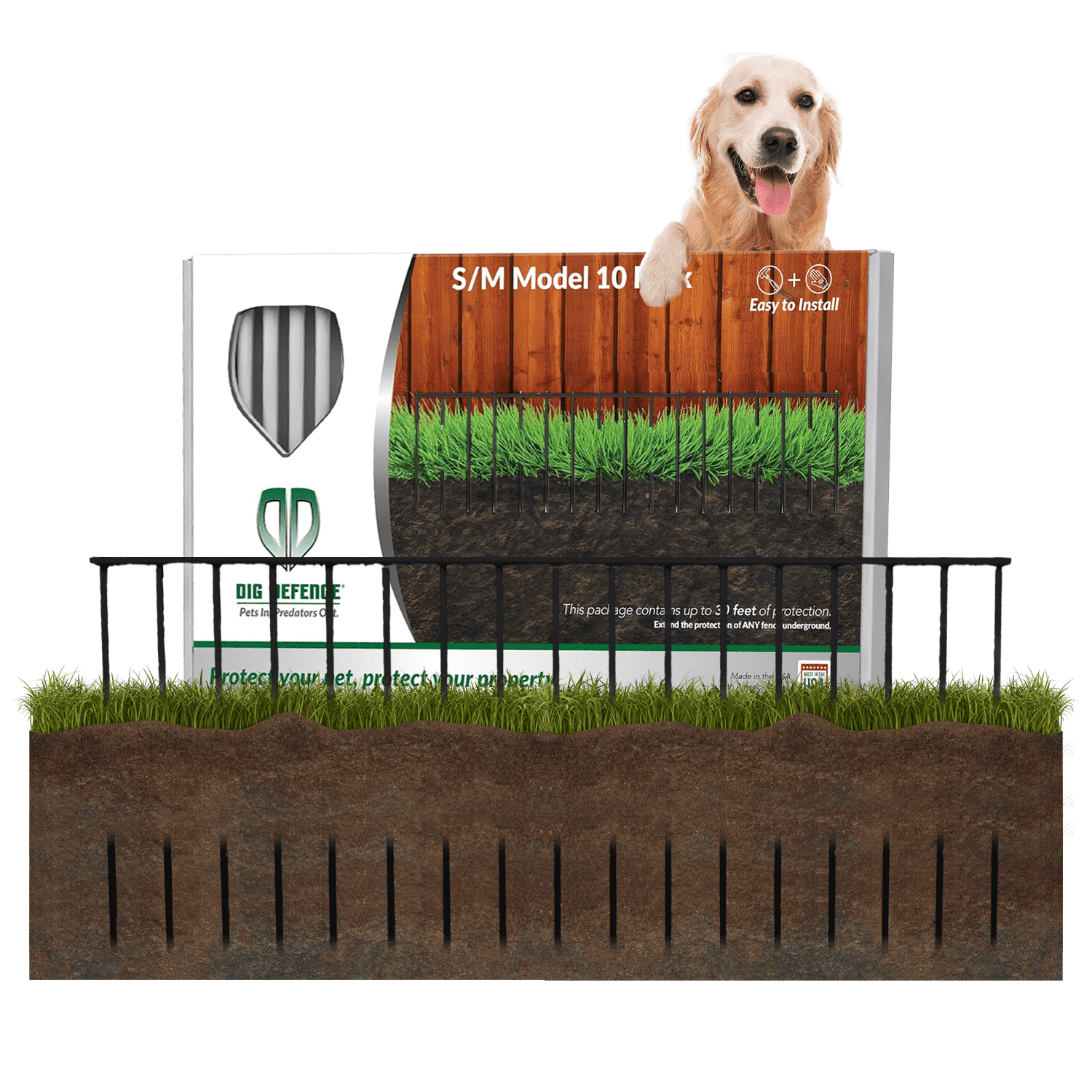
Physical barriers are a simple way to keep dogs out of flower beds. Fencing or garden edging can create a clear boundary your dog can’t cross.
You can also try placing chicken wire or garden mesh just under the soil surface. This makes digging uncomfortable and discourages your dog from trying.
Apply Safe Deterrents
Safe deterrents can help keep dogs away without causing harm. Spraying a mixture of vinegar and water or using commercial pet-safe repellents on your flower beds can make the area less appealing.
Be sure to test any deterrent on a small patch first to avoid damaging your plants. What natural deterrents have you found effective in your garden?
Training Techniques
Training your dog to stop digging in flower beds takes patience and clear communication. The key lies in guiding your pet toward better behaviors rather than just punishing unwanted actions. With focused training techniques, you can help your dog understand what’s acceptable while keeping your garden intact.
Positive Reinforcement
Reward your dog immediately when they avoid digging or engage in acceptable activities. Use treats, praise, or playtime to make good behavior more appealing than digging. Dogs respond best when they clearly link their actions to rewards, so timing is crucial.
Think about the last time you noticed your dog staying away from the flower beds—did you offer a treat or kind word? That positive feedback encourages them to repeat the behavior.
Redirecting Digging Behavior
If your dog loves to dig, provide an alternative digging spot like a sandbox or a designated digging area. When you catch your dog digging in the flower beds, gently guide them to the new spot and encourage digging there instead.
Try adding toys or burying treats in the sandbox to make it more attractive. This way, your dog’s natural digging instincts are satisfied without harming your plants.
Consistent Commands
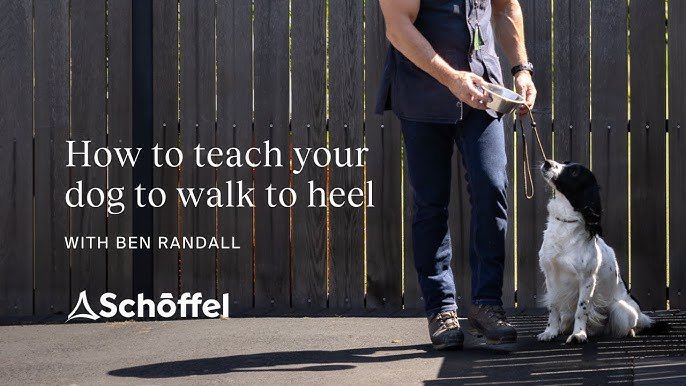
Use simple, clear commands like “No dig” or “Leave it” every time your dog starts digging where they shouldn’t. Consistency helps your dog understand the rules and reduces confusion.
Make sure everyone in the household uses the same commands and enforces the rules. Mixed messages can slow down the training process and frustrate your dog.
Supervised Outdoor Time
Keep an eye on your dog during outdoor playtime, especially in the beginning stages of training. Close supervision lets you catch digging early and correct it before it becomes a habit.
Use a leash or fence to control where your dog can roam. This prevents them from accessing flower beds unsupervised and gives you more control over their behavior.
Plant Selection And Garden Design
Designing your garden with dogs in mind can save you from constant digging headaches. Thoughtful plant choices and smart garden layouts create a space that’s less tempting for your dog to dig. Let’s look at how you can shape your flower beds to keep your furry friend happy and your garden intact.
Choosing Dog-resistant Plants
Some plants naturally discourage dogs from digging due to their texture or scent. Thorny or prickly plants like lavender, rosemary, or thorny roses can act as gentle deterrents. These plants not only add beauty but also create a barrier your dog will think twice about crossing.
Think about using tough, woody plants rather than soft, loose soil-loving flowers. Plants such as ornamental grasses or succulents are harder to uproot and less attractive for digging. Have you noticed how your dog reacts to certain plants? Use that observation to guide your choices.
Using Mulch And Ground Cover
Mulch is a double-edged sword—it keeps soil moist but can invite digging if it’s loose and soft. Opt for coarser mulch like pine cones, gravel, or cocoa shells that discourage paws from digging. Ground covers like creeping thyme or sedum create a living carpet that’s tough to break through.
These layers protect your soil and reduce the temptation for your dog to dig. You might be surprised how a simple change from soft mulch to gravel can transform your flower bed’s resistance to digging.
Raised Flower Beds
Raising your flower beds adds a physical barrier that dogs find harder to access. Beds built with stone, brick, or wood create a clear boundary that your dog can’t easily dig into. Plus, raised beds improve drainage and make garden maintenance easier for you.
Consider your dog’s size and jumping ability when planning the height. A raised bed high enough to discourage digging can save your plants and your patience. Have you tried this approach? It often works better than constant supervision.
Incorporating Hardscape Elements
Hardscape features like stepping stones, decorative rocks, and garden edging break up open soil areas. These elements reduce loose dirt spaces where dogs like to dig. Adding a pathway or rock garden within your flower beds can make the area less inviting for digging.
Hardscapes also add a stylish look to your garden while serving a practical purpose. What if your flower bed doubled as a scenic walkway? This can keep both your dog and your plants happy at the same time.
When To Consult A Professional
Some dogs dig in flower beds despite all training efforts. This behavior can damage your garden and cause frustration. Knowing when to seek expert help is key to solving persistent digging problems effectively.
Persistent Digging Issues
If your dog digs repeatedly, causing harm to plants or soil, professional help might be needed. Persistent digging can indicate deeper issues beyond simple boredom or habit. A professional can assess the situation and suggest lasting solutions.
Behavioral Experts
Dog behaviorists specialize in understanding why dogs act certain ways. They can identify triggers causing your dog to dig. Experts provide training methods tailored to your dog’s needs. This helps change the digging habit gently and effectively.
Veterinary Advice
Sometimes, digging stems from health problems or anxiety. A vet can check if your dog has pain or discomfort. Medical issues may cause restlessness or digging as a coping mechanism. Veterinary advice ensures your dog’s health is not the cause.

Credit: petbarrier.com.au
Frequently Asked Questions
Why Do Dogs Dig In Flower Beds?
Dogs dig in flower beds out of boredom, curiosity, or to find cool soil. It’s a natural behavior but can harm plants and soil structure.
How Can I Stop My Dog From Digging Outside?
Provide regular exercise, mental stimulation, and designated digging areas. Use deterrents like mulch or barriers in flower beds to discourage digging.
What Safe Repellents Keep Dogs From Digging Flower Beds?
Use natural repellents like citrus peels, vinegar, or commercial pet-safe sprays. These smells deter dogs without harming plants or pets.
Can Training Prevent My Dog From Digging In Garden Beds?
Yes, consistent training with commands and rewards helps. Redirect digging behavior to approved areas and reinforce positive habits.
Conclusion
Keeping dogs out of flower beds is possible. Consistent training is key. Use barriers like fences or stones. Offer toys and distractions. Reward good behavior with treats. A happy dog will dig less. Your garden stays beautiful. Your dog stays happy.
Simple solutions work best. With patience, both can thrive. Enjoy your lovely garden and playful pup. Balance is everything.