If you’ve ever seen your dog stressed or anxious in their crate, you know how hard it can be—for both of you. You want your furry friend to feel safe and relaxed, not trapped and worried.
The good news? There are simple, effective ways to help your dog stay calm in their crate. You’ll discover easy steps that make crate time a peaceful and positive experience. Keep reading to learn how to turn the crate into your dog’s favorite cozy spot.

Credit: www.petperspective.com.au
Choosing The Right Crate
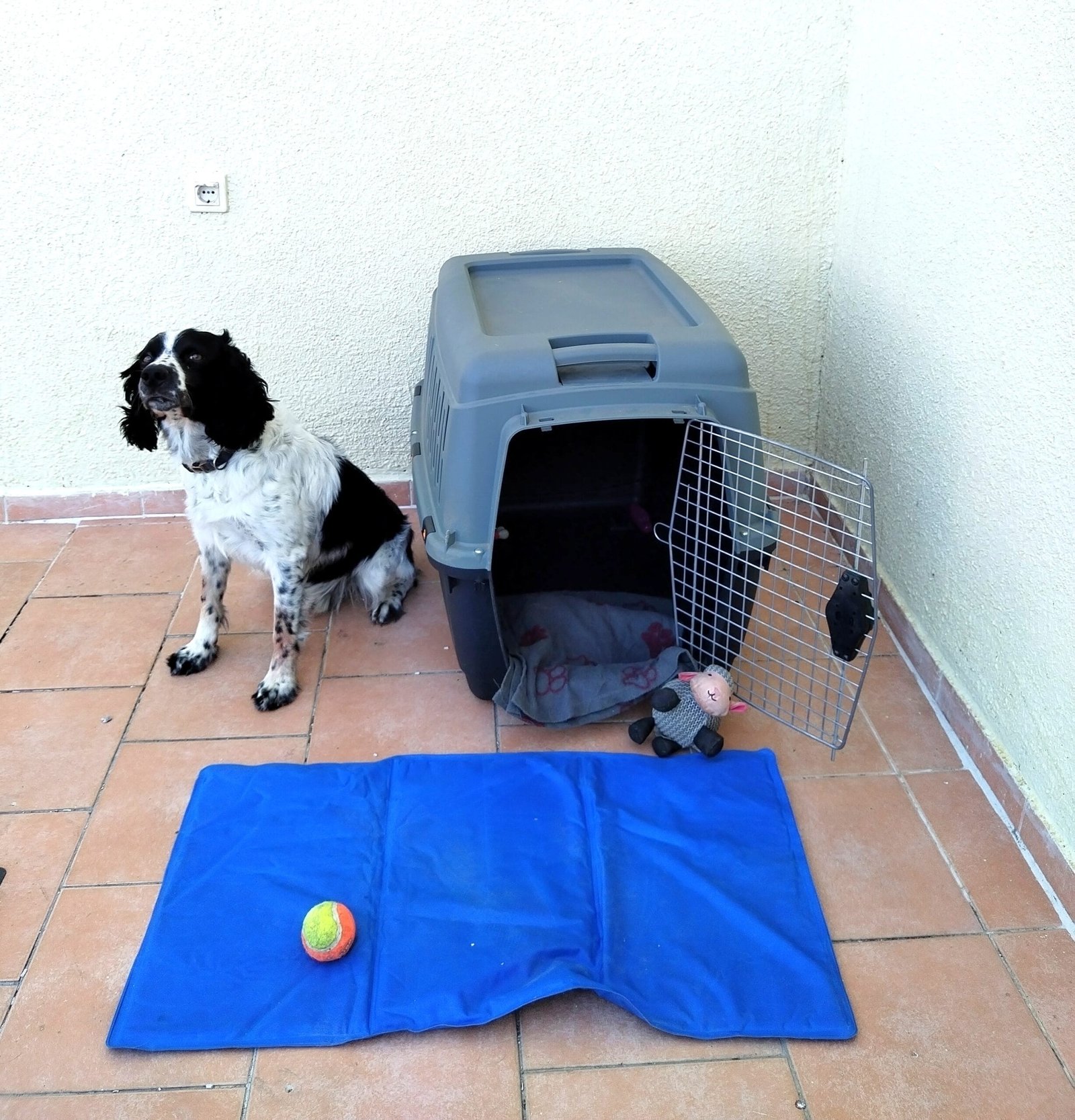
Choosing the right crate helps your dog feel safe and calm. A good crate suits your dog’s size and personality. It should be a cozy space, not too small or too large. The right crate makes crate time pleasant and stress-free.
Size Matters
Select a crate that fits your dog comfortably. Your dog should stand, turn, and lie down inside with ease. A crate too small feels cramped and causes stress. Too big, and your dog might use one corner as a bathroom. Measure your dog’s height and length before buying.
Comfortable Bedding
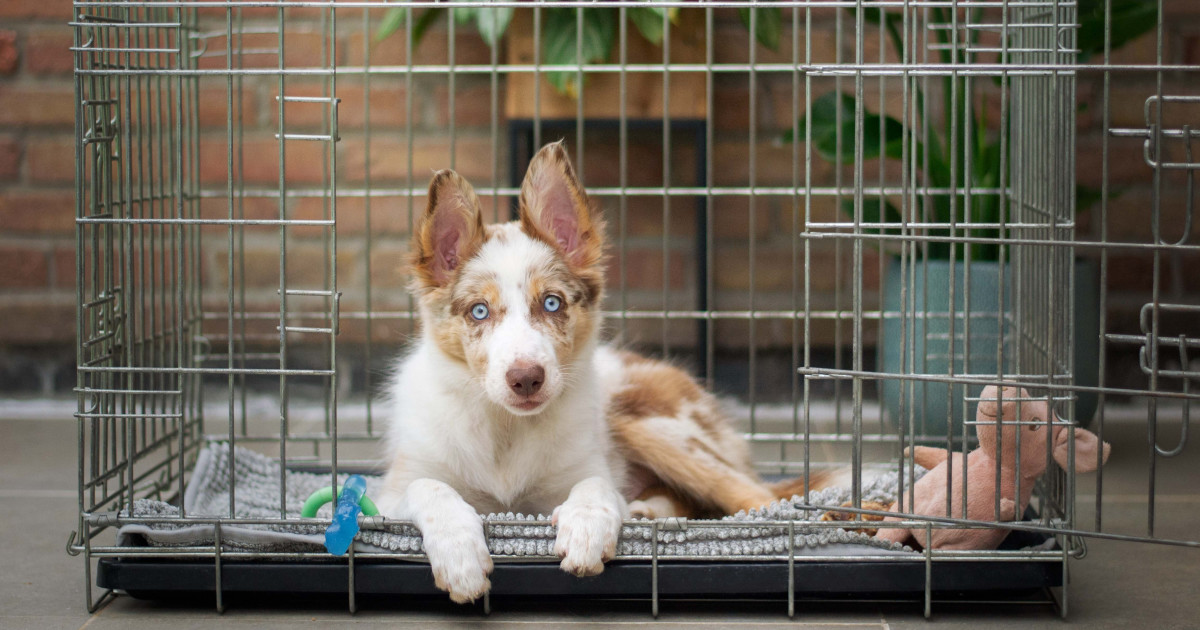
Soft bedding makes the crate inviting and warm. Use a cushion or blanket your dog likes. Avoid materials that slide or bunch up. Change bedding often to keep the crate clean and fresh. A comfy crate encourages your dog to relax and rest.
Proper Ventilation
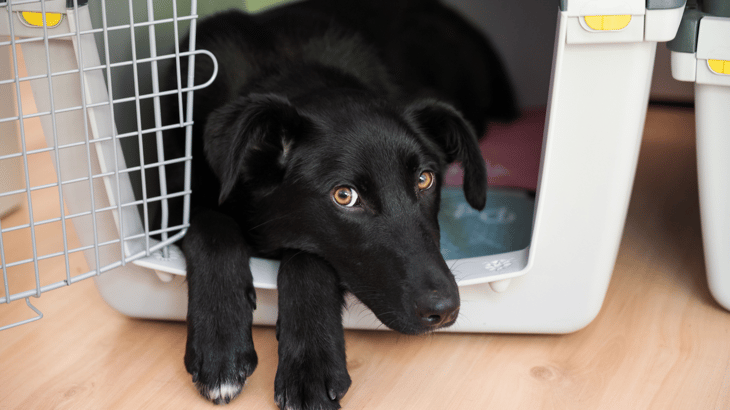
Good airflow keeps the crate cool and safe. Choose a crate with enough openings for air to circulate. Avoid crates that trap heat or feel stuffy. Proper ventilation prevents overheating and helps your dog breathe easily. It makes the crate a pleasant space for your pet.
Credit: www.starwoodpet.com
Creating A Positive Space
Creating a positive space inside your dog's crate transforms it from a simple enclosure into a cozy retreat. This encourages your dog to view the crate as a safe and welcoming area rather than a place of confinement. The goal is to make the crate a spot your dog chooses to spend time in, helping to keep them calm and content.
Using Treats And Toys
Treats and toys can turn the crate into a fun and rewarding place. Offer your dog special treats only when they are inside the crate to build a positive association. Puzzle toys or chew toys keep your dog busy and distracted, reducing anxiety.
Think about what your dog loves most. Does your dog prefer a soft chew or a crunchy treat? Use those to create excitement about going into the crate. Have you noticed how a favorite toy can calm your dog down during stressful moments?
Adding Familiar Scents
Dogs rely heavily on scent to feel comfortable. Adding familiar smells inside the crate can make it feel more like home. Place a blanket or an old t-shirt with your scent inside the crate.
You might also add your dog's favorite bedding that smells like them. This small change can significantly ease their stress. Have you tried swapping the bedding after a few days to keep the scent fresh and comforting?
Establishing A Routine
Routine creates predictability, which helps dogs feel secure. Put your dog in the crate at regular times each day, such as after meals or during quiet periods. This signals to your dog that the crate is part of their daily rhythm.
Try to keep crate sessions consistent in length and timing. Does your dog respond better to shorter, frequent crate times or longer, less frequent ones? Watching your dog’s reaction will guide you to the best routine.
Gradual Crate Training
Gradual crate training is the key to helping your dog feel safe and relaxed inside their crate. It’s about building positive associations and trust step by step. Rushing the process can cause stress and resistance, so pacing yourself is important.
Short Sessions First
Start by introducing your dog to the crate for just a few minutes at a time. Leave the door open initially so they don’t feel trapped. You might toss in a favorite toy or treat to spark their curiosity.
Notice how your dog reacts. If they seem comfortable, try closing the door briefly while you stay nearby. This small change helps them get used to the idea without feeling isolated.
Increasing Crate Time
Once your dog accepts short crate stays, slowly increase the time they spend inside. Add a few minutes each day, but watch for signs of anxiety like whining or pawing. If these appear, pause or reduce the duration to keep your dog calm.
Try leaving the room for short periods while your dog is crated. This encourages independence and shows them the crate is a safe space even when you’re not around. How long can your dog stay relaxed alone?
Rewarding Calm Behavior
Always reward your dog for being calm in the crate. Use treats, gentle praise, or petting to reinforce that good things happen when they stay quiet and relaxed. Avoid opening the door during whining—it can teach your dog that noise gets them out.
Consistency matters. Celebrate small wins and be patient with setbacks. Your calm and positive response tells your dog the crate is their personal haven.
Managing Anxiety And Stress
Managing anxiety and stress in a crate helps your dog feel safe and relaxed. Stress can make crate time uncomfortable and cause negative habits. Creating a calm environment lowers fear and restlessness. Using simple techniques can ease your dog's mind and body. A calm dog stays quiet and trusts the crate as a cozy space.
Calming Aids And Products
Calming aids can reduce anxiety quickly and safely. Products like calming sprays with natural scents soothe your dog. Soft blankets or a favorite toy provide comfort inside the crate. Some dogs respond well to anxiety wraps or vests. These items create a secure feeling and reduce nervousness.
Soothing Sounds And Music
Sounds influence your dog's mood significantly. Playing soft classical music or white noise masks outside distractions. Special playlists made for dogs can lower heart rates and calm nerves. Keep the volume low and steady for the best effect. Silence or sudden noises may increase stress instead.
Exercise Before Crate Time
Physical activity helps your dog relax naturally. A walk or play session uses up extra energy. Tired dogs settle faster and stay calm in the crate. Exercise also releases feel-good hormones that reduce anxiety. Plan crate time after active moments for better results.
Avoiding Common Mistakes
A crate can be a safe space for your dog. Avoiding common mistakes helps keep it that way. Many owners make simple errors that cause stress. Fixing these issues creates a calm, happy dog inside the crate.
Not Using The Crate As Punishment
Never use the crate to punish your dog. It must feel like a safe place, not a jail. If the dog fears the crate, it will resist going inside. Use treats, toys, and praise to create positive feelings. A happy dog enters the crate without fear.
Ignoring Signs Of Distress
Watch your dog carefully for signs of stress. Whining, scratching, or pacing means discomfort. Do not leave the dog in the crate too long. Respond quickly to signals and make changes. Comfort and reassurance help your dog relax.
Overusing The Crate
Limit crate time to avoid boredom and anxiety. Dogs need exercise, play, and social time outside. Long hours in the crate cause frustration and restlessness. Use the crate only for naps, bedtime, or short breaks. Balance crate time with activity and attention.
When To Seek Professional Help
Knowing when to seek professional help is crucial if your dog struggles with staying calm in their crate. Sometimes, your best efforts might not be enough, especially if the anxiety runs deep. Recognizing the signs early and involving experts can make a significant difference in your dog’s comfort and well-being.
Recognizing Severe Anxiety
Not all crate discomfort is the same. If your dog shows extreme behaviors like nonstop barking, destructive chewing, or attempts to escape that cause injury, these are red flags. You might notice trembling, excessive drooling, or even loss of appetite after crate time.
Ask yourself: Is your dog’s reaction more intense than just simple restlessness? Severe anxiety often needs more than just patience and treats. Identifying these signs early helps prevent long-term stress for your pet.
Working With Trainers
Professional trainers bring experience that can tailor solutions to your dog’s unique needs. They can observe your dog’s behavior and suggest specific crate training techniques that you might not know. Trainers often use positive reinforcement methods that encourage calm behavior effectively.
Imagine having a guide who shows you exactly how to reward your dog’s calm moments or how to gradually increase crate time without stress. This hands-on support can speed up your dog’s adjustment and make crate time a peaceful experience for both of you.
Considering Veterinary Advice
Sometimes, anxiety isn’t just about behavior—it can be linked to health issues. A vet can rule out physical causes like pain or neurological problems that might make crate time unbearable. They can also recommend medications or supplements to ease anxiety if necessary.
Don’t hesitate to bring your concerns to a vet, especially if your dog’s anxiety worsens or doesn’t improve with training. Your dog’s health and comfort come first, and professional medical advice can be a game-changer in managing crate anxiety.
Credit: pethelpful.com
Frequently Asked Questions
How Can I Make My Dog Comfortable In A Crate?
Use soft bedding and familiar toys to create a cozy space. Keep the crate in a quiet area to reduce stress. Gradually introduce your dog to the crate with positive reinforcement and treats.
What Are The Best Calming Techniques For Crate Training?
Practice short, frequent crate sessions and reward calm behavior. Use calming sprays or pheromone diffusers designed for dogs. Play soothing music to help your dog relax inside the crate.
How Long Should A Dog Stay In A Crate Calmly?
Limit crate time to 1-2 hours for puppies and up to 4 hours for adult dogs. Avoid leaving your dog in the crate too long to prevent anxiety and discomfort.
Can Exercise Help Keep A Dog Calm In A Crate?
Yes, regular exercise helps reduce excess energy and stress. A tired dog is more likely to relax and stay calm while crated.
Conclusion
Helping your dog feel calm in a crate takes patience. Start with short crate times. Gradually increase as your dog adjusts. Offer comforting toys or blankets. Maintain a routine to build trust. Speak softly to soothe their anxiety. Your calm demeanor reassures them.
Remember, every dog is different. What works for one, may not work for another. Be patient and attentive. Consistent efforts lead to a happier, calmer pet. A peaceful crate experience strengthens your bond. Stay committed to your dog's comfort. You'll see positive changes with time.
Your love and care make all the difference.