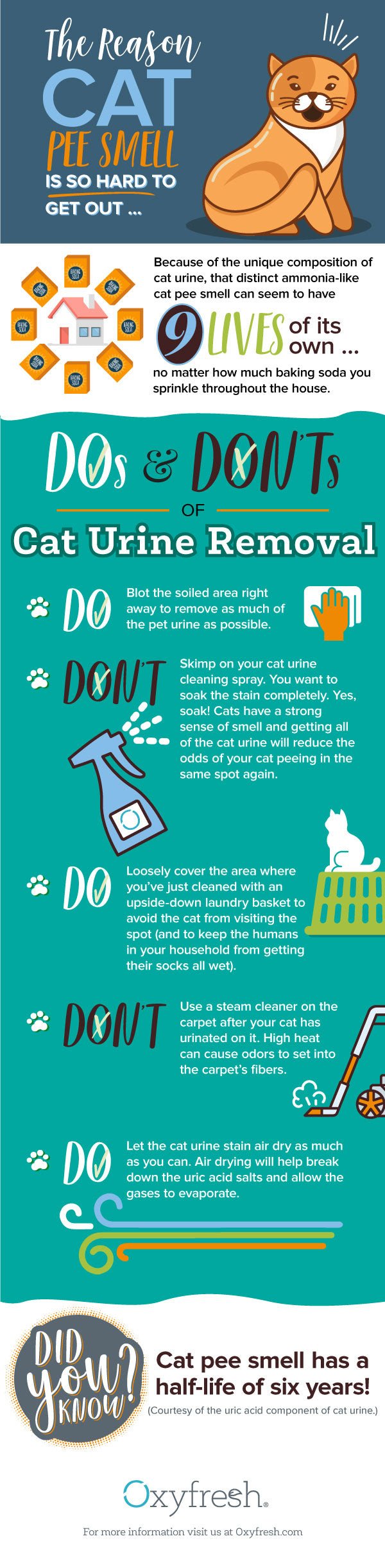
If you have a cat, you know that a smelly litter box can quickly turn your home into an unpleasant place. The good news?
You don’t have to put up with that smell. You can keep your cat’s litter box fresh and odor-free with simple, effective steps. Imagine walking into your home without that sharp, unwanted scent greeting you. You’ll discover easy tips and tricks to stop the stink before it starts.
Ready to make your space cleaner and more comfortable for you and your furry friend? Let’s dive in.
Credit: stinkfree.com
Choose The Right Litter
Choosing the right litter plays a big role in keeping a cat litter box fresh. The right litter can trap odors and make cleaning easier. Cats also prefer certain types of litter, so comfort matters too. Picking a litter that fits your cat's needs helps reduce bad smells.
Clumping Vs Non-clumping
Clumping litter forms solid clumps when wet. This makes scooping urine and waste simple. It helps keep the box dry and odor-free longer. Non-clumping litter absorbs moisture but does not form clumps. It may need more frequent changing to avoid smells. Clumping litter often works best for odor control and easy cleaning.
Odor-control Litter Types
Many litters have odor-control features. Some include baking soda to neutralize smells. Others use activated charcoal or silica gel crystals. These materials trap and block bad odors. Scented litters mask smells but might bother sensitive cats. Unscented, odor-absorbing litters usually suit most cats better.
Natural And Eco-friendly Options
Natural litters use materials like corn, wheat, or pine. These are biodegradable and safe for the environment. They often control odor well and clump too. Some cats prefer natural scents over chemical ones. Eco-friendly litters are a great choice for green households.
Optimal Litter Box Placement
Finding the right spot for your cat’s litter box makes a big difference in controlling odors. Placement affects airflow, moisture, and how comfortable your cat feels using it. A well-chosen location helps keep the area fresh and encourages your cat to use the box consistently.
Avoiding Humid Areas
Humidity makes litter damp, which increases smell and clumps stick to the box more. Avoid placing the litter box in bathrooms or laundry rooms where steam and moisture build up. Instead, pick a dry spot with low humidity to keep the litter dry and odor at bay.
Ensuring Good Ventilation
Proper airflow helps disperse odors quickly. Place the litter box near a window or in a room with a fan or air circulation. Ventilation doesn’t mean your cat needs a draft; gentle air movement is enough to reduce stench without making your cat uncomfortable.
Privacy For Your Cat
Cats prefer privacy when using their litter box, which can reduce stress and avoid accidents outside the box. Choose a quiet corner or a low-traffic room where your cat feels safe. Have you noticed your cat avoiding the box? Privacy might be the missing piece to keep both odor and accidents down.
Regular Cleaning Routine
Keeping your cat’s litter box fresh starts with a solid regular cleaning routine. Consistency is key to stopping odors before they start. This routine involves simple daily and weekly habits that prevent buildup and keep your home smelling clean.
Daily Scooping Tips
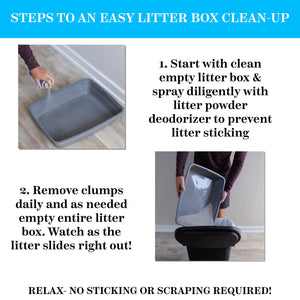
Scooping out clumps every day is one of the easiest ways to keep the litter box from smelling. Don’t wait until the box looks dirty—removing waste promptly cuts down on odor dramatically.
Use a sturdy scoop with slotted holes to get every bit of clump out. If you have multiple cats, scoop at least twice a day to stay ahead of any smell. You might find that scooping first thing in the morning and right before bed works well.
Weekly Deep Cleaning
Even with daily scooping, a weekly deep clean is essential. Empty all the litter, scrub the box with mild soap and warm water, and dry it thoroughly before adding fresh litter.
Avoid harsh chemicals that could irritate your cat or leave a scent they dislike. I once skipped this step, and the litter box developed a persistent smell that regular scooping couldn’t fix. After deep cleaning, you’ll notice a big improvement.
Proper Litter Replacement
Changing out the litter completely at least once a week helps maintain a fresh environment. Don’t just top off with new litter—removing the old prevents odor buildup and bacterial growth.
If your cat is picky, try mixing a small amount of the old litter with the new to ease the transition. Also, using high-quality clumping litter with odor control can reduce how often you need to replace it.
Use Of Odor Absorbers
Keeping your cat’s litter box smelling fresh can feel like a never-ending challenge. Odor absorbers offer a simple and effective way to reduce unpleasant smells without harsh chemicals. They work by trapping and neutralizing odors, letting you maintain a cleaner, more pleasant home environment.
Baking Soda Benefits
Baking soda is a classic odor absorber that you probably already have in your kitchen. Sprinkling a thin layer of baking soda under the litter can help absorb urine smells before they spread.
It’s safe for cats and inexpensive, making it a popular choice among pet owners. Have you noticed how baking soda freshens your fridge? The same principle applies here, helping to keep the litter box area fresher for longer.
Activated Charcoal Options
Activated charcoal is another powerful option for neutralizing litter box odors. It traps odor-causing molecules, preventing them from escaping into your room.
You can find charcoal filters designed specifically for litter boxes or use charcoal bags placed nearby. Think about how charcoal is used in air purifiers—this natural material works quietly but efficiently to improve air quality around your cat’s space.
Commercial Deodorizers
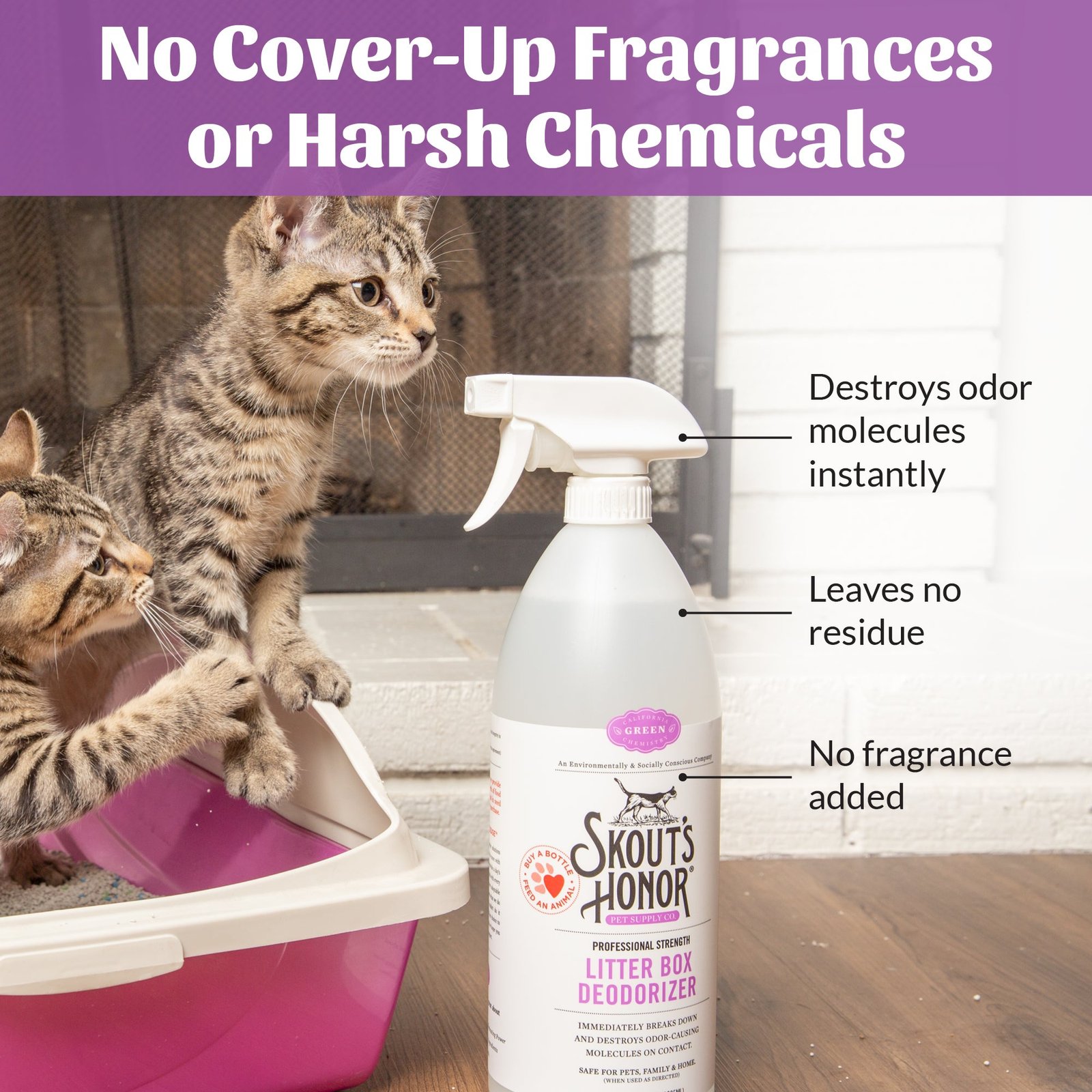
If you prefer a ready-made solution, commercial deodorizers offer convenience and variety. Many products come in powders, sprays, or granules that are safe for pets and target specific odors.
Look for formulas that are free from harsh chemicals and fragrances that might bother your cat. Have you tried one yet? Sometimes a quick spray or sprinkle can make a noticeable difference in controlling persistent smells.
Litter Box Maintenance Tricks
Keeping your cat’s litter box fresh is easier than you think once you master a few simple maintenance tricks. These tricks not only reduce odors but also make the cleaning process faster and less stressful. Let’s dive into practical ways you can keep your cat’s space smelling clean and looking tidy every day.
Liner Usage And Care
Using a liner can help protect the litter box and make cleaning quicker. Choose a sturdy, tear-resistant liner that fits your box well to avoid leaks and spills. Replace the liner each time you change the litter to prevent lingering smells.
Be cautious with scented liners, as some cats dislike the artificial fragrances and may avoid the box. If your cat is sensitive, opt for unscented liners or none at all. Remember, a clean liner supports better hygiene and helps contain messes effectively.
Preventing Litter Tracking
Litter tracking can spread odors and mess far beyond the box area. Place a textured mat just outside the litter box to catch stray litter from your cat’s paws. These mats are easy to clean and stop particles from scattering across your floors.
Regularly check and sweep the area around the box to remove tracked litter quickly. Consider using a low-dust litter to reduce the amount of dust your cat kicks up and tracks through your home. Have you noticed your cat’s favorite litter type affects how much mess they make outside the box?
Cleaning The Surrounding Area
Odors don’t just come from the litter box; the area around it matters too. Wipe down walls, baseboards, and floors near the box with pet-safe cleaners weekly to eliminate hidden smells. A clean environment encourages your cat to keep using the box.
Keep the litter box in a well-ventilated spot to help odors dissipate faster. Avoid cramped or enclosed spaces that trap smells and make your cat uncomfortable. How often do you check the hidden corners around your cat’s box for spills or accidents?

Credit: www.skoutshonor.com
Addressing Cat Health Issues
Keeping your cat’s litter box fresh isn’t just about cleaning routines—it’s also about understanding your cat’s health. Sometimes, persistent odors can signal underlying health issues that need attention. By paying close attention to your cat’s behavior and waste, you can catch problems early and keep the litter box smelling better.
Recognizing Urinary Problems
Have you noticed your cat spending more time in the litter box or straining to urinate? These could be signs of urinary tract infections or blockages, which affect the smell and your cat’s comfort. Changes in urine color or consistency are also red flags.
Ignoring these signs can lead to serious complications. When your cat’s urine has a strong, unusual odor, it might indicate an infection. Act quickly to prevent worsening health and litter box odor.
Diet And Hydration Effects
Your cat’s diet directly impacts the smell of their waste. Foods high in protein or certain additives can make urine smell stronger. Have you tried adjusting your cat’s food to see if it improves the litter box odor?
Hydration plays a crucial role too. Cats that drink less water tend to have more concentrated urine, which smells stronger. Adding wet food or encouraging water intake can soften odors and help your cat stay healthy.
When To Consult A Vet
If you’ve tried everything and the litter box still smells bad, it’s time to get professional advice. Persistent odors combined with changes in your cat’s behavior or bathroom habits need a vet’s attention.
Don’t wait for obvious signs of illness. Early vet visits can catch problems before they become serious and save you from constant odor battles. How often do you evaluate your cat’s health in relation to litter box maintenance?
Upgrading Your Litter Box
Upgrading your litter box can make a huge difference in controlling odors and keeping your home fresh. The right litter box isn’t just about size or shape—it’s about features that actively help reduce smell and make cleaning easier. You might be surprised at how small changes in design and material can transform your cat’s bathroom habits and your living space.
Self-cleaning Litter Boxes
Self-cleaning litter boxes take the hassle out of daily scooping. These boxes automatically rake waste into a sealed compartment, which helps trap odors before they spread. If you’re tired of the constant chore, investing in one can save time and keep smells under control.
However, not all models are the same. Some use sensors to detect when your cat leaves, while others operate on a timer. Consider your cat’s comfort—some cats may be wary of noise or movement. Have you noticed if your cat avoids certain boxes? This might be a good solution if they adapt well.
Covered Vs Open Designs
Choosing between a covered or open litter box affects both odor control and your cat’s comfort. Covered boxes trap smells better but can sometimes concentrate odors inside, making the air stale when you open the lid. Open boxes allow for better airflow, reducing trapped smells but can let odors spread more easily.
Think about your cat’s preferences too. Some cats feel trapped in covered boxes, while others prefer the privacy they offer. Try observing your cat’s behavior—do they hesitate to enter a covered box? You might want to experiment with both styles to find the best fit.
Size And Material Considerations
The size of the litter box matters more than you might think. A cramped box can cause accidents outside it and increase odor buildup. Aim for a box that is at least one and a half times the length of your cat from nose to tail.
Material also plays a role in odor control and cleaning ease. Plastic boxes are common, but some high-quality materials resist staining and odor absorption better. You might notice that cheaper plastics retain smells even after thorough cleaning, so upgrading to a sturdier box can help.
Have you tried different sizes or materials before? Sometimes a simple change like a larger, smoother-surfaced box can reduce smells dramatically and make your cleaning routine easier.

Credit: www.skoutshonor.com
Frequently Asked Questions
How Often Should I Clean My Cat Litter Box?
Clean the litter box at least once daily to reduce odors. Scoop waste daily and replace the litter fully every 1-2 weeks for freshness.
What Type Of Litter Controls Odor Best?
Clumping clay litter with activated charcoal or baking soda helps absorb moisture and neutralize smells effectively. Choose unscented varieties for sensitive cats.
Can Litter Box Location Affect Odor Control?
Yes, place the litter box in a well-ventilated, low-traffic area. Proper airflow helps prevent odor buildup and keeps your home smelling fresh.
Does Regular Washing Help Reduce Litter Box Smell?
Absolutely. Wash the litter box with mild soap and warm water weekly. Avoid harsh chemicals that can deter your cat from using it.
Conclusion
A clean litter box makes for a happy cat. Regular cleaning helps control odors. Use quality litter and scoop daily. Baking soda can reduce smells. Place the box in a well-ventilated area. This keeps the air fresh. Cats appreciate a tidy space.
An odor-free box benefits everyone. Simple steps lead to great results. Keep your home smelling pleasant. Your cat will thank you. Remember, consistency is key. Enjoy a fresher environment.