Are you tired of cleaning up unexpected messes in your home? Imagine having a dog that knows exactly where to go, making your life easier and your bond stronger.
House training your dog in just 7 days might sound too good to be true, but with the right steps, it’s completely possible. In this guide, you’ll discover simple and effective methods that anyone can follow. Ready to transform your dog’s behavior and enjoy a cleaner, happier home?
Let’s get started.
Preparing For Training
Preparing your home and mindset before starting house training can make a huge difference. It sets clear boundaries for your dog and gives you confidence throughout the process. Taking time to get ready helps avoid common frustrations and speeds up progress.
Choosing The Right Supplies
Gather everything your dog will need for training before you begin. Essential items include:
- Crate or playpen:Helps control your dog’s space and prevents accidents.
- Pee pads or training mats:Useful if you plan to start indoors.
- Cleaning products:Enzyme-based cleaners remove odors to stop repeat accidents.
- Treats and rewards:Choose small, tasty treats to reinforce good behavior.
Have these supplies ready and within reach so you can respond quickly when your dog needs to go. Have you noticed how fast a dog picks up habits when you reward immediately?
Setting Up A Designated Bathroom Area
Pick a specific spot outside where you want your dog to relieve itself. This makes it easier for your dog to associate that area with bathroom breaks.
Make sure it’s quiet and free from distractions, so your dog stays focused. If you have a yard, a corner with grass works well. For apartment dwellers, a balcony or nearby patch of grass is perfect.
Keep this area consistent throughout the training. Have you thought about how your dog’s comfort with the spot affects their success?
Establishing A Routine
Dogs thrive on routine, and setting fixed times for meals, play, and bathroom breaks helps their bladder control improve quickly.
Take your dog to the designated bathroom area first thing in the morning, after meals, after naps, and before bedtime.
Stick to this schedule strictly for the 7-day training period. You’ll notice your dog starts to anticipate bathroom breaks, which makes accidents less likely. How might a steady routine reduce your stress during training?
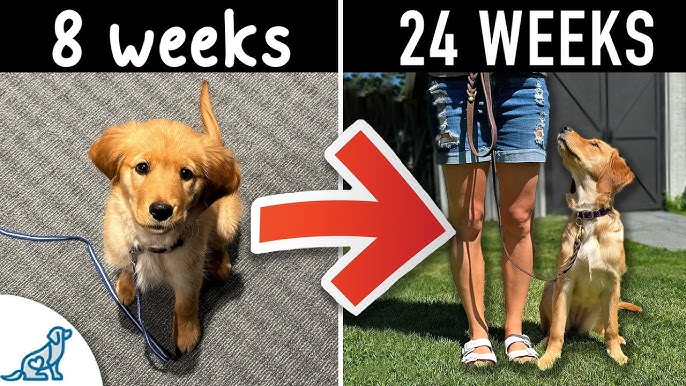
Credit: m.youtube.com
Day 1: Introducing The Bathroom Spot
Day 1 of house training sets the foundation for your dog's bathroom habits. Choosing a specific bathroom spot is essential. This spot becomes your dog's go-to place for relieving itself. Consistency helps your dog understand where to go. Start by taking your dog to this spot often. Observe your dog’s signals that it needs to go. Patience is key as your dog learns this new routine.
Taking Your Dog Outside Frequently
Take your dog outside every one to two hours. Also take it out after eating, drinking, or waking up. Frequent trips help prevent accidents inside the house. Use the same route to the bathroom spot each time. This repetition builds a clear connection in your dog's mind. Watch for signs like sniffing or circling. These clues show your dog needs to go out.
Using Commands And Praise
Use a simple command like “go potty” at the bathroom spot. Say the command calmly and clearly every time you go out. When your dog goes in the right spot, praise it immediately. Use happy words and gentle petting to reward good behavior. Positive feedback encourages your dog to repeat the action. Avoid punishment; it can create fear and confusion.
Day 2: Monitoring And Timing
Day 2 of house training focuses on careful monitoring and perfect timing. Watching your dog's behavior closely helps catch the right moments to take them outside. Timing their trips outside with their natural schedule builds good habits fast. This step sets the foundation for successful house training in just a week.
Watching For Signs
Dogs give clear signals before needing to go out. Look for these common signs:
- Sniffing the floor or walls
- Circular pacing
- Whining or barking
- Sudden restlessness
- Heading toward the door
Notice these signs right away. Take your dog outside immediately. This helps them connect the feeling with going outdoors.
Keeping A Feeding Schedule
Regular meal times create a predictable bathroom routine. Feed your dog at the same times every day. This controls when they need to relieve themselves.
Try this feeding schedule:
| Time | Activity |
|---|---|
| 7:00 AM | Breakfast |
| 12:00 PM | Lunch or snack |
| 6:00 PM | Dinner |
After each meal, take your dog outside within 15-30 minutes. This timing increases chances of success. Keep this routine steady to build good habits.
Day 3: Increasing Outdoor Time
Day 3 focuses on increasing the time your dog spends outdoors. This step helps your dog learn where to go potty and builds good habits. It also gives your dog more chances to explore and get fresh air.
Extending Bathroom Breaks
Start by lengthening each outdoor bathroom break by a few minutes. This gives your dog more time to find the right spot. Stay calm and patient during these breaks. Avoid rushing your dog. Watch for signs like sniffing or circling. These show your dog needs to go. If your dog does not go, try again after a short walk. Keep a regular schedule for these outings.
Reinforcing Positive Behavior
Praise your dog immediately after they go outside. Use treats or gentle words to reward good potty behavior. This helps your dog connect going outside with positive results. Avoid punishment if accidents happen indoors. Instead, clean the area and guide your dog back outside. Consistent rewards teach your dog the right place to go. Keep training sessions short and positive.
Day 4: Managing Accidents
Day 4 of house training focuses on managing accidents, an inevitable part of teaching your dog proper bathroom habits. How you handle these moments sets the tone for your dog’s learning process and your ongoing relationship. Staying calm and proactive helps your dog understand expectations without fear or confusion.
Cleaning Techniques
Cleaning up accidents quickly is crucial to prevent your dog from returning to the same spot. Use an enzymatic cleaner designed specifically for pet messes; it breaks down odors that regular cleaners miss. Avoid ammonia-based products since they smell similar to urine and can encourage repeat accidents.
Make sure to blot the area first to soak up as much liquid as possible. Then apply the cleaner generously and let it sit for a few minutes before wiping. This thorough approach helps remove all traces of scent.
Avoiding Punishments
It’s tempting to scold your dog after an accident, but punishment can cause fear and anxiety. Instead, focus on positive reinforcement when your dog goes in the right place. This encourages good behavior more effectively than punishment ever will.
Ask yourself: how would you feel if you were punished for a mistake you didn’t understand? Dogs need guidance, not fear. Redirect your dog calmly to the designated potty spot and praise them when they use it correctly.
Day 5: Building Consistency
Day 5 focuses on building consistency in your dog's house training routine. Consistency helps your dog understand what is expected. It also reinforces good habits. At this stage, sticking to a schedule and tracking progress are key. These actions keep training on the right track and help spot areas to improve.
Tracking Progress
Keep a daily record of your dog's bathroom habits. Note the times your dog goes outside and any accidents. Use a simple chart or notebook to track this. Tracking shows patterns in your dog's behavior. It helps identify the best times for bathroom breaks.
Look for improvements and setbacks. Celebrate small wins to stay motivated. Tracking progress makes training clear and manageable.
Adjusting The Schedule
Use your progress notes to adjust the bathroom schedule. If accidents happen often at certain times, add more breaks then. Shorten or lengthen time between breaks based on your dog's needs. A flexible schedule helps your dog succeed.
Stick to the updated routine every day. Consistent timing trains your dog’s bladder control. Be patient as your dog learns the new rhythm.
Day 6: Encouraging Independence
Day 6 is all about helping your dog become more independent while still keeping the house training on track. At this stage, your pup should start feeling confident managing short periods without constant supervision. The goal is to build trust in their ability to hold their bladder and make good choices when you're not right by their side.
Reducing Supervision
Gradually give your dog more freedom by stepping back a little. Instead of watching every move, try allowing them to explore a safe, confined space alone for short times. This helps them learn self-control and reduces anxiety about being left alone.
You might find that your dog tests limits once you pull back. Stay consistent with your rules and gently guide them back when needed. Do you notice any patterns in when your dog tries to sneak off to potty? Observing this can help you anticipate and prevent accidents.
Using Crate Training
Crate training remains a powerful tool on Day 6. A crate offers a cozy den where your dog can relax and feel secure without constant supervision. It also encourages them to hold their bladder because dogs naturally avoid soiling their sleeping area.
Try leaving your dog in the crate for gradually longer periods during the day. Always make the crate a positive place by adding toys and treats. Have you noticed how your dog’s behavior changes when they get accustomed to the crate? Many dogs become calmer and more confident.
Day 7: Finalizing The Routine
Day 7 marks the crucial moment when your dog’s house training routine becomes a natural part of daily life. You’ve guided your dog through consistent schedules and positive reinforcement. Now, it’s time to solidify these habits and celebrate the progress you both have made.
Celebrating Success
Recognize your dog's achievements with genuine praise and small rewards. Dogs respond well to positive attention, which encourages them to repeat good behavior.
Take a moment to reflect on how far you've both come. Has your dog started signaling when they need to go outside? These small wins are worth celebrating.
Sharing your success with friends or family can also boost your motivation to keep the routine steady. Have you tried snapping a photo or jotting down milestones? These reminders keep you focused on progress.
Maintaining Good Habits
Consistency is key to making house training permanent. Stick to the feeding and potty schedule even after Day 7 to avoid confusion.
Keep an eye on your dog’s behavior. If accidents happen, don’t punish—use it as a signal to adjust your routine or timing.
- Continue taking your dog out frequently, especially after meals and naps.
- Use the same command words you’ve introduced, so your dog stays clear about what’s expected.
- Keep rewarding good behavior to reinforce the habit.
What adjustments can you make if your dog seems uncertain? Maybe slightly more frequent trips outside or a different potty spot could help. Remember, house training is a dynamic process that adapts to your dog’s needs.
Troubleshooting Common Issues
House training a dog can bring challenges. Sometimes, even after progress, problems pop up. Knowing how to troubleshoot helps keep training on track. Understanding common issues stops frustration and makes the process smoother.
Handling Regression
Dogs may forget training and have accidents. This is called regression. It can happen due to stress, changes at home, or illness. Stay calm and patient. Avoid punishment; it confuses your dog.
Return to basics. Increase bathroom breaks and watch your dog closely. Praise every success. Use a consistent schedule for feeding and potty times. Clean accidents with enzyme cleaner to remove smells. This stops repeat accidents in the same spot.
When To Seek Professional Help
Some issues need expert advice. If accidents continue despite your efforts, ask a trainer or vet. They can check for health problems or behavior issues. Trainers offer tailored advice and support. Early help prevents bigger problems later.
Choose a professional who uses positive methods. Avoid harsh punishments or fear-based training. A good expert guides you and your dog with kindness and skill.

Credit: www.doodledoggies.co.uk

Credit: www.youtube.com
Frequently Asked Questions
How Long Does House Training A Dog Usually Take?
House training a dog typically takes about 7 days with consistent effort. Daily routines and positive reinforcement speed up learning. Patience is essential, as every dog learns at its own pace. Consistency helps your dog understand where to relieve itself quickly.
What Is The Best Method To House Train A Puppy?
The best method combines crate training and scheduled potty breaks. Use praise and treats when your puppy goes outside. Keep a consistent feeding and bathroom schedule. Avoid punishment, as it can cause fear and confusion. This approach builds trust and fast learning.
How Often Should I Take My Dog Outside To Potty?
Take your dog outside every 2-3 hours during house training. Also, take them after meals, naps, and playtime. Frequent outdoor breaks reduce accidents inside the house. Consistency helps your dog learn the correct bathroom spot quickly.
Can House Training Work For Older Dogs Too?
Yes, older dogs can be house trained with patience and routine. Use the same techniques: consistent potty breaks and positive reinforcement. Older dogs may need more time but can learn new habits. Avoid punishment and be patient during the process.
Conclusion
Training a dog in seven days is achievable with patience. Consistency is your best friend during this journey. Stick to a routine, and your pup will learn quickly. Praise and rewards motivate dogs effectively. Accidents will happen, and that's okay.
Stay calm and continue training. Your effort will pay off with a well-behaved dog. Remember, every dog learns differently. Adjust your approach as needed. Celebrate small victories daily. Soon, you'll see progress and enjoy a happy, trained dog. Keep up the great work! Your bond with your dog will grow stronger each day.