Does your cat transform into a furry whirlwind at the mere sight of water? You're not alone.
Many cat owners dread bath time, especially when their feline friend has a strong aversion to getting wet. But fear not! There are ways to make this daunting task a little less stressful for both you and your kitty. Imagine a bath time where your cat feels calm and you feel in control.
Sounds like a dream, right? In this guide, we'll unravel the secrets to giving your water-hating cat a bath without the drama. By understanding your cat's fears and using a few clever tricks, you'll be able to turn bath time into a more peaceful experience. Ready to discover how? Keep reading, and let’s dive into the world of cat-friendly baths.
Credit: pethelpful.com
Preparing Your Cat For Bath Time
Giving a bath to a cat that hates water needs careful preparation. The right setup helps keep your cat calm. Taking time to prepare also makes the bath easier for you.
Getting your cat ready means choosing a good spot, having all supplies close, and grooming your cat first. Each step reduces stress and avoids surprises during bath time.
Choosing The Right Location
Pick a small, quiet space for the bath. A bathroom or laundry room works well. Use a sink or a small tub to keep your cat secure. Avoid slippery surfaces by placing a towel or mat inside the tub. Keep the room warm to make your cat comfortable.
Gathering Necessary Supplies
Have everything ready before you start. This helps the bath go smoothly. Gather cat shampoo, a cup for rinsing, towels, and a brush. Use lukewarm water; not too hot or cold. Keep treats nearby to reward your cat during and after the bath.
Trimming Nails And Brushing Fur
Trim your cat’s nails carefully to prevent scratches. This step makes handling easier. Brush your cat’s fur to remove loose hair and tangles. A clean coat helps the shampoo work better. Gentle brushing also relaxes your cat before the bath.
Calming Techniques Before Bathing
Bathing a cat that dislikes water can be stressful for both you and your pet. Preparing your cat with calming techniques helps reduce anxiety. A calm cat is easier to handle and less likely to resist. These simple steps create a peaceful environment before bath time.
Using Pheromone Sprays
Pheromone sprays mimic natural cat calming scents. Spray around the bathing area 10 to 15 minutes before starting. This creates a sense of security for your cat. Avoid spraying directly on your cat’s fur. The calming effect can last for about an hour.
Playing Soothing Music
Soft, gentle music helps relax your cat’s nerves. Choose classical or ambient sounds with slow rhythms. Keep the volume low to avoid startling your cat. Playing music during preparation and bathing sets a tranquil mood. It can distract your cat from stressful noises like running water.
Gentle Handling And Reassurance
Approach your cat calmly and speak softly. Use slow movements to avoid sudden scares. Pet your cat gently and offer reassuring words. Holding your cat securely but not tightly helps them feel safe. Brief breaks for cuddling can ease tension during the bath process.
Step-by-step Bathing Process
Giving a bath to a cat that dislikes water needs patience and care. Follow a gentle process to keep your cat calm and safe. Each step helps your cat feel less stressed and makes the bath easier for both of you.
Testing Water Temperature
Use lukewarm water. Too hot or too cold water can scare your cat. Test the water on your wrist to feel if it is comfortable. The water should be warm, not hot. This helps your cat relax during the bath.
Wet Fur Slowly And Carefully
Start by wetting a small area of fur. Use a cup or gentle spray to avoid splashing. Wet your cat slowly to prevent sudden shocks. Avoid the face and ears at this stage. Calm your cat with soft words and gentle strokes.
Applying Cat-friendly Shampoo
Choose shampoo made for cats only. Avoid human or dog shampoos as they can harm your cat’s skin. Apply a small amount and massage it gently into the fur. Work from the neck down to the tail. Keep the shampoo away from eyes, nose, and mouth.
Rinsing Thoroughly
Use clean, lukewarm water to rinse all shampoo out. Leftover shampoo can irritate your cat’s skin. Rinse slowly and carefully. Make sure no soap remains in the fur. Dry your cat with a soft towel right after rinsing.
Credit: pethelpful.com
Drying Your Cat Safely
Drying your cat safely after a bath is as important as the bath itself. Cats dislike being wet and can get cold quickly. The right drying process helps keep your cat calm and comfortable. It also prevents skin problems and chills. Use gentle, patient steps to dry your cat well without stress.
Using Towels Effectively
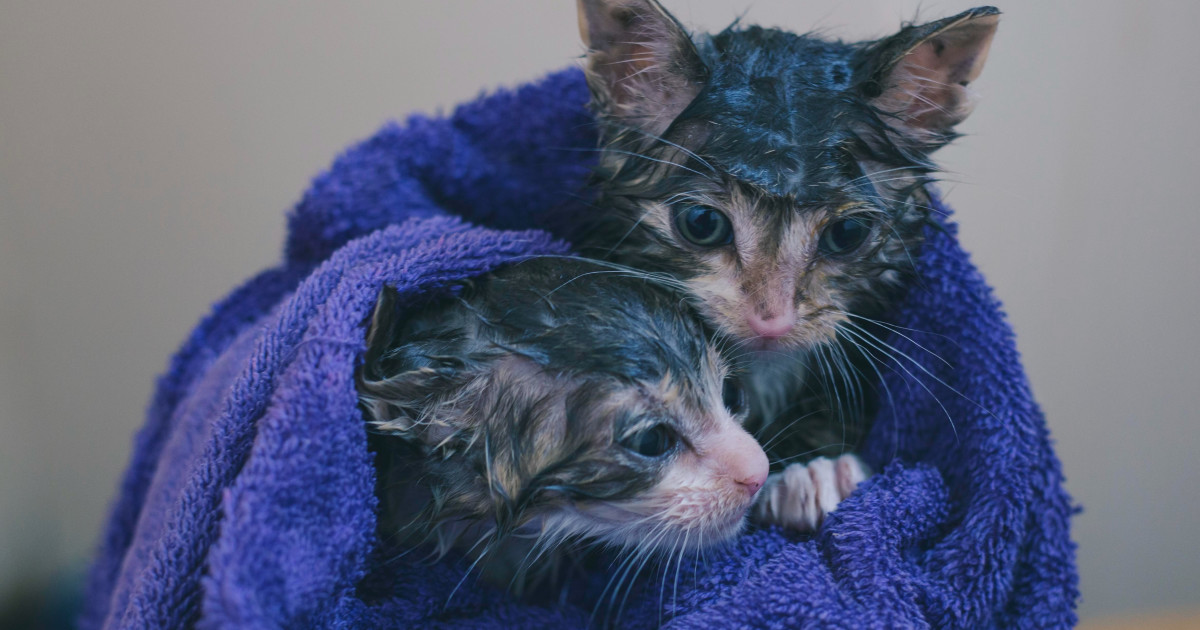
Choose soft, absorbent towels for drying your cat. Wrap your cat gently in the towel to soak up water. Pat your cat’s fur instead of rubbing to avoid tangles. Use multiple towels if the first one gets too wet. Focus on drying the head, back, and belly carefully. Keep the towel warm by folding it before use.
Avoiding Hair Dryers
Hair dryers scare most cats and can burn their skin. The noise and heat cause stress and fear. Never use a hair dryer near your cat’s face or ears. If you must use one, pick a low heat and low sound model. Keep the dryer at a safe distance and move it constantly. Air drying is usually safer and less stressful.
Keeping Cat Warm Post-bath
After drying, place your cat in a warm, cozy spot. Use a soft blanket or a pet bed away from drafts. Keep the room temperature comfortable and quiet. Offer gentle petting to calm your cat. Avoid letting your cat go outside until fully dry and warm. Warmth helps your cat relax and recover from the bath.
Alternative Cleaning Methods
Bathing a cat that dislikes water can be tough. Alternative cleaning methods offer gentle ways to keep your cat clean without stress. These options help maintain hygiene and keep your cat comfortable.
Using Waterless Shampoo
Waterless shampoo is a great choice for cats that hate baths. It cleans fur without using water. Simply spray or apply the shampoo, then rub gently with a towel. This method removes dirt and oils while calming your cat.
Spot Cleaning With Wipes
Spot cleaning with pet wipes works well for small messes. Wipes are easy to use and quick. They remove stains, dirt, and odors in specific areas. Choose wipes made for cats to avoid irritation.
Brushing For Hygiene
Brushing your cat regularly helps keep fur clean and healthy. It removes loose hair, dirt, and debris. Brushing also spreads natural oils, improving coat shine. Use a brush suited to your cat’s fur type for best results.
Preventing Future Bath-time Stress
Giving a cat that hates water a bath can be stressful for both of you. But preventing future bath-time stress starts long before the tub fills with water. It’s about building trust, creating positive experiences, and easing your cat into water gradually.
Regular Grooming Habits
Keeping your cat well-groomed reduces the need for frequent baths. Brushing your cat daily removes loose fur and dirt, which helps keep their coat clean and healthy.
Try using a gentle brush and speak softly to your cat while grooming. This can turn grooming into a calming routine rather than a chore, making your cat more cooperative during bath time.
Positive Reinforcement
Reward your cat for calm behavior around water and during grooming. Use treats, praise, or gentle petting to make these moments feel safe and enjoyable.
Ask yourself: What small rewards does your cat love most? Use those to encourage positive associations with water-related activities.
Gradual Water Exposure
Introduce your cat to water slowly and on their terms. Start by letting them explore a dry tub or sink, then use a damp cloth to wipe their paws or fur before moving on to shallow water.
This step-by-step approach can reduce fear and build confidence. Have you noticed how your cat reacts to small changes? Adjust the pace accordingly to keep stress low.
Credit: paradepets.com
Frequently Asked Questions
How Can I Prepare My Cat For A Bath?
Start by brushing your cat to remove loose fur. Choose a warm, quiet room. Gather all supplies beforehand. Speak softly to calm your cat. Gradually introduce water to avoid stress. Preparation helps make the bath smoother and less frightening.
What Is The Best Water Temperature For Cat Baths?
Use lukewarm water, about 100°F (38°C). Avoid hot or cold water to prevent discomfort. Lukewarm water soothes your cat’s skin. It also helps reduce stress during the bath. Always test water temperature before starting.
How Do I Keep My Cat Calm During A Bath?
Speak gently and use slow movements. Offer treats before, during, and after the bath. Use a non-slip mat for security. Avoid sudden noises or splashing water. Patience and calm energy help your cat stay relaxed.
What Type Of Shampoo Should I Use For Cats?
Choose a shampoo specifically formulated for cats. Avoid human or dog shampoos, as they can irritate your cat’s skin. Opt for gentle, hypoallergenic, and fragrance-free formulas. Always rinse thoroughly to prevent residue buildup.
Conclusion
Bathing a cat that hates water can feel tough. Stay calm and patient throughout the process. Use gentle words and slow movements. Prepare everything before you start the bath. Keep your cat warm and dry afterward. Regular brushing helps reduce the need for baths.
Remember, each cat is unique and may react differently. Small steps build trust and comfort over time. Caring for your cat’s hygiene supports their health and happiness. With practice, bath time becomes easier for both you and your pet.