
Giving your dog a bath outside can be a fun and stress-free experience for both of you. But if you’re not sure where to start, it might feel a bit overwhelming.
You want your furry friend to be clean and happy without turning bath time into a mess or a struggle. In this guide, you’ll discover simple, easy steps to make outdoor baths quick and enjoyable. By the end, you’ll have the confidence to keep your dog fresh and sparkling with less hassle than you ever thought possible.
Ready to make bath time your dog’s new favorite routine? Let’s dive in!

Credit: www.amazon.ie
Choosing The Right Location
Choosing the right spot to bathe your dog outside can make all the difference in how smooth and stress-free the experience will be. The location affects not only your dog's comfort but also how easy it is for you to manage the bath. Pay attention to the environment around you before getting started.
Pick A Shady Spot
Direct sunlight can quickly make your dog uncomfortable and even lead to overheating. Find a shady area under a tree, awning, or porch to keep your dog cool during the bath. Shade also helps the soap and water stay on your dog longer, improving the cleaning process.
Consider Water Drainage
Think about where the water will go after your dog’s bath. Avoid spots where water pools or floods, as this can create a muddy mess and attract insects. Ideally, choose a location with good drainage like gravel, grass, or a sloped surface that lets water run off easily.
Ensure Easy Access To Water
Having water nearby saves you from lugging heavy buckets around. A garden hose with adjustable spray settings works best for controlling water pressure and temperature. If you don’t have a hose, placing a large container of water close by will keep you prepared throughout the bath.
Gathering Bath Supplies
Getting ready to give your dog an outdoor bath means gathering the right supplies first. Having everything at hand makes the process smoother and less stressful for both you and your furry friend. Think about what you'll need to keep the bath quick, effective, and comfortable.
Select Dog-friendly Shampoo
Choosing the right shampoo is more important than many realize. Human shampoos can irritate your dog's skin, so pick a shampoo made specifically for dogs. Look for formulas that match your dog’s coat type—whether it’s sensitive skin, long hair, or a shiny coat.
Have you noticed your dog scratching more than usual? That might mean it’s time to switch to a hypoallergenic or medicated shampoo. Keeping the shampoo gentle helps prevent dryness and itching after the bath.
Prepare Towels And Brushes
Before the bath, grab several towels to dry your dog thoroughly afterward. Outdoor baths often come with a breeze, so quick drying is key to avoid chills. Thick, absorbent towels work best, and having extras ready prevents waiting around.
Brush your dog before and after the bath to remove loose fur and prevent mats. Use a brush suitable for your dog’s fur type—slicker brushes for long hair or bristle brushes for short coats. Brushing makes the shampoo reach the skin better and keeps the coat healthy.
Use A Suitable Hose Or Bucket
Choosing the right water source can change the whole bathing experience. A hose with adjustable water pressure is ideal; you want to avoid a strong spray that might scare your dog. If you don’t have a hose, a bucket with warm water works just fine.
Have you tried using a spray nozzle with a gentle setting? It lets you control the water flow and temperature better. Make sure the water is lukewarm—too hot or too cold can make your dog uncomfortable.
Preparing Your Dog
Preparing your dog for an outdoor bath helps make the process smooth and stress-free. Taking time before the bath ensures your dog feels comfortable and ready. It also helps avoid sudden movements or fuss during washing. Here are key steps to prepare your dog well.
Brush Before Bathing
Brush your dog’s coat to remove loose hair and dirt. Brushing untangles mats and prevents them from getting worse in water. Use a suitable brush for your dog’s fur type. This step makes washing easier and helps shampoo reach the skin.
Check Water Temperature
Test the water temperature before starting the bath. Use lukewarm water to keep your dog comfortable. Water that is too hot or cold can cause distress or skin problems. Always check with your hand or a thermometer.
Calm Your Dog With Treats
Offer treats to keep your dog calm and happy. Treats create positive feelings about bath time. Use soft, small treats that your dog enjoys. Speak in a gentle voice and pet your dog to reduce anxiety.
Bathing Steps
Bathing a dog outside can be simple and stress-free. Follow these clear steps to ensure a clean and happy pup. Proper technique helps avoid skin irritation and keeps your dog comfortable during the bath.
Wet Your Dog Thoroughly
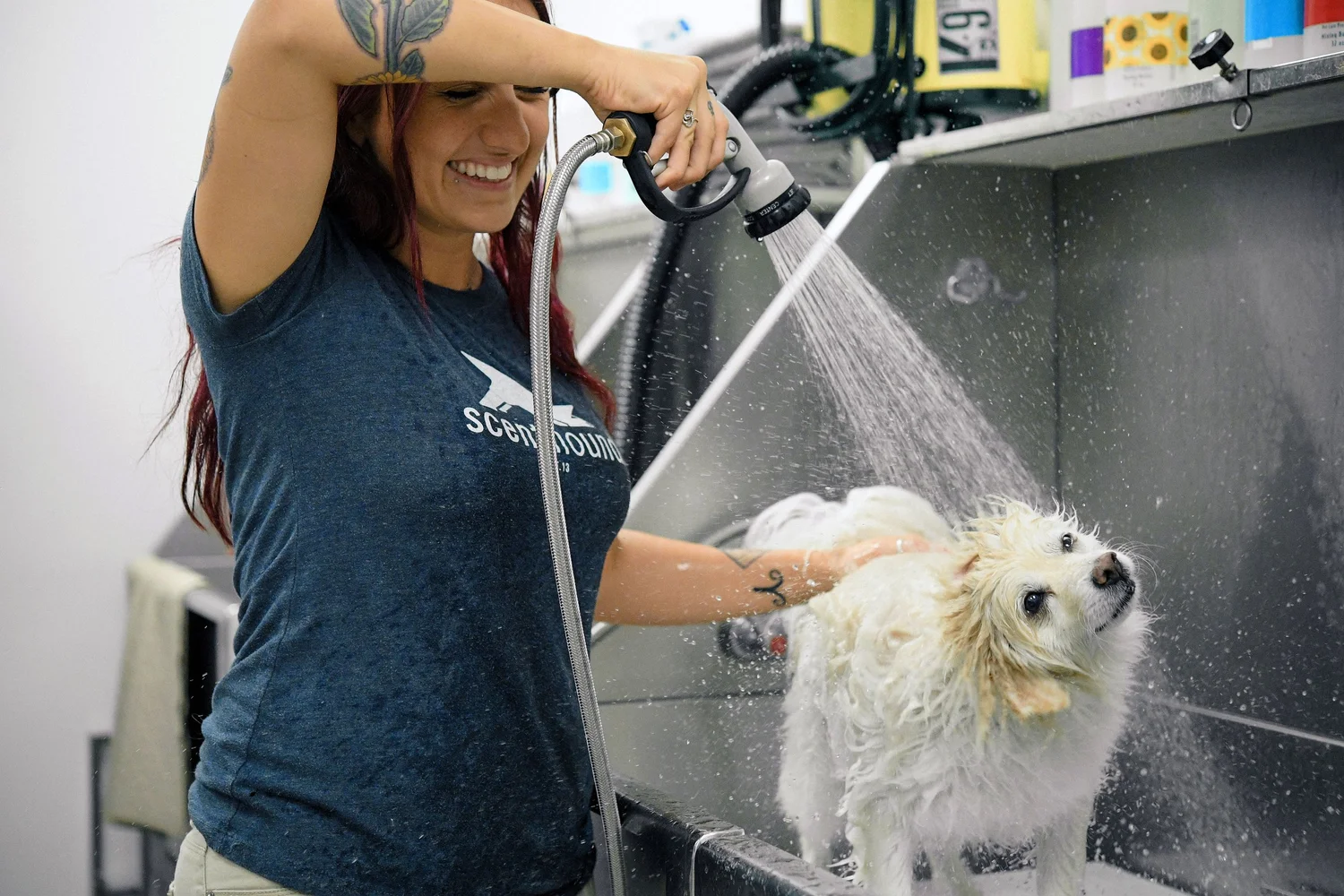
Start by using lukewarm water. Wet your dog’s fur completely from head to tail. Avoid spraying water directly into their ears and eyes. Use a gentle spray or a cup to pour water slowly. Make sure the coat is damp, not just a little wet.
Apply Shampoo Evenly
Choose a dog-friendly shampoo. Pour a small amount into your hands and rub to create foam. Apply the shampoo evenly over your dog’s body. Work from the neck down to the tail. Be gentle on sensitive areas like the belly and legs. Massage the shampoo into the fur to clean deeply.
Rinse Off Completely
Use clean, lukewarm water to rinse all shampoo off. Make sure no soap remains on the coat. Leftover shampoo can cause itching or dryness. Rinse until the water runs clear and your dog’s fur feels smooth. Check common trouble spots like under the legs and around the neck.
Handling Common Challenges
Giving your dog a bath outside can be a refreshing experience, but it often comes with its own set of challenges. Handling these issues calmly and effectively can make the process smoother for both you and your furry friend. Let’s dive into some common hurdles and how to overcome them.
Dealing With Fear Or Anxiety
Many dogs feel uneasy around water or the bathing process itself. If your dog shows signs of fear, start by creating a calm environment. Speak softly and use gentle touches to reassure them.
Try introducing water slowly. Use a cup or a gentle spray to wet their paws first before moving to the rest of the body. Reward your dog with treats and praise after small steps to build positive associations.
Consider using a non-slip mat to prevent slipping, which can increase anxiety. Have you noticed how your dog reacts to different water temperatures? Lukewarm water often feels more comforting and less intimidating.
Managing Energetic Dogs
Bathing an energetic dog can feel like a challenge. They might jump, run, or shake water everywhere. To keep control, make sure the area is secure to prevent escapes.
Engage your dog with toys or treats to distract and reward calm behavior. Short, quick baths work better than long sessions that might tire you both out.
If your dog tends to be very active, enlist a helper to gently hold and soothe them while you focus on washing. Have you tried giving your dog a little exercise before bath time to burn off extra energy?
Cleaning Sensitive Areas
Areas like ears, eyes, and paws require extra care during an outdoor bath. Use a damp cloth instead of direct water spray to clean around your dog’s eyes to avoid irritation.
For ears, avoid getting water inside by gently placing cotton balls at the entrance—just remember to remove them afterward. Carefully wash paws to remove dirt and debris, checking for any cuts or irritations.
Keeping these delicate spots clean helps prevent infections and discomfort. Do you pay special attention to these areas, or have you noticed any signs your dog needs extra care there?

Credit: www.theshowerheadstore.com
Drying Your Dog Outdoors
Drying your dog outdoors is an important part of the bathing process. It helps prevent your dog from getting cold or dirty again. The outdoor air and sunlight can speed up drying, making your dog more comfortable. Use gentle techniques to avoid stress and keep your dog calm.
Towel Drying Tips
Use a soft, absorbent towel for drying your dog. Pat your dog gently instead of rubbing hard. Focus on areas with thick fur, like the chest and legs. Change towels if the first one becomes too wet. Keep towels handy and ready before the bath ends.
Using A Blow Dryer Safely
Choose a blow dryer with a cool or low heat setting. Keep the dryer moving to avoid hot spots on the skin. Hold the dryer at least a few inches away from your dog. Avoid blowing air directly into the ears or face. Use the dryer in short bursts to keep your dog calm.
Letting Your Dog Air Dry
Air drying works best on warm, sunny days. Find a shaded spot to keep your dog cool. Let your dog move around freely to help the fur dry faster. Check your dog often to make sure they are comfortable. Avoid letting your dog roll in dirt before fully dry.
Post-bath Care
After giving your dog a bath outside, proper care helps keep them comfortable and healthy. Post-bath care focuses on drying, grooming, and checking your dog's skin. This step prevents irritation and keeps your dog happy.
Brushing After Bath
Brushing your dog after a bath removes loose fur and tangles. Use a brush suited for your dog's coat type. Start gently to avoid pulling on wet fur. Brushing also helps air dry the coat faster. It spreads natural oils, keeping the fur shiny and soft.
Checking For Skin Issues
Examine your dog’s skin carefully after the bath. Look for redness, bumps, or flakes. Check ears, belly, and under the legs. Bathing can reveal hidden skin problems. Early detection helps prevent infections or discomfort. If you find anything unusual, consult a vet.
Rewarding Your Dog
Reward your dog to make bath time positive. Use treats, praise, or playtime as rewards. This encourages good behavior during baths. A happy dog will be easier to bathe next time. Positive reinforcement builds trust and comfort.

Credit: www.theshowerheadstore.com
Frequently Asked Questions
How Do I Prepare My Dog For An Outdoor Bath?
Start by brushing your dog to remove loose fur and dirt. Gather all supplies like shampoo, towels, and a hose. Choose a warm, shaded area to keep your dog comfortable during the bath. This preparation ensures a smooth, stress-free bathing experience.
What Is The Best Water Temperature For Bathing Dogs Outside?
Use lukewarm water, around 37°C (98. 6°F), for your dog's bath. Water that's too cold or hot can cause discomfort or stress. Always test the water on your wrist before spraying your dog. This helps keep your pet calm and safe.
How Often Should I Bathe My Dog Outdoors?
Bathing frequency depends on your dog's breed and activity level. Generally, once a month is enough for most dogs. Avoid overbathing as it can dry out their skin. Outdoor baths are ideal after muddy walks or heavy play sessions.
What Shampoo Is Safe For Outdoor Dog Baths?
Use a dog-specific, gentle shampoo with natural ingredients. Avoid human shampoos as they can irritate your dog's skin. Choose a shampoo suitable for your dog's coat type and any skin conditions. This keeps your pet clean and healthy.
Conclusion
Bathing your dog outside can be a fun experience. Enjoy the fresh air while washing your furry friend. Remember to gather all supplies beforehand. This keeps the process smooth and stress-free. Use a gentle, dog-friendly shampoo. Rinse thoroughly to remove all soap.
Dry your dog well after the bath. This prevents them from catching cold. Always reward them with treats. It makes bath time enjoyable for them. Regular baths keep your dog clean and healthy. Create a consistent bathing routine. It strengthens your bond and keeps your pet happy.