Does your cat dart away the moment you even hint at bath time? You're not alone.
Many cat owners face the daunting task of bathing a feline friend who despises water. But don't worry; you can make this process much smoother. Imagine a bath time where both you and your cat remain calm, collected, and stress-free.
Intrigued? We'll guide you through every step to transform what seems like an impossible mission into a manageable task. Let's unlock the secrets to a peaceful bath time that ensures your cat stays clean and you stay sane. Ready to dive in?
Prepare The Bathing Area
Preparing the bathing area helps make the bath easier and less stressful. A calm space reduces your cat’s fear. Setting up everything before you start keeps the bath smooth and quick.
Choose A Quiet Location
Select a room with little noise and few distractions. Avoid busy places like kitchens or living rooms. A small bathroom or laundry room works well. Close doors and windows to block outside sounds. Soft lighting helps keep your cat calm.
Gather All Supplies
Collect everything before bringing your cat to the bath. Have cat shampoo, towels, a cup for rinsing, and a brush ready. Keep treats nearby for rewards after the bath. Having all items close saves time and stress. Avoid leaving your cat alone during the bath.
Use A Non-slip Surface
Place a rubber mat or towel in the sink or tub. This stops your cat from slipping and feeling scared. A stable surface helps your cat stay calm and steady. Avoid smooth, slippery surfaces that cause panic. A non-slip area gives your cat better footing.

Credit: www.youtube.com
Get Your Cat Ready
Preparing your cat before bath time can make a huge difference, especially if your feline friend hates water. Getting your cat ready helps reduce stress and makes the whole process smoother for both of you. Taking a few calm, careful steps beforehand sets the stage for a less chaotic experience.
Brush To Remove Loose Fur
Start by brushing your cat thoroughly to remove loose fur. This reduces the amount of hair that ends up in the water and prevents clumps from forming during the bath.
Brushing also helps your cat relax and get used to gentle handling. Use a soft brush and take your time, rewarding your cat with a treat afterward to create a positive association.
Trim Nails Carefully
Trim your cat’s nails before the bath to avoid accidental scratches. Short nails protect you during the bath and keep your cat more comfortable.
If your cat is nervous, try trimming a few nails at a time over several days. Keep nail clippers nearby during the bath just in case you need to quickly trim a sharp edge.
Calm Your Cat With Gentle Touch
Spend a few minutes petting your cat with slow, gentle strokes before the bath. This helps lower their anxiety and builds trust.
Talk softly and maintain a calm demeanor. Cats can sense your mood, so staying relaxed makes it easier for your cat to stay calm too.
Select The Right Water And Shampoo
Selecting the right water temperature and shampoo is key for bathing a cat that dislikes water. The wrong choice can make the experience stressful for both you and your cat. Using gentle products and comfortable water helps keep your cat calm. It also protects their sensitive skin and fur during the bath.
Use Lukewarm Water
Cold or hot water can scare your cat and cause discomfort. Lukewarm water feels gentle and soothing. It helps your cat stay relaxed during the bath. Test the water on your wrist before starting. The ideal temperature should feel warm but not hot.
Pick Cat-safe Shampoo
Choose shampoos made specifically for cats. These shampoos clean without harming their skin. They often include ingredients to soothe irritation. Cat-safe shampoos also protect the natural oils in fur. This keeps the coat soft and shiny after the bath.
Avoid Human Products
Human shampoos have chemicals that can irritate a cat’s skin. They may cause dryness, itching, or allergic reactions. Never use products meant for people on your cat. Stick to shampoos labeled safe for cats. This ensures your cat’s skin stays healthy and protected.
Step-by-step Bathing Process
Bathing a cat that dislikes water requires patience and care. This step-by-step process helps keep your cat calm and safe. Following these steps makes the bath easier for both of you. The key is to move slowly and gently throughout the bath.
Start Slowly And Gently
Begin by preparing the bath area with warm water. Speak softly to your cat and pet it calmly. Let your cat explore the space without pressure. This builds trust and reduces fear before the bath.
Wet The Cat Gradually
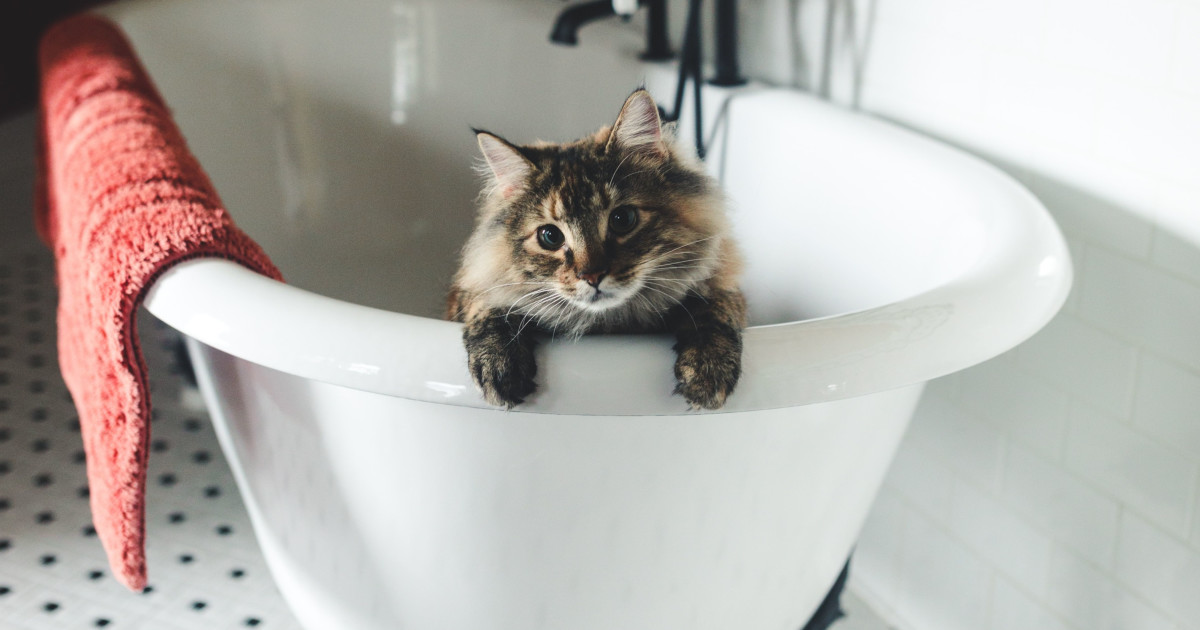
Use a cup or gentle sprayer to wet your cat. Start from the back, avoiding the head and face. Wet small sections slowly, so your cat adjusts. Keep water warm but not hot to avoid stress.
Lather Carefully Without The Face
Apply a cat-safe shampoo to your hands first. Gently massage the shampoo into your cat’s fur. Avoid the face, ears, and eyes completely. Focus on the body and legs for a thorough clean.
Rinse Thoroughly
Rinse the shampoo off with warm water carefully. Use a cup or gentle sprayer again, starting from the back. Make sure no shampoo remains on the fur. Leftover shampoo can irritate your cat’s skin.
Clean The Face With A Damp Cloth
Dampen a soft cloth with warm water. Wipe your cat’s face gently and slowly. Avoid getting water into the eyes, ears, or nose. This method cleans the face without causing discomfort.
Keep Your Cat Calm During Bath
Bath time can be stressful for cats, especially those who dislike water. Keeping your cat calm during the bath not only makes the process easier but also helps build trust between you and your furry friend. Staying patient and gentle can turn a dreaded experience into a manageable one.
Speak Softly And Reassure
Your voice can be a powerful tool to soothe your cat. Speak in a calm, gentle tone throughout the bath to help ease their anxiety. Soft words and a steady rhythm can remind your cat that you’re a safe presence, even when things feel uncomfortable.
Try saying your cat’s name slowly or using comforting phrases like “Good kitty” or “Almost done.” This consistent reassurance can make a big difference in their stress levels.
Use Treats As Positive Reinforcement
Offering treats during and after the bath can create positive associations with the experience. Choose small, tasty snacks your cat loves and give them at moments when they stay calm or cooperate.
This reward system helps your cat link bath time with something enjoyable. Have treats ready before you start, so you can immediately praise your cat’s good behavior.
Avoid Sudden Movements
Quick or unexpected actions can startle your cat and increase their fear. Move slowly and deliberately to keep your cat feeling secure. Sudden splashes or grabbing motions can make them resist the bath even more.
Focus on gentle handling and smooth transitions between steps. Your calm, measured movements signal that there is no danger, helping your cat relax bit by bit.
Credit: pethelpful.com
Drying Your Cat Safely
Drying your cat safely after a bath is very important. Cats do not like being wet. Wet fur can make them cold and uncomfortable. Proper drying helps keep your cat calm and healthy. It also prevents skin problems and chills. Use gentle techniques to avoid stress for your furry friend.
Use A Soft Towel
Choose a soft, absorbent towel to dry your cat. Gently pat your cat’s fur instead of rubbing. Rubbing can tangle the fur and irritate the skin. Use multiple towels if needed to soak up all the water. Take your time and be gentle to keep your cat relaxed.
Avoid Hair Dryers If Possible
Most cats are scared of hair dryers. The noise and heat can stress them out. Hot air can also burn their sensitive skin. If you must use a dryer, keep it on the lowest heat and speed. Hold the dryer far from your cat’s body. Always watch your cat’s reaction and stop if it seems scared.
Keep Cat Warm After Bath
After drying, keep your cat warm and cozy. Place your cat in a warm room away from drafts. Provide a soft blanket or bed for extra comfort. Warmth helps your cat feel safe and dry faster. Avoid cold or damp areas until your cat’s fur is fully dry.
Tips To Reduce Future Bath Stress
Bath time can be stressful for cats that dislike water. Reducing this stress helps both you and your pet. Establishing calm habits and gentle routines makes future baths easier. Here are some effective tips to ease your cat’s bath anxiety over time.
Regular Brushing To Minimize Baths
Brushing your cat often removes dirt and loose fur. This reduces the need for frequent baths. Use a soft brush designed for cats. Brushing also helps your cat feel relaxed and cared for. Aim for short, calm sessions daily or several times a week.
Introduce Water Play Gradually
Let your cat get used to water slowly. Start with a damp cloth to wipe its fur. Use a shallow bowl with a little water for paw dipping. Praise your cat for calm behavior near water. These small steps build comfort and reduce fear.
Reward Calm Behavior Consistently
Give treats or gentle petting when your cat stays calm during bath routines. Positive rewards help your cat associate baths with good things. Keep rewards consistent to reinforce calm behavior. This makes future baths less stressful and more manageable.
Credit: paradepets.com
Frequently Asked Questions
How Can I Prepare My Cat For A Water Bath?
Start by brushing your cat to remove loose fur. Use warm water and a gentle cat shampoo. Keep the environment calm and quiet to reduce stress. Gradually introduce water, allowing your cat to adjust slowly before the full bath.
What Techniques Help Bathe A Water-fearing Cat?
Use a non-slip mat in the sink or tub. Wet your cat slowly with a cup or sprayer. Speak softly and use minimal water. Focus on quick but gentle washing to minimize distress. Dry your cat with a towel immediately after.
How Often Should I Bathe A Cat That Hates Water?
Only bathe your cat when absolutely necessary, usually once every few months. Cats groom themselves well, so frequent baths can cause stress. Use waterless or dry shampoos as an alternative for regular cleaning.
Are There Safer Alternatives To Bathing A Cat?
Yes, consider using grooming wipes or waterless shampoos. Regular brushing also helps keep your cat clean. These alternatives reduce stress caused by water and make maintenance easier for both you and your cat.
Conclusion
Bathing a cat that hates water can be tough but doable. Stay calm and patient throughout the process. Use warm water and gentle strokes to keep your cat comfortable. Praise your cat often to build trust and reduce stress. Keep bath time short and sweet to avoid fear.
Remember, practice helps both you and your cat improve. Soon, baths will be less scary for your furry friend. Small steps lead to big changes in your cat’s comfort. Keep trying—you can make bath time easier and safer.