Getting your dog to pee on a pad can feel like a tough challenge. You want to keep your home clean and avoid those unexpected messes.
But how do you train your furry friend to use the pad consistently? If you’ve been struggling with this, you’re not alone. The good news is, with the right steps and a little patience, you can make this happen smoothly.
Keep reading, and you’ll discover simple, effective tips that will help your dog learn where to go – making life easier for both of you.

Credit: aminpetshop.com
Choosing The Right Pee Pad
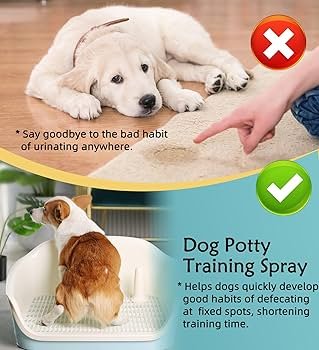
Choosing the right pee pad is key to helping your dog learn where to go. The pad must suit your dog's size and habits. It should feel comfortable and be easy to clean. Picking the right pad makes training simpler and keeps your home fresh.
Material And Absorbency
Pee pads come in various materials. Look for pads with a soft, leak-proof top layer. This keeps your dog’s paws dry. The absorbent core should soak up urine quickly. This stops puddles and bad smells. Some pads also have a waterproof bottom layer to protect floors. Choose pads with strong absorbency for less mess and odor.
Size And Placement
The pad size must match your dog’s size. Small dogs need smaller pads. Bigger dogs need larger or multiple pads. Place the pad in a quiet, easy-to-access spot. Avoid noisy or busy areas. Keep it the same place each time. This helps your dog remember where to go. Change the pad location slowly if needed.

Credit: www.amazon.com
Setting Up A Designated Spot
Setting up a designated spot for your dog to pee on a pad helps create a clear, easy routine. Dogs learn faster when they have a specific area to use. This spot should be calm and easy to find. It builds good habits and lowers accidents around the house.
Consistent Location
Place the pee pad in the same spot every time. Changing locations can confuse your dog. Choose a quiet corner with low traffic. Your dog will begin to associate this spot with bathroom time. Consistency helps them remember and use the pad regularly.
Comfort And Accessibility
Make sure the spot feels safe and comfortable for your dog. Avoid noisy or busy areas that may scare them. The pad should be easy to reach without obstacles. Keep it away from your dog’s food and sleeping place. This encourages your dog to use the pad without stress.
Training Techniques That Work
Training your dog to pee on a pad requires clear, consistent techniques that your pet can easily understand. The right approach builds trust and encourages your dog to use the pad confidently. Let’s explore some effective training techniques that can make this process smoother for both you and your furry friend.
Positive Reinforcement
Reward your dog immediately when they use the pee pad correctly. Use treats, praise, or their favorite toy to create a strong connection between the action and the reward.
Consistency is key—always reward the behavior you want to see. This helps your dog learn quickly what is expected without confusion.
Think about the last time you felt motivated by a reward. Your dog feels the same way, so make positive reinforcement a daily habit.
Using Commands And Cues
Choose a simple word or phrase like “go potty” to associate with using the pad. Repeat this cue every time you bring your dog to the pad to create a clear link.
Over time, your dog will understand the cue and respond by going to the pad on command. This makes accidents easier to prevent.
Have you noticed how pets pick up on repeated sounds or actions? Using a consistent cue taps into their natural learning style.
Timing And Patience
Take your dog to the pad frequently, especially after meals, naps, or playtime. These are moments when they’re most likely to need to go.
Be patient—accidents will happen, but don’t punish your dog. Instead, calmly guide them back to the pad and praise success.
Ask yourself: Are you giving your dog enough time to understand? Patience combined with regular timing often leads to the best results.
Handling Accidents Properly
Handling accidents properly is essential when training your dog to pee on a pad. Accidents will happen, but how you respond can either encourage good habits or create confusion. Staying calm and managing the situation correctly helps your dog learn faster and keeps your home clean.
Cleaning And Odor Removal
Thorough cleaning is key to preventing repeat accidents in the same spot. Use enzymatic cleaners that break down urine molecules instead of just masking the smell. Regular household cleaners often leave odors dogs can still detect, which might draw them back to that spot.
Try to clean up accidents as soon as you notice them. Blot the area instead of rubbing to avoid spreading the urine. After cleaning, keep the pad in an easily accessible spot so your dog remembers where to go.
Avoiding Punishment
Punishing your dog for accidents can cause fear and anxiety, making training harder. Dogs don’t connect punishment with the accident after the fact—they only see you upset, which can damage your bond. Instead, focus on rewarding your dog when they use the pad correctly.
Ask yourself: Have you noticed if your dog seems scared after an accident? If yes, try to keep a calm tone and use positive reinforcement. Patience and consistency work much better than punishment in teaching your dog good bathroom habits.
Encouraging Good Habits
Encouraging good habits is key for teaching your dog to pee on a pad. Consistency helps dogs understand what is expected. A calm and patient approach builds trust and reduces accidents. Simple routines make training easier and faster. Focus on positive moments and gentle guidance.
Regular Bathroom Breaks
Set a schedule for bathroom breaks throughout the day. Take your dog to the pad at the same times daily. Puppies need more frequent breaks, about every two hours. Watch for signs like sniffing or circling to act quickly. Praise your dog each time they use the pad correctly. This routine helps your dog learn where to go.
Monitoring Diet And Water Intake
Keep track of your dog's eating and drinking times. Regular meals lead to more predictable bathroom needs. Avoid giving water too late in the evening. This reduces accidents during the night. Adjust feeding times to fit your bathroom break schedule. A balanced diet supports good digestion and bladder control.
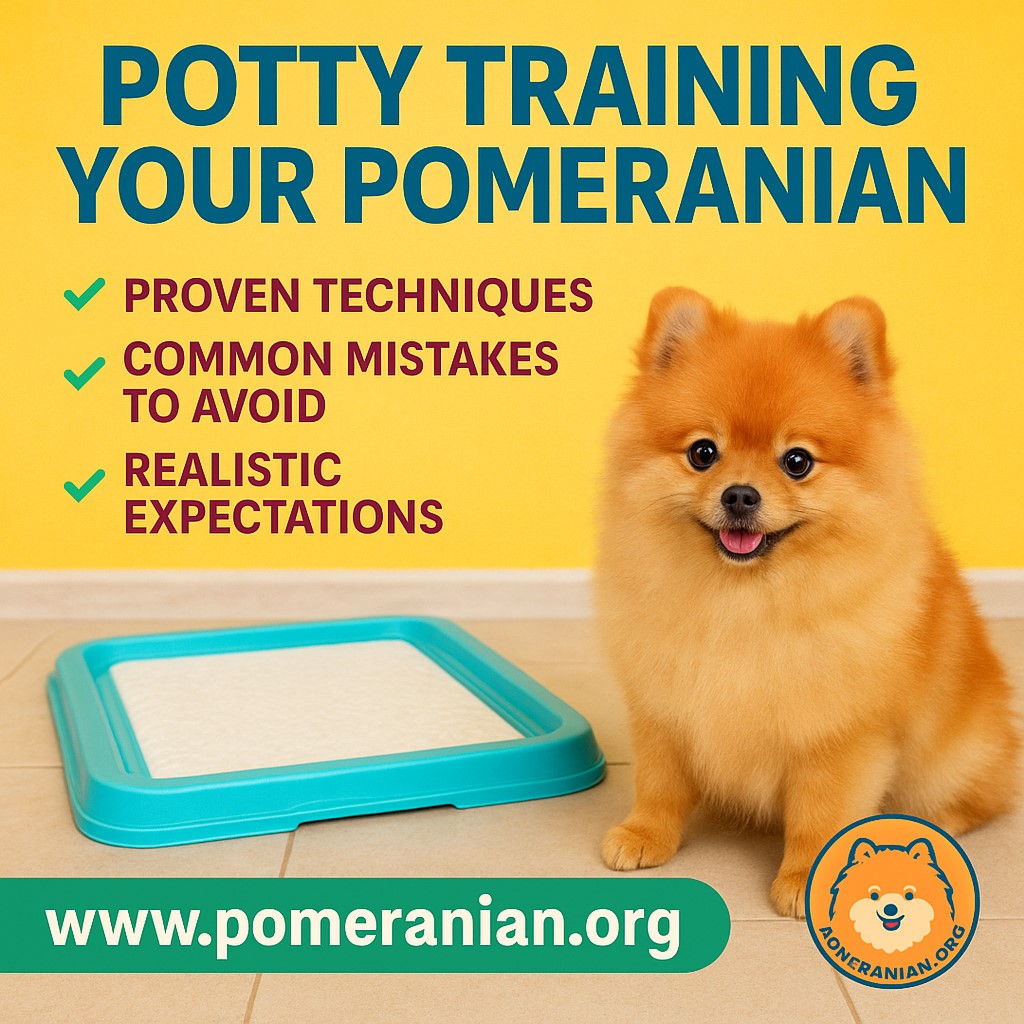
Credit: pomeranian.org
Troubleshooting Common Issues
Training your dog to pee on a pad can sometimes come with challenges. These issues may slow down progress or cause frustration. Understanding common problems helps you address them quickly. Here are some tips to handle the most frequent troubles.
Reluctance To Use The Pad
Some dogs avoid the pad because they find it unfamiliar or uncomfortable. The texture or location might not appeal to them. Try moving the pad to a quieter, low-traffic area. Make sure the pad is clean and dry. Use treats or praise to encourage your dog to step on the pad. You can also place a small amount of your dog's urine on the pad to attract them.
Marking Behavior
Dogs may mark territory by peeing outside the pad, especially males. This can confuse training efforts. Neutering or spaying often reduces marking. Watch for signs of marking, like small spots around the house. Interrupt the behavior gently and guide your dog back to the pad. Consistent supervision and quick redirection help reduce marking over time.
Health Concerns
Sudden changes in bathroom habits can signal health problems. Frequent accidents or refusal to use the pad might indicate a urinary tract infection or bladder issues. Watch for symptoms like straining, blood in urine, or excessive licking. Consult a veterinarian if you notice these signs. Treating health issues can restore normal bathroom habits quickly.
Frequently Asked Questions
How Do I Train My Dog To Pee On A Pad?
Start by placing the pad in a consistent spot. Use positive reinforcement when your dog pees on it. Be patient and consistent with training sessions daily.
What Type Of Pad Is Best For Dog Training?
Choose absorbent, leak-proof pads with attractant scents. These pads encourage dogs to use them and prevent messes. Replace pads regularly for hygiene.
How Long Does It Take For A Dog To Learn Pad Training?
Most dogs learn within 1 to 3 weeks with consistent training. Puppies may need more time. Regular praise and rewards speed up learning.
Can I Use Treats To Encourage Pad Peeing?
Yes, treats are effective motivators. Reward your dog immediately after they pee on the pad. This reinforces good behavior and builds positive associations.
Conclusion
Training your dog to pee on a pad takes patience and consistency. Celebrate small successes to encourage your furry friend. Keep the training space clean to avoid confusion. Use positive reinforcement. This helps your dog understand right from wrong. Stay calm if accidents happen.
It's part of learning. With time, your dog will learn the habit. Stick to the routine. It makes the process easier and faster. Remember, every dog learns at its own pace. Be patient and persistent. Happy training!