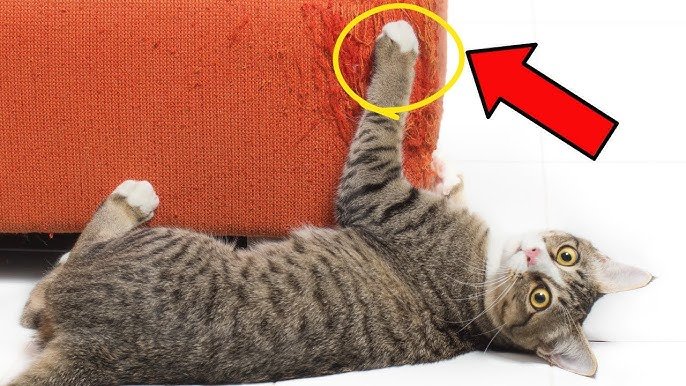
Are you tired of finding your favorite couch covered in scratch marks? Does the thought of another ruined piece of furniture make you cringe?
You're not alone. Many cat owners face the same challenge. Cats love to scratch, and while it's a natural and healthy behavior for them, it can be a nightmare for your home. But don't worry! There are simple and effective ways to stop this destructive habit.
Imagine walking into your living room and seeing your furniture untouched and pristine. In this guide, you'll discover techniques that not only save your furniture but also keep your feline friend happy and healthy. Ready to reclaim your living space and enjoy a peaceful coexistence with your cat? Let's get started!
Why Cats Scratch Furniture
Cats scratching furniture can puzzle many pet owners. This behavior is not just random damage. It has deep roots in a cat’s nature and needs. Understanding why cats scratch helps us protect our furniture and keep cats happy.
Natural Instincts Behind Scratching
Scratching is a natural action for cats. It helps them mark their territory. Cats have scent glands in their paws. When they scratch, they leave their scent behind. This tells other cats that this place belongs to them.
Scratching also helps cats stretch their muscles. It keeps their claws sharp and healthy. Scratching removes old claw sheaths. This is important for claw care and comfort.
Signs Your Cat Is Scratching Too Much
Scratching becomes a problem when it harms furniture or walls. Look for deep scratch marks or torn fabric. Check if your cat scratches the same spot often. Excessive scratching can mean stress or boredom.
Your cat might also show signs of discomfort. Watch for bleeding paws or torn skin. These signs mean your cat needs help. Providing scratching posts and toys can reduce this behavior.
Choosing The Right Scratching Posts
Choosing the right scratching posts plays a big role in stopping your cat from scratching furniture. Cats have natural instincts to scratch. They do this to mark territory, stretch muscles, and sharpen claws. Giving your cat proper posts can keep them happy and protect your furniture.
Materials Cats Prefer
Cats like certain materials for scratching more than others. These materials feel good on their claws and satisfy their need to scratch.
- Sisal rope:Rough texture that many cats love.
- Carpet:Soft but firm surface for scratching and stretching.
- Cardboard:Easy to shred and fun for cats.
- Wood:Natural and sturdy, good for strong scratchers.
Try different materials to see which your cat prefers. This helps keep them interested in the post.
Placement Tips For Success
Where you place the scratching post matters a lot. Cats want to scratch in spots they feel safe and like to hang out.
- Put posts near favorite resting places.
- Place them close to furniture your cat scratches.
- Use multiple posts in different rooms.
- Keep posts stable and tall enough for full stretching.
Good placement makes the post more attractive and useful for your cat.
Training Your Cat To Use Scratching Posts
Training your cat to use scratching posts is key to protecting your furniture and keeping your feline happy. Cats have a natural urge to scratch, so offering an appealing alternative is essential. With patience and the right approach, you can guide your cat toward scratching posts instead of your couch or curtains.
Positive Reinforcement Techniques
Reward your cat immediately when they use the scratching post. This could be with treats, gentle petting, or enthusiastic praise. Cats respond well to positive feedback, so make the experience enjoyable and rewarding.
Try to observe when your cat feels the urge to scratch—often after naps or play sessions—and gently place them near the post. If they start scratching there, offer a treat right away. This links the scratching post with positive outcomes in their mind.
Consider using catnip on the post to make it more enticing. Many cats find the scent irresistible, which encourages interaction. Have you noticed how your cat reacts to certain smells? Use that to your advantage.
Redirecting Scratching Behavior
If your cat begins scratching furniture, calmly interrupt the behavior without yelling or punishment. You can clap your hands or use a firm “no” to get their attention.
Quickly pick up your cat and place them on the scratching post. This teaches them the correct place to scratch without causing fear or stress. Consistency is crucial here—repeating this action helps them learn faster.
Try to identify why your cat chooses certain furniture pieces. Is the fabric texture appealing? Is the location convenient? You can place scratching posts near these spots to offer a better option.
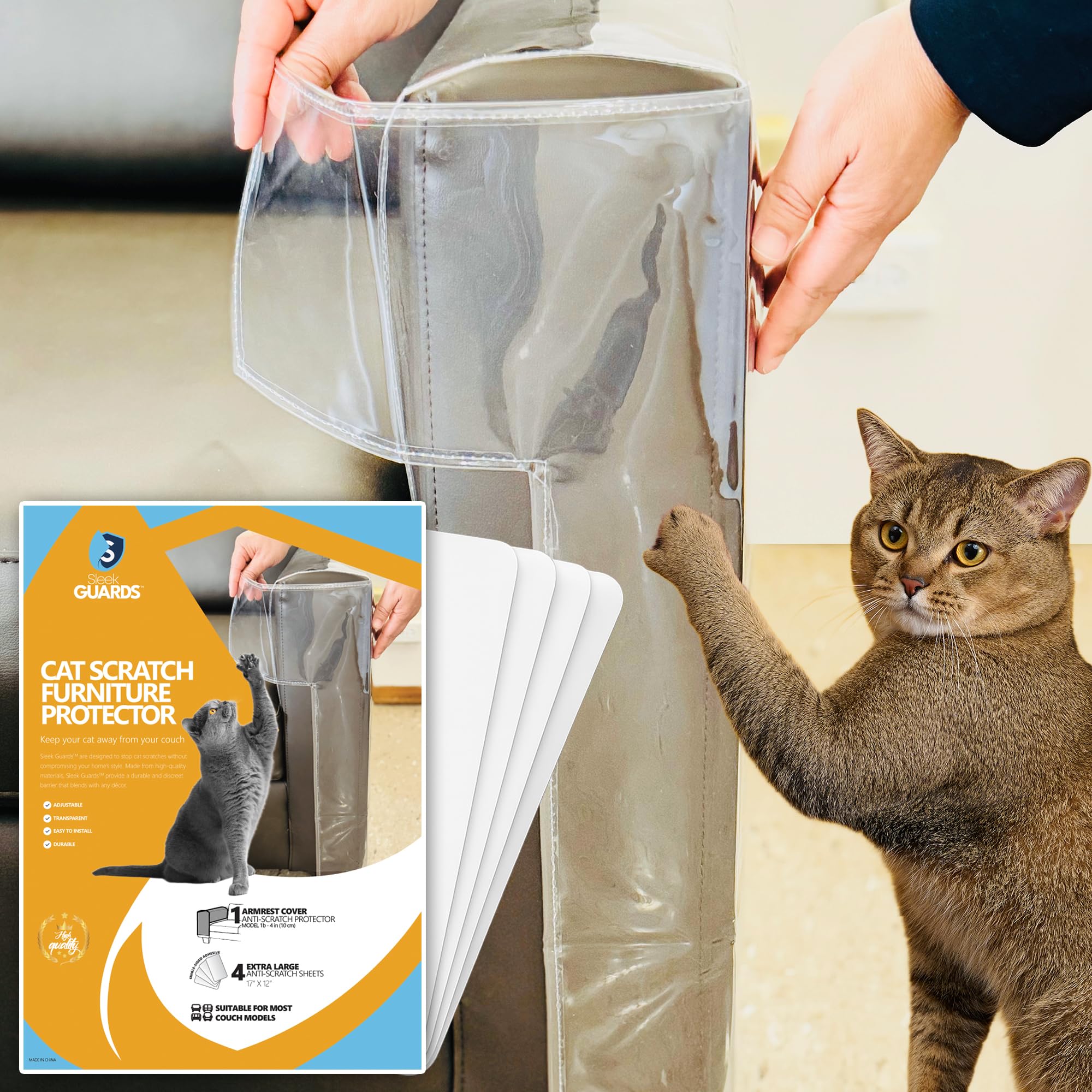
Sometimes, using double-sided tape or furniture covers on targeted areas discourages scratching. Cats dislike sticky surfaces, so this can prevent them from returning to those spots. Have you tried changing the environment around your cat’s favorite scratching areas?
Credit: www.amazon.ca
Protecting Your Furniture
Protecting your furniture helps keep your home tidy and your cat happy. Scratching is natural for cats, but your couch and chairs should stay safe. Use simple tools and tricks to guard your furniture from claws. This keeps both you and your pet content.
Furniture Covers And Deterrents
Covering furniture can stop scratching damage quickly. Use materials that cats dislike on their paws. Plastic covers or slipcovers work well. They make the surface slippery and unpleasant to scratch.
Place scratch guards on the corners or sides of furniture. These are sticky or rough strips that cats avoid. Put them where your cat usually scratches. This teaches your cat to leave that spot alone.
- Plastic sheets or vinyl covers
- Sticky tape designed for cats
- Cardboard or sisal scratch pads nearby
- Furniture protectors with rough textures
Using Scents Cats Avoid
Cats dislike some smells and avoid areas with these scents. Use natural scents that repel cats to protect furniture. Citrus oils, eucalyptus, and lavender are good options. Apply a small amount on a cloth near furniture.
Be careful not to spray directly on fabric. Some scents may irritate your cat's nose. Test on a small area first to avoid damage. Refresh the scent often to keep it effective.
- Orange or lemon peels placed near furniture
- Essential oils diluted with water on cloths
- Commercial cat repellents with safe scents
- Herbs like rosemary or mint in small sachets
Maintaining Your Cat’s Claws
Maintaining your cat’s claws plays a big role in protecting your furniture. Healthy claws reduce the damage caused by scratching. Keeping claws trimmed helps cats stay comfortable and less likely to scratch hard surfaces. Regular care also prevents nails from growing too long or curling into the paw pads. A calm and patient approach makes claw care easier for both you and your cat.
Regular Trimming Tips
Trim your cat’s claws every two to three weeks. Use sharp, clean nail clippers made for pets. Gently press the paw to extend the nails. Avoid cutting into the pink area called the quick. It is sensitive and bleeds easily. If your cat is nervous, try trimming after playtime when they are tired. Reward your cat with treats to create a positive experience. Take breaks if your cat gets upset. Consistency helps cats accept regular trimming over time.
Soft Claws And Alternatives
Soft claws are plastic caps you glue onto your cat’s nails. They cover the sharp tips and prevent damage. Soft claws come in different sizes and colors. Apply them carefully, following the instructions. They usually last four to six weeks. Soft claws do not hurt your cat. Other alternatives include scratching posts and nail grinders. Nail grinders gently file the claws instead of cutting. Choose the option that suits your cat’s comfort and your lifestyle best.

Credit: www.reddit.com
Creating A Stimulating Environment
Creating a stimulating environment helps keep your cat happy and less likely to scratch furniture. Cats need mental and physical activity to stay calm and satisfied. A bored or stressed cat often scratches to release energy or tension. Setting up a space with toys and play areas can direct this behavior in a positive way.
Toys And Playtime Benefits
Toys give cats a chance to hunt, chase, and pounce. These activities mimic natural behaviors and keep cats entertained. Regular playtime helps use up extra energy that might otherwise go into scratching furniture.
- Use interactive toys like feather wands or laser pointers.
- Rotate toys to keep your cat interested.
- Offer puzzle feeders to challenge your cat’s mind.
- Set aside daily play sessions to build a routine.
Playtime also strengthens the bond between you and your cat. A happy cat is less likely to damage household items.
Reducing Stress To Limit Scratching
Stress causes cats to scratch more. Changes in the home or loud noises can trigger anxiety. Creating a calm space helps reduce this stress.
- Provide quiet hiding spots with soft bedding.
- Use pheromone sprays or diffusers designed for cats.
- Keep a consistent feeding and play schedule.
- Avoid sudden changes in the environment or routine.
Calm cats feel safer and have less need to scratch furniture. A peaceful environment supports healthy behavior.

Credit: www.ysdiecut.com
Frequently Asked Questions
How Can I Stop My Cat From Scratching Furniture?
Provide scratching posts near furniture. Use cat deterrent sprays on furniture. Reward your cat for using posts to encourage good habits.
Why Do Cats Scratch Furniture?
Cats scratch to mark territory, stretch muscles, and sharpen claws. It’s a natural behavior essential for their health and wellbeing.
What Types Of Scratching Posts Are Best?
Choose sturdy posts covered in sisal or carpet. Vertical and horizontal posts cater to different scratching preferences.
Can Training My Cat Reduce Furniture Scratching?
Yes, consistent training helps. Redirect scratching to posts and reward positive behavior. Avoid punishment to prevent stress.
Conclusion
Stopping your cat from scratching furniture takes patience and care. Offer good scratching posts nearby. Use gentle training to guide your cat’s behavior. Protect your furniture with covers or sprays. Reward your cat when it uses the right spots. Keep nails trimmed to reduce damage.
Remember, cats scratch naturally, so help them scratch the right way. With time, your furniture can stay safe, and your cat stays happy. Simple steps make a big difference. Keep trying, and you will see results soon.