Are stray cats hanging around your house and causing problems? You’re not alone.
These furry visitors might seem harmless, but they can bring noise, mess, and even health risks right to your doorstep. If you want to keep your home peaceful and clean, it’s important to know how to gently and effectively get stray cats to stay away.
You’ll discover simple, practical tips that work without harming the animals. Keep reading to find out how you can protect your space and enjoy a stray-cat-free environment.
Reasons Stray Cats Visit
Stray cats often visit homes for clear reasons. Understanding why they come helps in managing their presence. These reasons usually connect to basic needs like food, safety, and reproduction.
Attracted Food Sources
Stray cats search for easy meals. Garbage cans, pet food left outside, and bird feeders attract them. Even small scraps can draw these animals close to your house. They follow the smell of food wherever it leads.
Shelter And Safety
Stray cats look for safe places to rest. They prefer quiet spots shielded from weather and predators. Garages, sheds, and under decks offer ideal shelter. These areas provide warmth and protection, especially in bad weather.
Breeding Habits
Stray cats often come near homes during breeding season. Female cats seek secure places to have kittens. Male cats roam to find mates. This behavior can increase stray cat visits around your property.
Remove Food And Water Sources
Stray cats are often drawn to your property by easy access to food and water. Removing these sources can make your home less attractive to them. It’s a practical step that you can control right away to discourage their visits.
Secure Garbage Bins
Garbage bins are a common buffet for stray cats. If your bins are left open or easy to tip over, cats will quickly find tasty scraps inside.
Use bins with tight-fitting lids or secure them with clips or bungee cords. This simple change can drastically reduce the food scents that attract stray animals.
Have you noticed how a sealed bin stays cleaner and less inviting not just to cats but other pests as well? That’s the benefit you get by securing your garbage.
Avoid Leaving Pet Food Outside
Leaving pet food outdoors is like putting out a welcome mat for stray cats. Even a few crumbs can signal an easy meal nearby.
Feed your pets indoors whenever possible. If feeding outside is necessary, remove leftover food immediately and store pet food in sealed containers.
Consider setting specific feeding times rather than leaving food out all day. This helps control stray cat visits by removing constant food availability.
Create Uninviting Outdoor Spaces
Creating an outdoor space that stray cats find uninviting can effectively discourage them from visiting your property. By adjusting your yard’s layout and using natural deterrents, you can protect your home without harming the animals. The goal is to make your outdoor area less appealing and less comfortable for cats, encouraging them to move on.
Use Cat-repellent Plants
Certain plants naturally repel cats due to their strong scents or textures. Plants like lavender, rosemary, and coleus canina (commonly called "scaredy cat plant") are excellent choices to add around your garden or near entry points. Not only do these plants make your yard less attractive to cats, but they also add beauty and fragrance for you to enjoy.
Think about placing pots of these plants near flower beds or along pathways where cats tend to roam. This subtle barrier can reduce visits without constant effort from you.
Install Motion-activated Sprinklers
Motion-activated sprinklers startle cats with a sudden burst of water, gently encouraging them to stay away. They only activate when movement is detected, so you won’t waste water or disturb your outdoor activities.
Setting up these sprinklers near areas where cats often appear can quickly teach them to avoid your yard. Have you noticed how animals quickly learn to avoid places that give them an unpleasant surprise?
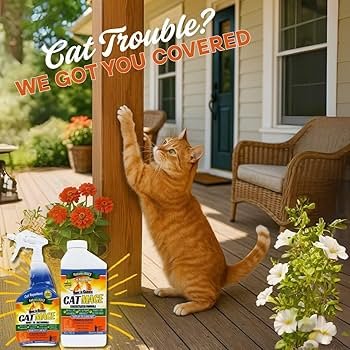
Apply Safe Repellent Sprays
Using sprays made specifically to repel cats offers a safe and easy way to keep them at a distance. These sprays usually contain scents that cats dislike but are harmless to both animals and plants.
Apply the spray around garden beds, fences, or under porches to create a clear "no-go" zone. Remember to reapply after rain or watering to keep the effect strong.
Block Shelter Areas
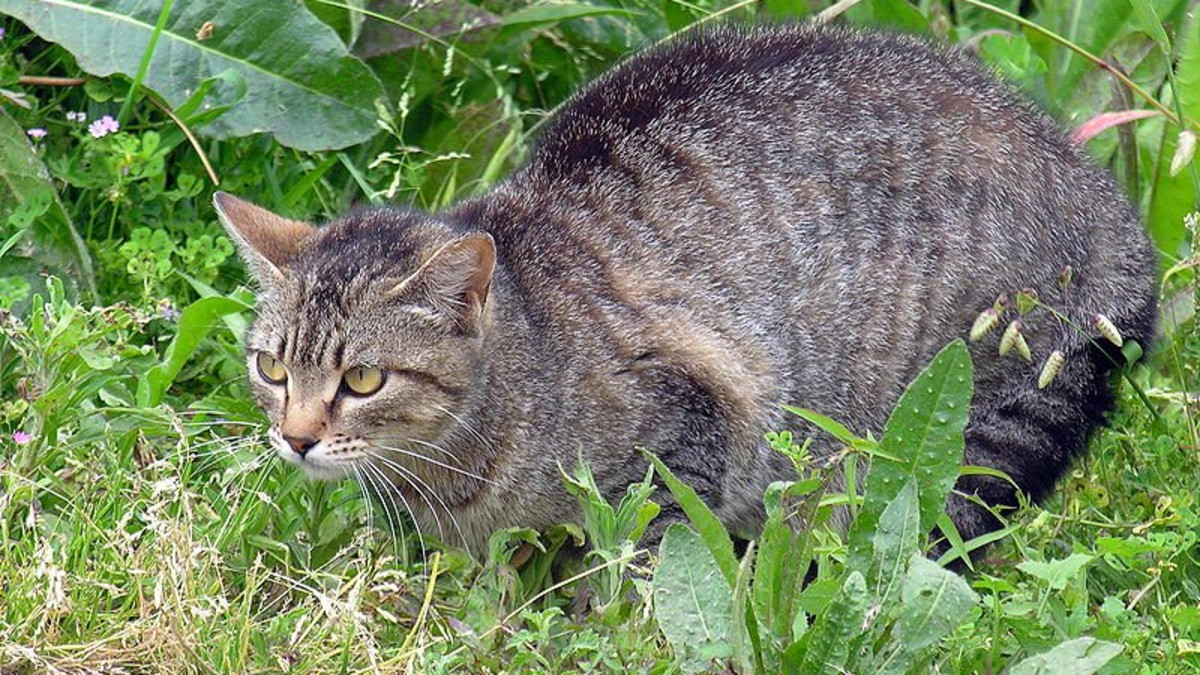
Stray cats often seek quiet, safe places to rest near homes. Blocking their shelter areas helps keep them away. Cats prefer spots where they feel protected from weather and threats. Removing these options reduces their chance to stay close to your house.
Focus on areas like under decks, porches, and sheds. These spots give stray cats hiding places. Clearing and sealing these spaces limits their access and comfort.
Seal Entry Points
Check your house for small gaps and holes. Cats can squeeze through very narrow openings. Use materials like wire mesh or wood to close these spaces. Pay attention to vents, crawl spaces, and under doors. Sealing these stops cats from entering or nesting.
Remove Debris And Hiding Spots
Clear away piles of wood, leaves, and trash near your home. Stray cats hide in cluttered areas. Keeping your yard clean removes their shelter options. Trim thick bushes and tall grass where cats can hide. A tidy yard makes your property less inviting to stray cats.
Use Sound And Light Deterrents
Using sound and light deterrents is an effective way to discourage stray cats from hanging around your property without causing them harm. These tools create an uncomfortable environment for the cats, encouraging them to move on. You can easily set up these devices, and they require minimal maintenance once installed.
Ultrasonic Devices
Ultrasonic devices emit high-frequency sounds that are unpleasant to cats but usually inaudible to humans. Placing these devices near entry points or garden areas can make your property less inviting to stray cats. Many users report quick results, especially when the device activates only when motion is detected, saving energy and preventing habituation.
Think about areas where cats often linger—installing an ultrasonic device there can help break their routine. Have you noticed how some cats avoid certain spots suddenly? That could be the effect of these subtle, yet effective sounds.
Bright Lights At Night
Stray cats prefer dark, quiet places to rest and roam. Installing bright lights, such as motion-activated floodlights, disrupts their comfort zones. The sudden illumination startles them and makes your yard less attractive as a nighttime hangout.
Try positioning lights near trash bins or garden beds where cats tend to gather. You’ll notice a significant reduction in visits once the area becomes too bright for them to feel safe. Have you ever felt uneasy in a brightly lit area at night? Cats feel the same way.
Credit: dengarden.com
Work With Local Animal Services
Working with local animal services can help manage stray cats safely and humanely. These organizations have the experience and resources to address stray cat issues effectively. They can guide you on the best actions to protect your property and care for the animals.
Trap-neuter-return Programs
Trap-Neuter-Return (TNR) programs catch stray cats, spay or neuter them, and then release them back. This stops the cat population from growing. TNR also helps reduce noise and fighting among cats. Local animal services often run or support these programs. They can provide traps and instructions for safe handling.
Adoption And Relocation Options
Animal services can assist in finding homes for friendly stray cats. They may also help relocate cats to safe areas where they have shelter and food. Adoption programs give cats a chance at a better life. Relocation keeps cats away from your property without harm. These options support both your needs and the cats’ wellbeing.
Maintain Yard Cleanliness
Maintaining yard cleanliness plays a key role in keeping stray cats away. Cats seek places with food scraps, shelter, and hiding spots. A clean yard removes these attractions. It also helps your home look neat and cared for. Simple habits can make a big difference in discouraging stray cats from visiting your property.
Regularly Clear Trash
Trash attracts stray cats and other animals. Always use bins with tight-fitting lids. Empty garbage containers often to avoid bad smells. Clean any spilled food or drink around trash bins. Avoid leaving pet food or scraps outside. These steps reduce the chance of cats coming near your home. A tidy trash area is less inviting to strays.
Keep Grass Short
Long grass gives cats a quiet place to hide and rest. Mow your lawn regularly to keep it short and open. This makes your yard less comfortable and safe for stray cats. Short grass also improves visibility, so you can spot animals easily. A well-kept lawn sends a clear message: this is not a good spot for strays.
:max_bytes(150000):strip_icc()/GettyImages-987124336-cfedea8ab77e4e97b7f0b142f8163e2d.jpg)
Credit: www.thespruce.com

Credit: www.amazon.com
Frequently Asked Questions
How Can I Prevent Stray Cats From Entering My Yard?
Remove food sources and secure trash bins. Use cat repellents or motion-activated sprinklers. Plant cat-repellent herbs like lavender or rue to discourage visits.
What Natural Methods Repel Stray Cats Effectively?
Use citrus peels, coffee grounds, or vinegar sprays. These scents irritate cats and keep them away without harm. Planting rue, lavender, or pennyroyal also helps.
Are Ultrasonic Devices Safe To Keep Cats Away?
Yes, ultrasonic repellents emit sounds unpleasant to cats but inaudible to humans. They are humane and effective when positioned correctly near entry points.
How Do I Humanely Discourage Stray Cats From My Property?
Provide alternative shelter away from your home. Use humane deterrents like motion-activated sprinklers or safe repellents. Avoid harming or feeding stray cats.
Conclusion
Keeping stray cats away can be a challenge, but it's doable. Use friendly methods like scent repellents and barriers. Secure trash cans to remove food temptations. Cats will move on when they find no food or shelter. Regularly check your yard for signs of strays.
This ensures your space remains cat-free. You can also contact local shelters for guidance. They often offer helpful advice. With patience and consistency, your home will be stray-free. Enjoy a peaceful, cat-free environment. Your efforts will pay off. Stay persistent, and good luck!