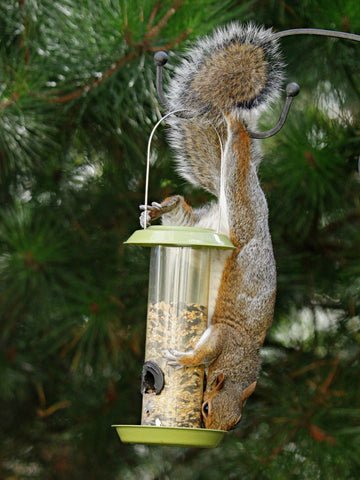
Do you love watching birds flutter around your backyard feeder, only to be constantly thwarted by pesky squirrels treating it like their personal buffet? You're not alone.
Many bird enthusiasts face the same challenge. Squirrels are clever, persistent, and always on the lookout for an easy meal. But don't worry, there's a way to reclaim your bird feeder for the birds. In this guide, you'll discover simple and effective strategies to keep those nimble intruders at bay.
Imagine your backyard filled with the cheerful chirps of birds, free from squirrel interference. Ready to make that a reality? Let's dive in and explore how you can finally stop squirrels from eating your bird seed.

Credit: www.popsci.com
Why Squirrels Love Bird Seed
Squirrels are notorious for raiding bird feeders, but have you ever wondered why bird seed is so irresistible to them? Understanding what draws squirrels to your bird seed can help you find better ways to protect your feeders. Let’s take a closer look at their feeding habits and seed preferences.
Squirrel Feeding Habits
Squirrels are opportunistic eaters. They don’t just eat what’s convenient; they seek out high-energy foods to fuel their active lifestyle. This means your bird seed is like a buffet of calories waiting to be taken advantage of.
These animals are also clever and persistent. If they find a reliable food source, they will keep coming back. You might notice them visiting your feeders multiple times a day, especially during colder months when natural food is scarce.
Have you observed how quickly squirrels adapt to new food sources in your yard? That’s because they have excellent memories and problem-solving skills, making it challenging to keep them away.
Favorite Seeds And Snacks
Not all bird seeds are equally tempting to squirrels. They have clear favorites that they will go out of their way to find, including:
- Sunflower seeds:High in fat and easy to crack open, these are irresistible to squirrels.
- Peanuts:Another fatty snack that squirrels love for its energy content.
- Millet:Small and lightweight, but still a tasty treat for squirrels.
Interestingly, squirrels often ignore seeds with spicy coatings or bitter tastes. Have you ever tried adding cayenne pepper to your seed mix? It’s a simple trick that can deter squirrels without harming birds.
By knowing what attracts squirrels, you can start to think about what to offer your feathered friends and what to avoid if you want to keep squirrels away.

Credit: duncraft.com
Choosing Squirrel-resistant Bird Feeders
Choosing the right bird feeder can make a huge difference in keeping squirrels away from your bird seed. Not all feeders are created equal when it comes to deterring these clever little invaders. Picking a squirrel-resistant feeder means less wasted seed, fewer squirrel visits, and more enjoyment watching just the birds you want.
Types Of Squirrel-proof Feeders
Squirrel-proof feeders come in several designs, each with its unique way to keep squirrels out.
- Weight-Activated Feeders:These feeders close off access to seed when a heavier animal, like a squirrel, climbs on. Birds can still feed easily because they are lighter.
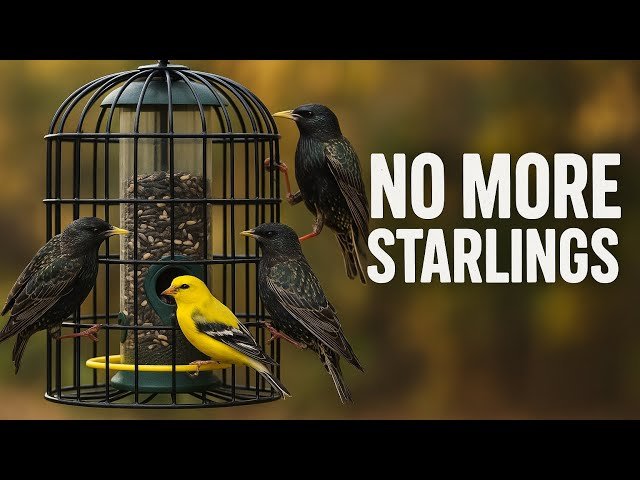
- Cage Feeders:A metal cage surrounds the seed area, allowing small birds to enter while keeping squirrels out. This works well if you have smaller backyard birds.
- Tube Feeders with Small Ports:These have tiny feeding holes that only allow small bird beaks through, making it hard for squirrels to get a grip.
- Feeders with Baffles:These use dome-shaped or cone-shaped guards mounted above or below the feeder to block squirrels from climbing down or jumping onto it.
Think about the types of birds you want to attract and how squirrels behave around your feeder when choosing the design. You might need to try a couple of styles before finding the perfect fit.
Placement Tips To Deter Squirrels
Where you put your feeder is just as important as the feeder itself. Squirrels are excellent jumpers and climbers, so placement can help reduce their access.
- Place feeders at least 10 feet away from launching points like trees, fences, or roofs. Squirrels can jump up to 8 feet horizontally, so keep a safe distance.
- Mount feeders on poles with smooth, metal baffles installed below to prevent climbing.
- Avoid placing feeders near squirrel nests or dens, as they will be more determined to reach the seed.
Have you noticed how squirrels find the easiest path to your feeder? Adjusting the location might surprise you by cutting down their visits dramatically. Try moving your feeder around and observe which spot keeps squirrels at bay the most.
Using Natural Deterrents
Using natural deterrents offers a safe way to keep squirrels away from bird seed. These options do not harm the squirrels or the birds. They create an environment where squirrels feel uncomfortable but birds remain undisturbed. Natural deterrents are easy to apply and often use common household items or garden plants. This approach blends well with outdoor spaces and supports a healthy ecosystem.
Spices And Herbs That Repel
Certain spices and herbs have smells that squirrels dislike. Sprinkling these around bird feeders can reduce squirrel visits.
- Chili powder or cayenne pepper: Squirrels avoid the spicy scent.
- Garlic powder: Strong smell keeps squirrels at bay.
- Mint leaves: Fresh mint deters squirrels naturally.
- Rosemary and lavender: Pleasant for humans, off-putting for squirrels.
Sprinkle these spices lightly on bird seed or around feeders. Reapply after rain for best results. Planting mint or rosemary near feeders adds a natural barrier. These herbs also attract beneficial insects and pollinators.
Safe Repellent Sprays
Natural repellent sprays use ingredients safe for birds and plants. They create a scent barrier that squirrels avoid.
- Make a homemade spray with water and hot pepper sauce.
- Essential oils like peppermint or eucalyptus work well in sprays.
- Commercial sprays with natural ingredients are available in garden stores.
Spray feeders, poles, and surrounding areas regularly. Avoid spraying directly on bird seed to keep it fresh and edible. These sprays need frequent reapplication, especially after rain or watering.
Modifying Feeding Practices
Modifying how you feed birds can make a big difference in keeping squirrels away from your bird seed. Simple changes in your routine and setup can reduce the chances of squirrels sneaking in for a free meal. These adjustments help you enjoy birdwatching without the frustration of constantly refilling feeders.
Feeding Schedule Adjustments
Try feeding birds at specific times rather than leaving seed out all day. Squirrels are less likely to visit if food isn’t available around the clock. Feeding early in the morning and cleaning up leftover seed by evening can cut down on unwanted squirrel visits.
Have you noticed squirrels coming out mostly during midday? Matching your feeding times to when birds are most active but squirrels are less active can help. This small change can save you seed and reduce squirrel problems.
Limiting Seed Spillage
Spilled seed on the ground is like an open invitation for squirrels. Use feeders designed to minimize spillage or add trays to catch falling seed. This stops squirrels from finding easy snacks below your feeders.
Regularly cleaning the area under your feeders also helps. Removing fallen seed quickly means squirrels have less reason to hang around. Have you tried placing feeders over hard surfaces like concrete? This makes it harder for seeds to scatter and attract squirrels.
Creating Alternative Food Sources
Creating alternative food sources is a smart way to protect your bird seed from hungry squirrels while still enjoying wildlife in your yard. Instead of trying to outsmart these clever critters, you can redirect their attention to something they like just as much. This approach keeps both birds and squirrels happy and reduces frustration for you.
Setting Up Squirrel Feeders
Giving squirrels their own feeder can make a big difference. Place a squirrel feeder a good distance from your bird feeders—about 10 to 15 feet away works well. This separation helps squirrels focus on their own food and leaves the bird seed alone.
Choose a feeder designed specifically for squirrels. These often have larger trays or platforms where squirrels can comfortably eat. Fill it with treats squirrels love, like sunflower seeds, corn, or peanuts.
From my experience, squirrels quickly learn where their dedicated feeder is and visit it regularly. It’s amazing how quickly they’ll switch from raiding your bird feeders when they have a reliable food spot of their own.
Offering Preferred Snacks
Offering snacks that squirrels prefer can keep them away from your bird seed. Squirrels enjoy a variety of foods that don’t attract birds as much. Try putting out:
- Raw peanuts in the shell
- Chunks of unsalted corn on the cob
- Pieces of apple or carrot
These options are tasty for squirrels but less appealing to birds, which reduces competition. You might even notice squirrels coming back just for these snacks, leaving your bird seed untouched.
What types of snacks could you try to keep squirrels entertained? Experiment with different foods and watch which ones your squirrels prefer. This simple change could save your bird seed and keep your backyard visitors happy.
Physical Barriers And Traps
Stopping squirrels from eating bird seed often requires physical solutions. Barriers and traps can help protect your feeders and keep squirrels away. These methods work by blocking access or safely catching the squirrels. Proper use of these tools can reduce frustration and preserve food for birds.
Installing Baffles And Guards
Baffles and guards create a shield around bird feeders. They block squirrels from climbing or jumping onto feeders. These devices come in various shapes and materials. Common options include dome-shaped or cone-shaped baffles placed above or below feeders.
Place baffles on poles or hang them above feeders. Ensure they are slippery or angled to prevent squirrels from getting a grip. Metal or plastic guards work best. Keep feeders at least 5 feet away from trees or structures squirrels use to jump.
Baffles do not harm squirrels but make feeding difficult. This encourages squirrels to find other food sources. Regularly check and clean baffles for best results.
Humane Trapping Options
Humane traps catch squirrels without causing harm. These traps allow you to release squirrels far from your home. Use bait such as peanut butter or sunflower seeds to attract squirrels inside the trap.
Place traps near feeders or along squirrel paths. Monitor traps frequently to avoid stress for trapped animals. Wear gloves when handling trapped squirrels for safety and hygiene.
After release, relocate squirrels at least a mile away. Avoid trapping during breeding seasons to protect young squirrels. Humane traps offer a safe way to control squirrel activity around bird feeders.
Maintaining A Squirrel-free Feeding Area
Keeping squirrels away from bird feeders is a common challenge for many bird lovers. A squirrel-free feeding area protects bird seed and attracts more birds. It also keeps the feeding space clean and enjoyable. Small changes can make a big difference in deterring squirrels from the area.
Focus on cleanliness and smart landscaping. Both help create an environment that birds love but squirrels avoid.
Regular Cleaning And Seed Removal
Clean the feeding area often. Remove spilled seeds to reduce squirrel attraction. Leftover seeds on the ground invite squirrels and other unwanted animals.
Use a broom or rake to sweep up seed debris daily. Empty feeders regularly to check for mold or old seeds. Moldy seed can harm birds and attract pests.
Keep the ground under feeders clear of hulls and shells. These leftovers signal food is nearby. Cleaning helps keep squirrels away and maintains a healthy space for birds.
Landscaping To Discourage Squirrels
Choose plants and ground covers that squirrels dislike. Avoid nut-producing trees near feeders, as they attract squirrels. Use thorny or dense shrubs around the feeding area to block squirrel paths.
Install smooth, slippery poles for feeders. This makes climbing difficult for squirrels. Place feeders away from trees or structures squirrels can jump from.
Clear low branches within 10 feet of feeders. This reduces easy access points for squirrels. A well-planned landscape keeps squirrels at a distance and helps birds feed in peace.

Credit: www.popsci.com
Frequently Asked Questions
How Can I Prevent Squirrels From Eating Bird Seed?
Use squirrel-proof feeders, place feeders away from trees, and add hot pepper to seeds. These methods deter squirrels without harming birds.
What Types Of Bird Seed Do Squirrels Avoid?
Squirrels dislike safflower seeds and nyjer seeds. Using these can reduce squirrel visits while still attracting birds.
Are There Natural Repellents To Keep Squirrels Away?
Yes, cayenne pepper, garlic, and peppermint oil act as natural squirrel repellents. Sprinkle them around feeders to discourage squirrels.
Can Physical Barriers Stop Squirrels From Bird Feeders?
Yes, baffles and cages around feeders block squirrel access effectively. Ensure feeders hang on poles away from jump points.
Conclusion
Stopping squirrels from eating bird seed takes patience and effort. Try different methods to see what works best for you. Use squirrel-proof feeders or place seed where squirrels can't reach. Keep the feeding area clean to avoid attracting them. Remember, squirrels are smart and persistent.
Stay consistent and adjust your approach as needed. Enjoy watching birds without constant squirrel interruptions. This way, you protect your bird seed and help local wildlife thrive.