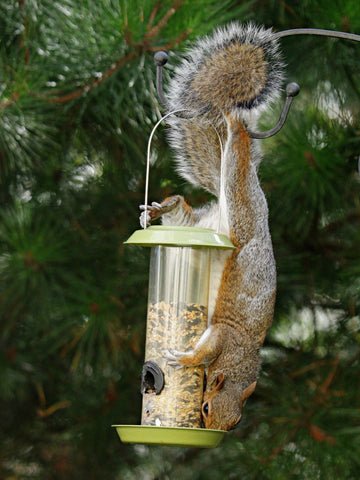
Are you tired of watching your bird feeder turn into a squirrel buffet? You're not alone.
Many bird lovers face the challenge of keeping these cheeky critters away from their feathered friends' food. While squirrels are cute, their relentless pursuit of birdseed can be frustrating and costly. Imagine a peaceful morning, sipping your coffee, watching colorful birds fluttering around your feeder, uninterrupted by furry invaders.
Sounds perfect, right? In this guide, you’ll discover simple and effective strategies to reclaim your bird feeder and ensure it remains a haven for birds. Stick around, and soon you'll be the proud owner of a squirrel-proof bird paradise.
Why Squirrels Visit Bird Feeders
Squirrels often visit bird feeders, causing frustration for many bird lovers. Understanding why squirrels come to feeders helps manage their visits better. Their natural behavior and habits explain this curious attraction.
Attraction To Food
Squirrels are drawn to bird feeders mainly for food. They enjoy seeds, nuts, and suet found in feeders. The easy access to high-energy food makes feeders a perfect snack spot. Squirrels have a strong sense of smell that leads them to feeders quickly. The variety of food offers a reliable source during winter and other seasons.
Common Feeding Habits
Squirrels are opportunistic feeders, eating almost anything available. They often raid bird feeders during early morning or late afternoon. Their agile bodies help them climb poles and jump onto feeders easily. Squirrels store food in their cheeks, carrying seeds away to hide later. This behavior ensures they have food during scarce times.
Choosing The Right Feeder
Choosing the right bird feeder is key to keeping squirrels away. The feeder must attract birds but stop squirrels from stealing food. This balance helps you enjoy watching birds without constant interruptions.
Squirrel-proof Designs
Squirrel-proof feeders have special features that block squirrels. Some use weight-sensitive mechanisms that close access when a heavy animal lands. Others have cages or cages that only let small birds enter. These designs keep squirrels frustrated and away from the seeds.
Look for feeders with:
- Weight-activated perches that close feeding ports
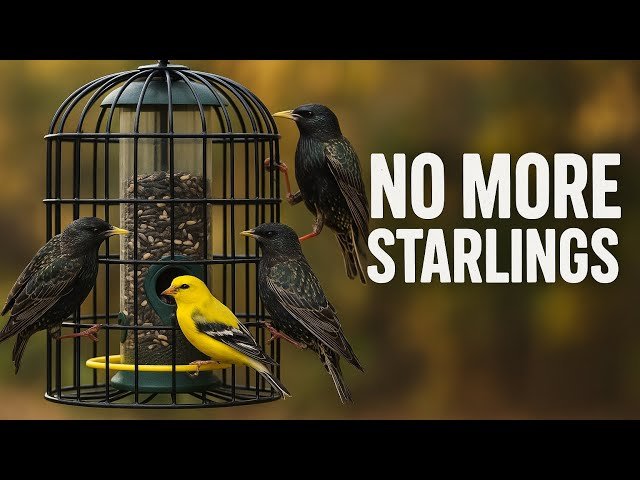
- Protective cages around seed holders
- Slippery or smooth poles that squirrels cannot climb
- Seed compartments that only small birds can reach
Material And Placement Tips
Material affects feeder durability and squirrel resistance. Metal feeders are harder for squirrels to chew through. Plastic feeders may get damaged quickly by persistent squirrels.
Placement matters for stopping squirrels. Place feeders away from trees, fences, and roofs. Squirrels use these as jumping points. Hanging feeders on thin, smooth poles reduces squirrel access.
Try these tips:
- Use metal poles with baffles below the feeder
- Keep feeders at least 10 feet from jump points
- Mount feeders 5 feet above the ground
- Choose feeders with removable trays for easy cleaning
Physical Barriers To Keep Squirrels Away
Physical barriers offer one of the most effective ways to keep squirrels off your bird feeder. These solutions don’t harm the squirrels but make it tricky or impossible for them to reach the food. They work by blocking or redirecting squirrels, allowing only birds to enjoy the feeder.
Baffles And Guards
Baffles are dome- or cone-shaped barriers placed above or below the feeder. They prevent squirrels from climbing down or up to the feeder by creating a slippery or unreachable surface. Installing a baffle on the pole or hanging feeder can cut down squirrel visits dramatically.
Guards act like shields around the feeder itself. You can find squirrel-proof feeders with built-in cages or metal guards that let small birds in but keep squirrels out. A guard with a weight-sensitive mechanism closes access when a heavier animal, like a squirrel, tries to feed.
Have you tried combining both? Using a baffle and a guard together can increase your chances of keeping squirrels away. The key is to ensure the barrier is properly installed and maintained; squirrels are clever and persistent.
Placement Strategies
Where you put your feeder can make a big difference. Squirrels are excellent jumpers and climbers, so placing feeders too close to trees, fences, or roofs gives them easy access. Try positioning feeders at least 10 feet away from launching points.
Mounting feeders on smooth metal poles makes climbing harder for squirrels. If you use poles, adding a baffle below the feeder is a smart move. Also, hanging feeders from thin, flexible wires between poles can reduce squirrel visits, as they struggle to balance.
Ask yourself: Could a squirrel jump or climb onto my feeder from nearby objects? Taking time to observe your yard helps you spot potential squirrel paths. Adjusting feeder placement based on what you see can save you a lot of frustration.
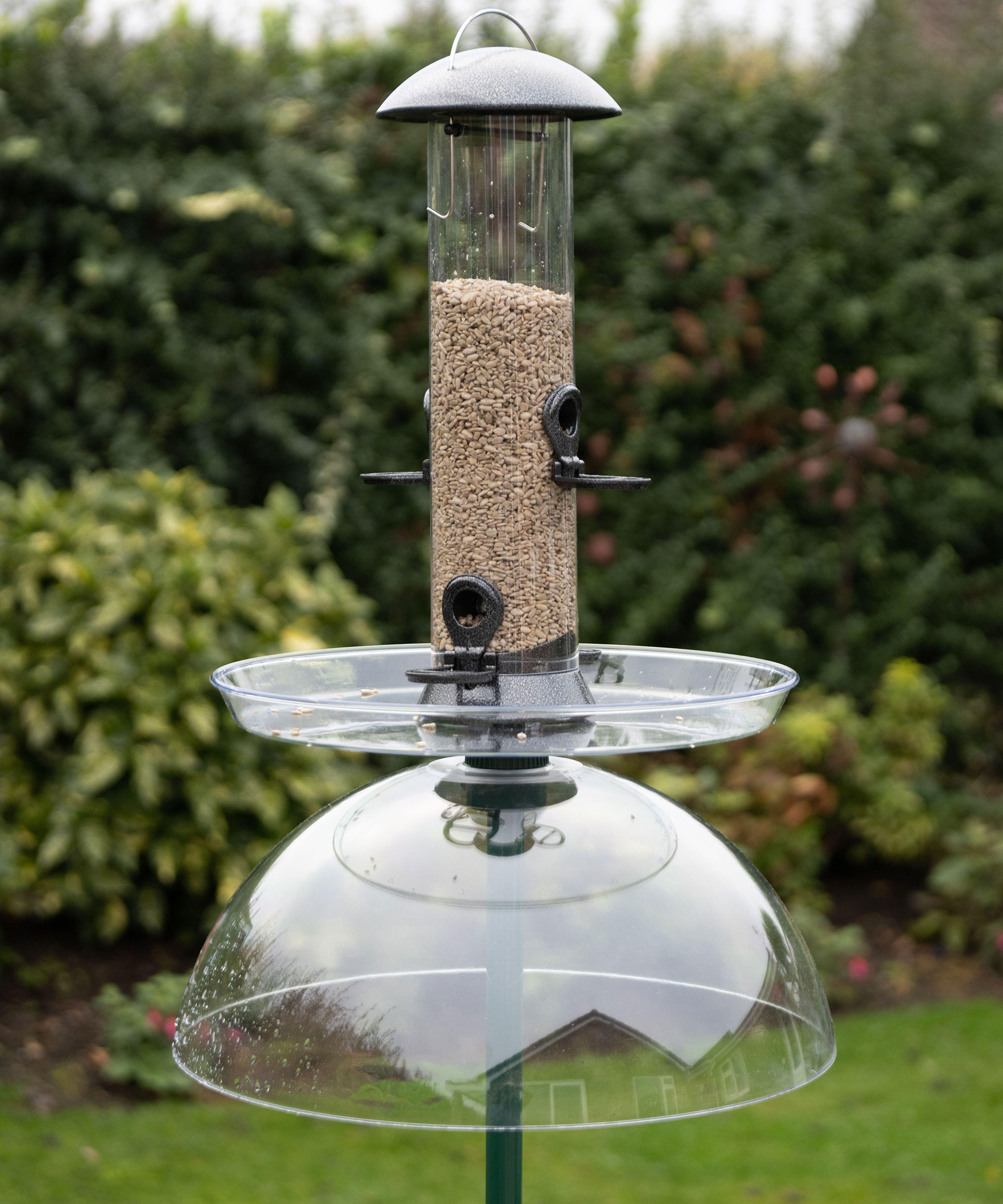
Credit: www.homesandgardens.com
Using Natural Repellents
Using natural repellents is a smart way to keep squirrels off your bird feeder without harming them or disturbing the local environment. These repellents rely on scents and tastes that squirrels find unpleasant, which can gently encourage them to stay away. They offer a safe, eco-friendly solution that lets you enjoy watching birds without unwanted furry visitors.
Spices And Scents
Strong smells can be a powerful deterrent for squirrels. Spices like cayenne pepper or chili powder irritate their noses and mouths, making your bird feeder an unattractive spot.
You can sprinkle these spices directly on the birdseed or around the feeder base. Keep in mind, though, to reapply after rain or wind to maintain effectiveness.
Some people use natural oils like peppermint or eucalyptus oil by soaking cotton balls and placing them near the feeder. Have you ever noticed how squirrels avoid areas with certain smells in your garden? This method taps into that natural behavior.
Plants That Deter Squirrels
Planting specific types of vegetation around your feeding area can create a natural barrier. Squirrels tend to avoid plants with strong scents or prickly textures.
- Lavender:Its strong fragrance keeps squirrels at bay and adds beauty to your garden.
- Mint:Besides repelling squirrels, mint grows quickly and spreads easily, so plant it in containers.
- Rosemary:This herb is tough and aromatic, discouraging squirrels from coming close.
Have you tried planting any of these near your feeder? They not only help keep squirrels away but also enhance your garden’s aroma and appearance.
Feeding Alternatives For Squirrels
Providing feeding alternatives for squirrels can be a smart way to keep them away from your bird feeder while still enjoying their lively presence in your yard. Squirrels are naturally curious and resourceful, so giving them their own designated food spot can reduce their interest in birdseed. This approach not only protects your bird feeder but also offers a win-win situation for both birds and squirrels.
Separate Feeding Stations
Setting up a separate feeding station specifically for squirrels can help divert their attention from your bird feeder. Place a platform or tray feeder away from your bird feeder, ideally in a different part of your yard. This gives squirrels a dedicated spot to snack without disturbing the birds.
Choose a location that is easy for squirrels to access but a bit challenging for birds to reach. Adding some nuts, corn, or sunflower seeds here can satisfy the squirrels’ appetite. I once noticed that after setting up a separate feeding station, the squirrels stopped raiding my bird feeder within days.
Food Choices To Divert Attention
Not all foods attract squirrels equally. Selecting specific types of food can keep squirrels busy and less interested in bird feeders. Peanuts in the shell, corn on the cob, and unsalted nuts are favorites for squirrels and can be placed in their feeding area.
Meanwhile, use safflower seeds or nyjer seeds in your bird feeder, as these are less appealing to squirrels. Have you tried changing the type of seeds you use? This simple switch can make a noticeable difference in who visits your feeder.

Credit: www.yahoo.com
Maintenance And Regular Upkeep
Maintenance and regular upkeep are vital to keep squirrels away from your bird feeder. Without proper care, squirrels quickly learn how to bypass barriers and continue raiding feeders. Consistent attention ensures feeders remain safe and inviting only for birds.
Setting up deterrents is not a one-time task. Feeders need regular cleaning and adjustments to maintain their effectiveness. This ongoing effort reduces squirrel visits and supports a healthy feeding environment for birds.
Cleaning Feeders
Clean feeders often to remove leftover seeds and debris. Old seeds attract squirrels and other pests. Use a mild soap and warm water to wash all feeder parts.
Rinse thoroughly to remove soap residue. Dry feeders completely before refilling them. Regular cleaning prevents mold growth and keeps birds healthy.
Monitoring And Adjusting Methods
Watch how squirrels interact with your feeder. Note any new tricks they use to reach seeds. Change your squirrel deterrent methods as needed.
Try adjusting feeder height or adding squirrel baffles. Test different seed types to find those less attractive to squirrels. Keep track of what works best over time.
Stay patient and persistent. Squirrels adapt quickly, so you must adapt too. Regular monitoring ensures your feeder stays squirrel-free.
When To Seek Professional Help
Sometimes, squirrels cause more than just minor trouble at bird feeders. Their presence might escalate into a serious problem. Knowing when to call a professional can save your property and peace of mind. Professionals have the tools and knowledge to handle squirrel issues safely and effectively. Acting early prevents damage and health risks.
Signs Of Infestation
- Chewed holes in bird feeders or nearby structures
- Large amounts of squirrel droppings under feeders
- Persistent scratching or scampering sounds in walls or attic
- Visible nests close to your home or garden area
- Damage to electrical wiring or insulation materials
Safe Removal Options
Professionals use humane traps to catch squirrels without harm. They relocate animals far from your home to prevent return visits. Experts seal entry points to stop squirrels from entering buildings. Removal includes cleaning and disinfecting areas to avoid diseases. They advise on long-term prevention tailored to your property.

Credit: www.popsci.com
Frequently Asked Questions
How Can I Stop Squirrels From Eating Bird Food?
Use squirrel-proof feeders with weight-sensitive perches. Place feeders away from jumping spots. Add spicy pepper to seeds; squirrels dislike the taste but birds don’t mind.
What Are Effective Squirrel Deterrents For Bird Feeders?
Install baffles above or below feeders to block squirrels. Motion-activated sprinklers or noise devices can scare them away. Regularly clean spilled seeds to avoid attracting squirrels.
Which Feeder Types Prevent Squirrel Access Best?
Caged feeders or tube feeders with small feeding ports limit squirrel access. Feeders made of metal are harder for squirrels to chew through. Weight-activated feeders close ports under heavy squirrel weight.
Can Natural Repellents Keep Squirrels Off Bird Feeders?
Yes, sprinkling cayenne pepper or garlic powder on seeds deters squirrels. Squirrels dislike strong smells and spicy flavors but birds are unaffected. Reapply repellents after rain for effectiveness.
Conclusion
Squirrels can be a big problem for bird feeders. Use simple tricks to keep them away. Try squirrel baffles, spicy birdseed, or feeder designs that block squirrels. Change your feeder’s location often. Be patient and watch what works best. Enjoy feeding the birds without unwanted visitors.
A little effort brings peaceful birdwatching time. Keep your feeder safe and squirrel-free.