When your dog is sick and refuses to eat, it can feel heartbreaking and stressful. You want to help your furry friend get better, but without food, recovery can be slow.
You’re not alone—many pet owners face this challenge. The good news is there are simple, effective ways to encourage your sick dog to eat. You’ll discover practical tips that can make mealtime easier and help your dog regain strength faster.
Keep reading to learn how you can support your dog’s health through better eating habits today.

Credit: dogsauce.co
Recognizing Appetite Loss In Dogs
Dogs can lose their appetite for many reasons. Knowing the signs helps you care for them better.
Observe your dog's eating habits closely. A change might indicate a health issue.
Common Signs Of Reduced Eating
Look for signs that your dog is not eating well. Recognizing these signs early is key.
- Food left in the bowl
- Weight loss over time
- Lack of interest in treats
- Slow eating or chewing
- Changes in energy levels
When To Seek Veterinary Care
Some situations require a veterinarian. It is important to know when to seek help.
If your dog refuses food for more than a day, consult a vet. Prompt action can prevent serious health issues.
- Continuous refusal to eat
- Vomiting or diarrhea
- Signs of pain or discomfort
- Noticeable weight loss
- Changes in drinking habits
Credit: medium.com
Causes Of Poor Appetite
Dogs may lose their appetite for many reasons. Understanding these causes helps you care for a sick dog better.
Some common causes of poor appetite include illness, medication side effects, and stress from changes in the environment.
Illness And Pain
Sick dogs often feel pain or discomfort that makes eating hard. Pain in the mouth, teeth, or stomach can stop a dog from eating.
Illness like infections or organ problems also reduce a dog’s hunger. When your dog feels weak, food is not a priority.
Medication Side Effects
Some medicines can change a dog’s appetite. They might cause nausea or a bad taste in the mouth.
These side effects make dogs eat less or refuse food. Always watch your dog closely after giving new medicine.
Stress And Environmental Changes
Stress can cause a dog to stop eating. Changes like new homes, loud noises, or new pets can upset dogs.
Dogs feel safe and eat better in calm and familiar places. Stress can reduce their interest in food.
Preparing Food To Attract Sick Dogs
Getting a sick dog to eat can be difficult. Their appetite may be low because of illness or medicine.
Preparing food that looks, smells, and tastes good helps encourage them to eat. Small changes make a big difference.
Choosing Nutritious, Easy-to-digest Foods
Pick foods that are gentle on your dog's stomach. Avoid hard or spicy foods that may cause upset.
Simple ingredients help your dog get nutrients without stress. Protein and carbs should be easy to digest.
- Boiled chicken or turkey without skin
- Cooked white rice or plain pasta
- Mashed sweet potatoes or pumpkin
- Low-fat cottage cheese
- Plain yogurt with live cultures
Warming And Enhancing Food Aroma
Warming food can make it more appealing. Heat releases smells that attract your dog’s attention.
Add mild flavors that dogs like. Avoid strong spices or ingredients that could upset their stomach.
- Warm food in the microwave for 10-15 seconds
- Mix in a bit of low-sodium chicken broth
- Add a small spoon of canned pumpkin for taste
- Sprinkle finely chopped fresh parsley
Using Wet Food Vs. Dry Food
Wet food is often easier for sick dogs to eat. It has more moisture and soft texture.
Dry food can be hard and less tasty when dogs feel unwell. Wet food may help increase appetite.
- Wet food offers stronger smell and softer texture
- Dry food may be mixed with water to soften
- Choose high-quality wet food with balanced nutrients
- Consult your vet about the best food type
Feeding Techniques To Encourage Eating
When a dog is sick, they may lose interest in food. Encouraging them to eat can help their recovery.
Using gentle feeding techniques can make meals easier for your dog. Small changes help your pet feel comfortable.
Small, Frequent Meals
Offer your dog smaller meals many times a day. This is easier for them to eat and digest.
Smaller portions reduce the chance of nausea. They also keep your dog’s energy up throughout the day.
- Divide daily food into 4 to 6 small meals
- Feed every 2 to 3 hours
- Use soft or wet food to make eating easier
- Warm the food slightly to improve smell and taste
Hand-feeding Tips
Hand-feeding can encourage your dog to eat if they feel weak or scared. It shows care and helps build trust.
Use your fingers or a spoon to offer small bites. Let your dog eat at their own pace without rushing.
- Choose a quiet spot without distractions
- Offer soft food by hand in small pieces
- Speak softly and gently to calm your dog
- Stop feeding if your dog shows stress or refuses
Creating A Calm Feeding Environment
A calm place helps your dog focus on eating. Loud noises or other pets can make your dog anxious.
Feed your dog in a quiet, comfortable area. Keep their food bowl clean and use familiar dishes.
- Choose a quiet room with little foot traffic
- Keep other pets away during feeding times
- Remove loud noises like TV or music
- Use a non-slip mat under the food bowl
Supplements And Appetite Stimulants
When a dog feels sick, it may lose interest in food. Feeding becomes a challenge for pet owners. Supplements and appetite stimulants can help encourage eating.
These options support the dog's health and can improve appetite naturally or with medicine. It is important to choose the right approach for your dog’s needs.
Natural Appetite Boosters
Natural appetite boosters come from herbs, foods, or vitamins. They can help improve a sick dog’s desire to eat without strong chemicals.
Some natural boosters also support digestion and reduce nausea, making eating easier for the dog.
- Ginger helps reduce nausea and improves appetite.
- Peppermint can calm the stomach and encourage eating.
- Chicken broth adds flavor and moisture to dry food.
- Fish oil provides omega-3 fatty acids that support health.
- Vitamin B complex boosts energy and appetite.
Veterinary-prescribed Options
Some dogs need stronger help to eat when they are sick. Vets can prescribe appetite stimulants that work safely for your dog.
These medicines help increase hunger and can treat underlying causes of poor appetite.
- Mirtazapine is often used to stimulate appetite in dogs.
- Cyproheptadine can increase hunger and reduce nausea.
- Maropitant helps control vomiting and can improve eating.
- Medications are given under vet supervision for safety.
Monitoring Progress And Adjusting
Helping a sick dog eat can be tough. Watching how your dog responds is very important.
Careful monitoring helps you know if your dog is getting better or needs more help.
Tracking Food Intake
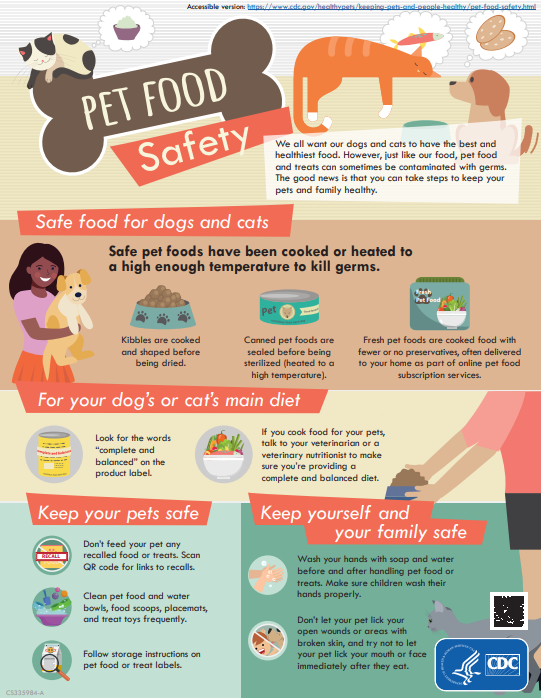
Keep a record of how much your dog eats each day. This shows if your dog is eating enough.
Note the type of food and times you offer meals. This helps find the best feeding routine.
- Measure the amount of food offered and eaten
- Write down meal times and food types
- Look for changes in appetite or preferences
- Share this information with your vet
Signs Of Improvement Or Concern
Watch your dog for signs of feeling better or worse. This helps you decide what to do next.
Good signs include eating more, being active, and having normal bathroom habits.
- Increased food intake and interest in meals
- More energy and playful behavior
- Normal bowel movements and urination
- Weight gain or stable weight
- Signs of worry: vomiting, diarrhea, or refusal to eat
- Excessive drooling, coughing, or lethargy
- Any new or worsening symptoms
Credit: www.cdc.gov
Frequently Asked Questions
Why Is My Sick Dog Refusing To Eat?
A sick dog may refuse food due to pain, nausea, or infection. Illness can reduce appetite. Always consult your vet to identify the cause and get proper treatment.
How Can I Encourage A Sick Dog To Eat?
Try offering bland, easy-to-digest foods like boiled chicken and rice. Warm the food slightly. Use hand-feeding and ensure a calm environment to stimulate appetite.
When Should I Worry If My Dog Won’t Eat?
If your dog refuses food for more than 24-48 hours or shows other symptoms, consult a vet immediately. Prolonged anorexia can lead to serious health issues.
Can Appetite Stimulants Help A Sick Dog Eat?
Yes, vets may prescribe appetite stimulants for dogs with poor appetite. Use only under veterinary guidance to avoid side effects and ensure safety.
Conclusion
Helping a sick dog eat takes patience and care. Try different foods and feeding methods. Keep meals small and frequent to encourage eating. Watch your dog’s behavior and appetite closely. Always check with a vet if eating problems continue. Small steps can make a big difference.
Your dog needs your love and support now. Stay calm and positive throughout the process. Feeding your sick dog well helps them heal faster.