Are you worried about your furry friend's health because of worms? You're not alone.
Many dog owners like you are searching for effective and safe ways to tackle this pesky problem without rushing to the vet. Fortunately, there are home remedies that can help get rid of worms in dogs, ensuring your pet stays healthy and happy.
Imagine your dog playing energetically in the yard, free from discomfort. Intrigued? Keep reading to discover natural solutions that could save you time, money, and a whole lot of stress. Let's dive into the remedies that can make a difference in your dog's life.
Common Types Of Worms In Dogs
Knowing the common types of worms that can infect your dog helps you spot the signs early and choose the right home remedies. Worm infections can cause discomfort, weight loss, and even serious health problems if ignored. Let’s look at the main worms you should be aware of to keep your furry friend safe and healthy.
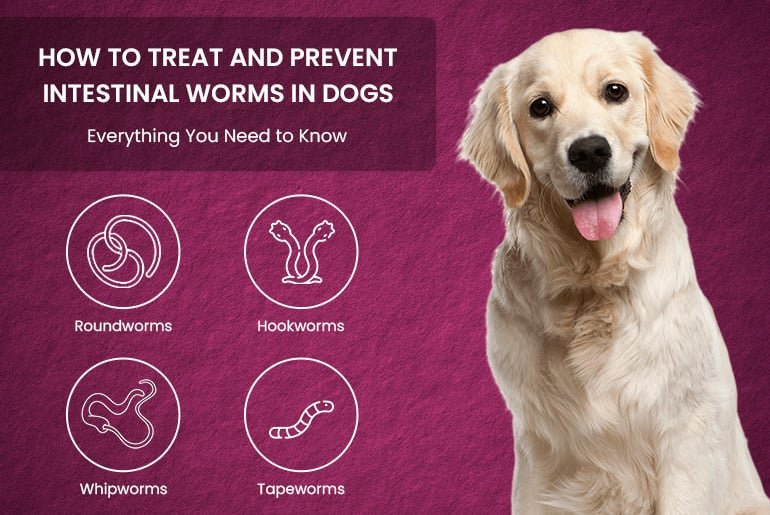
Roundworms
Roundworms are among the most common intestinal parasites in dogs. They look like spaghetti strands inside your dog’s stool or vomit. Dogs, especially puppies, can get these worms from their mother or by swallowing contaminated soil or feces.
You might notice a potbellied appearance or vomiting in your dog. Have you checked your dog’s stool recently? Spotting roundworms early can save you from costly vet visits.
Tapeworms
Tapeworms attach themselves to the intestines and appear as small, white rice-like segments near your dog’s rear end. These worms often come from fleas, so controlling fleas is key to preventing tapeworms.
Seeing these segments or your dog scratching its behind frequently are clear signs of tapeworms. Do you regularly check your dog for fleas? This simple habit can keep tapeworms away.
Hookworms
Hookworms latch onto the intestinal walls and feed on your dog’s blood, causing anemia and weakness. They are tiny and hard to spot but can cause serious problems, especially in puppies.
If your dog seems tired or has pale gums, hookworms might be the cause. Have you noticed any unexplained weakness in your dog lately? Early detection is crucial to avoid severe health issues.
Whipworms
Whipworms live in the large intestine and cause diarrhea and weight loss. These worms are harder to detect because symptoms may come and go.
Persistent diarrhea or sudden changes in your dog’s weight should prompt a closer look at whipworms. Have you tracked any ongoing digestive issues in your dog? Addressing these signs quickly can improve your dog’s quality of life.
Credit: blog.myollie.com
Signs Your Dog Has Worms
Noticing that your dog might have worms can be tricky at first. Worms don’t always show clear signs immediately, but there are subtle clues in your dog’s health and behavior you shouldn’t ignore. Catching these signs early can save your dog from discomfort and prevent the problem from getting worse.
Digestive Issues
One of the first signs your dog has worms is digestive trouble. You might see diarrhea or vomiting more often than usual. Sometimes, your dog’s stool can have mucus or even blood, which is a red flag.
Have you noticed your dog licking its rear excessively? This can mean irritation caused by worms. Keep an eye on changes in appetite too—worms can make your dog feel nauseous or less interested in food.
Weight Loss
Even if your dog is eating normally, sudden weight loss can signal a worm infection. Worms consume nutrients inside your dog’s intestines, leaving less for your pet. This can make your dog look thinner and weaker over time.
Think about how your dog looks compared to a few weeks ago. Are the ribs more visible? Does your dog seem less energetic? These signs often go hand-in-hand with weight loss caused by worms.
Visible Worms
Sometimes, worms or their segments are visible around your dog’s anus or in their stool. Tapeworm segments look like small grains of rice and can sometimes be seen on your dog’s bedding. Roundworms look like spaghetti and may appear in vomit or stool.
Spotting worms is a clear sign you need to act fast. If you see anything unusual, take a photo and show it to your vet. Immediate action can prevent serious health issues for your dog.
Behavioral Changes
Worms can affect your dog’s mood and behavior in surprising ways. You might notice your dog becoming more lethargic or restless. Sometimes, dogs with worms seem more irritable or anxious.
Has your normally playful dog started avoiding activity or hiding? These behavior shifts can mean your dog is in discomfort. Don’t overlook these subtle signals—they often point to underlying health problems like worms.
Safe Home Remedies To Treat Worms
Safe home remedies can help reduce worms in dogs naturally. These options support your dog’s health without harsh chemicals. Using common kitchen ingredients makes treatment simple and accessible.
These remedies work gently to expel worms and improve digestion. Consistent use can aid in keeping worms under control. Always monitor your dog’s response and consult a vet for severe cases.
Pumpkin Seeds
Pumpkin seeds contain cucurbitacin, a compound that paralyzes worms. This helps the body remove them easily. Crush raw, unsalted seeds and mix into your dog’s food.
- Use about 1 teaspoon per 10 pounds of dog weight.
- Feed daily for a week to see effects.
- Safe and nutritious, also supports digestion.
Carrots
Carrots act as a natural cleanser for the digestive tract. Their fiber content helps push out worms and toxins. Feed your dog raw or lightly cooked carrots in small pieces.
- Chop carrots finely for easier eating.
- Include as a snack or mix with meals.
- Vitamin A in carrots boosts immunity.
Coconut
Coconut has anti-parasitic properties that combat worms effectively. The oil and flesh both help expel parasites. Add small amounts of shredded coconut or coconut oil to meals.
- Start with 1/4 teaspoon for small dogs.
- Increase gradually to 1 teaspoon for larger dogs.
- Supports skin health and digestion too.
Apple Cider Vinegar
Apple cider vinegar creates an acidic environment that worms dislike. It also promotes good gut bacteria for digestion. Dilute the vinegar before offering it to your dog.
- Mix 1 teaspoon with a cup of water.
- Add to drinking water or food daily.
- Helps maintain overall gut health.

Credit: blog.myollie.com
Diet Adjustments For Worm Prevention
Adjusting your dog’s diet can help prevent worms naturally. Certain foods support a healthy digestive system and reduce the chance of worm infestations. Feeding the right nutrients strengthens your dog's body and immune system. These diet tweaks work well alongside other worm prevention methods.
High-fiber Foods
Fiber helps keep your dog’s intestines clean. It moves waste quickly, flushing out eggs and larvae. Good fiber sources include pumpkin, carrots, and green beans. These veggies are easy to add to your dog’s meals. Fiber also promotes healthy digestion and regular bowel movements.
Probiotics
Probiotics add good bacteria to your dog’s gut. Healthy bacteria fight off harmful worms and parasites. Yogurt with live cultures or special probiotic supplements work well. Probiotics improve digestion and boost your dog’s immune defense. A strong gut reduces the risk of worm problems.
Avoiding Raw Meat
Raw meat can carry worm larvae and parasites. Feeding only cooked or commercial dog food lowers infection risk. Cooking kills harmful organisms that cause worms. Keep raw meat away from your dog’s diet for safer meals. This simple step protects your dog from many intestinal worms.
Hygiene Practices To Stop Worm Infestation
Maintaining good hygiene is key to stopping worm infestations in dogs. Worm eggs and larvae can hide in many places around your home. Keeping your dog’s environment clean lowers the chance of infection. Simple daily habits help protect your dog’s health and comfort.
Regular Cleaning
Clean your dog’s bedding and toys often. Use hot water and soap to kill eggs and larvae. Vacuum floors and carpets regularly. This removes dirt and potential worm eggs. Wash food and water bowls daily to prevent contamination. A clean space keeps worms away.
Proper Waste Disposal
Pick up dog poop immediately from your yard or walks. Worm eggs are often in feces. Use sealed bags to throw away waste safely. Dispose of it in a covered trash bin. This stops eggs from spreading in your home or neighborhood. Clean areas reduce worm risks.
Bathing And Grooming
Bath your dog regularly using mild shampoo. This removes dirt and parasites from the skin. Brush your dog’s coat to get rid of eggs stuck in fur. Check for signs of worms like scooting or itching. Good grooming habits keep worms under control.

Credit: www.bettyandbutch.co.uk
When To Consult A Veterinarian
Dealing with worms in your dog using home remedies can be effective for mild cases, but it’s crucial to know when the situation requires professional help. Ignoring serious signs or persistent problems can put your pet’s health at risk. Recognizing the right moment to consult a veterinarian ensures your dog gets the appropriate treatment and care.
Severe Symptoms
If your dog shows severe symptoms like vomiting, diarrhea with blood, extreme lethargy, or noticeable weight loss, it’s time to see a vet immediately. These signs indicate the worms may be causing serious harm or complications. Don’t wait or try to treat these symptoms at home—your dog needs expert attention fast.
Persistent Worms
Sometimes, despite your best efforts with home remedies, worms keep coming back. This persistence suggests the infection might be more stubborn or different than you thought. A vet can perform tests to identify the exact type of worm and recommend stronger or more targeted treatments that you can’t get over the counter.
Choosing Medications
When you consult a veterinarian, they can guide you on the safest and most effective medications for your dog’s specific worm problem. Many over-the-counter remedies don’t work for all worm types and might cause side effects if used incorrectly. Your vet’s advice ensures you use the right medicine, dose, and duration to fully clear the infection.
Frequently Asked Questions
What Are Effective Home Remedies To Remove Worms In Dogs?
Effective home remedies include pumpkin seeds, garlic, and carrots. These natural ingredients help eliminate worms safely. Always consult a vet before starting any treatment. Maintaining hygiene and regular deworming are essential to prevent reinfection.
How Can I Tell If My Dog Has Worms?
Common signs include weight loss, diarrhea, vomiting, and a bloated belly. You might also see worms in your dog's stool. Regular vet check-ups help detect worms early for prompt treatment.
Are Pumpkin Seeds Safe For Dogs To Kill Worms?
Yes, pumpkin seeds contain cucurbitacin, which paralyzes worms. They are a natural, safe remedy when fed in moderation. Crush the seeds and mix them with your dog’s food for best results.
Can Garlic Be Used To Treat Worms In Dogs Safely?
Garlic in small amounts may help repel worms but can be toxic in large doses. Consult your vet before using garlic to ensure safe dosage and avoid side effects.
Conclusion
Treating worms in dogs at home can be safe and simple. Use natural remedies carefully and watch your dog closely. Clean your dog's living area often to stop worms returning. Remember, a healthy dog needs good food and regular check-ups.
Always consult your vet if worms do not go away. Keep your dog happy and free from worms with care. Small steps make a big difference in your dog's health. Stay patient and consistent for the best results.