Dealing with worms in your beloved cat can be daunting. You want your furry friend to be happy and healthy, but these pesky parasites can be a real nuisance.
If you've noticed signs that your cat might have worms, like weight loss, a bloated belly, or changes in appetite, it's time to act. You might feel overwhelmed, but don't worry. You're not alone, and there are straightforward solutions at your fingertips.
In this guide, you'll discover effective ways to get rid of worms in cats, ensuring your pet is free from discomfort. We'll explore simple steps you can take at home and when it's crucial to seek professional help. Keep reading, and you'll soon be equipped with the knowledge to make your cat feel better and keep them safe from these unwelcome guests. Your kitty deserves the best, and you're about to learn how to provide it.
Common Types Of Cat Worms
Understanding the common types of worms that can infect your cat is key to protecting their health. Each worm type has different symptoms and treatment methods, so identifying the specific worm is important for effective care.
Have you noticed changes in your cat’s behavior or appearance that worry you? Knowing what to look for can help you act quickly and prevent serious health issues.
Roundworms
Roundworms are the most common intestinal parasites in cats. They look like spaghetti noodles and can cause weight loss, vomiting, and a pot-bellied appearance in kittens.
These worms spread through contaminated soil, feces, or even from the mother cat to her kittens. If your cat spends time outdoors, they are at higher risk of catching roundworms.
Tapeworms
Tapeworms are flat and segmented, often seen as small white grains near your cat’s rear or in their stool. Fleas usually carry the larvae, which your cat can ingest while grooming.
Tapeworm infections might not cause obvious symptoms, but you may notice your cat scratching its rear excessively or small segments on their fur.
Hookworms
Hookworms attach to the intestinal lining and feed on your cat’s blood, which can cause anemia and weakness. These worms are tiny but dangerous, especially for kittens and older cats.
They enter through the skin or by swallowing contaminated materials. If your cat is lethargic or has pale gums, a hookworm infection might be the cause.
Whipworms
Whipworms are less common in cats but can still cause serious digestive issues like diarrhea and weight loss. These worms live in the large intestine and are hard to detect without a vet’s diagnosis.
Because symptoms overlap with other diseases, it’s easy to miss whipworm infections. Regular check-ups and fecal tests are essential to catch them early.
Signs Your Cat Has Worms
Recognizing the signs that your cat has worms is crucial for timely treatment. Worms can quietly affect your cat’s health, so staying alert to subtle changes can make all the difference. Let’s look at some clear indicators that you should watch for.
Digestive Issues
If your cat suddenly starts vomiting or has diarrhea, worms could be the culprit. You might notice their stool looking unusual or even containing mucus. These digestive problems often come and go, so don’t ignore recurring symptoms.
Weight Loss
Has your cat been eating normally but still losing weight? Worms can steal nutrients from your cat’s food, leading to unexplained weight loss. This is a red flag, especially if your cat seems otherwise healthy and active.
Visible Worms
Sometimes, you can actually see worms. Small, white, rice-like segments might appear around your cat’s rear or in their litter box. Spotting these is a clear sign that your cat needs treatment immediately.
Behavioral Changes
Worms can make your cat feel uncomfortable or weak, causing changes in behavior. You might notice your cat becoming more lethargic, restless, or even irritable. Are they hiding more than usual or losing interest in play? These subtle shifts are worth checking out with your vet.
Diagnosing Worm Infestations
Identifying a worm infestation in your cat is crucial for effective treatment. Worms can hide silently, making it hard to detect them without proper checks. Understanding how professionals diagnose these infestations can empower you to take timely action and protect your furry friend.
Veterinary Examination
During a veterinary exam, your cat’s overall health is carefully assessed. The vet looks for signs such as a bloated belly, weight loss, or a dull coat, which can hint at a worm problem. They may also check your cat’s mouth and anus for visible worms or eggs.
Have you noticed your cat scratching its rear more than usual? This could be a subtle clue your vet will consider during the examination. The vet’s hands-on approach is essential because some symptoms overlap with other illnesses.
Fecal Testing
Fecal testing is one of the most reliable ways to confirm a worm infestation. Your vet will collect a small stool sample to look for worm eggs under a microscope. This test can detect different types of worms, including roundworms, tapeworms, and hookworms.
Testing your cat’s feces might sound unpleasant, but it’s quick and painless for your pet. Regular fecal exams can catch infections early, even before your cat shows symptoms. Have you ever wondered why some cats seem healthy but still carry worms? Fecal testing answers that question.

Credit: veterinarysecrets.com
Effective Treatment Options
Effective treatment options are key to removing worms from cats safely and quickly. Choosing the right approach depends on the type of worms and the cat’s health. Treatments focus on killing worms and preventing future infections.
Using medications prescribed by a vet remains the most reliable choice. These drugs target various worm species and act fast. Some owners prefer natural remedies as a gentler alternative. Following a clear treatment schedule ensures the best results and stops worms from coming back.
Deworming Medications
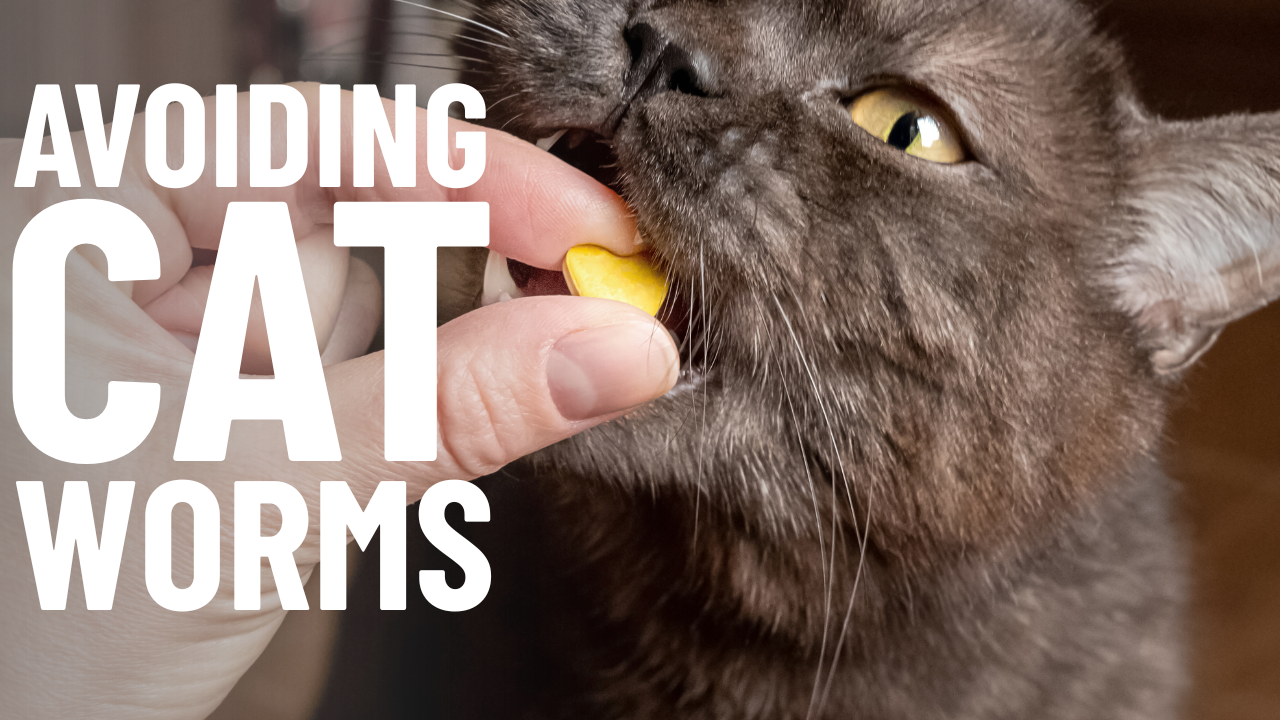
Veterinary deworming medications come in pills, liquids, or topical forms. These medicines kill roundworms, tapeworms, hookworms, and whipworms effectively. Common active ingredients include praziquantel, fenbendazole, and pyrantel pamoate. Vets recommend specific drugs based on the worm type and cat’s age.
Administer medications exactly as directed. Avoid skipping doses or stopping early. Side effects are rare but contact a vet if your cat shows unusual symptoms. Regular deworming keeps cats healthy and reduces worm spread.
Natural Remedies
Some cat owners try natural remedies to support worm removal. Pumpkin seeds contain cucurbitacin, which may help expel worms. Carrots and coconut oil are also popular for their mild antiparasitic effects. These options work best alongside vet-prescribed treatments.
Natural remedies do not replace medications but can boost overall health. Always consult a vet before using home treatments. Avoid giving human supplements or herbs without advice.
Treatment Schedule
Following a treatment schedule is crucial. Vets usually recommend deworming every three months for indoor cats. Outdoor cats or kittens may need more frequent treatments. After the initial dose, a follow-up dose often occurs two weeks later to kill newly hatched worms.
Keep track of treatment dates and symptoms. Clean the cat’s living area regularly to reduce reinfection risk. Consistent treatment and hygiene help keep worms away for good.
Preventing Worms In Cats
Preventing worms in cats is key to keeping them healthy and happy. Worms can cause serious health problems and discomfort. Taking steps to stop infection helps your cat live a longer, better life.
Prevention involves regular care and attention. It includes vet visits, keeping your cat clean, controlling fleas, and managing outdoor time. Each action reduces the chance of worms.
Regular Vet Checkups
Routine vet visits catch worm problems early. Vets can test for worms even if your cat shows no signs. They recommend safe treatments to keep worms away. Ask about deworming schedules that fit your cat’s needs.
Maintaining Hygiene
Clean your cat’s living area often. Remove waste and wash bedding regularly. Clean litter boxes daily to stop worm eggs from spreading. Bathe your cat if needed to remove dirt and parasites.
Controlling Fleas
Fleas carry worm larvae and spread infections. Use flea treatments approved by your vet. Check your cat’s fur for fleas every week. Keep your home clean to reduce flea presence.
Safe Outdoor Access
Outdoor cats face higher worm risks. Limit outdoor time or supervise your cat. Avoid areas with many stray animals or dirty soil. Provide a safe, clean outdoor space to reduce contact with worm sources.

Credit: www.beaphar.co.uk
When To Seek Emergency Care
Knowing when to seek emergency care for a cat with worms is vital. Some signs show the problem is serious and needs fast action. Acting quickly can save your cat’s life and reduce suffering.
Severe Symptoms
- Persistent vomiting or diarrhea
- Bloody stools or vomit
- Extreme weakness or collapse
- Labored or rapid breathing
- Severe abdominal pain or swelling
- Refusal to eat or drink for over 24 hours
- Seizures or unusual behavior changes
These symptoms mean the infection might be intense or causing other problems. Immediate veterinary care is crucial to prevent worsening.
Complications
Untreated worm infections can cause serious complications in cats. Worms may block intestines, causing dangerous obstructions. They can also lead to anemia by consuming blood inside the cat’s body. Some worms spread to vital organs, damaging the liver or lungs. These issues require urgent medical treatment to avoid lasting harm or death.

Credit: www.youtube.com
Frequently Asked Questions
How Do I Know If My Cat Has Worms?
Look for symptoms like weight loss, vomiting, diarrhea, and a bloated belly. Worms may cause visible segments in the stool. Regular vet check-ups help detect worms early.
What Is The Best Treatment For Cat Worms?
Deworming medications prescribed by a vet are the most effective treatment. They target specific types of worms and ensure safe elimination. Follow the vet’s dosage instructions carefully.
How Often Should I Deworm My Cat?
Cats should be dewormed every 3 to 6 months, depending on risk factors. Kittens require more frequent treatments. Consult your vet to create a proper deworming schedule.
Can Worms In Cats Be Prevented?
Yes, regular deworming, proper hygiene, and controlling fleas help prevent worms. Avoid feeding raw meat and keep your cat indoors. Clean litter boxes frequently to reduce infection risk.
Conclusion
Worms in cats can cause serious health problems. Treat your cat promptly to keep it healthy. Use safe, vet-approved medicines for best results. Regular check-ups help catch worms early. Keep your cat’s living area clean and dry. Monitor your cat’s behavior and health closely.
Prevent worms by controlling fleas and avoiding dirty areas. Healthy cats live longer and feel better. Take action now to protect your furry friend. Your cat depends on you for care and safety.