Struggling with pesky flies invading your cat's litter box? You're not alone.
Many cat owners face this annoying issue. Flies buzzing around the litter not only create an unpleasant environment but can also lead to health concerns for both you and your feline friend. Imagine being able to enjoy a fresh, clean space without the constant battle against these unwelcome guests.
In this guide, you'll discover simple, effective solutions to banish flies from your cat's litter once and for all. Stick with us, and you'll soon reclaim your home from these bothersome intruders!

Credit: www.nbcnews.com
Causes Of Flies In Cat Litter
Flies around your cat’s litter box can be more than just a nuisance—they often signal underlying issues that need your attention. Understanding what attracts flies to cat litter is the first step to keeping them away. Let’s explore the main causes behind their presence and the types of flies you might encounter.
Why Flies Are Attracted To Litter
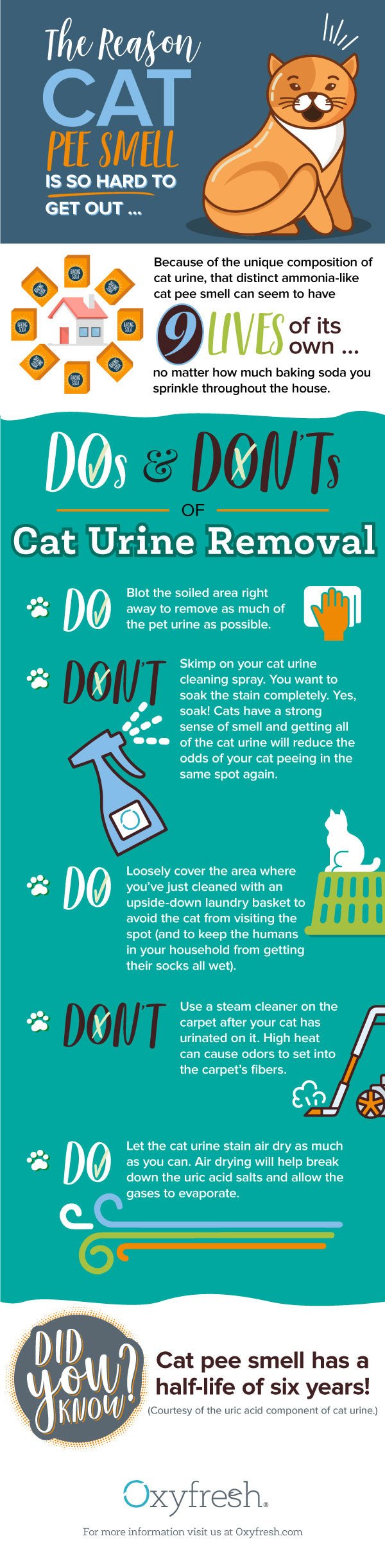
Flies are drawn to cat litter primarily because of the smell. The ammonia and organic waste in soiled litter create an irresistible odor for them.
Moisture in the litter also provides a perfect breeding ground. If the box isn’t scooped regularly, the dampness combined with waste creates an ideal environment for fly larvae to develop.
Have you noticed flies buzzing more around your litter after a few days of no cleaning? This is a clear sign your cat’s box needs more frequent maintenance.
Common Fly Types Around Litter Boxes
Several fly species can be found near litter boxes, but two types are the most common:
- House Flies:These flies are attracted to decaying organic matter and can spread bacteria from the litter to other surfaces in your home.
- Fruit Flies:Although they usually go for fermenting fruits, fruit flies can also be drawn to the moist environment of a dirty litter box.
Identifying which fly type you’re dealing with can help you choose the right approach to eliminate them effectively.

Credit: purrfectinsights.com
Preventing Fly Infestations
Preventing fly infestations in your cat’s litter box is easier than dealing with an outbreak. Flies are attracted to the smell and moisture, so controlling these factors can keep your home fly-free. Small changes in your routine and setup can make a big difference.
Choosing The Right Litter
Not all cat litters are created equal when it comes to fly prevention. Clumping litters that quickly absorb moisture help reduce odor and dampness, which attract flies.
Look for litter types with natural deodorizing properties, like those containing activated charcoal or baking soda. Avoid scented litters that can sometimes mask odors but still leave moisture, inviting flies.
Proper Litter Box Maintenance
Cleaning your litter box regularly is key to stopping flies before they start. Scoop waste at least once a day to minimize smell and remove eggs or larvae that flies might lay.
Completely change the litter and wash the box with mild soap weekly to keep bacteria and odors in check. Think about whether you’ve been consistent with cleaning—small lapses can turn into fly problems quickly.
Location Tips For Litter Boxes
Where you place your cat’s litter box affects fly activity. Choose a dry, well-ventilated spot to reduce moisture buildup, which flies love.
Avoid placing the box near windows or doors where flies can easily enter. Instead, position it in a quiet corner with good airflow, helping to keep the area fresh and less inviting to pests.
Quick Fly Removal Methods
Flies around cat litter can be a big nuisance. They spread germs and make your home uncomfortable. Quick fly removal methods help you clear flies fast. Acting quickly stops flies from multiplying.
These methods work well together. Using traps catches flies right away. Natural repellents keep flies away without chemicals. Cleaning solutions remove eggs and smells that attract flies.
Using Fly Traps Near Litter
Fly traps catch flies effectively near cat litter boxes. Place traps close but safe from your cat. Choose traps with non-toxic bait to avoid harm. Sticky traps or electric zappers work well. Check traps daily and replace when full. This lowers fly numbers quickly.
Natural Fly Repellents
Natural repellents keep flies away without chemicals. Use herbs like basil, mint, or lavender near litter areas. Essential oils such as eucalyptus or citronella also help. Spray diluted oil around the litter box. Flies dislike these scents and will avoid the area. Safe for cats and humans.
Cleaning Solutions That Work
Cleaning litter boxes regularly stops fly eggs from hatching. Use mild soap and warm water to wash boxes weekly. Vinegar mixed with water cleans and removes odors. Avoid strong chemicals that may harm your cat. Dry the box fully before adding fresh litter. Clean surroundings too, like floors and mats.
Credit: purrfectinsights.com
Long-term Fly Control
Controlling flies around cat litter requires ongoing effort. Short-term fixes only mask the problem. Long-term fly control keeps your home fresh and fly-free. It also protects your pet’s health and comfort. Consistent habits and good hygiene create a less inviting space for flies.
Regular Deep Cleaning Routine
Deep cleaning the litter box regularly prevents fly eggs and larvae buildup. Empty the box completely at least once a week. Wash it with warm water and mild soap. Avoid strong chemicals that can harm your cat. Rinse thoroughly to remove residue. Replace the litter with fresh, dry material every time.
Clean the surrounding area too. Wipe surfaces near the box to remove stray litter and odors. Use a disinfectant safe for pets. This routine breaks the fly breeding cycle effectively.
Improving Home Hygiene
Maintain overall cleanliness to reduce fly attraction. Dispose of cat waste in sealed bags immediately. Keep trash bins covered and away from the litter area. Avoid leaving food or dirty dishes near the litter box. Use air circulation tools like fans or vents to reduce moisture. Flies thrive in damp, smelly places. Dry, clean spaces keep them away.
Monitoring And Early Detection
Check the litter box and surrounding area daily. Look for small flies or larvae signs. Early detection stops infestations before they grow. Use simple traps to catch flies early. Sticky traps or homemade vinegar traps work well. Regular monitoring helps you act fast and keep flies under control.
Safe Practices For Cats
Keeping your cat safe is the top priority when managing flies in the litter box. Many common fly control methods use chemicals that can harm pets. Choosing safe options protects your cat’s health and keeps the home clean. Careful selection of products and techniques prevents accidental poisoning or irritation. Understanding which practices are safe helps maintain a healthy environment for your furry friend.
Avoiding Harmful Chemicals
Chemicals in some fly sprays and insecticides can be toxic to cats. Their sensitive noses and grooming habits increase risk. Avoid using:
- Aerosol insecticides near the litter box
- Fly baits containing poisons
- Essential oils like eucalyptus or tea tree, which can be dangerous
Check product labels carefully for pet warnings. Always keep treated areas well ventilated. Never apply chemicals directly on or near your cat’s litter.
Cat-friendly Fly Control Options
Natural and safe methods reduce flies without harming cats. Try these options:
- Regularly clean and scoop the litter box to remove fly attractants
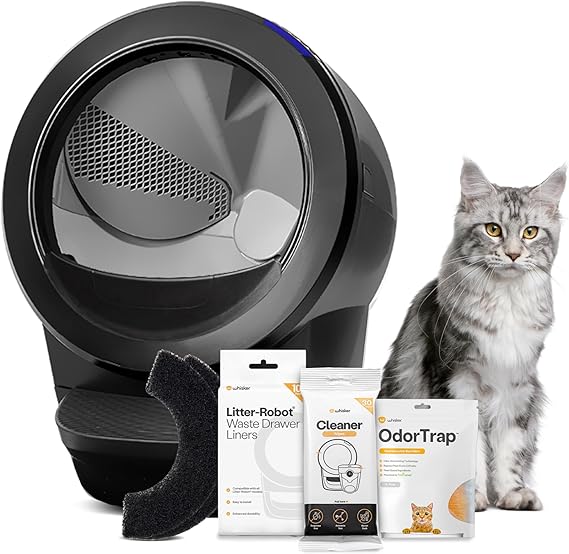
- Use covered litter boxes to limit fly access
- Place fly traps away from your cat’s reach
- Introduce indoor plants like basil or mint to repel flies naturally
- Use fans near litter boxes to create airflow that deters flies
These methods keep flies away while ensuring your cat stays safe and comfortable.
Frequently Asked Questions
How Do Flies Get Attracted To Cat Litter?
Flies are drawn to the smell of cat urine and feces in litter boxes. Warm, moist environments encourage fly breeding. Regular cleaning and odor control reduce attraction and stop flies from laying eggs in the litter.
What Is The Best Way To Stop Flies In Cat Litter?
The best way is to clean the litter box daily. Use clumping litter to trap waste tightly. Dispose of waste promptly and wash the box weekly with mild soap and water.
Can Natural Remedies Help Repel Flies Around Cat Litter?
Yes, natural remedies like placing basil, mint, or lavender near the litter box can repel flies. Essential oils such as eucalyptus or citronella also deter flies without harming your cat.
Should I Change Cat Litter Type To Prevent Flies?
Switching to clumping or crystal litter reduces odors and moisture, making it less attractive to flies. Avoid scented litters that may attract insects or irritate your cat.
Conclusion
Keep your cat’s litter box clean and dry to stop flies fast. Change the litter often and scoop waste daily. Use a covered litter box to block flies from entering. Try natural fly repellents safe for pets around the area.
Good airflow helps keep the space fresh and less inviting for flies. Regular care makes a big difference in keeping flies away. Stay consistent, and your home will stay clean and fly-free. Small steps lead to a happier, healthier space for you and your cat.